Domaine du Gros'Noré is a winery in La Cadière-d'Azur, France. Explore its production and use its official website for current tasting and visitor details.
- Falstaff Winery - Listed · 2026
Hands on the Bandol fruit since 1997
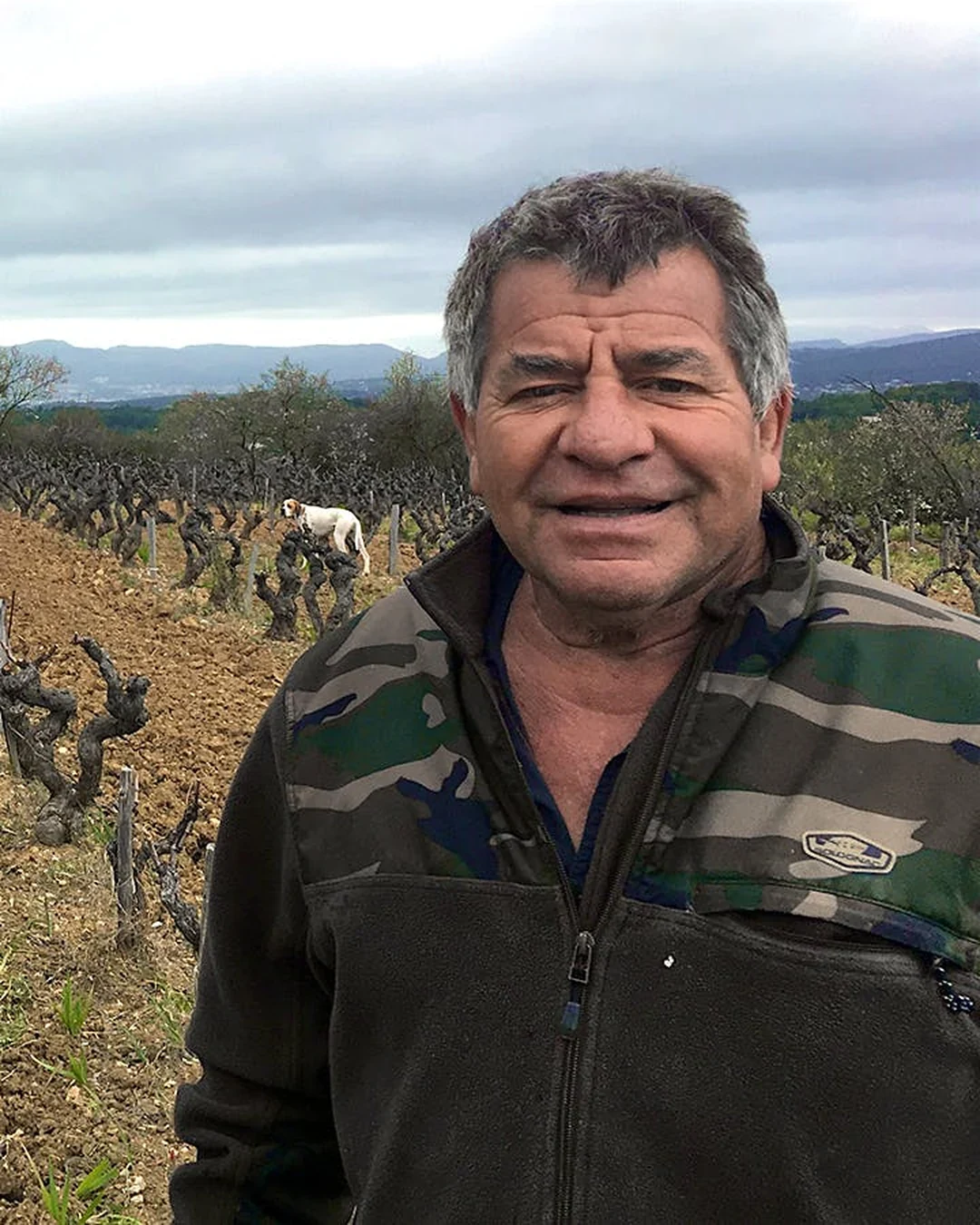
Alain Pascal checks the fruit for Bandol reds as winemaker at Domaine du Gros'Noré in La Cadière-d'Azur, where the cellar and the vineyard remain part of the same family decision. He founded the estate in 1997 and still holds the combined role of proprietor and winemaker, a long station that matters in Bandol because the house style depends on choices repeated through seasons rather than on a single vintage. The name Gros Noré reaches back to Honoré Pascal, Alain's father, known locally by that nickname; Honoré worked vines for decades and taught his son the value of the land before Alain began bottling under his own domaine. The estate sits above La Cadière-d'Azur in the Bandol AOC, on 17 hectares of clay-rich soils. Its center of gravity is red wine, with Bandol Rosé, Bandol Blanc and Cuvée Antoinette arranged as named parts of the same cellar language. The lineage here is not presented as ornament. It is a father in the vines, a son building the cellar by hand, and a domaine that keeps the family name on the label.
Mourvèdre at the center of the method
The program starts with Mourvèdre, the grape that gives Bandol reds their frame, then brings in Grenache, Cinsault and Carignan where the blend calls for support. Rosé comes from Grenache and Cinsault, with Mourvèdre used for structure; the white draws on Clairette and Ugni Blanc. Pascal works the vineyard organically in practice, limiting treatments to copper and sulfur, without herbicides or chemical insecticides. Soil work and harvest are manual, and pruning follows the lunar cycle. The estate plants at 5,000 vines per hectare, a density that asks the vine to work rather than sprawl. For the red wines, the average vine age is 50 years, with Cuvée Antoinette sourced from the highest, coolest part of the vineyard, where the oldest vines stand. Production is around 5,000 cases annually, a scale large enough to show a consistent hand and small enough for the proprietor to remain close to the fruit. The method is direct: clay, old Mourvèdre, hand selection, and a cellar built for Bandol rather than for breadth.
The cellar above La Cadière
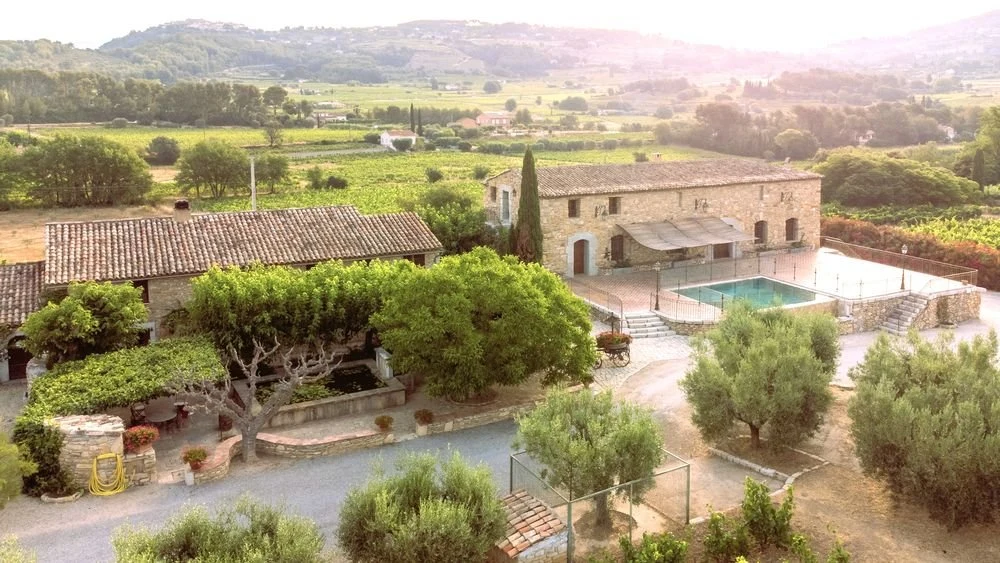
The cellar has the feeling of a rural Provençal estate, not a polished tasting theater. Conversation stays low, the reception is familial, and the vineyard remains visible as the real room behind the room. The setting carries Bandol without theatre: slopes above La Cadière-d'Azur, clay underfoot, Mourvèdre ripening in a Mediterranean climate, and a hand-built cellar where the work moves from fruit to cuvée. The tasting room and the event hall sit beside that craft rather than outside it, so the place reads first as a working domaine. Visitors meet the wines in a sequence that mirrors the estate's identity, from Bandol Rosé and Bandol Blanc back toward the reds. If the close of the visit has a name, it is Cuvée Antoinette.
Questions
Frequently asked
Who makes the wines at Domaine du Gros'Noré?
Alain Pascal is the proprietor and winemaker at Domaine du Gros'Noré, and he founded the estate in 1997.
What is Domaine du Gros'Noré known for?
The estate is centred on Bandol reds, with Bandol Rosé, Bandol Blanc and Cuvée Antoinette also part of the cellar's range.
How are the wines made there?
Mourvèdre leads the red wines, with Grenache, Cinsault and Carignan used for support when needed, while the rosé is made from Grenache and Cinsault with Mourvèdre for structure and the white from Clairette and Ugni Blanc. Vineyard work is done organically in practice, with treatments limited to copper and sulfur, no herbicides or chemical insecticides, and manual soil work and harvest.
Is a booking needed to visit?
Reservations are recommended.
Is there parking on site?
Yes, there is an on-site lot.
The field
How it compares
| Place | Notes | Awards |
|---|---|---|
| Domaine du Gros'Noré | $$ | · |
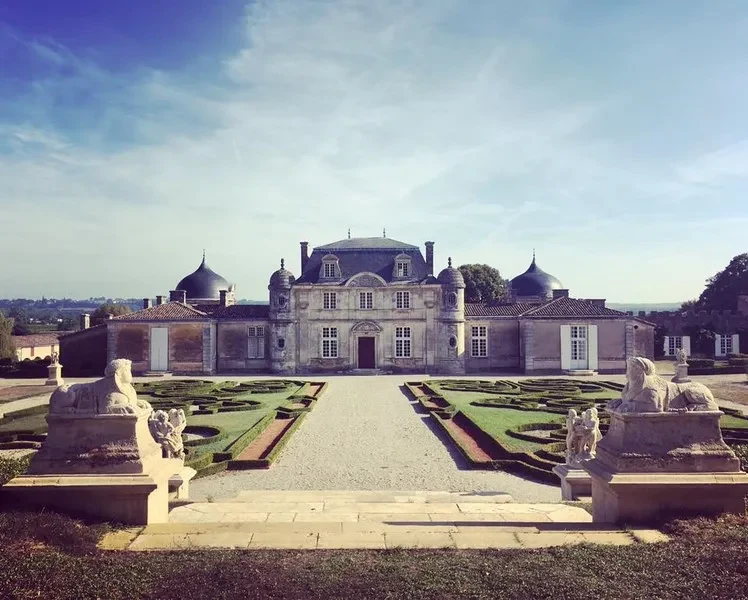
| Château de Malle | La Cadière-d'Azur | · |
| Domaine Bruno Clair | Marsannay-la-Côte | · |
| Domaine Jean-Louis Chave | Mauves | · |
| Domaine Leroy | Vosne-Romanée | · |
| Familienweingut Tement | Ehrenhausen | World's 50 Best |
| Penfolds Magill Estate | Magill | · |