Domaine L'or de Line
- 01CityChâteauneuf-du-Pape, France
- Falstaff Winery - Listed · 2026
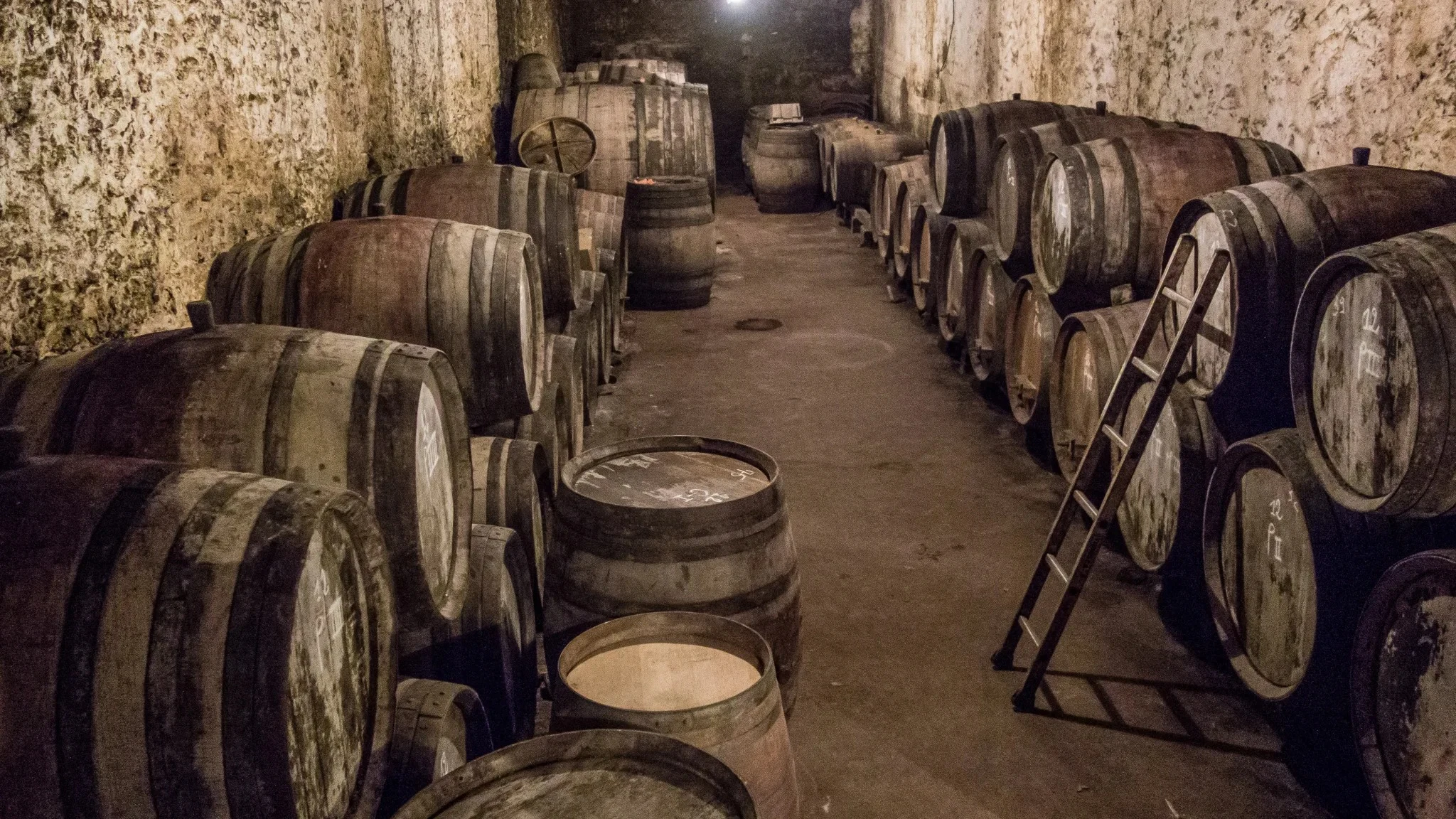
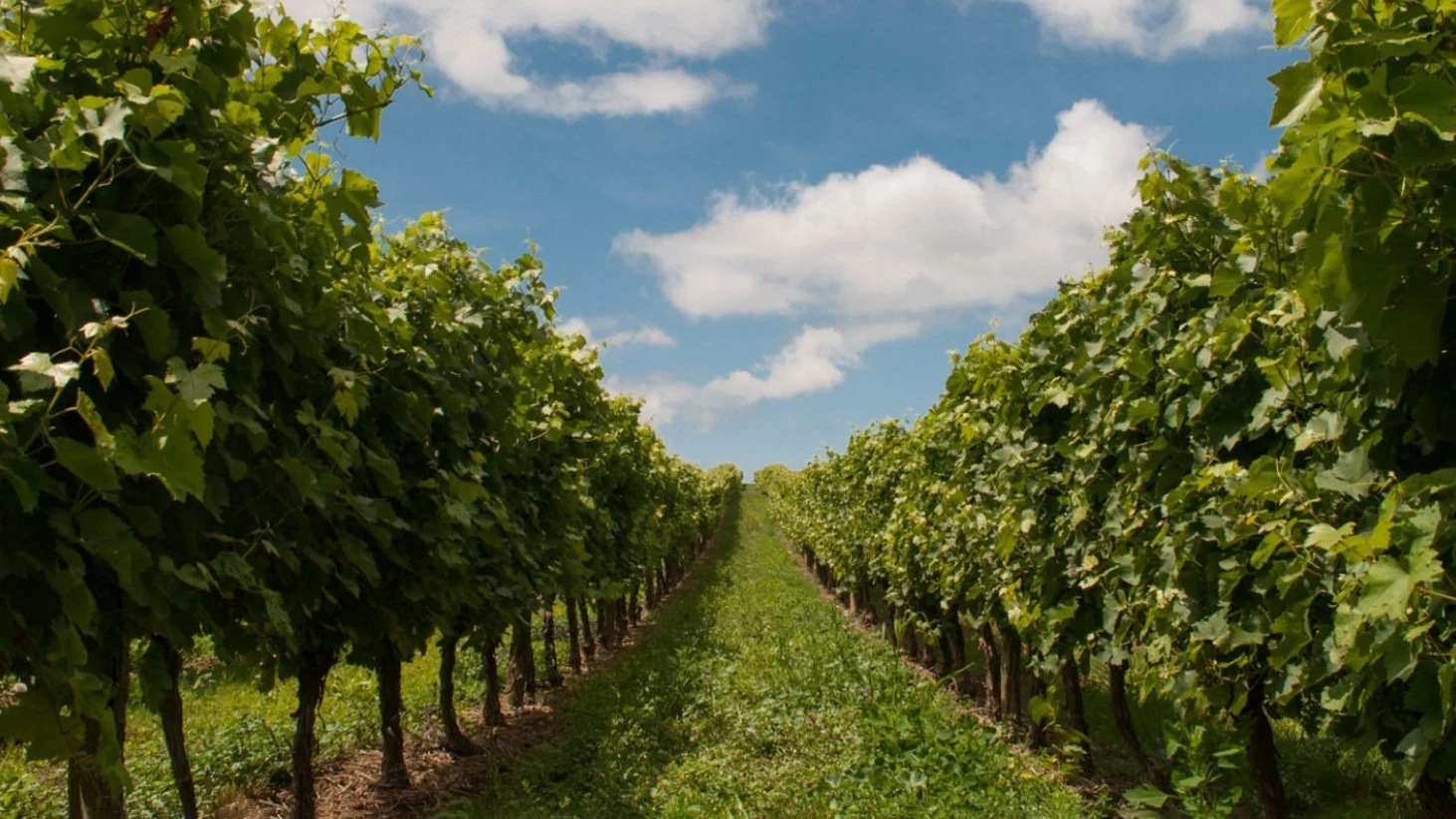
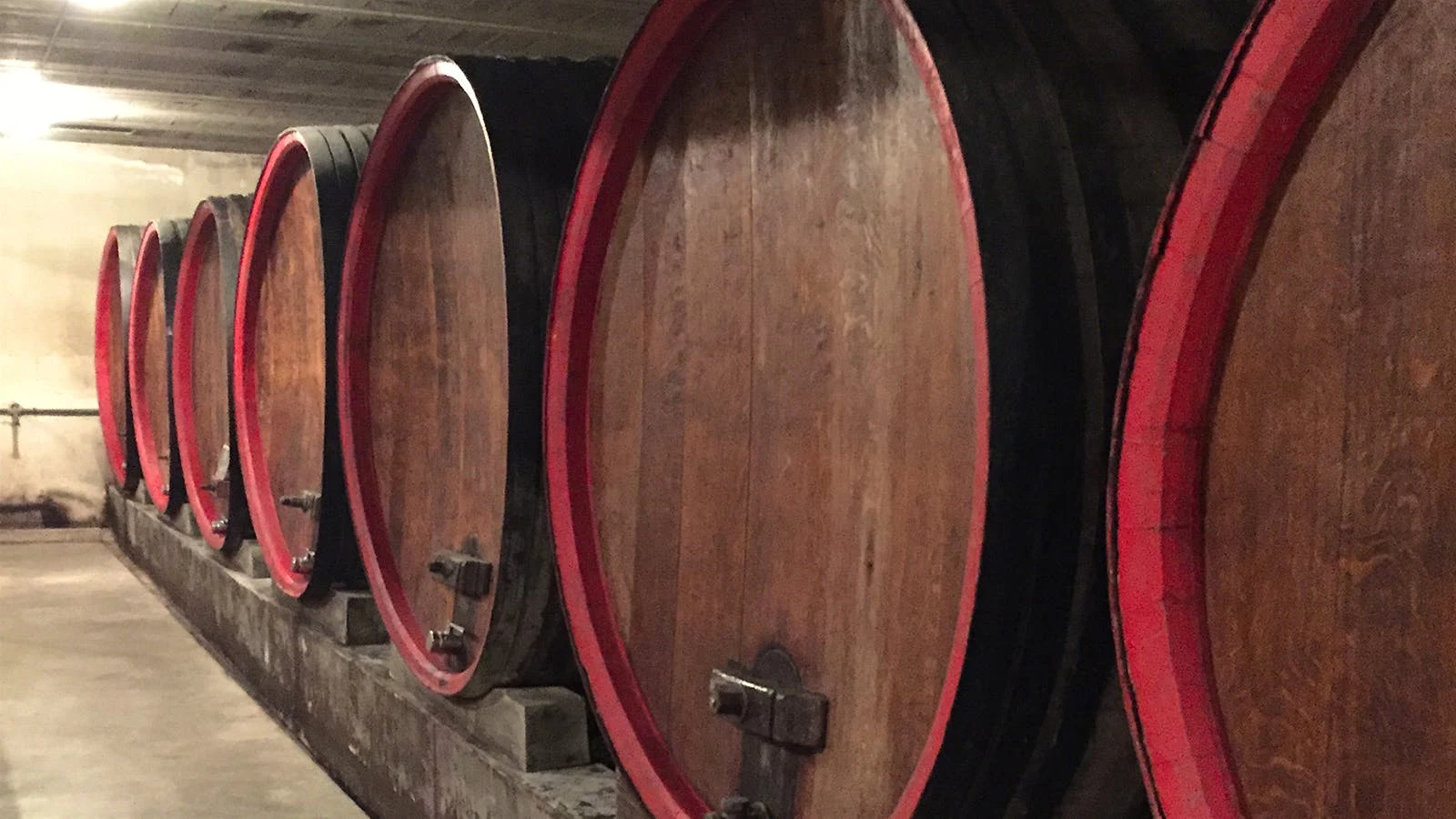
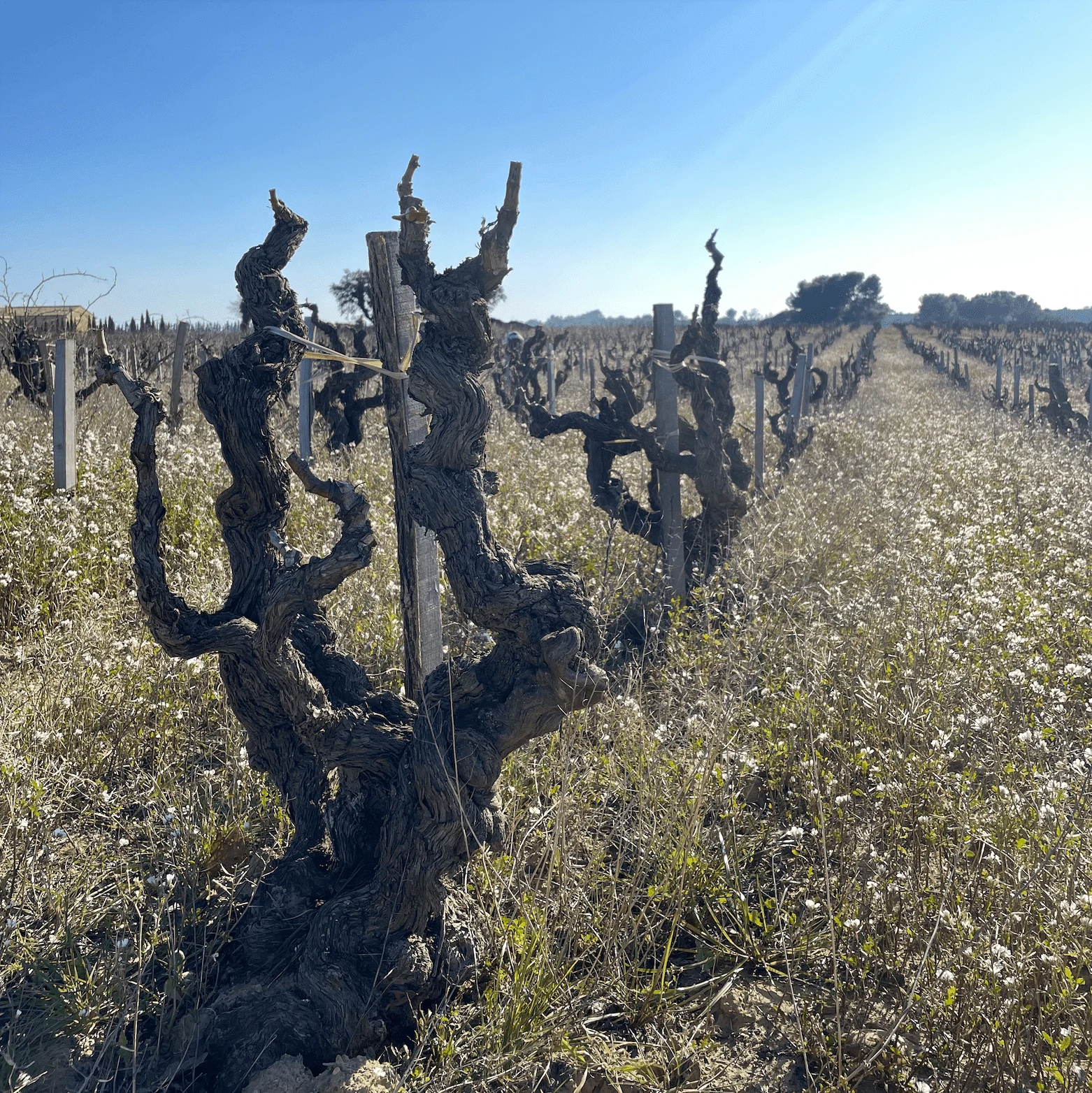
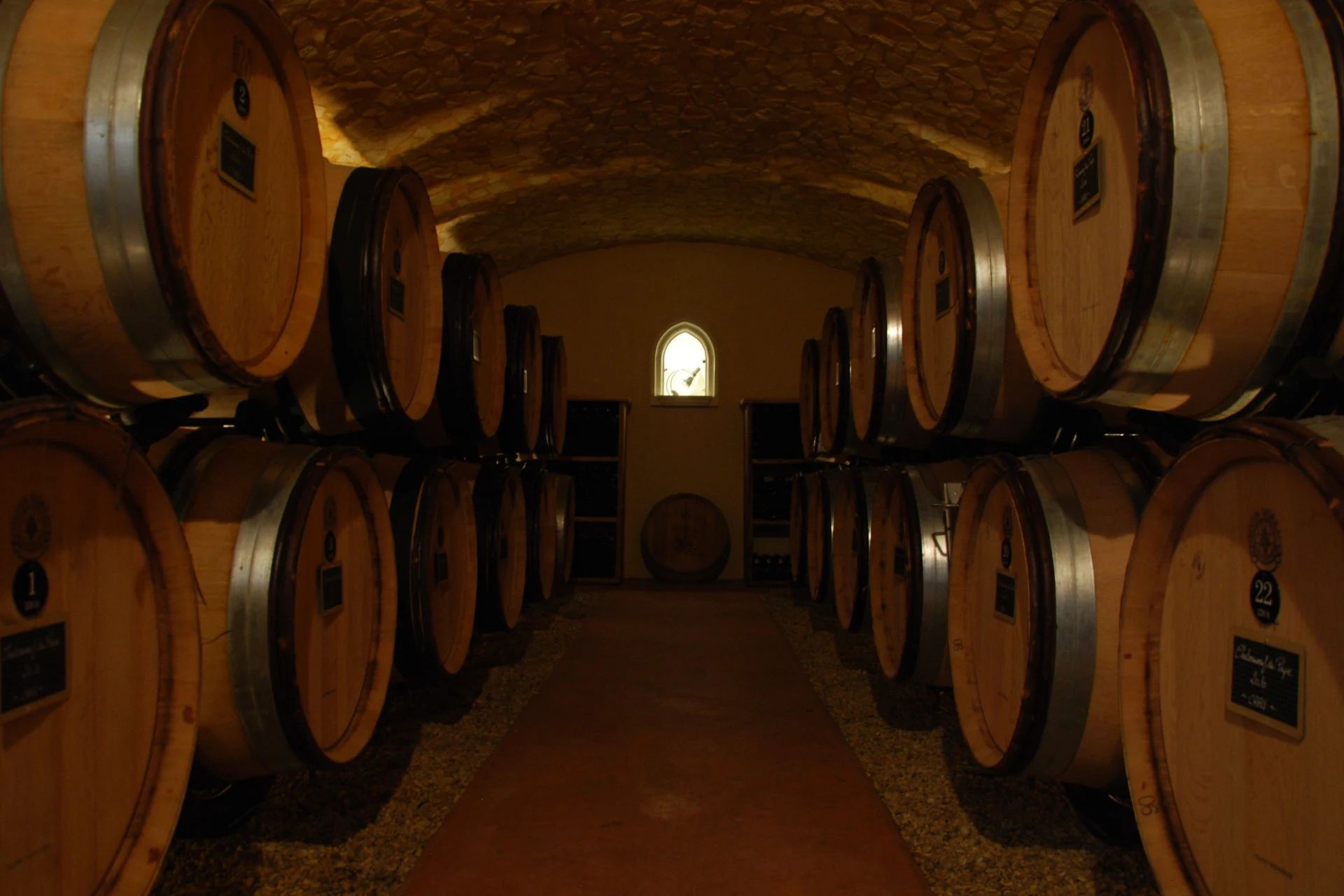
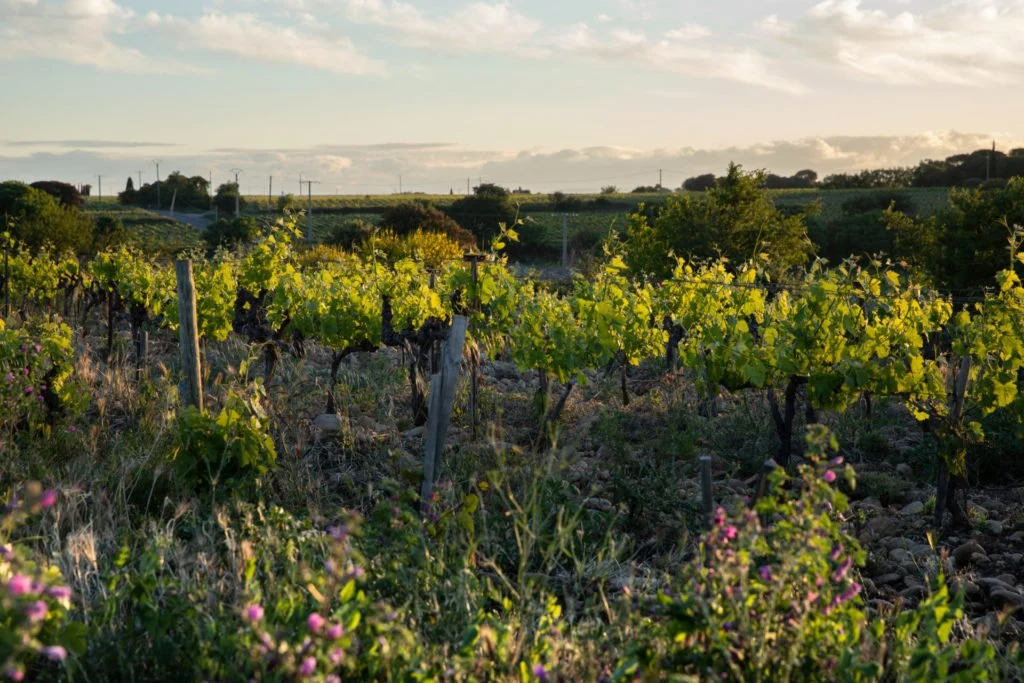
Châteauneuf-du-Pape is a historic wine village with a landscape and culture closely tied to the Southern Rhône. Domaine L'or de Line belongs to the smaller, family-run side of that culture: an organic estate with a traditional feel, shaped more by vineyards and the cellar than by a polished visitor-center atmosphere. Its appeal sits in that sense of proximity to the work of the domaine, where the village setting and the surrounding wine landscape matter as much as any formal hospitality frame.
The appeal here is not a long list of public-facing amenities, but the estate’s character. Domaine L'or de Line is best understood as rustic, classic, scenic, intimate, and a little hidden-gem in spirit. For travellers who want Châteauneuf-du-Pape without a highly staged setting, that restraint is part of the draw. It suggests a visit defined less by performance and more by atmosphere: the feeling of being close to a working Rhône estate, with the focus kept on place, tradition, and scale.
Organic Châteauneuf-du-Pape, read through the estate
Domaine L'or de Line is described as a small, family-run organic estate in Châteauneuf-du-Pape. That gives it a focused Rhône identity: vineyards, cellar, village setting, and a close connection to the appellation rather than a broad hospitality complex. The organic positioning also helps frame the domaine as part of a wine culture where farming choices, estate identity, and local tradition are closely interwoven.
Because the public details are limited, it is better not to overstate the wine range, grape varieties, service format, or production specifics. What can be said confidently is that the estate’s positioning is organic, family-run, and traditional, with an atmosphere that suits visitors interested in the vineyard-and-cellar side of Châteauneuf-du-Pape. In this context, the lack of extensive detail is not something to fill with assumptions; it is a reason to keep the description precise and to treat the estate on its own terms.
In a village where more formal hospitality can dominate the conversation, Domaine L'or de Line offers a quieter, more intimate lens on the appellation. The estate should be approached as rustic and traditional rather than as a venue defined by polished extras. That distinction matters for planning: this is the sort of address to value for its sense of place and its classic estate character, not for a checklist of added services.
Why the estate character suits serious learners
The strongest reason to include Domaine L'or de Line in a wine-focused trip is its setting and estate character. It is described as intimate, scenic, classic, and hidden-gem, with attention centered on vineyards and the cellar. That makes it a natural fit for visitors who prefer a grounded sense of place over a highly produced visitor experience. The scale implied by a smaller family-run domaine can also help make the appellation feel more legible, especially for travellers trying to understand Châteauneuf-du-Pape beyond its broad reputation.
For serious learners, the value is in the context: Châteauneuf-du-Pape, organic estate identity, traditional Rhône atmosphere, and the scale implied by a small family-run domaine. Those details are enough to frame the stop without inventing claims about particular grapes, guided formats, cellar services, or hospitality programs. The learning comes from reading the estate carefully: its setting, its restraint, its family-run identity, and the way it sits within the wider culture of the village.
Practical expectations should stay simple. The price level is $$$, and the estate’s mood is rustic and intimate. Beyond that, travellers should confirm current arrangements directly before planning around any specific service, format, language option, parking setup, or food service. That kind of confirmation is especially important when the appeal of a place rests on estate character rather than a heavily advertised visitor structure; it keeps expectations aligned with what the domaine can actually offer at the time of the visit.
Where it fits in a Châteauneuf-du-Pape itinerary
Domaine L'or de Line works as a focused point of interest within a wider Châteauneuf-du-Pape itinerary, especially for travellers comparing different styles of local wine hospitality. Use broader Châteauneuf-du-Pape planning resources to build the route, then round out the trip with other dining and travel options in the village. In that mix, this estate is best used as the quieter counterpoint: a stop that emphasizes organic estate identity, family scale, traditional atmosphere, and the vineyard-and-cellar backbone of the appellation.
For further planning, keep Domaine L'or de Line in mind as the point of comparison for this specific style of estate: small, family-run, organic, rustic, classic, scenic, intimate, and rooted in Châteauneuf-du-Pape. It is not the address to describe through invented extras or assumed programs. Its usefulness lies in the clarity of its character, and in the way that character gives travellers another angle on the village’s wine culture.
Questions
Frequently asked
How expensive is Domaine L'or de Line?
Domaine L'or de Line is listed at a price level of $$$.
The field
How it compares
| Place | Notes |
|---|---|
| Domaine L'or de Line | Châteauneuf-du-Pape village, $$$ |
| Château Rayas | Châteauneuf-du-Pape |
| Clos des Papes | Châteauneuf-du-Pape |
| Domaine du Vieux Donjon | Châteauneuf-du-Pape |
| Domaine La Barroche | Châteauneuf-du-Pape |
| Domaine Pierre Usseglio | Châteauneuf-du-Pape |
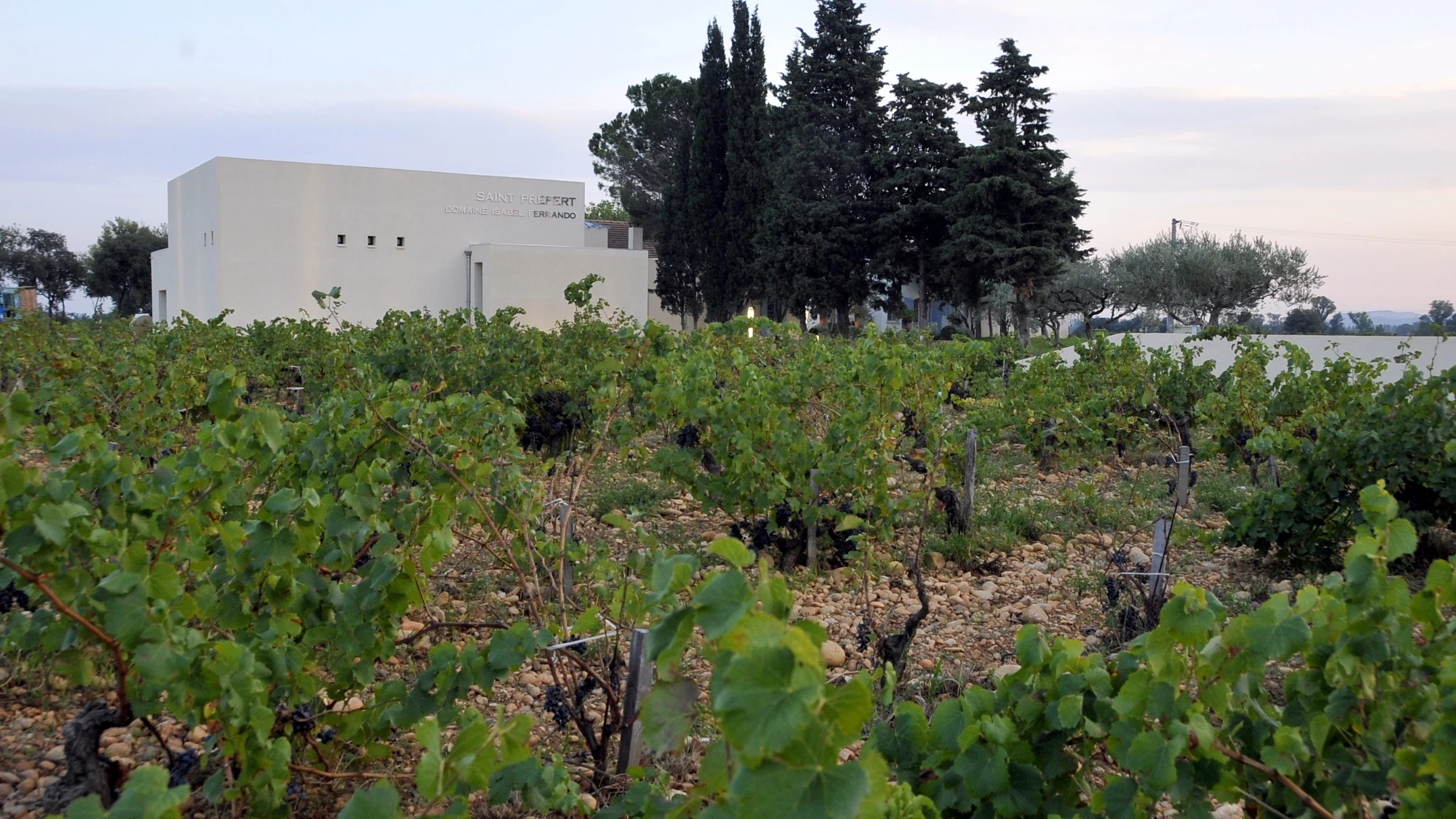
| Domaine Saint Préfert | Châteauneuf-du-Pape |