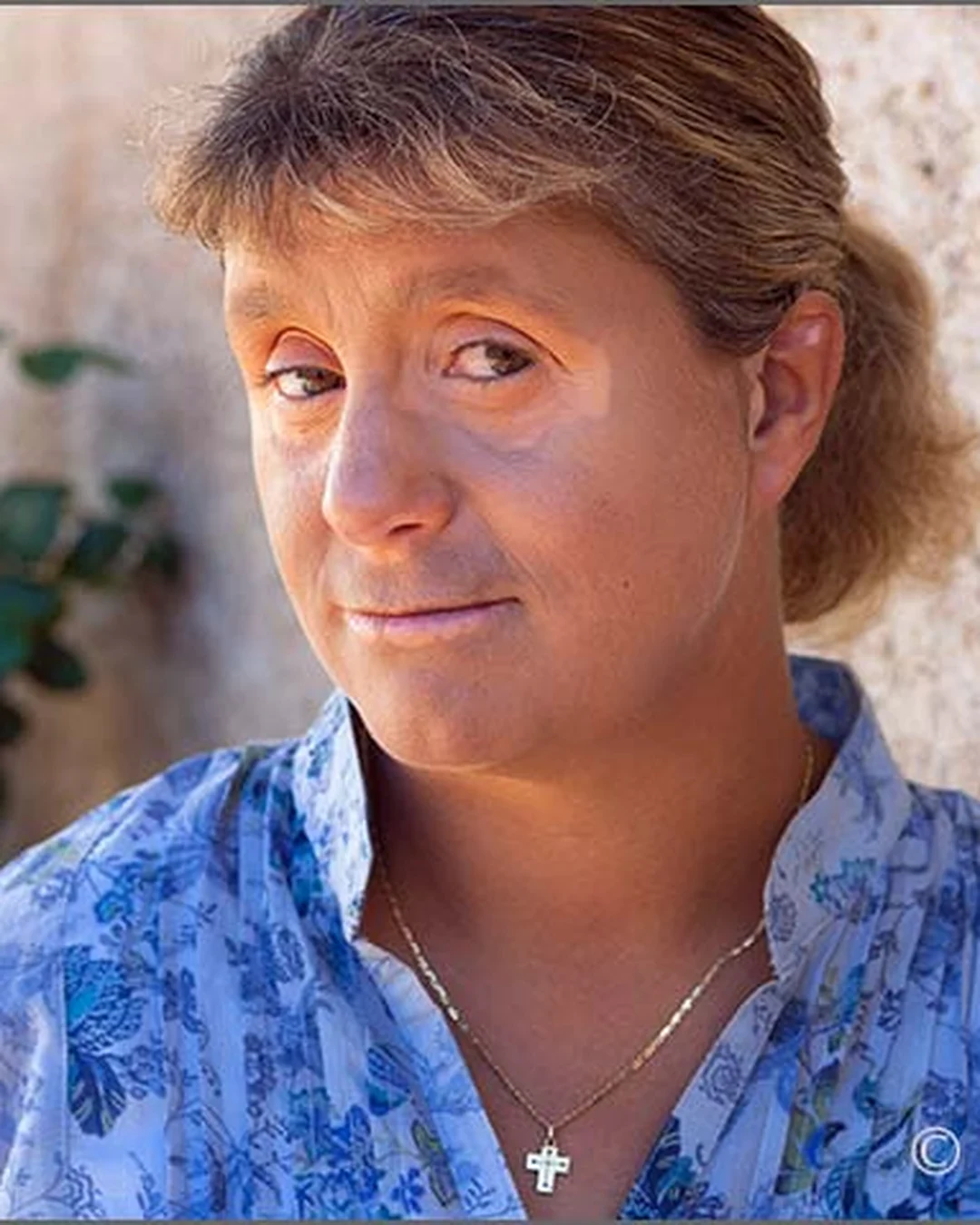
Sabine Mollard, winemaker at Domaine Marc Morey Fils in Chassagne-Montrachet, works a family estate rooted in Chassagne precision.
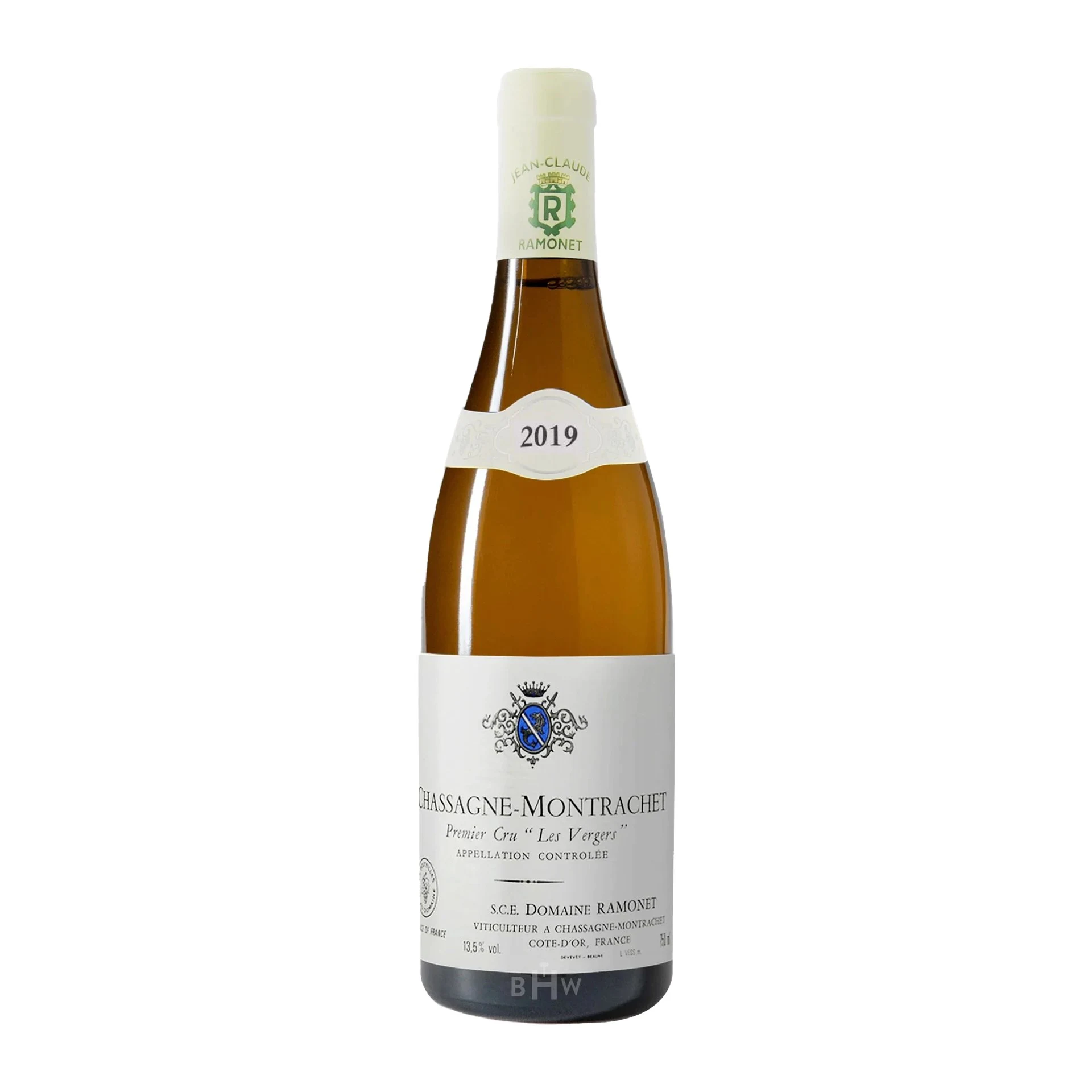
The choice to wait sits close to the work: Sabine Mollard, winemaker at Domaine Marc Morey Fils in Chassagne-Montrachet, asks time of the bottles before she shows them. Her directorship began with the 2003 vintage, a first harvest that fixed her place in the family line carried through the maternal side. The domaine came to her through her grandfather, and she identifies herself as the fourth generation to work the estate. That lineage matters here because ownership and winemaking still sit in the same hands. The domaine has been rooted in the village since 1919, housed in a 19th-century former coaching inn at the top of Chassagne-Montrachet, with vaulted cellars below and vineyards around the buildings. Mollard’s work keeps to the estate’s preference for elegance and precision, and to a Chassagne register built on freshness, minerality and texture rather than weight. She names Chassagne Vergers as the cuvée she favors at the moment, while Virondot, in her view, asks for bottle age before it fully comes into focus.
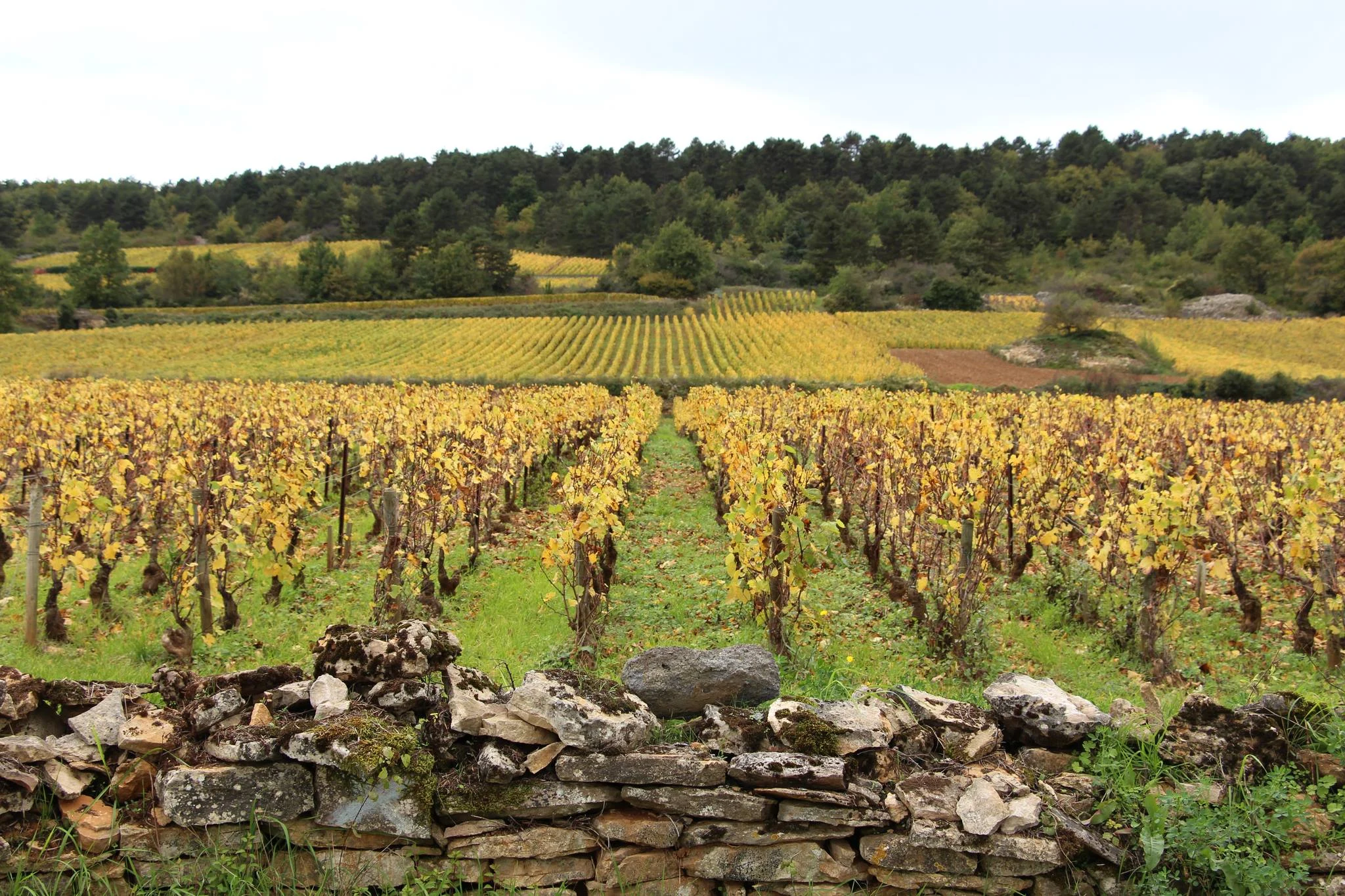
The domaine works about ten hectares in the Côte de Beaune, with Chardonnay, Pinot Noir and Aligoté moving through a program weighted toward Chassagne-Montrachet whites. The farming is sustainable in practice, with a reasoned approach to treatments, soil worked through the year, severe budding, and green work used to hold yield and fruit health in line. In the vines, simple Guyot and Cordon de Royat pruning keep the gesture within Burgundy’s established discipline. En Virondot gives the cellar one of its clearest measures: a 2.1-hectare Premier Cru plot at 350 meters, set on shallow topsoil over calcareous soil. For whites, the domaine works with temperature-controlled vats, then barrel, with battonage once a week until malolactic fermentation begins. The wines rest on lees for 10 months, followed by 4 months in vats. Reds age for 15 months, with 25 to 30% new barrels. Mollard says the wines need 3 to 4 years of aging, and that statement feels less like a rule than a house tempo.
The place carries its past without making a display of it. A former diligence relay and old restaurant became the working domaine, and the cellars below still set the pace: quiet, vaulted, built for movement that does not need an audience. The room is not arranged around spectacle. It belongs to barrels, tanks, bottles, and the small corrections that decide whether a wine stays lifted or becomes too broad. Above, the estate buildings sit at the top of the village, close enough to the vines that the distinction between cellar and vineyard feels practical rather than picturesque. In that setting, the house style reads through restraint: Chassagne with line, no hurry to be opened, and a preference for detail that bottle age can make clearer.
Mollard’s own pointer is plain: “The Chassagne Vergers is my favorite at the moment, though the Virondot always tastes better with bottle age.” It is a useful close to the house’s method, because the sentence holds both pleasure and delay. The next lesson here is not a new gesture, but the patience inside En Virondot.
Chassagne-Montrachet, Bourgogne-Franche-Comté, Frankreich
Chassagne-Montrachet