Domaine Paul Fahrer
- 01CityOrschwiller, France
Organic Alsace from 6.5 hectares
- Falstaff Winery - Listed · 2026
Since 2009 among the same vines
Jean-Yves Fahrer studies each press and tank as winemaker at Domaine Paul Fahrer in Orschwiller, keeping the cellar work close to the grape. He has held the station since 2009, inside a family estate whose present shape rests on three generations and a first estate bottling in 1950. The domaine works from Orschwiller, on the Route des Vins d’Alsace, below Haut-Koenigsbourg, with vines gathered around the village and a cellar tied to an 18th-century bailiwick building.
Jean-Yves Fahrer frames the work in plain terms: cultivate the vine simply, make wines without artifice, respect the vines, the grapes, and the wine. That language matters here because it gives the cellar its limit. The hand does not arrive to mask the site. It arrives to carry fruit from sandy, mineral-rich soils into Alsace AOC wines that still read as Riesling, Pinot Gris, Gewurztraminer, Pinot Noir, Sylvaner, and the wider Alsace table of dry, sparkling, sweet, red, rosé, and pétillant bottles.
Foudres, steel, and slow crémant
The estate farms about 6.5 hectares and works with an organic philosophy, including conversion to agriculture biologique since 2020. More than 60% of the vines are described by the domaine as old vines, a useful figure in a place where concentration is meant to come from the vineyard before it comes from the cellar. The feeding of the soil is direct: organic fertilizers, compost, cow manure, and natural activators for soil life. Synthetic chemical treatments are not part of the stated vine protection.
In the cellar, Fahrer adjusts the vessel to the wine rather than forcing one program across the range. Some wines age in traditional foudres, where wood gives body and harmony without asking the grape to become something else. Others remain in stainless steel, held for freshness and line. The crémants take their time in the historic caves of the bailli, where the temperature stays naturally constant through the year. That slow fermentation suits the discipline of the house: not a search for weight, but for freshness, aromatic clarity, and wines without heaviness.
The cellar beneath Haut-Koenigsbourg
The room has the scale of a small family domaine rather than a production hall. Orschwiller sits quietly on the wine route, with the Vosges shielding the vines and the castle above giving the village a fixed point in the landscape. The tasting room and cellar carry that same proportion. The work happens close to the bottles, close to the foudres, close to the mineral and sandy soils that give the wines their first instruction.
There is range on the bench, but not noise: Riesling and Sylvaner for edge, Pinot Gris and Gewurztraminer for breadth, Pinot Noir for red and rosé, crémant for lift, Vendanges Tardives and Sélection de Grains Nobles when conditions allow. The original creations keep the estate from becoming a museum of received forms. The next glass to understand here may be the natural pétillant, Un Petit Coucou.
Questions
Frequently asked
Who makes the wines at Domaine Paul Fahrer?
Jean-Yves Fahrer is the winemaker at Domaine Paul Fahrer and has held that role since 2009.
What kind of wines does the domaine produce?
The estate makes Alsace AOC wines including Riesling, Pinot Gris, Gewurztraminer, Pinot Noir, and Sylvaner, as well as dry, sparkling, sweet, red, rosé, and pétillant wines.
How does Domaine Paul Fahrer work in the vineyard?
The domaine farms about 6.5 hectares with an organic philosophy and has been in conversion to agriculture biologique since 2020. It uses organic fertilizers, compost, cow manure, and natural activators for soil life, and does not state synthetic chemical treatments as part of its vine protection.
What should visitors know about booking and parking?
Reservations are recommended, and parking is on the street.
The field
How it compares
| Place | Notes | Awards |
|---|---|---|
| Domaine Paul Fahrer | Orschwiller (bailiwick of Haut-Koenigsbourg), $$ | · |
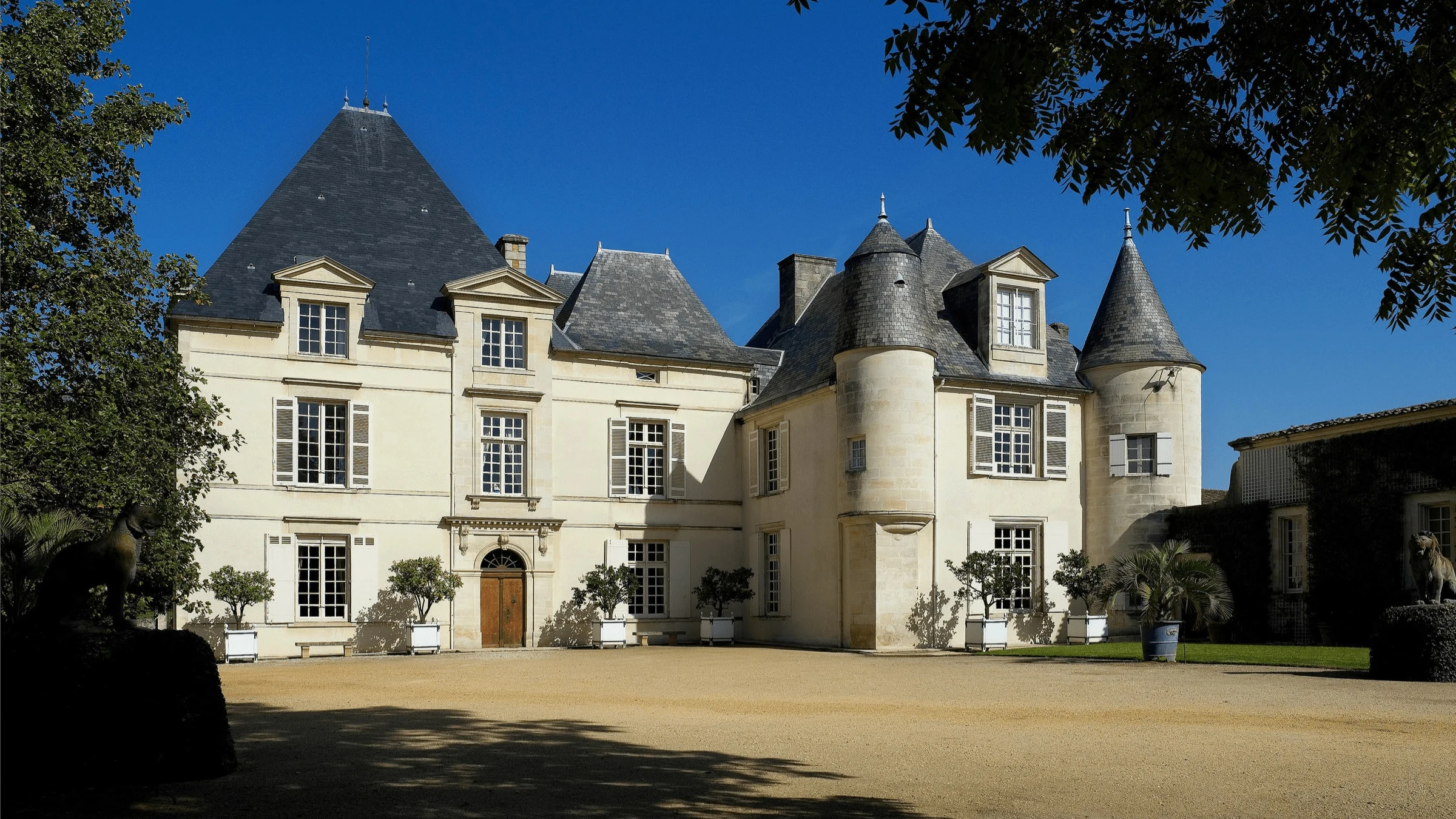
| Chateau Haut-Brion | Pessac | World's 50 Best |
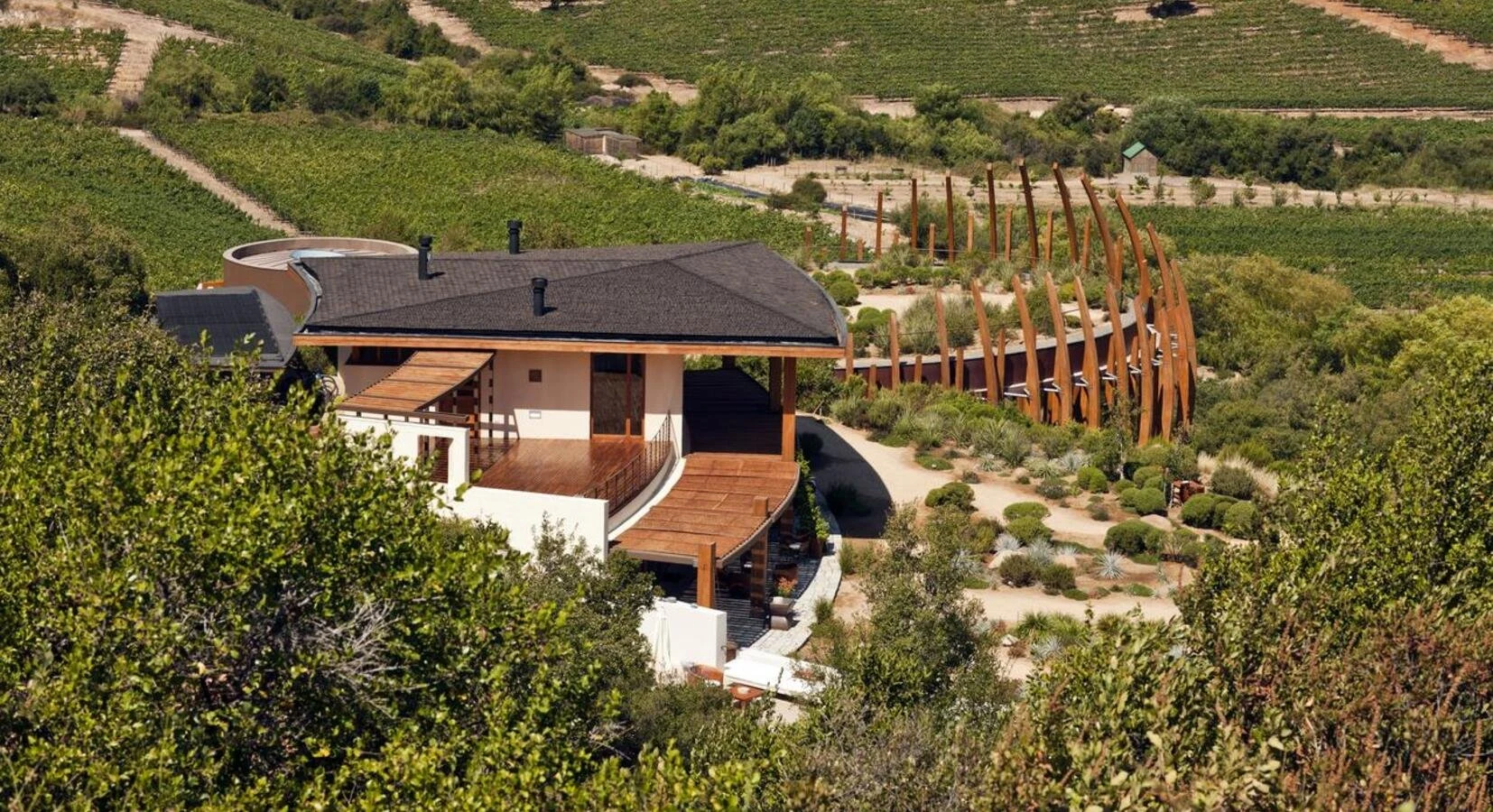
| Clos Apalta (Casa Lapostolle) | Santa Cruz | World's 50 Best |
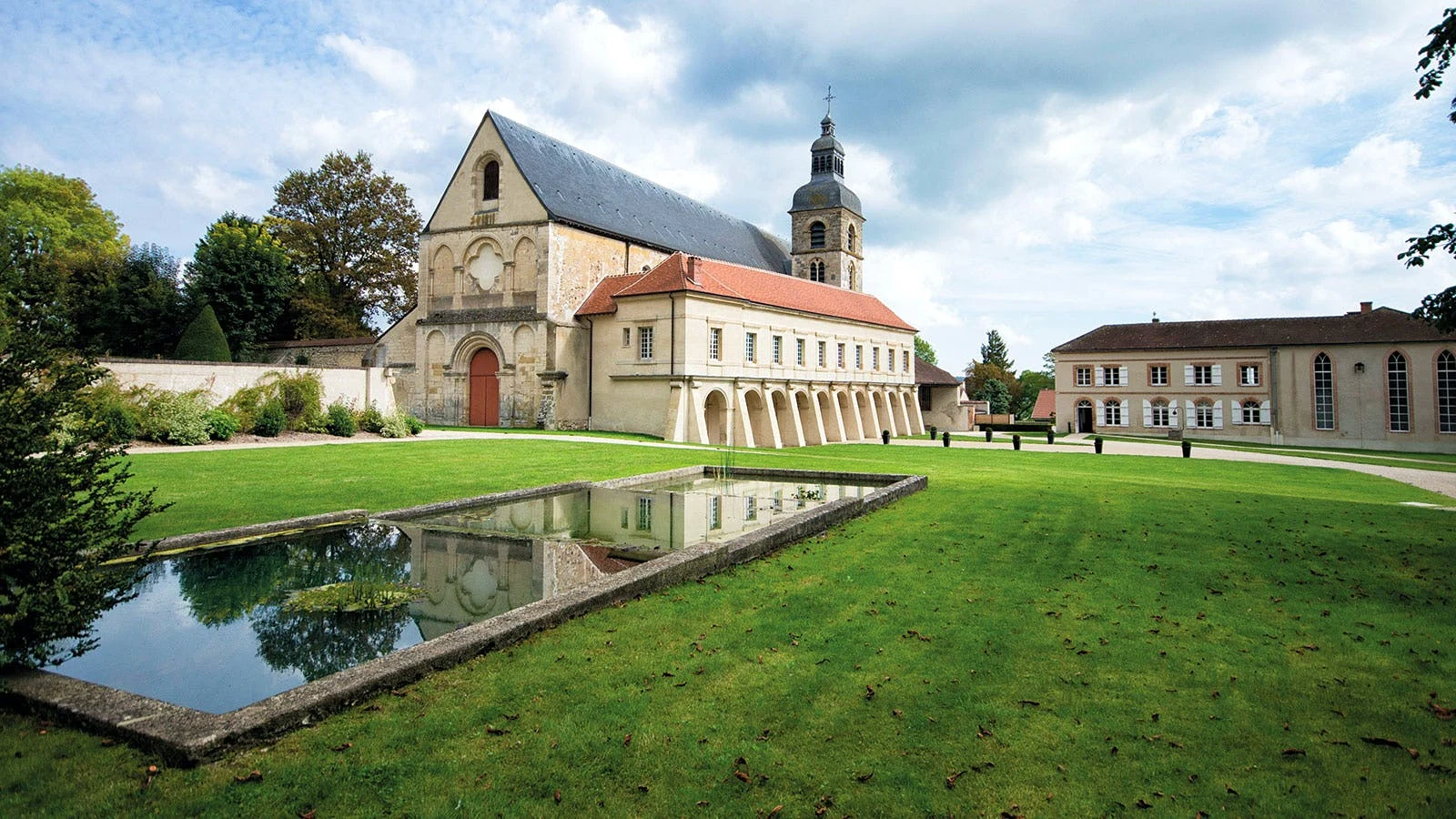
| Dom Pérignon | Hautvillers | · |
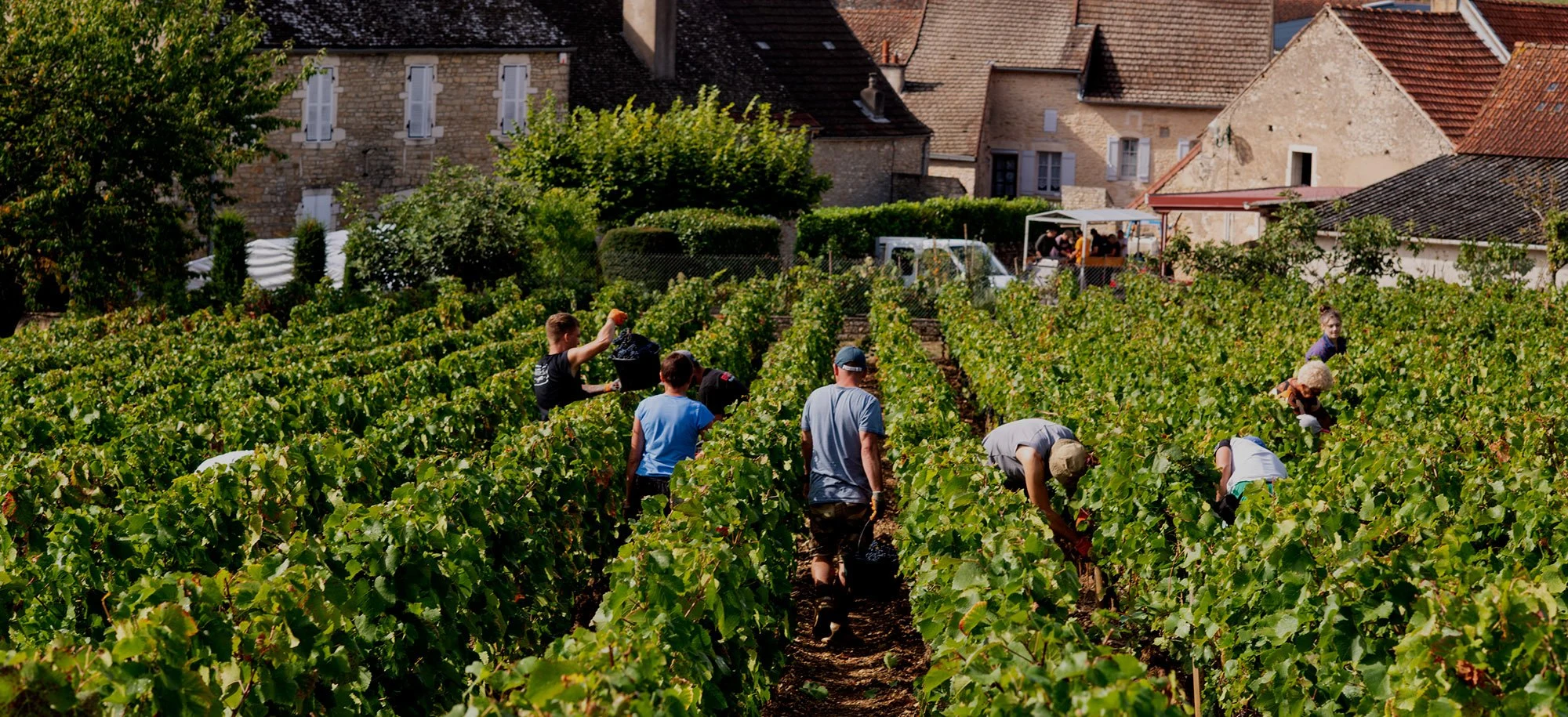
| Domaine Hubert Lamy | Saint-Aubin | · |
| Felton Road Wines | Bannockburn | World's 50 Best |
| Schloss Johannisberg | Geisenheim-Johannisberg | World's 50 Best |