- Falstaff Winery - Listed · 2026
Approaching wine in Bergbieten means reading quieter signals: gravelly limestone, clay-limestone terroir, and a village scale that makes a traditional Alsace winery feel close to the land. Domaine Roland Schmitt belongs to that register. The estate is associated with stainless-steel vinification and precise, characterful wines rooted in local soils. Its modest, rural setting makes a clear argument without overstatement: soil, cellar discipline, and continuity matter more here than turning a visit into performance.
This is a classic, quiet, rustic address, not a showpiece built around spectacle. Its appeal is direct: long family history, traditional Alsace winery identity, and wines framed by Bergbieten’s gravelly limestone and clay-limestone ground. For travelers who respond to understated places, that restraint is the point. Approach Domaine Roland Schmitt as a Bergbieten estate where the essential markers are local geology, family continuity, and a cellar style associated with clarity, not elaborate theatrics.
Gravelly limestone, stainless steel, and the Bergbieten argument
The serious reason to look at Domaine Roland Schmitt is terroir. Its reputation is tied to gravelly limestone and clay-limestone soils, which help define the estate’s character and give the wines a clear sense of place. In Alsace, those words are not background description; they are the vocabulary through which a winery like this is understood. The soils shape the domaine’s identity and give visitors a useful lens before tasting. Bergbieten’s appeal, in this reading, is not grandeur but specificity.
Stainless-steel vinification is part of the picture. Rather than leaning on decorative claims about format or service, understand the domaine through its traditional Alsace identity, quiet rural character, and focus on precision. Stainless steel matters because it points toward a cellar approach where freshness, definition, and a direct line to site remain central. It fits the broader tone of the address: practical, controlled, and more interested in expressing the material at hand than adding ornament.
Because detailed information about specific cuvées, grape range, farming certifications, tasting formats, and visitor arrangements is not available here, treat Domaine Roland Schmitt as a focused Bergbieten winery stop and confirm practical details directly before planning around it. That limitation matters. The domaine can still appeal, but accurately: as a traditional, place-led estate associated with stainless-steel vinification and local limestone-based soils, not a venue for extra assumptions. If building a day around it, verify what is currently offered rather than relying on a fixed expectation.
A family estate where history is useful, not decorative
Family history is part of Domaine Roland Schmitt’s identity. The domaine is best understood as a traditional Alsace winery with a long family background, not as a venue defined by luxury positioning or trend-driven claims. That distinction matters. Family history is not a glossy marketing flourish here; it explains why the estate reads as settled, rural, and closely tied to its village context. It gives the winery continuity, useful when thinking about wines intended to speak from a specific place.
The cellar point that can be stated with confidence is stainless-steel vinification. In the absence of fuller technical detail, that fact still orients expectations. It suggests wines to consider through precision and definition rather than assumptions about elaborate cellar styling, and reinforces the impression of a working Alsace address: traditional in identity, modest in tone, and anchored by the relationship between Bergbieten’s soils and cellar choices.
For a first encounter, look for the estate’s expression of Bergbieten, especially how its wines reflect gravelly limestone and clay-limestone terroir. Beyond that, check specific bottle recommendations against current availability. This is especially important because the strongest available information concerns the estate’s character rather than a fixed list of what to order. Let any visit or purchase be guided by what is actually being shown, while keeping the central question in mind: how clearly does the wine communicate the quiet, limestone-marked identity associated with this village?
How to place it in a Bergbieten wine day
Domaine Roland Schmitt suits drinkers seeking a quiet, classic Alsace winery experience in Bergbieten. It reads as rustic, traditional, and more about place than performance. That makes it a good fit for visitors who prefer small-scale context over polished staging, and who are comfortable with a winery whose appeal lies in restraint. The estate’s personality is not flashy; it is about entering Bergbieten on its own terms and paying attention to the local materials that shape the wines.
The estate’s price position is listed as $$, placing it in a moderate bracket. That helps orientation, but should not replace checking current details directly. In a Bergbieten wine day, the more important point is that the domaine sit in an accessible, traditional register rather than a luxury one. Consider it for character and locality, with financial expectations framed broadly and moderately.
For village planning, consider other dining in Bergbieten generically alongside Domaine Roland Schmitt, and confirm practical details directly before building an itinerary around the domaine. Use this address as one focused stop within a quiet local plan: a winery tied to family background, stainless-steel vinification, and the gravelly limestone and clay-limestone language of Bergbieten. Keep the schedule flexible, avoid assuming unconfirmed tasting structures, and let the estate’s understated strengths define the reason for going.
Questions
Frequently asked
Who works at Domaine Roland Schmitt?
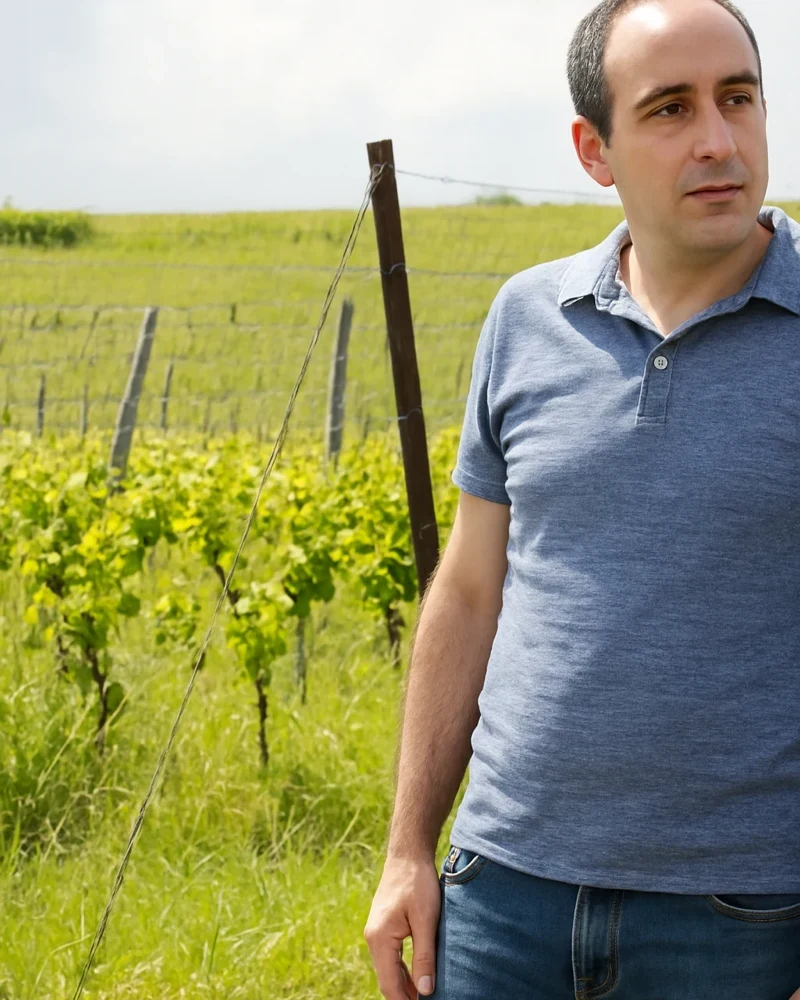
Made By profiles Anne-Marie Schmitt (Winemaker) at Domaine Roland Schmitt.
How expensive is Domaine Roland Schmitt?
Domaine Roland Schmitt is listed at a price level of $$.
The field
How it compares
| Place | Notes | Awards |
|---|---|---|
| Domaine Roland Schmitt | Bergbieten, $$ | · |
| Ardbeg | Port Ellen | · |
| Bodegas Muga | Haro | World's 50 Best |
| Château Les Carmes Haut-Brion | Bordeaux | · |
| Château Troplong Mondot | Saint-Laurent-des-Combes | · |
| Craggy Range | Hastings | World's 50 Best |
| Domaine Bruno Clair | Marsannay-la-Côte | · |