- Macarfi 7.4 Food Rating · 2026
- Opinionated About Dining Casual in Europe Recommended · 2026
- Opinionated About Dining Casual in Europe Ranked #811 · 2025
Chamartín's Approach to the Modern Spanish Meal
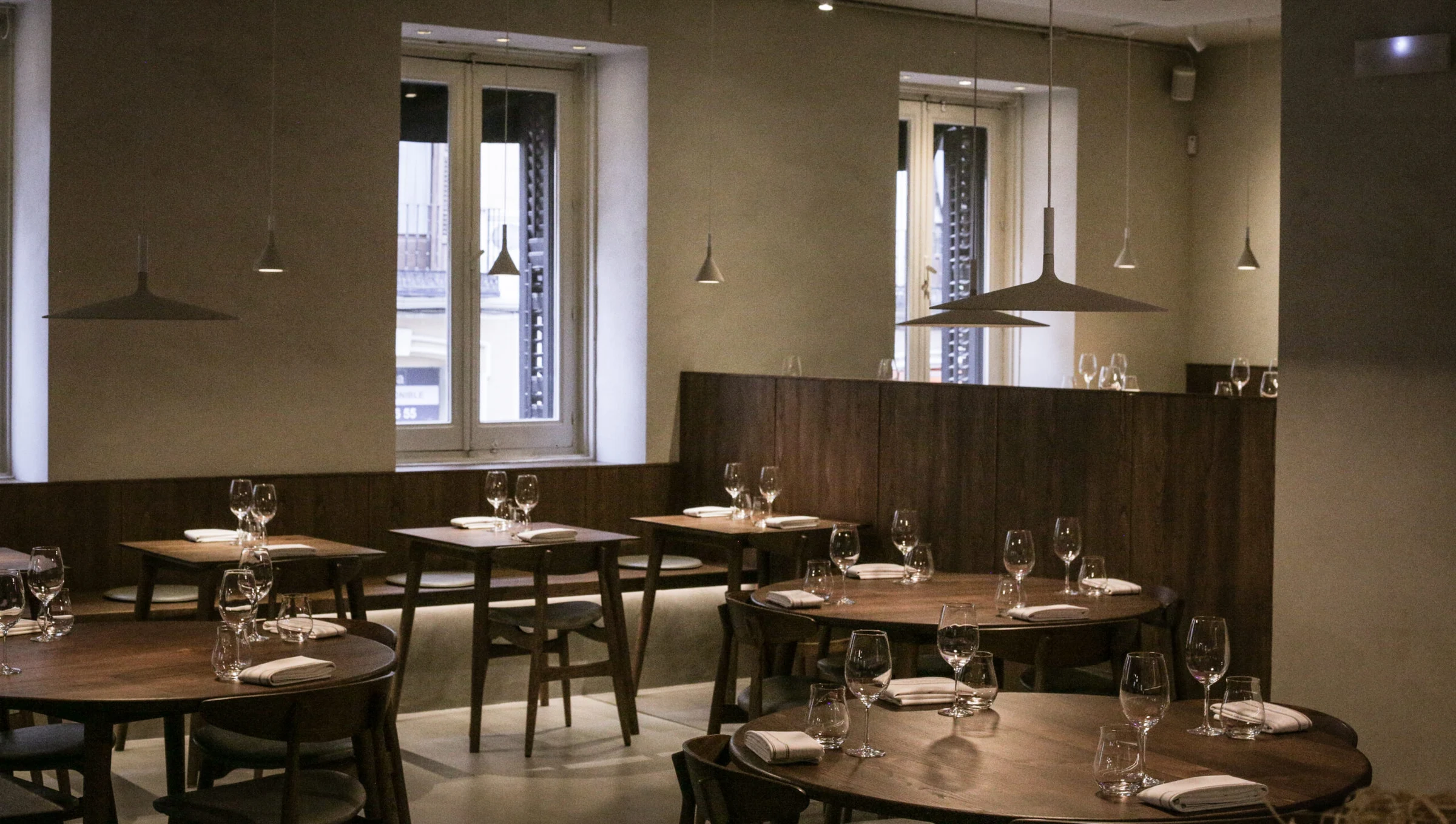
Madrid's northern residential districts have long operated on different rhythms from the tourist-dense centre. In Chamartín, on Calle del Príncipe de Vergara, the dining room at El Lince reflects the way the city's middle-tier restaurant scene has matured: away from the theatrical tasting menus of DiverXO (Progressive - Asian, Creative) and toward a more measured, ingredient-led register that treats lunch and dinner as daily practice rather than occasion. This is the territory where modern Spanish cooking does its quieter, arguably more instructive work.
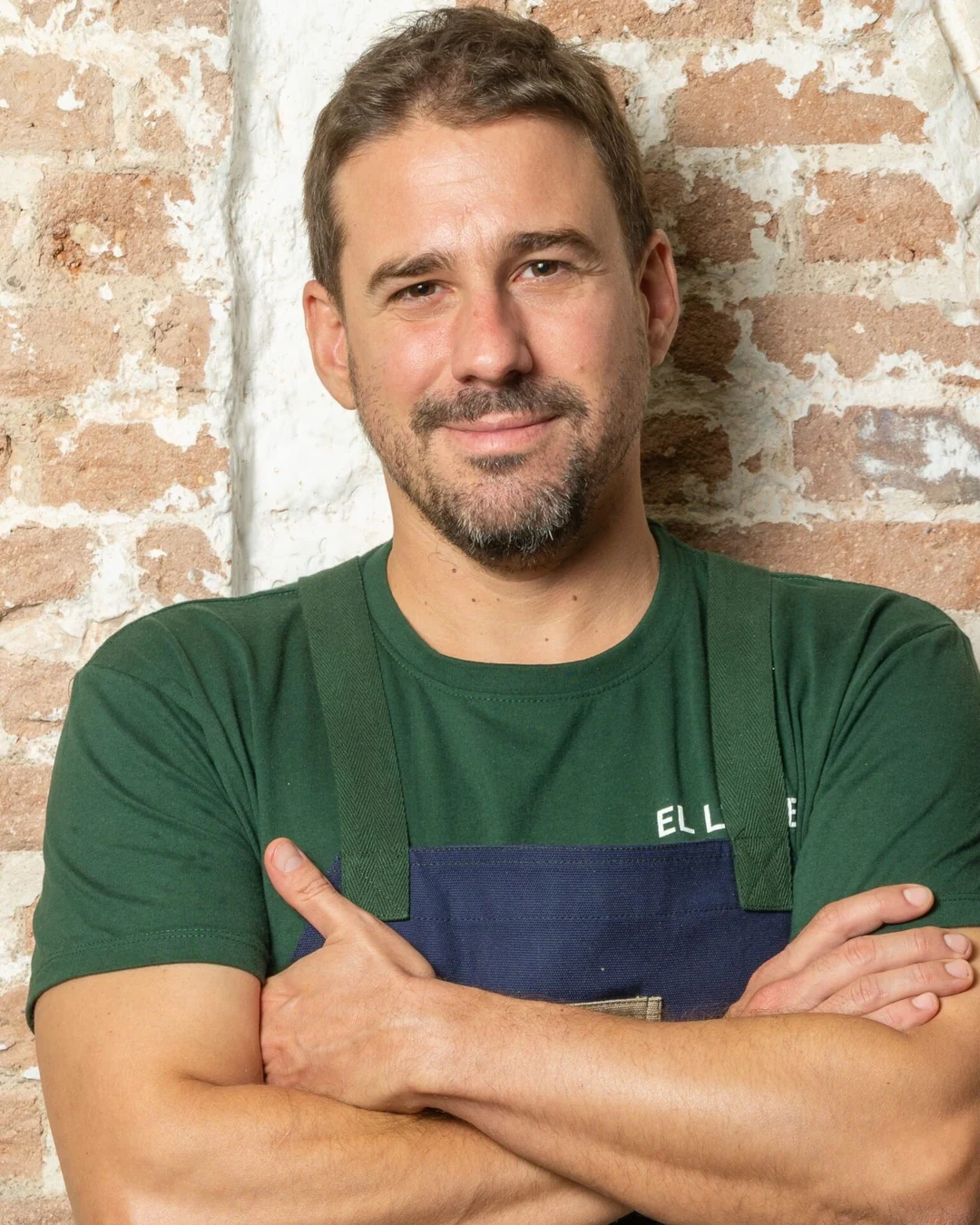
The broader shift in Madrid's restaurant culture over the past decade has been toward this kind of restaurant: neither a casual tapas bar nor a Michelin-starred production, but a considered middle ground where technique informs the plate without dominating the conversation. Javi Estévez leads the kitchen here, and his presence places El Lince in a cohort of chef-driven addresses where the cooking has a clear point of view but the format stays accessible. The 2025 Opinionated About Dining Casual in Europe ranking at position 811 confirms the room's standing within a large, competitive European field.
The Ritual of the Meal Here
Spanish dining culture operates on pacing conventions that visitors from northern Europe or North America often underestimate. Lunch, traditionally the main meal of the day, runs well into the afternoon in Madrid, and the expectation in a restaurant like this is that you are not being rushed toward a second sitting. The meal at El Lince fits that rhythm: courses arrive with spacing that allows conversation, wine to breathe, and flavour to register. This is not a room where the kitchen is performing for your attention; it is one where the cooking is expected to be noticed through engagement rather than spectacle.
That etiquette extends to the order in which dishes arrive and the role that bread, olive oil, and early plates play as signals of what follows. Modern Spanish cooking at this level often uses initial courses to calibrate the guest: acidity, texture, and temperature choices in the early plates establish what kind of cooking the kitchen is doing that day. This is a dining tradition with deep roots in the meseta's produce cycles, and a restaurant like El Lince sits downstream of that tradition even when it applies contemporary technique.
Within Madrid's spectrum of modern Spanish addresses, this sits closer to the approach of Haroma and Restaurante Montia than to the more elaborate tasting formats found at A'Barra Restaurante y Barra Gastronómica, which occupies a higher price tier with an extended counter format.
Where El Lince Sits in Madrid's comparable set
Madrid's restaurant scene is frequently discussed at its extremes: the three-Michelin-star tier represented by DiverXO, or the traditional tabernas that have operated for generations. The more instructive comparison set for El Lince is the mid-range chef-driven room, a category that has expanded considerably as Spanish cooks who trained in starred kitchens have opened places designed for more frequent visits. A 4.6 Google rating across 916 reviews is a stable signal of consistent delivery.
Spain's wider fine-dining circuit provides useful coordinates. At one end, addresses like El Celler de Can Roca in Girona, Arzak in San Sebastián, and Azurmendi in Larrabetzu operate as institutional reference points for what Spanish cooking can achieve at full creative extension. At the other end, neighbourhood restaurants serve as the daily infrastructure of Spanish food culture. El Lince, operating as a casual modern Spanish room in Chamartín, functions closer to that daily infrastructure register while applying the discipline of trained cooking. Comparable positions are held by Martin Berasategui in Lasarte-Oria at the starred extreme of the Basque tradition, or Cocina Hermanos Torres in Barcelona as another example of how chef-driven kitchens have shaped Spain's contemporary restaurant identity in regional capitals.
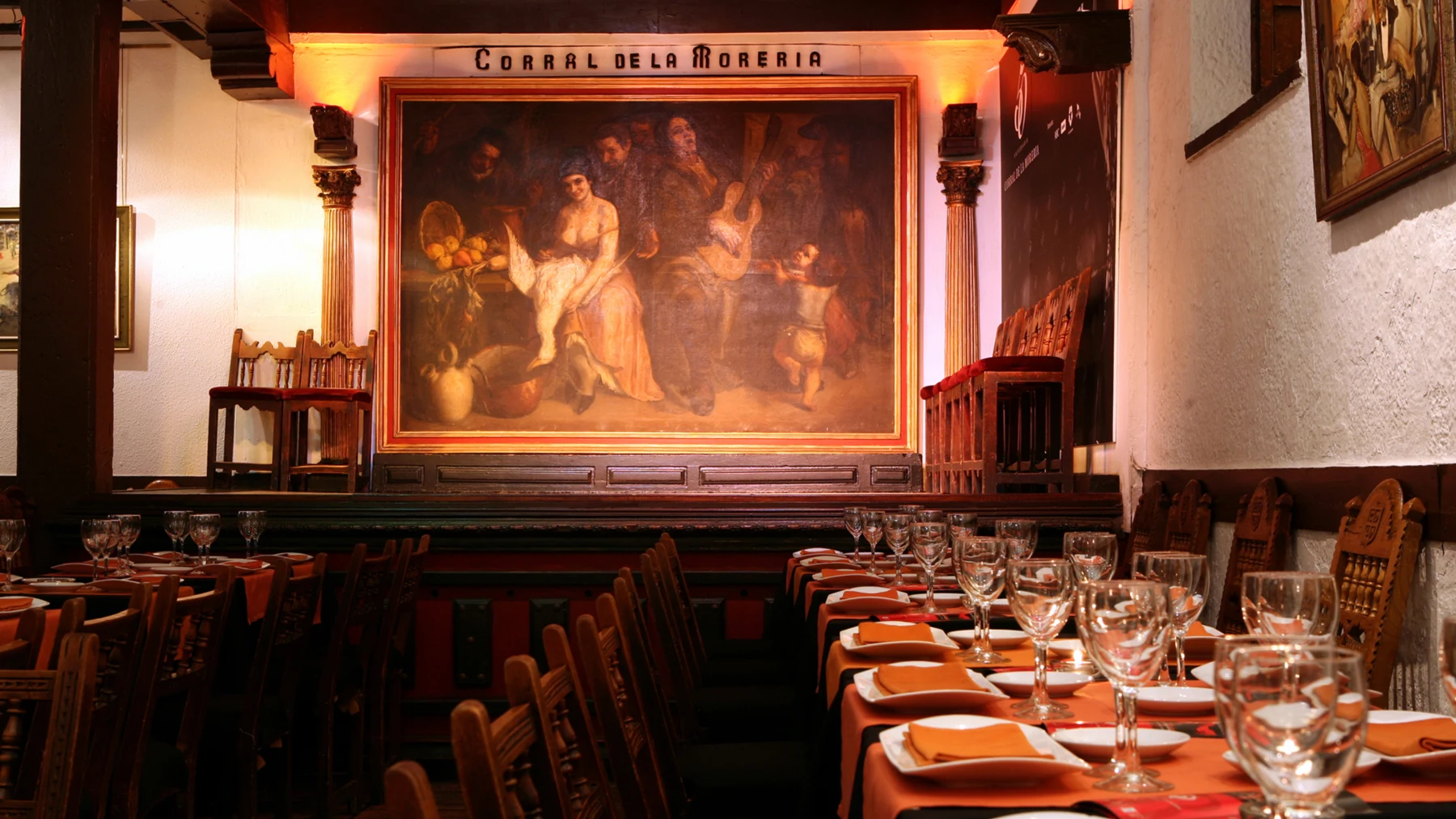
Madrid's international visitors sometimes overlook the Chamartín district in favour of the central barrios, but the address on Calle del Príncipe de Vergara is straightforwardly accessible by metro. Visitors planning a broader Madrid evening might pair a meal here with a later stop at Corral de la Morería, though the temperamental contrast between modern Spanish dining and traditional flamenco tablao is considerable and deliberate.
Seasonality and When to Visit
Madrid's restaurant calendar follows Spain's produce logic: autumn brings game, mushroom, and root vegetable cooking; spring shifts toward younger vegetables and lighter protein treatments; summer sees a thinning of the city's serious restaurant crowd as locals depart and tourist traffic fills the central venues. A restaurant like El Lince, in a residential district with a local customer base, tends to hold its form through summer better than the more tourist-dependent central rooms, though autumn and winter are when the cooking tradition it draws on is most fully expressed.
Booking should be approached with the assumption that a well-rated chef-driven room in Madrid fills quickly for Friday and Saturday dinner. Mid-week lunch, by contrast, is where the Spanish dining tradition is most itself: longer, less formal, and often where a kitchen's real capabilities are visible without the performance pressure of weekend service.
Planning Your Visit
El Lince is located at Calle del Príncipe de Vergara, 289 in the Chamartín district, 28016 Madrid. The Chamartín metro station and surrounding transport links make the address reachable from central Madrid without significant difficulty.
For those tracking modern Spanish cooking across regions, the tradition represented here has parallels in 55 Pasos in A Coruña and in international expressions like Basque Kitchen by Aitor in Singapore, which demonstrates how the Spanish culinary framework travels. Closer to Chamartín's register, Aponiente in El Puerto de Santa María represents the starred end of the chef-driven Spanish spectrum, useful as a point of contrast when calibrating where casual modern Spanish rooms fit in the broader hierarchy.
Questions
Frequently asked
Who works at El Lince?
Made By profiles Javi Estévez (Chef) at El Lince.
How expensive is El Lince?
El Lince is listed at a price level of $$.
Where is El Lince and what does it serve?
El Lince is in Nueva Espana, Madrid, serving Traditional Spanish Offal Cuisine.
The field
How it compares
| Place | Cuisine | Notes | Awards |
|---|---|---|---|
| El Lince | Traditional Spanish Offal Cuisine | Nueva Espana, $$ | · |
| Coque | Modern Spanish Fine Dining | Madrid | Michelin 2 Stars |
| Corral de la Morería | Modern Spanish Fine Dining with Flamenco | Madrid | Michelin 1 Star |
| Desde 1911 | Premium Seafood Fine Dining | Madrid | Michelin 1 Star |
| DiverXO | Avant-Garde Spanish Tasting Menu | Madrid | Michelin 3 Stars, World's 50 Best |
| DSTAgE | Avant-Garde Spanish Tasting Menus | Madrid | Michelin 2 Stars |
| Paco Roncero | Avant-Garde Spanish Fine Dining | Madrid | Michelin 2 Stars |
In residence
Similar places
Modern Spanish Fine Dining
Coque
Madrid, Spain
★★
Modern Spanish Fine Dining with Flamenco
Corral de la Morería
Madrid, Spain
★
Premium Seafood Fine Dining
Desde 1911
Madrid, Spain
★
Avant-Garde Spanish Tasting Menu
DiverXO
Madrid, Spain
★★★ · 50 Best
Avant-Garde Spanish Tasting Menus
DSTAgE
Madrid, Spain
★★
Avant-Garde Spanish Fine Dining
Paco Roncero
Madrid, Spain
★★