
- Falstaff Winery - 3 Stars · 2026
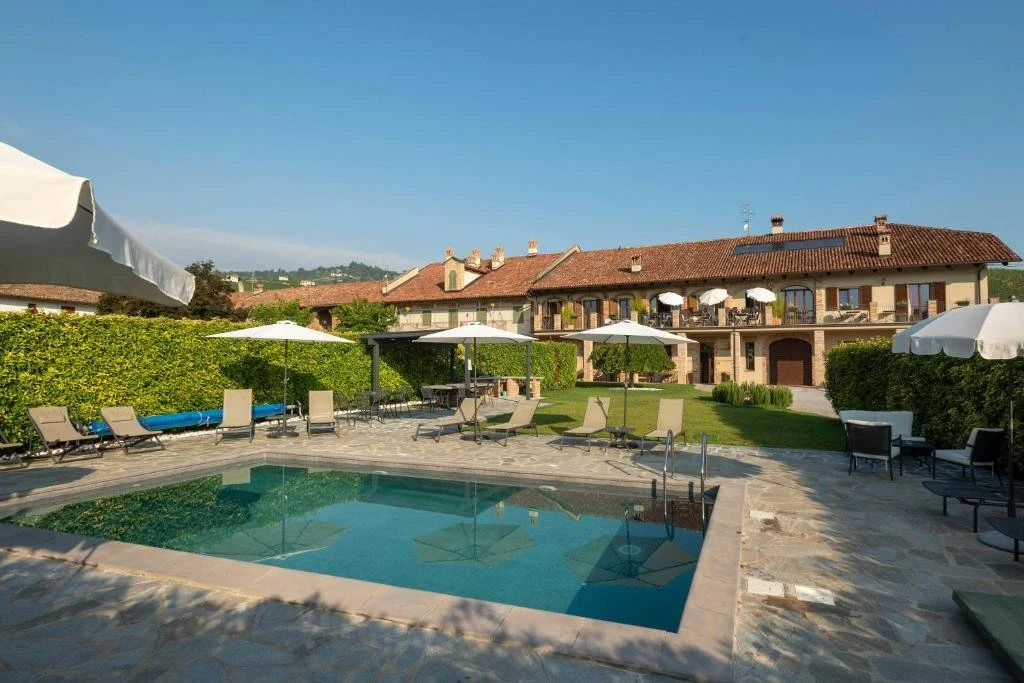
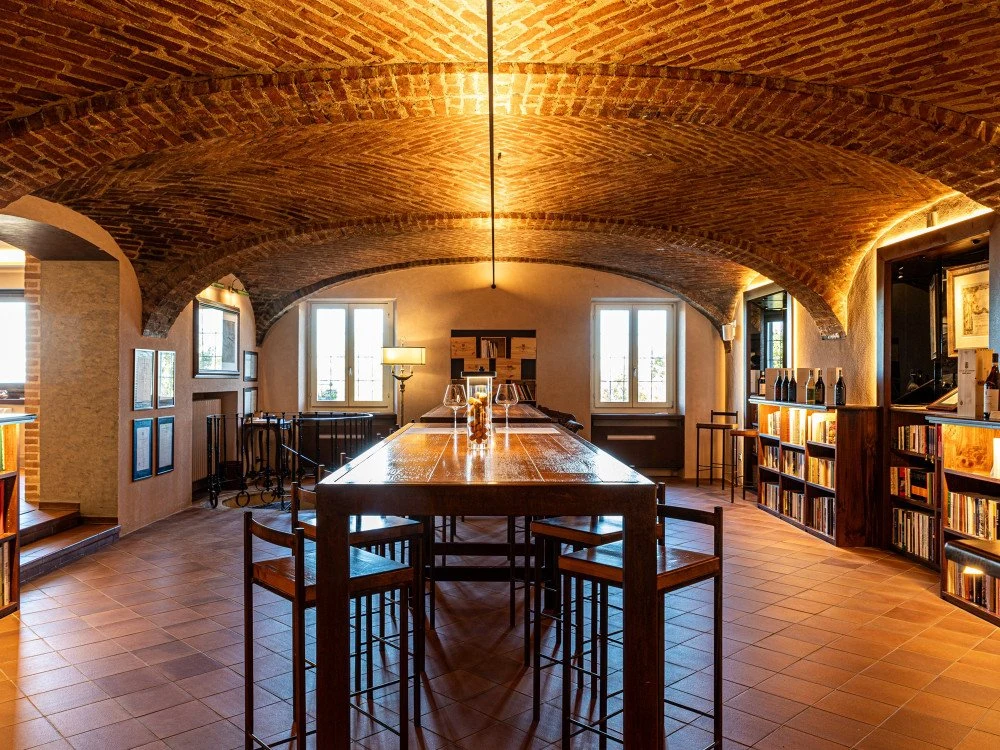
Enzo Boglietti is a family-run winery in La Morra, set within the hills and presented with a modern, linear design identity. The appeal is quiet rather than showy: an elegant, rustic-modern atmosphere built around the setting and a focus on high-quality wines. It reads as the kind of place where the surroundings, the family-run character and the wines themselves do most of the work, without needing a dramatic concept or a heavily staged experience.
What can be said with confidence is that Enzo Boglietti fits travellers looking for a calm winery experience in La Morra rather than a loud or highly theatrical venue. The available information points toward restraint, clarity and a composed sense of place. For visitors who prefer a winery stop to feel grounded in its landscape, and who are drawn to an atmosphere that is polished but not flashy, that is the main reason to keep it on the shortlist.
La Morra winery atmosphere shaped by calm design
The strongest signal is the setting and tone. Enzo Boglietti presents as a family-run winery with a quiet, elegant and rustic-modern feel. Its design language is modern and linear, while the broader mood remains connected to the La Morra hills. That balance matters: the venue is not described as old-fashioned, but it also does not sound detached from its rural surroundings. The modernity sit alongside the landscape rather than overwhelm it.
The venue is best understood as a wine-focused stop rather than a restaurant or bar. In practical terms, that means the central expectation should be the winery itself: the atmosphere, the setting and the emphasis on wine quality. It is not the right frame to approach it as a place defined by a dining programme, nightlife energy or a bar-led social scene, because the available description does not support that reading.
For readers comparing La Morra options, Enzo Boglietti stands out on atmosphere: restrained, elegant and rooted in a winery setting. That makes it a good fit for travellers who value calm surroundings and a high-quality wine focus over spectacle. The understated profile is part of the attraction. Rather than promising a broad list of extras, the venue’s appeal is more concentrated: a family-run winery in the hills, with a composed visual identity and a quiet sense of hospitality implied by the setting.
A family-run winery in the La Morra hills
Enzo Boglietti’s identity is simple: a family-run winery atmosphere in La Morra with a focus on elegant, high-quality wines. The surrounding hills are part of the experience, and the style is described as quiet, rustic and modern. Those details give the place a clear editorial shape even without a long list of specifications. It is a venue to consider for its mood and setting as much as for the wines, because the two are presented as closely linked.
The family-run aspect also gives the winery a more personal frame, without needing to add unsupported detail about the people behind it. In a destination like La Morra, that kind of identity can help travellers distinguish between venues that may otherwise appear similar at a distance. Here, the reliable description is not about scale or spectacle, but about a quieter winery character: modern in design, rustic in atmosphere and connected to the hills around it.
No confirmed award, certification, production scale, vineyard list or founding history is available in the available information. Rather than fill those gaps with assumptions, the practical takeaway is to treat Enzo Boglietti as a calm La Morra winery stop and confirm any detailed wine, tour or booking information directly. That is especially important for travellers building a precise itinerary, because the broad character is clear while the operational details are not. The safest approach is to use the venue’s atmosphere and wine focus as the reason for interest, then check the specifics before committing.
The price level is listed as $$. That suggests it should be considered in a moderate price frame, while still leaving the exact cost of any visit, tasting or purchase to be confirmed directly with the winery. Since no further pricing detail is provided, it is best not to read more into the symbol than it can reliably support.
How to place it in a La Morra wine itinerary
La Morra rewards a slower pace, and Enzo Boglietti suits that kind of itinerary. Build time around the setting, the family-run character and the quiet, elegant atmosphere rather than assuming a particular format or duration. The point is not to rush through it as a checklist stop, but to treat it as a measured winery visit where the calm surroundings and high-quality wine focus are central to the experience.
If comparing options in the area, keep the comparison general and verify details before visiting. Enzo Boglietti is the only named venue with information in this guide, and its most reliable draw is its calm winery atmosphere in La Morra. It is best placed in an itinerary for travellers who want a composed, wine-led pause in the hills, with modern, linear design and a rustic-modern tone supporting the overall sense of place.
Questions
Frequently asked
Who works at Enzo Boglietti?
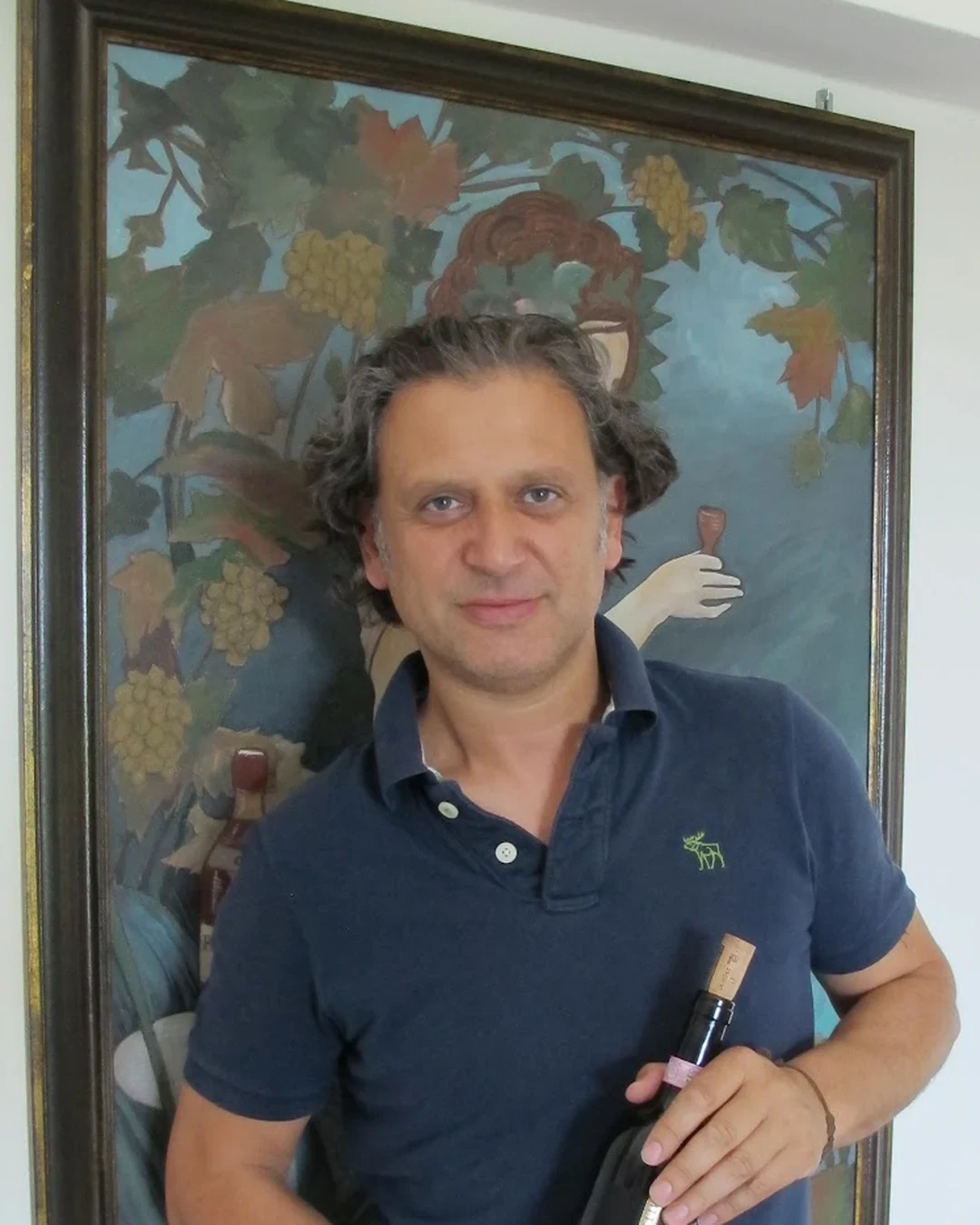
Made By profiles Enzo Boglietti (Winemaker) at Enzo Boglietti.
How expensive is Enzo Boglietti?
Enzo Boglietti is listed at a price level of $$.
The field
How it compares
| Place | Notes |
|---|---|
| Enzo Boglietti | La Morra, $$ |
| Cascina Rocca – Franco Molino | La Morra |
| Negretti | La Morra |
| Oddero | La Morra |
| Poderi Gianni Gagliardo | La Morra |
| Rocche Costamagna | La Morra |
| Trediberri | La Morra |