- New York Times Best Restaurants in New York City #57 · 2026
- Opinionated About Dining Casual in North America Ranked #46 · 2026
- Opinionated About Dining Casual in North America · 2025
- New York Magazine The 43 Best Restaurants in New York · 2025
- New York Times Best Restaurants in New York City · 2025
Where Bushwick Meets the Persian Table
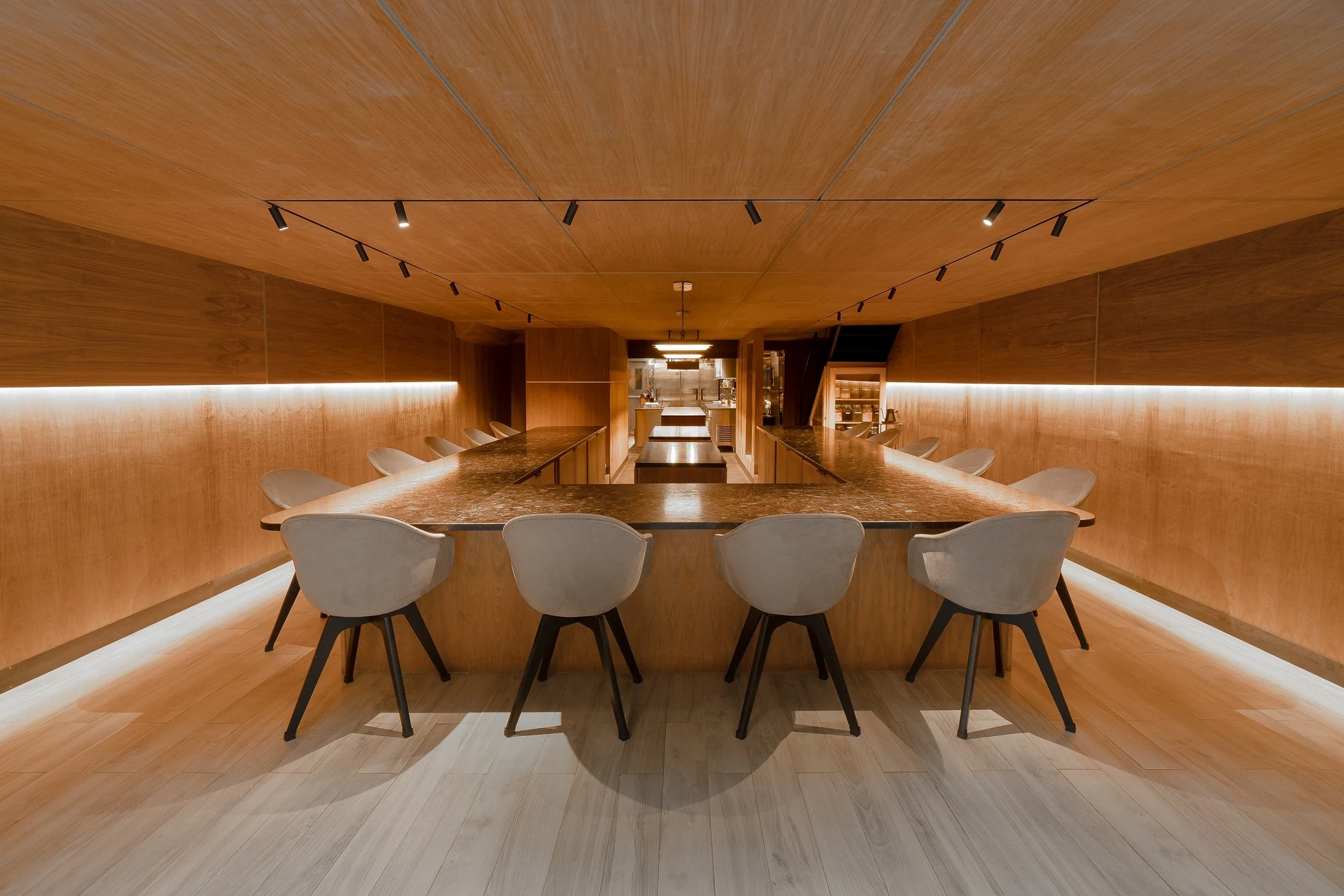
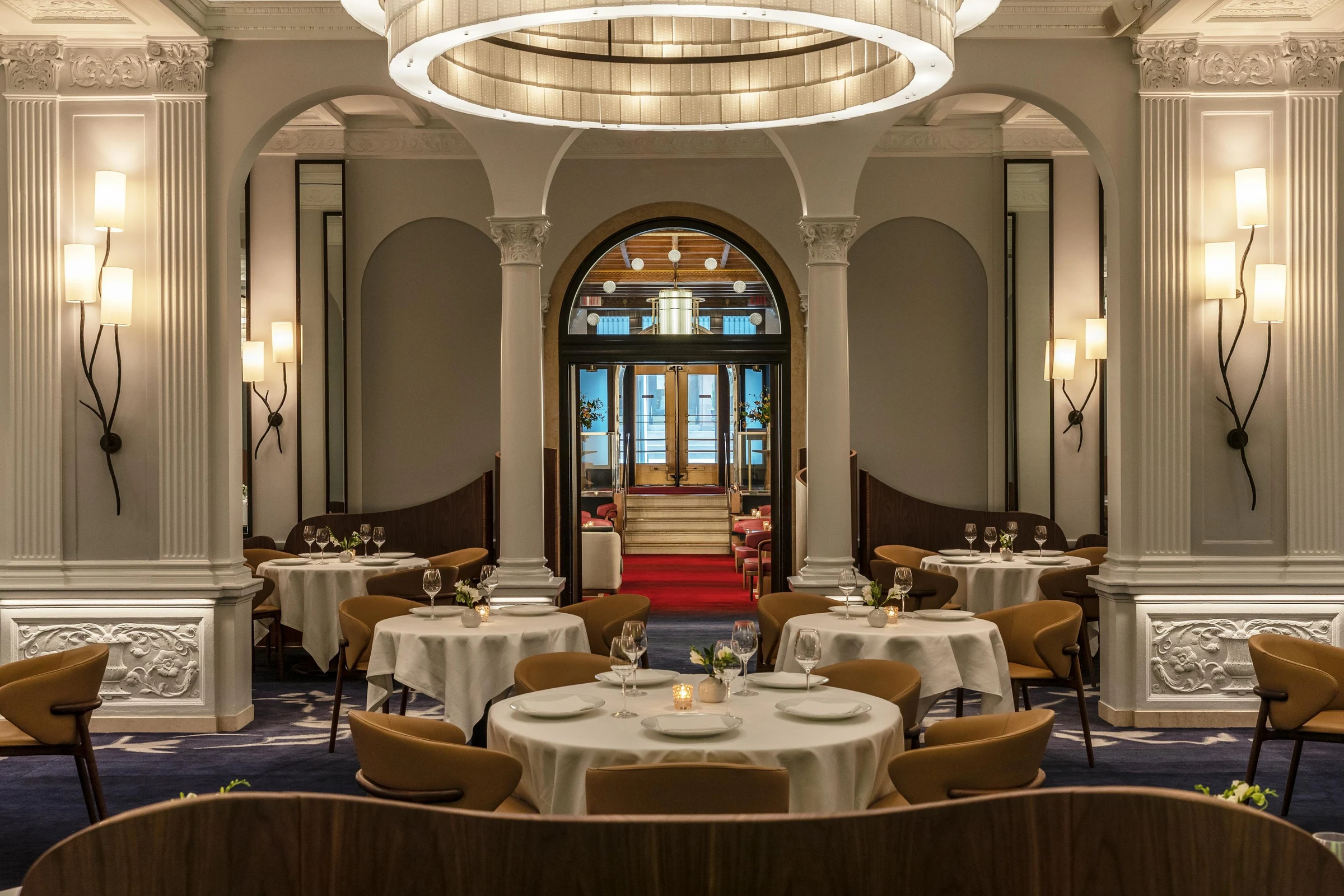
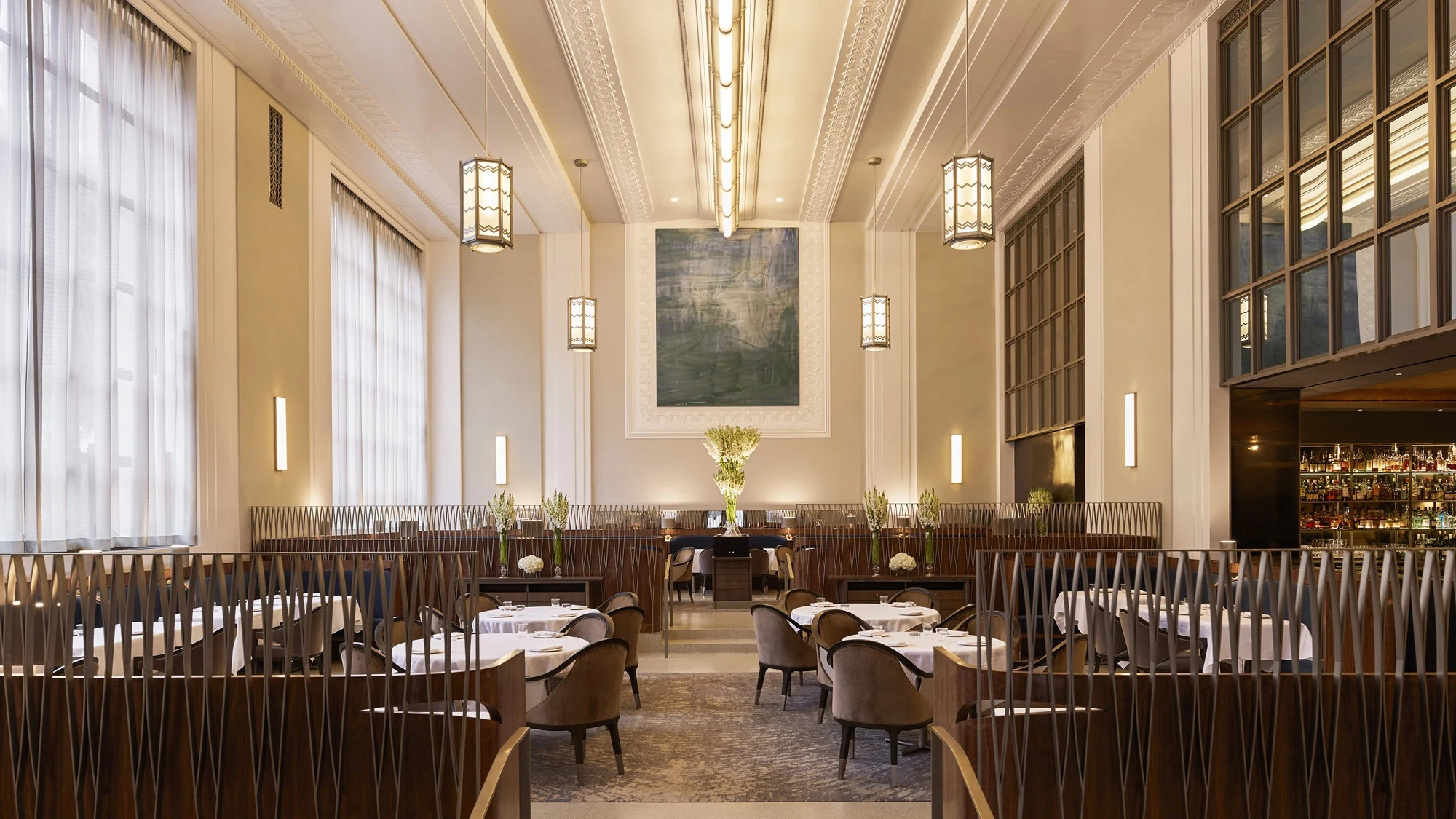
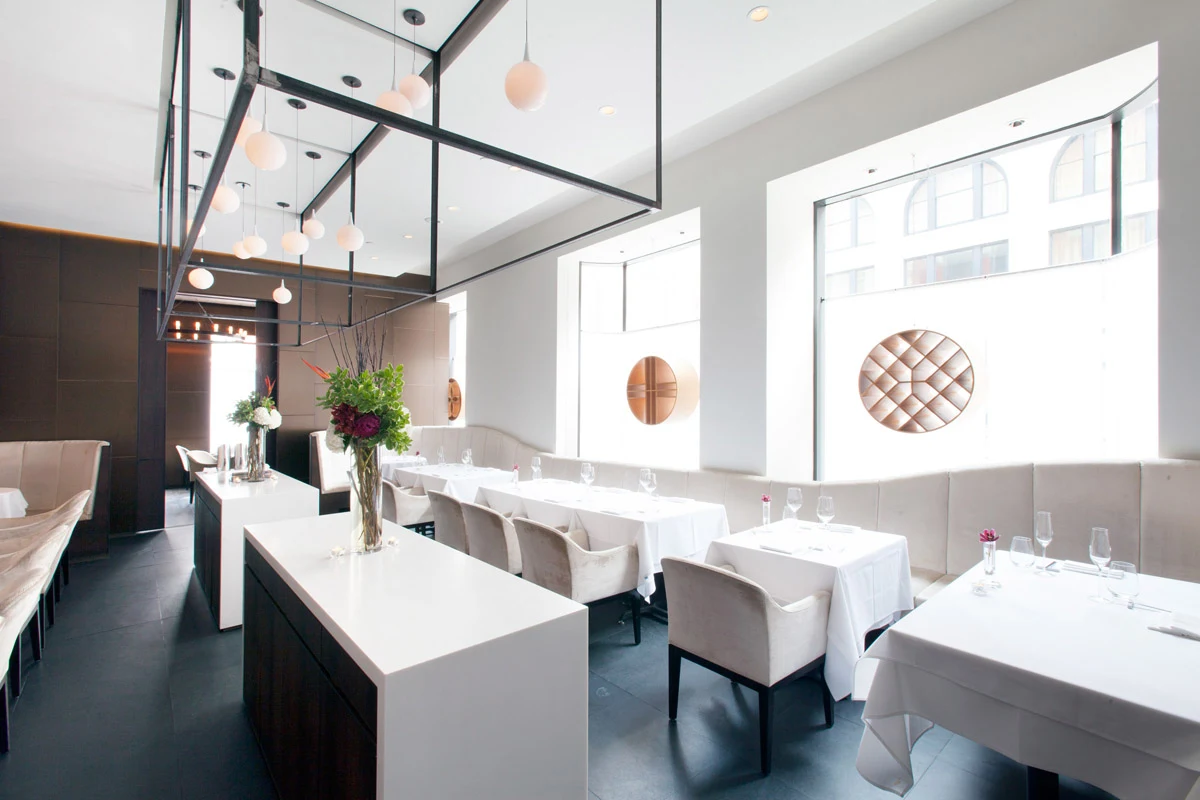
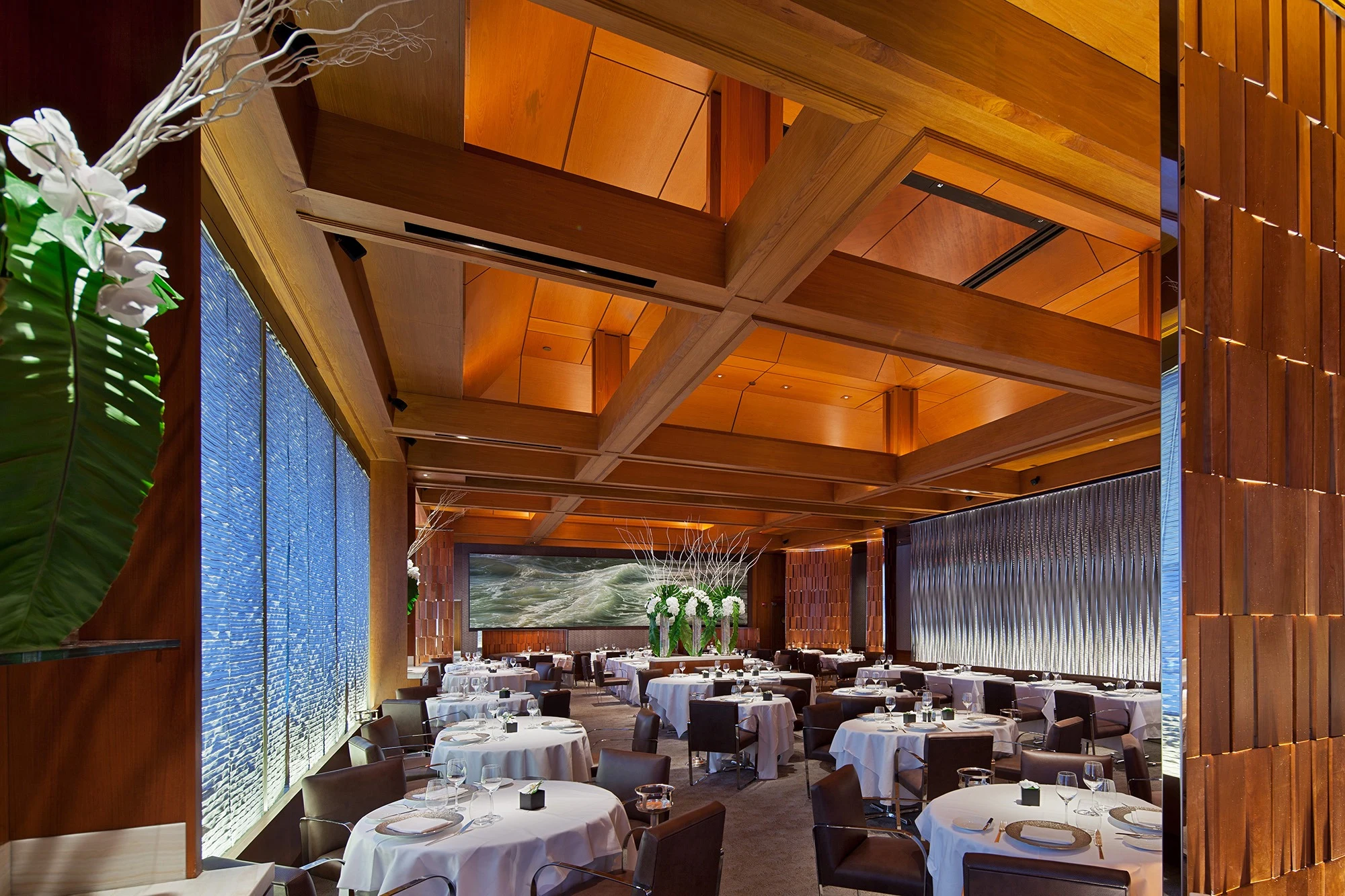
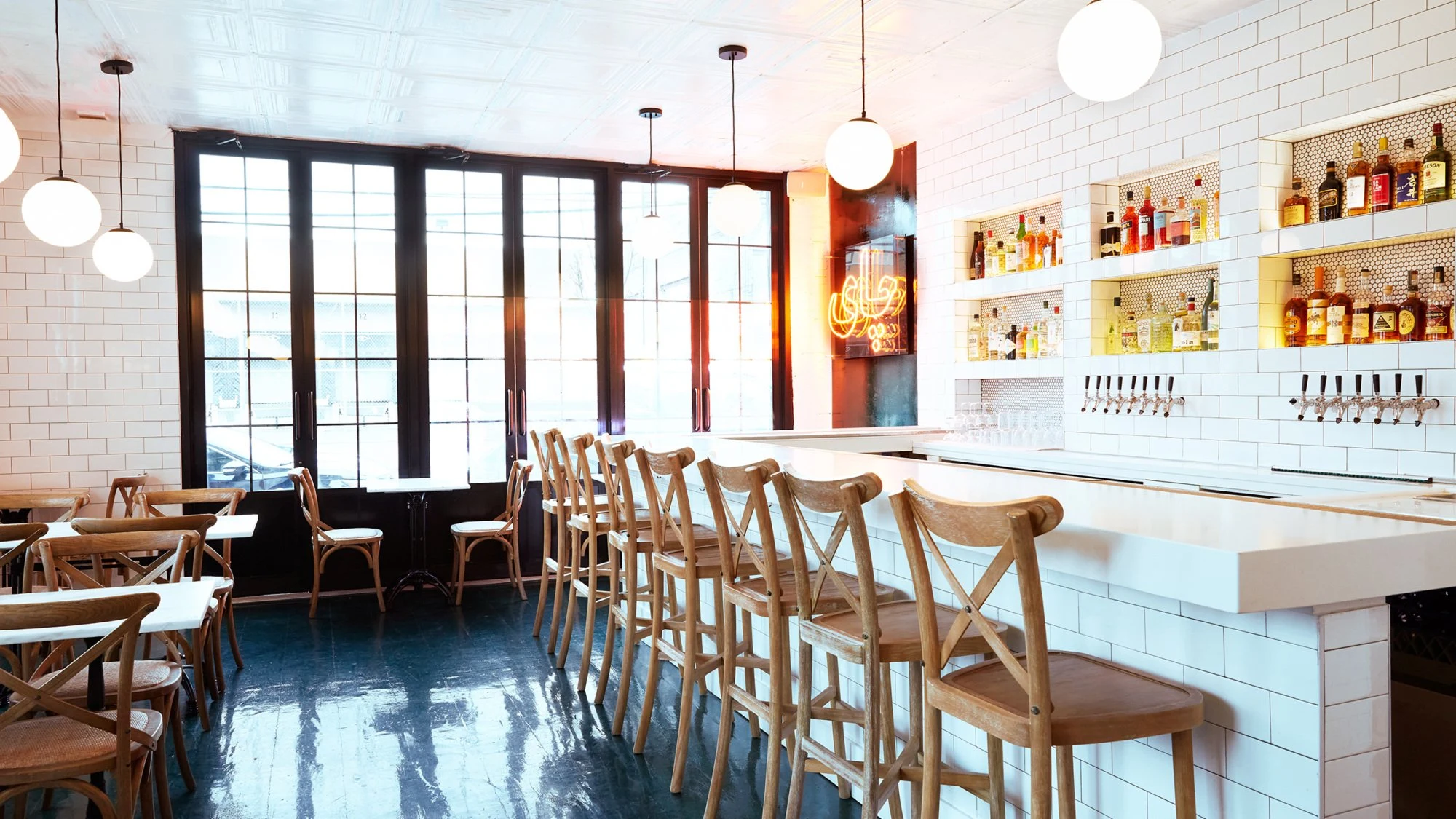
Bogart Street sits at the quieter eastern edge of Bushwick, far enough from the Morgan Avenue bar strip that the block still carries industrial residue, loading docks, chain-link, old warehouse facades. It is not, on first approach, obvious restaurant territory. That tension between setting and what happens inside is part of what gives Eyval its character. Persian cooking in New York has generally clustered in neighbourhood enclaves or presented itself through the warm, home-style register that made places like Sofreh in Prospect Heights a touchstone. Eyval lands in a different register: lower-lit, more deliberately curated, younger in its references without losing grip on the flavour logic that makes Persian food worth taking seriously.
The Flavour Architecture
Persian cooking is built on contrast management, the interplay of sour, sweet, bitter, and aromatic that comes from a pantry stocked with pomegranate molasses, dried limes, saffron, turmeric, and fresh herbs in quantities that would alarm a Western mise en place. Most cuisines treat one axis of contrast at a time. Persian cooking often runs three or four simultaneously, and the skill is in keeping each one legible. Opinionated About Dining's 2025 recognition of Eyval as a Casual standout in North America specifically noted the way Chef Ali Saboor handles tamarind, tahini, saffron, sumac, and pomegranate, flavours that can easily collapse into muddy sweetness or aggressive acidity in less controlled hands. The food at Eyval reads as alive in the sense that contrasts remain distinct: cool against warm, crunchy against creamy, sour cutting through fat. That kind of plate discipline is what separates a kitchen that understands a cuisine structurally from one that merely replicates its recipes.
Saboor's prior position at Sofreh is a useful reference point for the city's Persian dining arc. Sofreh established a vocabulary of Persian-American cooking that New York had not clearly articulated before it opened. Eyval, operating from a different borough and a different physical context, takes that vocabulary and runs it through a more contemporary filter, what New York Magazine's 2025 list of the 43 best restaurants in the city described as a younger, hipper sensibility. That is a description of what can happen when a tradition is absorbed and then re-expressed rather than simply repeated. For comparison, consider the distance between Persepolis on the Upper East Side and what Eyval represents in Bushwick, different eras, different intended audiences, different relationships to the cuisine's formal and informal registers.
The Wine Program as Editorial Statement
The detail that sharpens Eyval's identity most clearly is the skin-contact wine list. Opinionated About Dining's citation called out specifically the restaurant's ability to select a knockout skin-contact wine, a pointed editorial endorsement of a curation approach, not just a mention of a wine list's existence.
Skin-contact wines, also called orange wines, are white or rosé wines fermented with extended maceration on their grape skins, producing tannins, oxidative notes, and aromatic complexity that most white wines lack. The format has been a fixture in natural wine circles for over a decade, but matching it to a cuisine is a different exercise than simply stocking bottles. Persian food's flavour architecture, its dried fruit notes, its acidity, its roasted spice register, pairs with skin-contact wines more naturally than it does with the clean, cool-fermented whites that dominate most restaurant lists. A correctly chosen amber wine from, say, the Caucasus or Friuli will mirror pomegranate reduction and saffron-braised rice in a way that a Chablis or even a Riesling rarely achieves. Eyval appears to have built its list around this logic, with the wine program functioning as an extension of the food's thinking rather than as a separate category exercise.
Eyval sits within a broader shift in how New York's mid-tier serious restaurants treat wine. The $$$$ tier, represented locally by rooms like Le Bernardin, Atomix, and Eleven Madison Park, employs full-time sommeliers with deep cellar infrastructure. Eyval operates at a lower price point and without that apparatus, yet the recognition of its wine selections suggests it has found a more targeted version of the same intentionality, specificity of pairing over breadth of inventory. For readers comparing ambitious casual restaurants across American cities, the parallel to how Lazy Bear in San Francisco or Single Thread Farm in Healdsburg approach beverage integration at different price tiers is instructive.
Persian Cooking's New York Position in 2025
Persian restaurants in American cities have historically operated below the critical radar that follows Japanese, Korean, or French kitchens. The cuisine's complexity is not in question, a country that produced the layered stews of khoresh, the rice technique of tahdig, and the herb-dense noodle soups of ash has more technical depth than most Western fine dining traditions acknowledge. What has changed in New York recently is the critical infrastructure around Persian food: writers, awards bodies, and curators now apply the same evaluative frameworks they use for other cuisines. Eyval's dual appearance on Opinionated About Dining's North America casual list and New York Magazine's 43-restaurant ranking in the same year is evidence of that shift landing in one address.
Planning a Visit
Eyval sits at 25 Bogart St, Brooklyn, NY 11206. The L train to Morgan Avenue is the standard approach. Reservations are essential; walk-in availability tends to narrow on weekends. Google's 4.6 rating across 926 reviews is consistent with a kitchen running at a high level of execution without significant variance complaints.
| Venue | Cuisine | Price Tier | Booking Lead Time | Notable For |
|---|---|---|---|---|
| Eyval (Bushwick) | Persian | Casual / Mid | Moderate (book ahead on weekends) | Skin-contact wine curation; contrast-driven Persian cooking |
| Sofreh (Prospect Heights) | Persian | Mid | Moderate | Home-style Persian; established NYC reference point |
| Persepolis (Upper East Side) | Persian | Mid | Easy | Long-running UES Persian dining |
| Atomix (Midtown) | Modern Korean | $$$$ | Several months | Michelin 2-star; comparable critical tier for non-Western fine dining |
Questions
Frequently asked
Who works at Eyval?
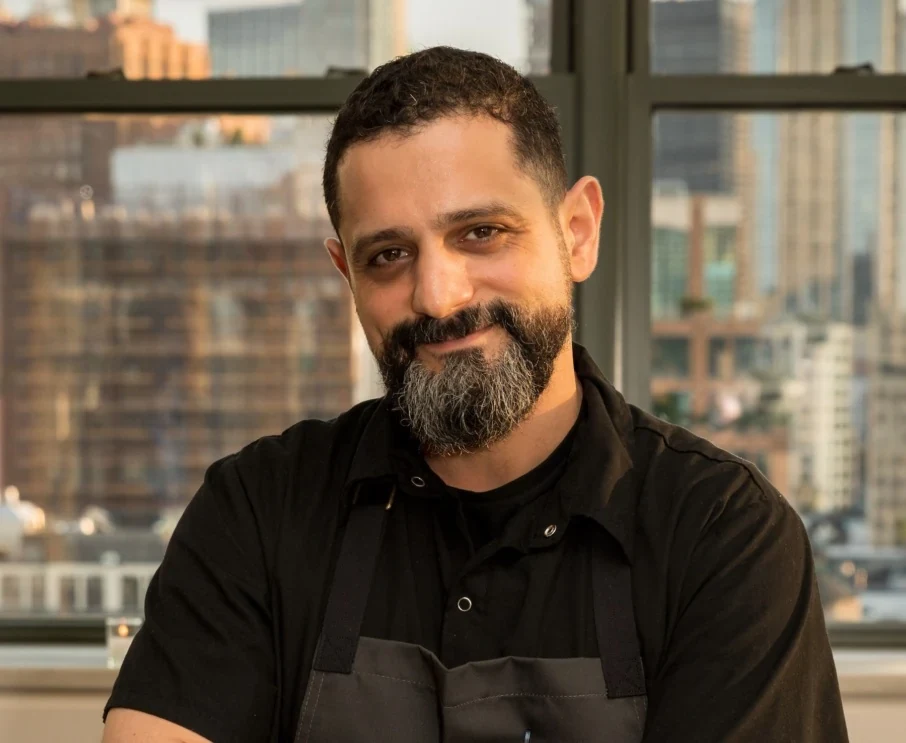
Made By profiles Ali Saboor (Chef) at Eyval.
How expensive is Eyval?
Eyval is listed at a price level of $$$.
Where is Eyval and what does it serve?
Eyval is in East Williamsburg, New York City, serving Modern Persian.
The field
How it compares
| Place | Cuisine | Notes | Awards |
|---|---|---|---|
| Eyval | Modern Persian | East Williamsburg, $$$ | · |
| Atomix | Modern Korean Tasting Menu | New York City | Michelin 2 Stars, World's 50 Best |
| Daniel | Modern French Fine Dining | New York City | Michelin 1 Star, World's 50 Best |
| Eleven Madison Park | Contemporary Plant-Based Fine Dining | New York City | Michelin 3 Stars, World's 50 Best |
| Jungsik New York | Modern Korean Fine Dining | New York City | Michelin 3 Stars, World's 50 Best |
| Kabawa | Modern Caribbean Prix Fixe | New York City | World's 50 Best |
| Le Bernardin | French Seafood Fine Dining | New York City | Michelin 3 Stars, World's 50 Best |
In residence
Similar places
Modern Korean Tasting Menu
Atomix
New York City, United States
★★ · 50 Best
Modern French Fine Dining
Daniel
New York City, United States
★ · 50 Best
Contemporary Plant-Based Fine Dining
Eleven Madison Park
New York City, United States
★★★ · 50 Best
Modern Korean Fine Dining
Jungsik New York
New York City, United States
★★★ · 50 Best
Modern Caribbean Prix Fixe
Kabawa
New York City, United States
50 Best
French Seafood Fine Dining
Le Bernardin
New York City, United States
★★★ · 50 Best