Ribolla held to vine capacity
- Falstaff Winery - Listed · 2026
Crop held to the vine
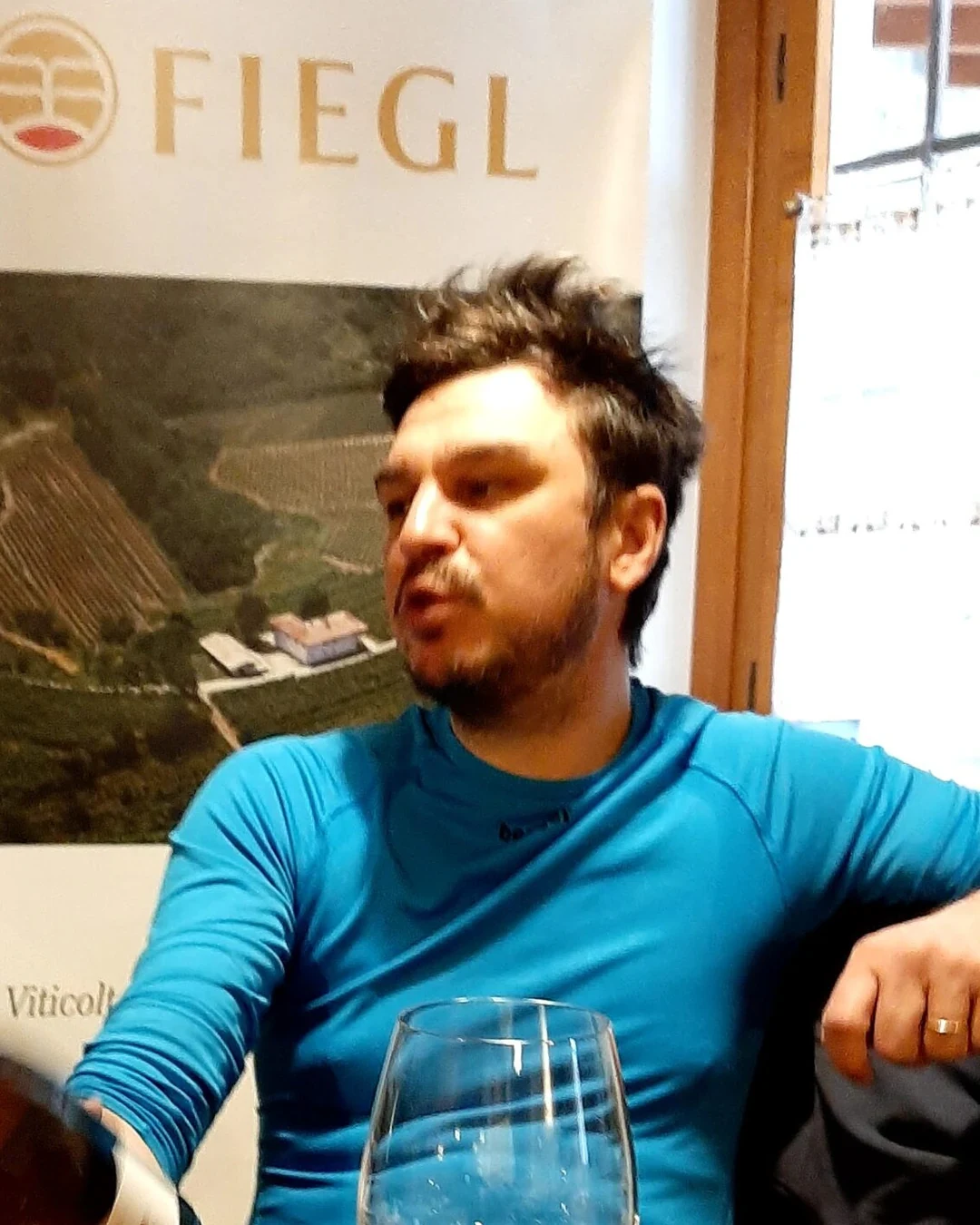
Matej Fiegl checks the crop by what the grapevine can carry, working as winemaker at Fiegl in Gorz, from the family cellar in Oslavia. Matej Fiegl belongs to the younger generation of the Fiegl winemaking family, with enology and agraria training brought back into the same Collio hills where the house has long worked. The family winegrowing tradition here dates to 1782, and the present work still reads as an agricultural holding before it reads as a hospitality address: vineyard, cellar, tasting room, and family table all answer to the same place. Matej’s own language is practical rather than ornate. “The cultivation style adopted in our vineyards guarantees a minimal environmental impact: production is limited in quantity, respecting the natural capacity of the grapevine.” That sentence carries the method. The estate does not ask the vines for a performance beyond their capacity; it takes the long way through restraint, then lets Ribolla Gialla, Sauvignon, and the red wines speak from Oslavia rather than from cellar correction.
Ribolla as regional discipline
Fiegl works inside Collio DOC, in Oslavia near the Slovenian border, where ventilation and day-night temperature swings shape the fruit before a hand reaches the cellar. The house is tied most clearly to white wine, and to Ribolla Gialla in particular. In 2010, Fiegl helped found the Ribolla Gialla Producers Association with six other area wineries, a gesture that places the grape beyond a single label and into a shared regional discipline. Oslavia is also part of the wider culture of textured white wines and long maceration, though the house does not publish a single fixed protocol for every bottling. That restraint matters. The known work is estate-led farming, Collio whites, a named Sauvignon, Ribolla Gialla as a signature, and Merlot Leopold as a red cuvée with its own place in the portfolio. The method begins in the slope, not in a tasting note.
The cellar and the tasting room
The room is quiet in the way family wineries can be quiet, with the day organized around the cellar, the vineyard, and the small rituals of receiving guests. Tastings here are guided rather than performative. The current hospitality is built around five wines with local cured meats, a format that keeps the glass close to the food of the area and the conversation close to the work. Outside, the Collio hills roll north of Gorizia; inside, the tasting room holds to a traditional rhythm, less stage than threshold. The back of the experience is still the cellar, and the cellar is still attached to land that asks for patience. For Matej, the next statement remains the same one the vines require each season: quantity limited to natural capacity, with Ribolla Gialla carrying Oslavia in the glass.
Questions
Frequently asked
Who makes the wine at Fiegl?
Matej Fiegl is the winemaker at Fiegl and belongs to the younger generation of the family winegrowing business in Oslavia.
What is Fiegl known for?
Fiegl is closely tied to Ribolla Gialla, and its work is rooted in Collio DOC in Oslavia near the Slovenian border.
What is the tasting format like?
Tastings are guided and built around five wines served with local cured meats.
Should a visit be booked in advance?
Reservation is recommended.
How long has the family been making wine here?
The family winegrowing tradition dates back to 1782.
The field
How it compares
| Place | Notes | Awards |
|---|---|---|
| Fiegl | Oslavia, $$ | · |
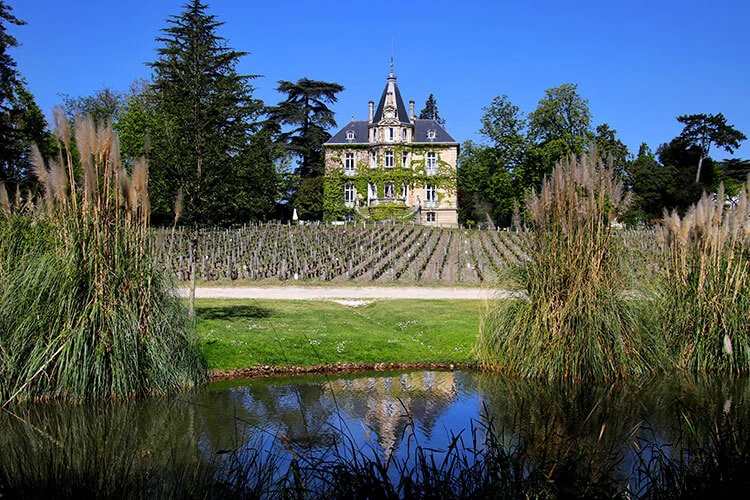
| Château Les Carmes Haut-Brion | Bordeaux | · |
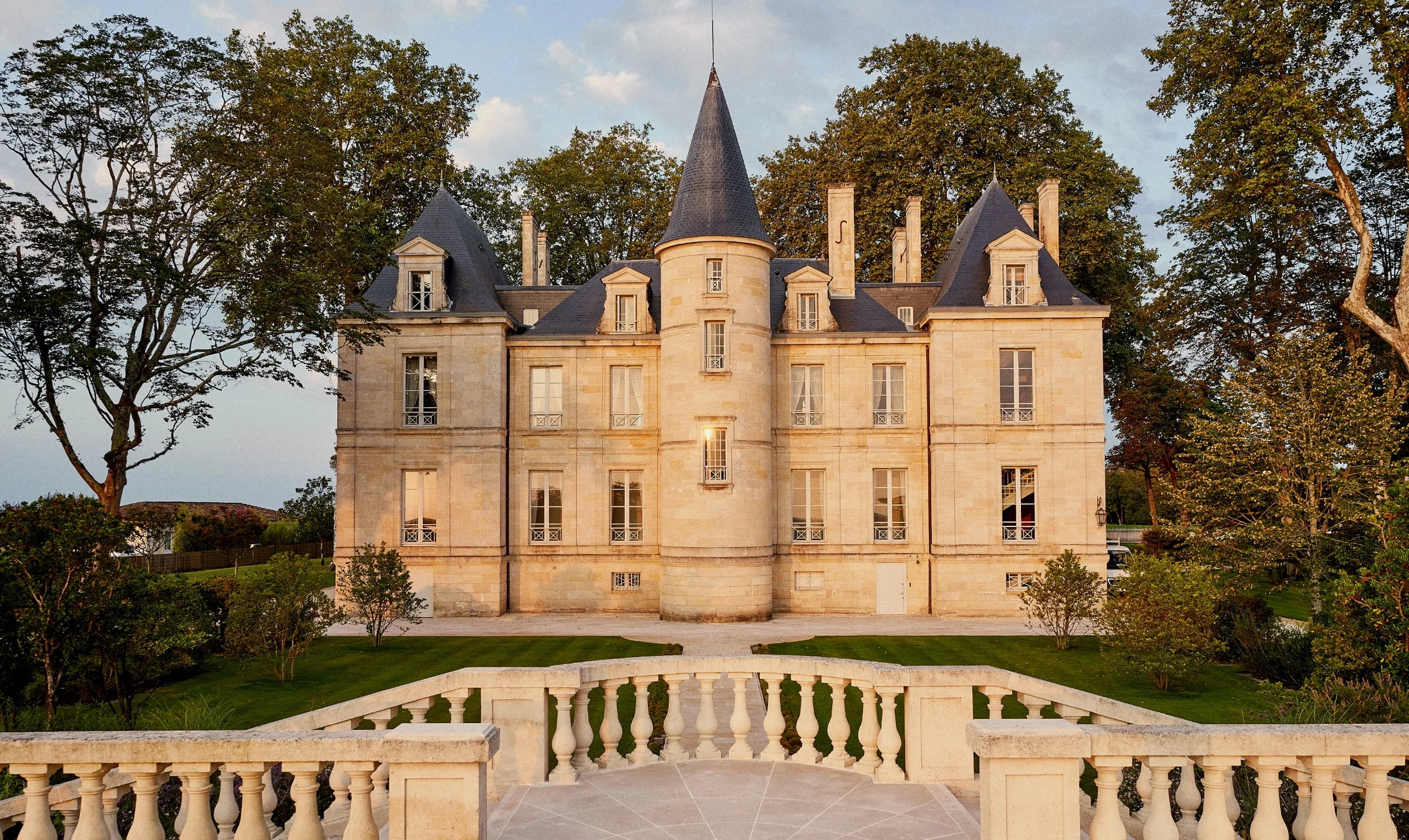
| Château Pichon-Longueville-Comtesse-de-Lalande | Pauillac | · |
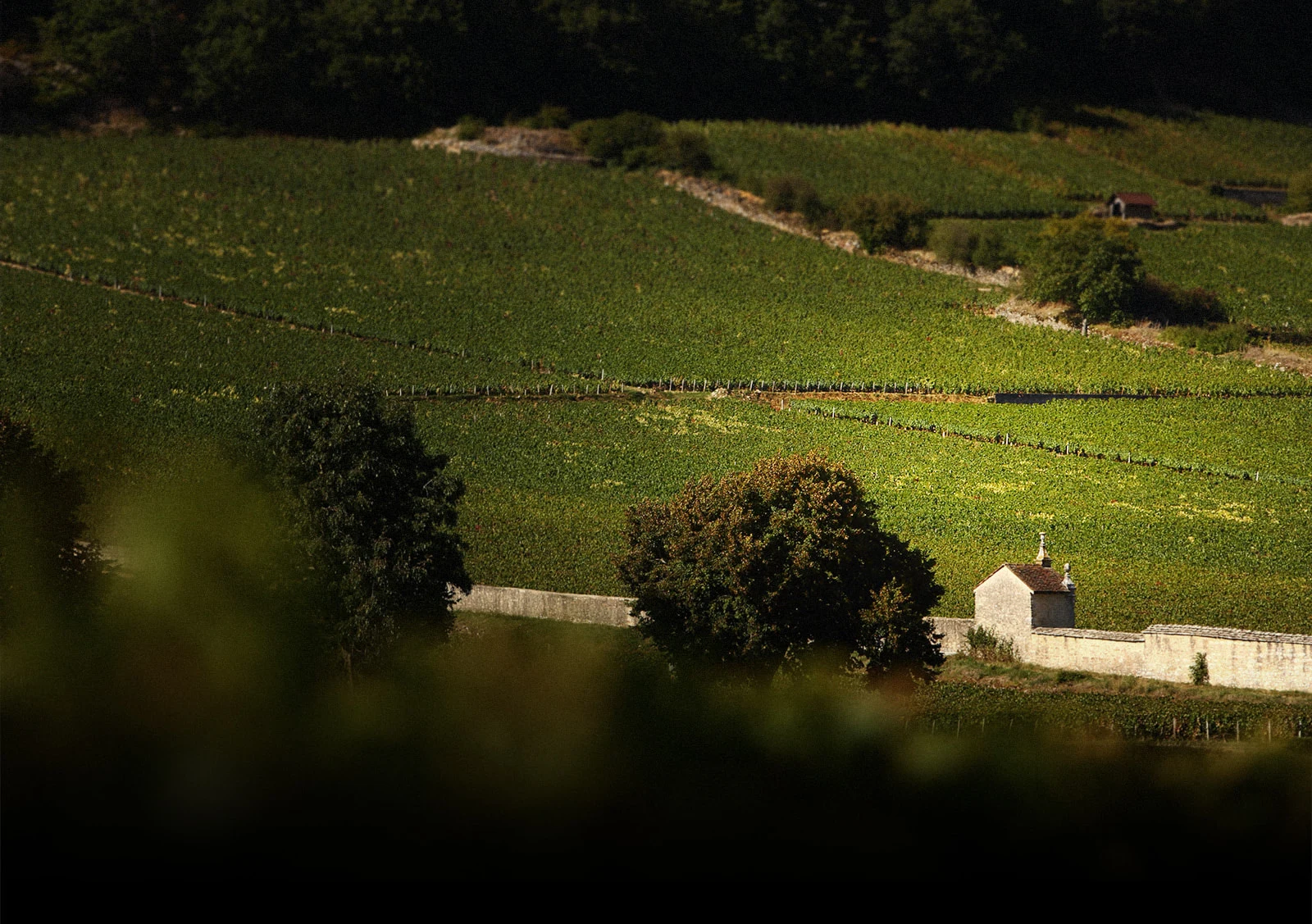
| Domaine Armand Rousseau | Gevrey-Chambertin | · |
| Familienweingut Tement | Ehrenhausen | World's 50 Best |
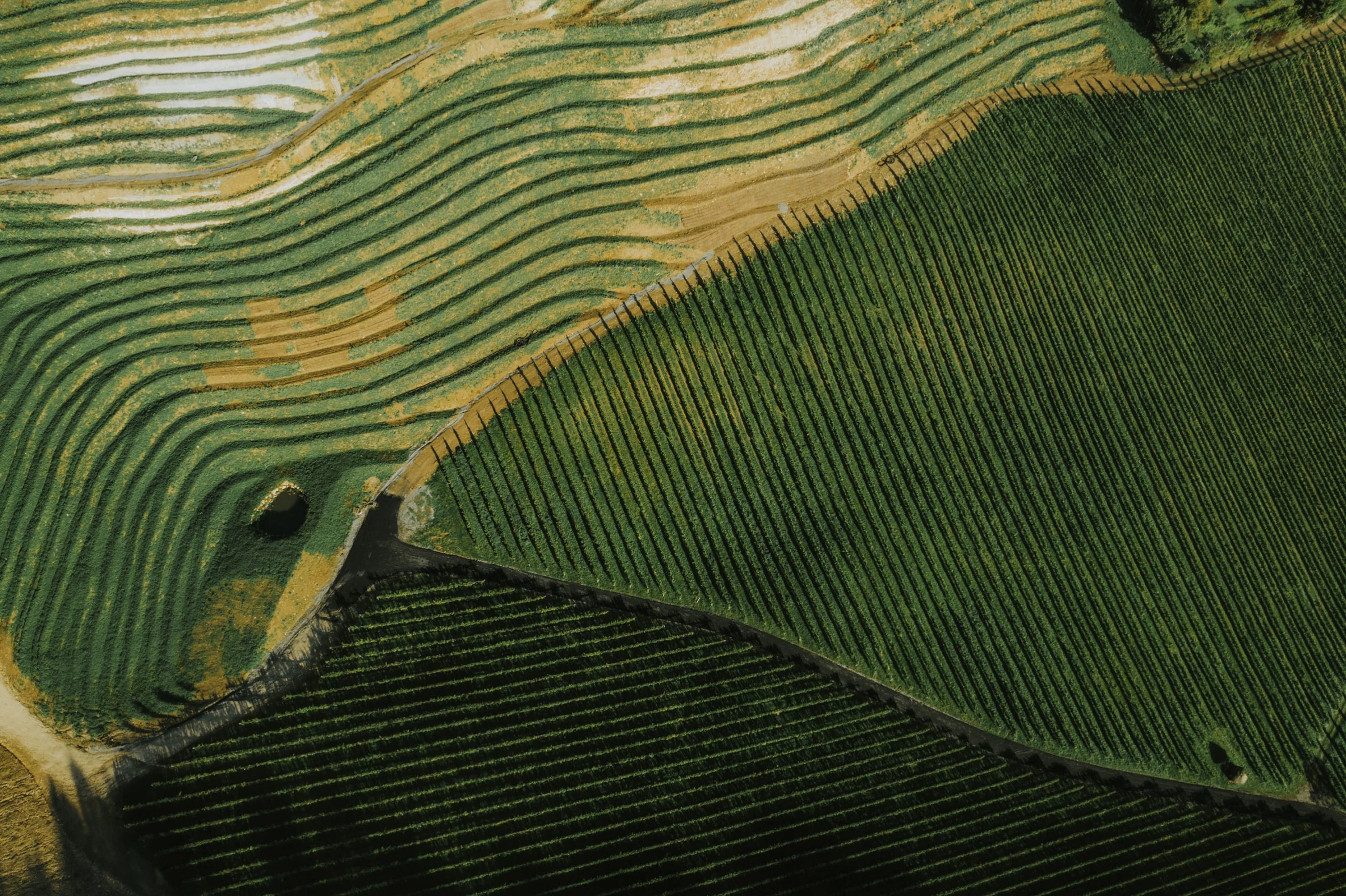
| Mission Hill Family Estate | West Kelowna | World's 50 Best |
| Villa Vasi | Gorz | · |