Hell's Backbone Grill & Farm

In Residence
Blake Spalding
Other
- 01CuisineFarm-to-Table Southwestern
- 02CityBoulder, United States
Where Route 12 Ends and the Meal Begins
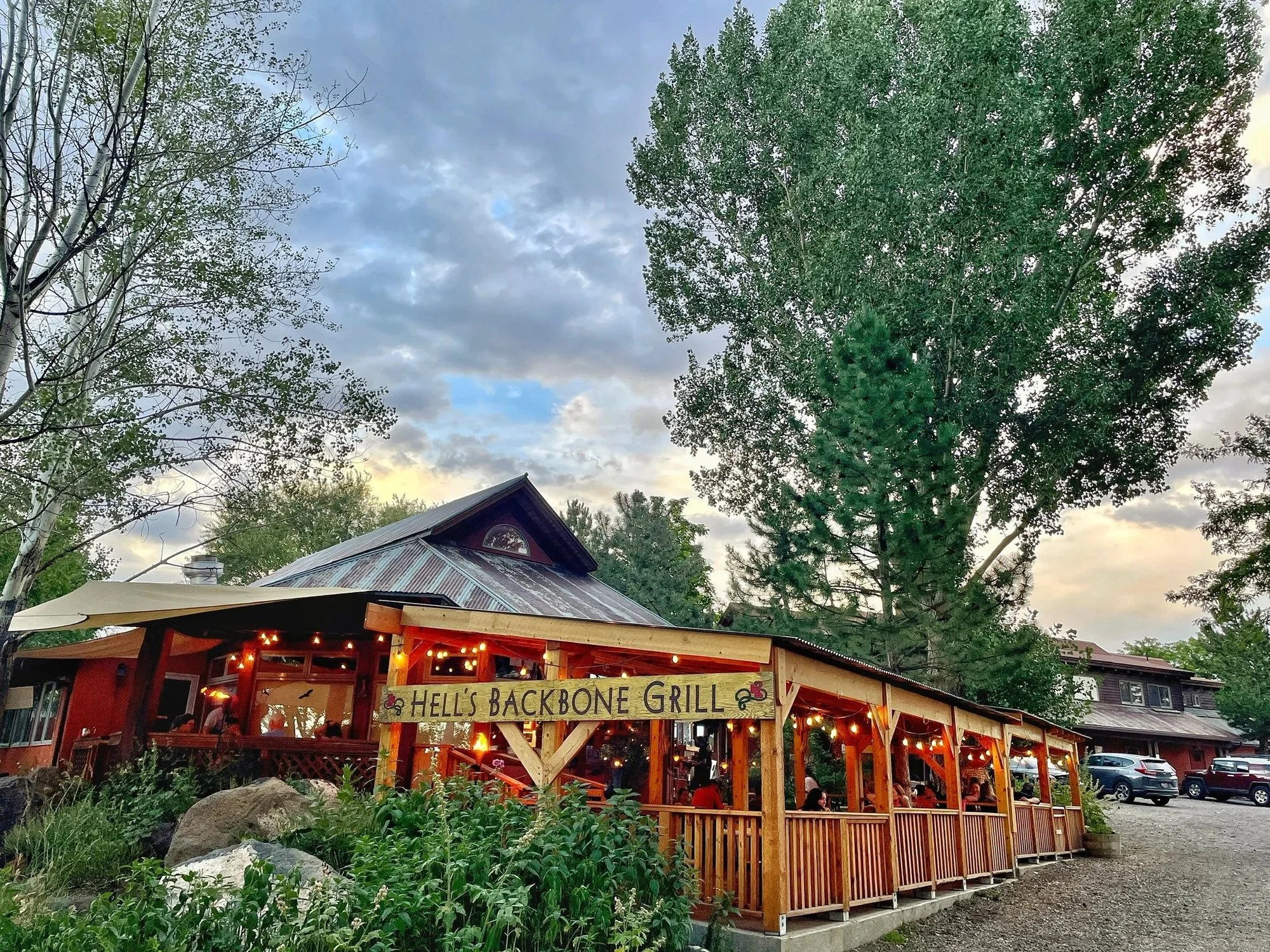
Utah Highway 12 is one of the more demanding drives in the American Southwest, threading through red-rock canyons, over the hogback ridge between Escalante and Boulder, and past country that resisted paved roads until 1985. By the time the highway deposits you in Boulder, Utah, a town of fewer than 200 permanent residents sitting at 6,700 feet elevation on the edge of Grand Staircase-Escalante National Monument, the expectation of finding serious food has long since been revised downward. Hell's Backbone Grill is a farm-to-table Southwestern restaurant in Boulder, Utah, with a price point around $75 per person. In a region where most dining options run toward gas-station provisions and roadside basics, the restaurant operates as a different kind of institution: one rooted in the agricultural traditions and ecological politics of the Colorado Plateau rather than in the conventions of destination dining.
The Colorado Plateau as Culinary Framework
The cuisine of the American Southwest draws from at least three overlapping traditions: the Indigenous agricultural systems of the region, the Spanish colonial foodways that moved north from Mexico over centuries, and the Anglo homesteading culture that layered over both in the nineteenth century. In practice, most restaurants in gateway communities near national parks pick from this inheritance selectively and superficially. Hell's Backbone Grill takes a more deliberate approach, grounding its menu in what the surrounding land actually produces and in what the region's communities have historically eaten. The kitchen works with organic farming practices and sources from producers whose proximity to Boulder, Utah, is part of the point. The kitchen works with organic farming practices and sources from producers whose proximity to Boulder, Utah, is itself part of the point.
That relationship between food and place is not incidental to the dining experience here; it is the dining experience. The broader category of farm-to-table has become so thoroughly absorbed into mainstream restaurant marketing that the phrase has largely lost meaning in urban contexts. In a remote high-desert setting, the supply chain implications are more concrete. What grows at elevation in southern Utah, what can be raised sustainably in a landscape that receives roughly ten inches of annual precipitation, and what local farming families actually produce: these constraints shape the menu in ways that no amount of menu engineering can simulate. The logistical baseline in rural Utah involves fewer suppliers, longer distances to distribution networks, and a growing season defined by elevation and desert aridity.
Dining at the Edge of the Monument
Boulder sits at the northern terminus of Grand Staircase-Escalante, one of the largest roadless areas in the contiguous United States. The Anasazi State Park Museum is a few hundred metres from the restaurant, its collections drawn from the Ancestral Puebloan culture that farmed this region for centuries before the twelfth-century drought that scattered its communities southward. The agricultural history of the Colorado Plateau is therefore not remote context here; it is immediately adjacent, visible in the landscape and documented in the museum grounds. Hell's Backbone Grill operates in that physical and historical proximity, and the kitchen's engagement with regional foodways carries more weight for it.
Among Boulder's small number of dining options, the restaurant occupies the position that in a larger city would belong to the independently operated, chef-driven restaurant committed to a specific regional point of view: the kind of place that resists comparison to chains and resort properties and instead builds its identity from accumulated relationships with local producers and suppliers. In a town this size, that position is not contested. The more relevant comparison is to what similar restaurants accomplish in other remote or rural settings where the cost and complexity of sourcing work against the ambition of the kitchen.
Context Among Colorado and Southwest Dining
Boulder, Colorado, two states east and a different culinary ecosystem entirely, offers a useful contrast. The restaurant culture there spans from Frasca Food and Wine, which has sustained a James Beard Award-winning program rooted in the cooking of Friuli, to Blackbelly Market, which works within an American idiom at the $$$ price tier, to Basta, which takes a contemporary approach in the $$ range. The Boulder Dushanbe Tea House represents a distinct Eastern European tradition within the same city. None of those comparisons map directly onto what Hell's Backbone Grill does, because the operating context of a remote Utah highway town changes almost every variable: the audience, the supply chain, the competitive set, and the role the restaurant plays in its community.
At the level of national destination dining, the restaurants that attract cross-country travel on the strength of their culinary programs tend to operate in major metropolitan areas or established wine country: Alinea in Chicago, The French Laundry in Napa, Le Bernardin in New York City, Lazy Bear in San Francisco, Providence in Los Angeles, Addison in San Diego, The Inn at Little Washington, Atomix in New York City, Emeril's in New Orleans, and internationally, 8 1/2 Otto e Mezzo Bombana in Hong Kong. Hell's Backbone Grill does not compete within that tier. Its significance is of a different kind: a restaurant that makes a serious argument about regional food culture from within the region itself, rather than as an interpretation performed at a remove.
Planning Your Visit
Boulder, Utah, is approximately 90 miles from Bryce Canyon National Park and about 70 miles from Capitol Reef National Park, making it a natural stopping point on Highway 12 itineraries that connect those two parks. Travelers driving the full length of Route 12 from Bryce to Torrey typically pass through Boulder at midday or early evening. Visiting during peak season is wise, and reservations are essential. Arriving without a confirmed reservation during summer months introduces real risk in a town where the next meal option may be an hour away. The address, 20 UT-12, Boulder, UT 84716, places it directly on the highway. The surrounding Boulder Pho area dining scene is thin, which makes planning around the restaurant's schedule rather than around your travel schedule the more reliable approach.
Questions
Frequently asked
Who works at Hell's Backbone Grill & Farm?
Made By profiles Blake Spalding (Other) at Hell's Backbone Grill & Farm.
How expensive is Hell's Backbone Grill & Farm?
Hell's Backbone Grill & Farm is listed at a price level of $$$.
Where is Hell's Backbone Grill & Farm and what does it serve?
Hell's Backbone Grill & Farm is in Boulder, Boulder, serving Farm-to-Table Southwestern.
The field
How it compares
| Place | Cuisine | Notes | Awards |
|---|---|---|---|
| Hell's Backbone Grill & Farm | Farm-to-Table Southwestern | Boulder, $$$ | · |
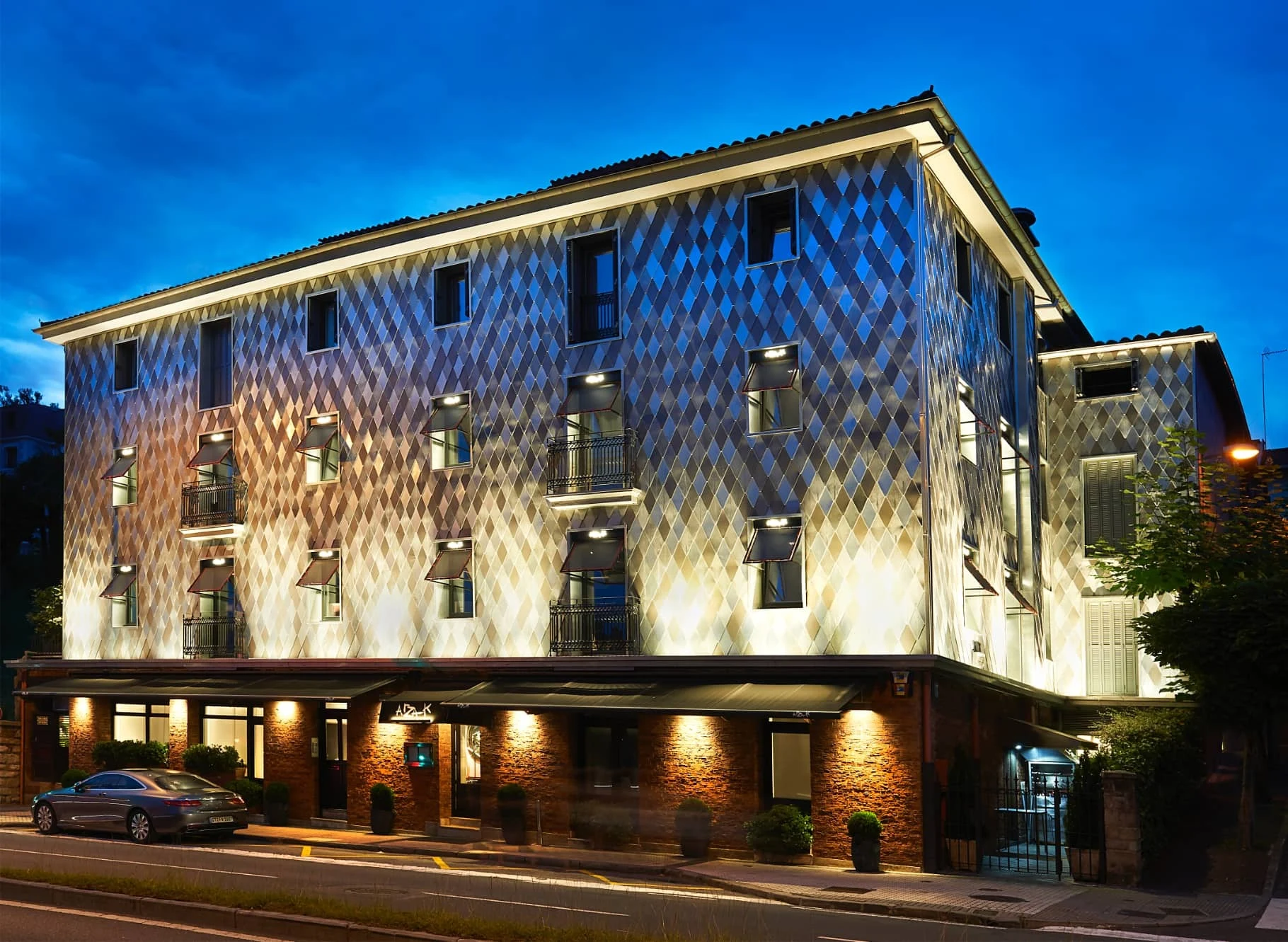
| Arzak | Contemporary Basque Fine Dining | San Sebastián | Michelin 3 Stars, World's 50 Best |
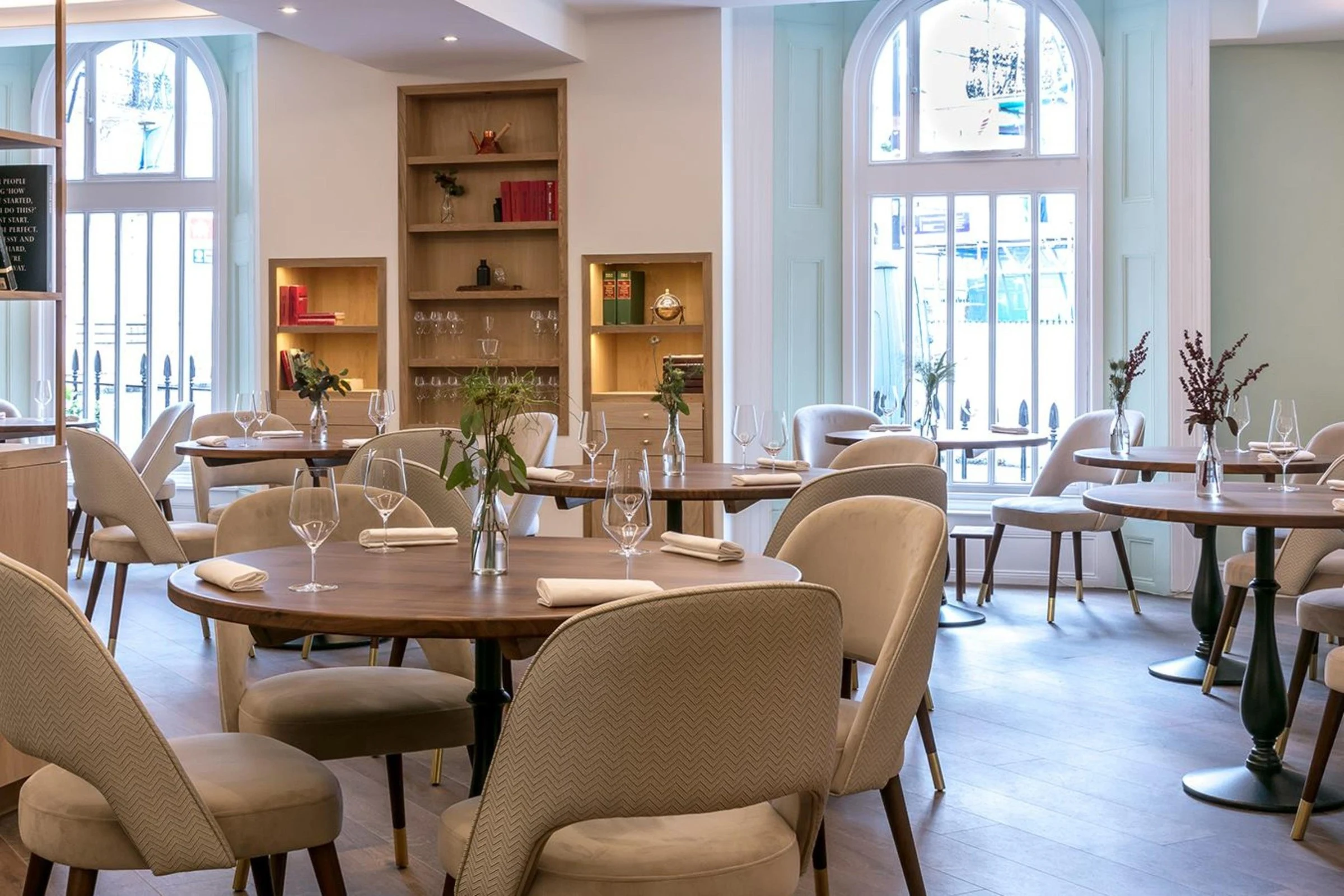
| CORE by Clare Smyth | Modern British Fine Dining | London | Michelin 3 Stars, World's 50 Best |
| El Celler de Can Roca | Creative Catalan Fine Dining | Girona | Michelin 3 Stars, World's 50 Best |
| Le Calandre | Modern Italian Fine Dining | Rubano | Michelin 3 Stars, World's 50 Best |
| Miramar | Modern Mediterranean Seafood | Llançà | Michelin 2 Stars |
| Reale | Modern Italian Fine Dining | Castel di Sangro | Michelin 3 Stars, World's 50 Best |
In residence
Similar places
Contemporary Basque Fine Dining
Arzak
San Sebastián, Spain
★★★ · 50 Best
Modern British Fine Dining
CORE by Clare Smyth
London, United Kingdom
★★★ · 50 Best
Creative Catalan Fine Dining
El Celler de Can Roca
Girona, Spain
★★★ · 50 Best
Modern Italian Fine Dining
Le Calandre
Rubano, Italy
★★★ · 50 Best
Modern Mediterranean Seafood
Miramar
Llançà, Spain
★★
Modern Italian Fine Dining
Reale
Castel di Sangro, Italy
★★★ · 50 Best