- Opinionated About Dining Top Restaurants in North America Ranked #105 · 2026
- Opinionated About Dining Top Restaurants in North America Ranked #91 · 2025
- Michelin Plate · 2025
- Opinionated About Dining Top Restaurants in North America Ranked #122 · 2024
- Opinionated About Dining Top Restaurants in North America Ranked #112 · 2023
A Discreet Address in SoHo With a Kaiseki Agenda
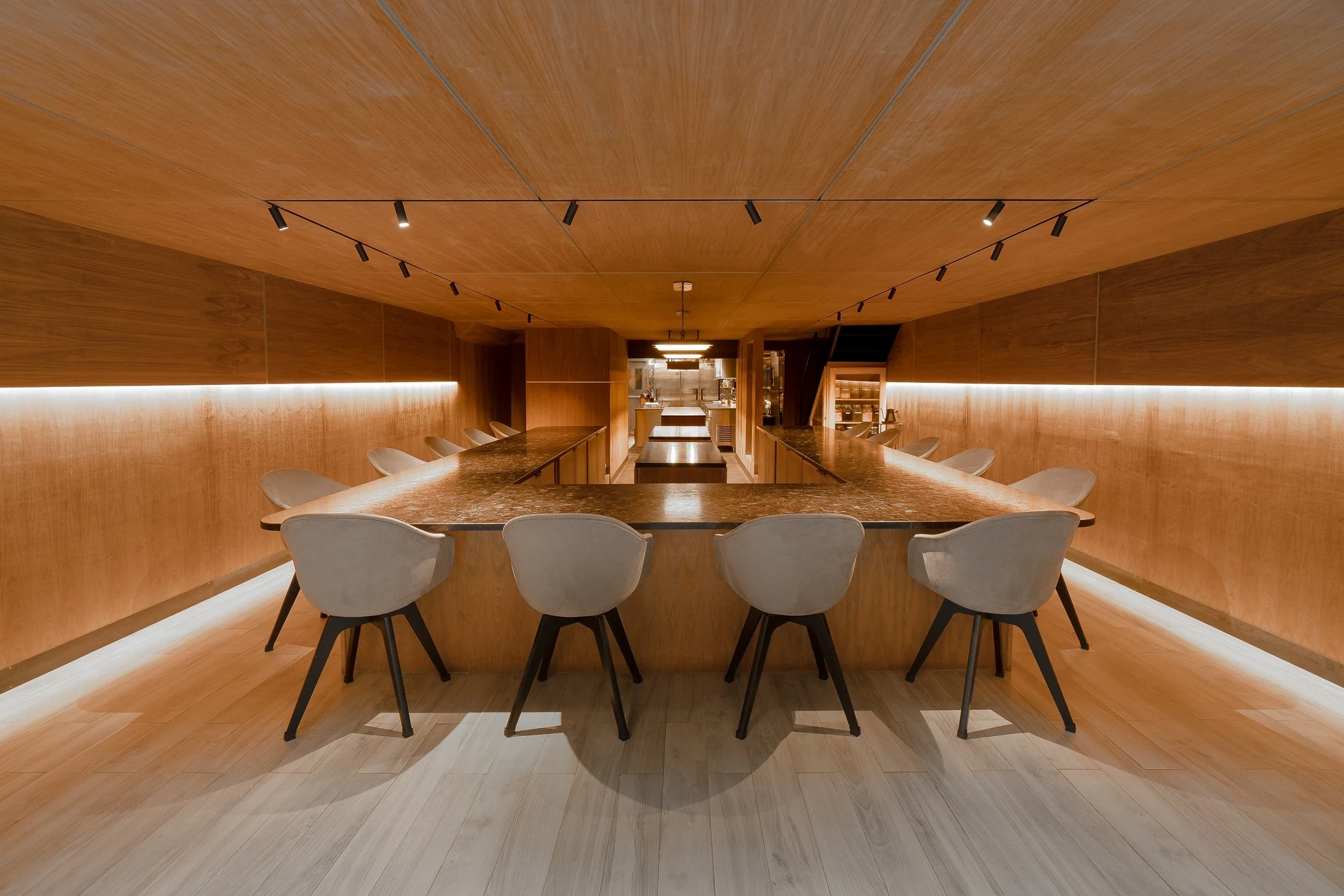
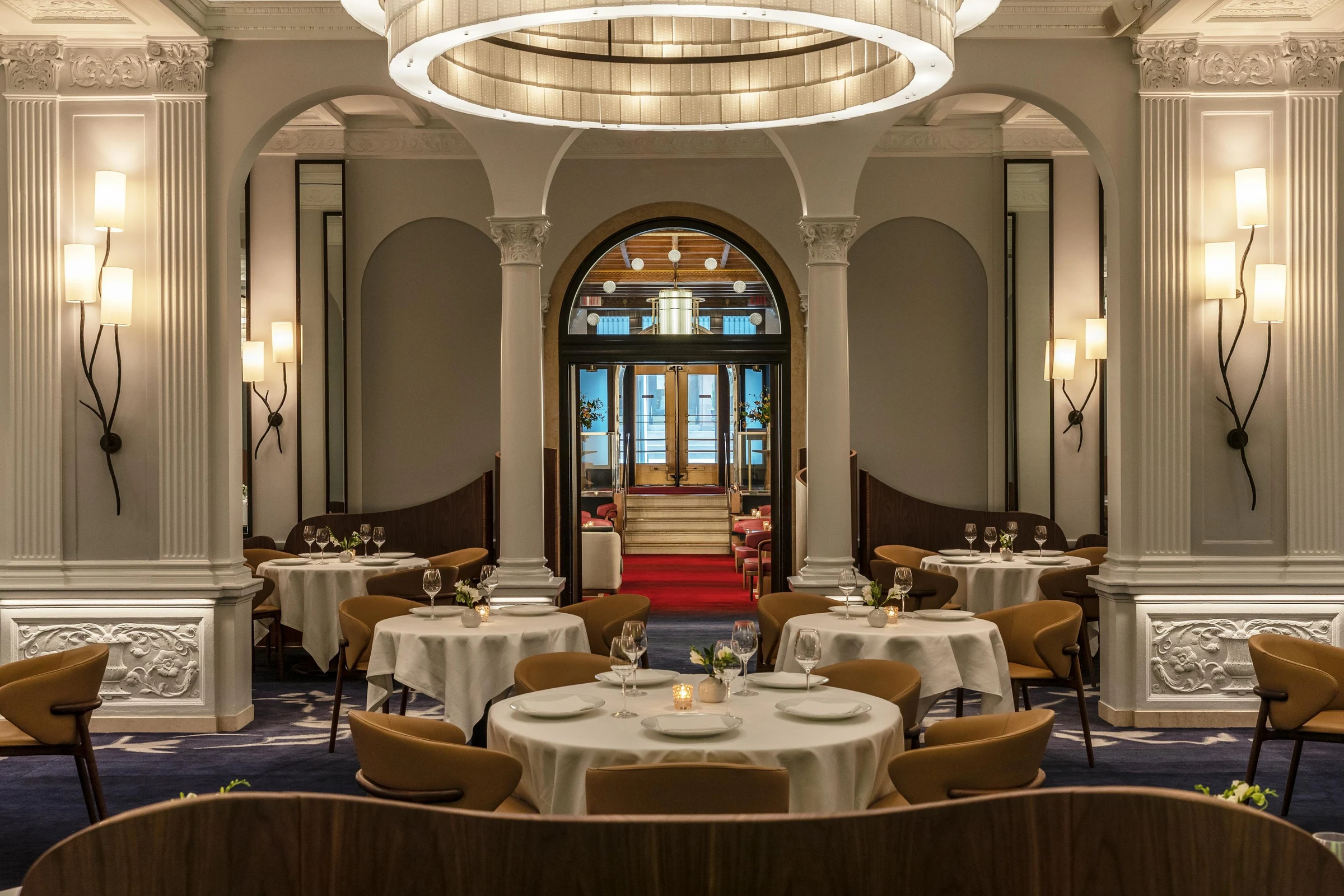
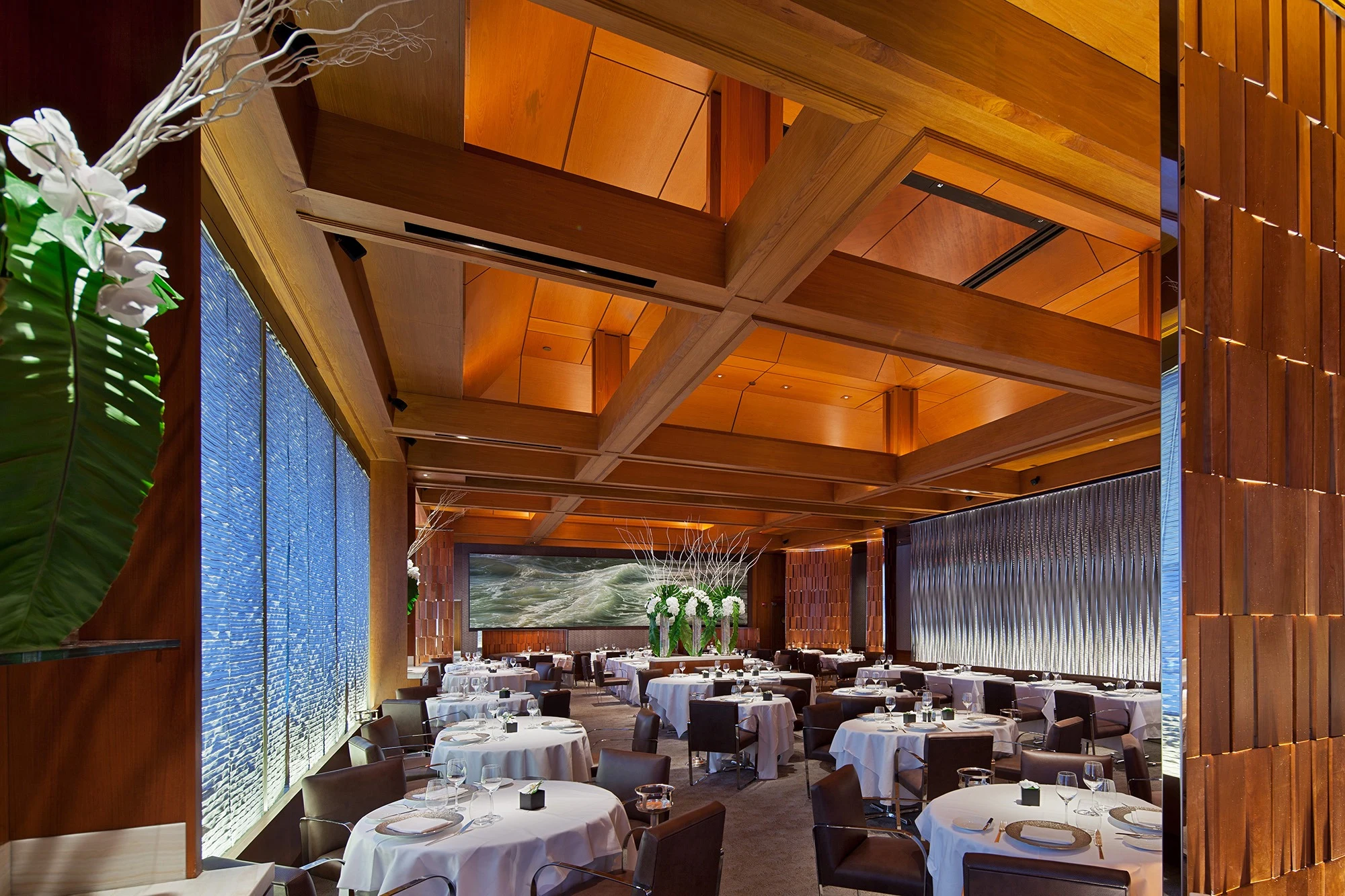
SoHo's dining identity has always been split. The neighbourhood carries high foot traffic, tourist spending, and a persistent appetite for fashion-adjacent openings. Against that backdrop, a kaiseki counter on Thompson Street reads as a deliberate refusal of the obvious. The entrance at 73 Thompson is easy to miss, a detail that functions less as accident than as selection mechanism. The room inside rewards the effort: understated, stylish, and arranged to direct attention toward the meal rather than the décor.
This kind of spatial restraint has become a reliable indicator in New York's Japanese fine dining sector. Counters and rooms that operate without visible branding or street-level spectacle tend to be the ones where the cooking is the entire argument. Hirohisa fits that pattern precisely.
Kaiseki in New York: Where the Format Sits
New York supports a substantial range of Japanese fine dining formats, from the high-volume omakase operations that turn multiple seatings nightly to smaller counters where the pace is set by the kitchen. Kaiseki occupies a specific position within that range. It is a multi-course structure rooted in Japanese culinary tradition, originally tied to the tea ceremony and later expanded into one of the most technically demanding meal formats in any cuisine. Its logic is seasonal: what is served reflects what is available, and the sequence of courses builds around a particular moment in the calendar rather than a fixed menu.
In New York, proper kaiseki is less common than omakase sushi. Most diners encounter it through hybrid formats, restaurants that borrow kaiseki's course structure without fully committing to its seasonal philosophy. Hirohisa's menu is structured as a kaiseki experience, which places it in a smaller, more deliberate comparable set than the city's broader Japanese fine dining scene. For comparison, the sushi-focused counters Sushi Sho, Joji, and Shion 69 Leonard Street each operate within omakase conventions; Hirohisa's kaiseki framework asks something different of both kitchen and guest.
Seasonality as the Kitchen's Actual Argument
The editorial angle that matters most with kaiseki is the calendar. A restaurant operating within this tradition is not simply offering a seasonal menu as a marketing gesture. The structure of kaiseki requires that ingredients, preparation methods, and even the sequence of courses shift as the year moves. Eating at a kaiseki counter in February is a materially different experience from eating at the same counter in September, not because the kitchen has changed its philosophy, but because the philosophy demands that the food reflects what the season actually provides.
Opinionated About Dining, which ranked Hirohisa #91 in North America for 2025, specifically notes that the ingredients are exceptional and that the technical skills of the team are considerable. Those two observations are connected. In kaiseki, technique serves the ingredient rather than overriding it. The cook's job is to clarify and concentrate what the season has produced, not to transform it beyond recognition.
The mushroom zosui cited in Opinionated About Dining's writeup illustrates this logic. A bowl of rice with earthy mushrooms is not a complex-sounding dish on paper. Its quality depends entirely on sourcing and restraint: what variety of mushrooms, from where, at what point in their season, and how little intervention the cook applies. The same logic applies to the meal's closing course, a pot of rice with snow crab, ikura, and crab roe, a combination that signals late-autumn or winter sourcing and carries the kind of comforting weight appropriate to that part of the year.
Timing a visit to Hirohisa accordingly matters. The kitchen's output in peak mushroom season, or when snow crab is at its finest in colder months, is likely to reflect the format at its most coherent. Diners who return across seasons will find the visit genuinely different in substance, not just in cosmetic menu changes.
Peer Context: High-End Japanese Dining in New York
At the tier where Hirohisa operates, sustained OAD recognition, exceptional sourcing, a format that demands full attention over multiple courses, the relevant comparable set is not the neighbourhood's casual Japanese restaurants. The more useful comparison is with the city's other serious Japanese counters and with the handful of kaiseki-inflected formats that have taken hold in North American fine dining.
In New York, Bar Masa represents the Michelin-accredited Japanese fine dining end of the spectrum, while Blue Ribbon Sushi anchors the accessible, late-night end. Hirohisa sits in a different register from both: more formally structured than Blue Ribbon Sushi, and operating in a kaiseki idiom distinct from the sushi counter format. Internationally, the kaiseki tradition connects to counters like Harutaka in Tokyo and the Japanese-trained discipline evident at Sushi Shikon in Hong Kong, though the formats differ.
Among North American fine dining broadly, the tasting-menu format that Hirohisa shares structural DNA with includes Single Thread Farm in Healdsburg, The French Laundry in Napa, Alinea in Chicago, Providence in Los Angeles, Lazy Bear in San Francisco, and Emeril's in New Orleans, all operating at price points and commitment levels where the meal is the purpose of the evening rather than the backdrop to it.
What to Know Before You Go
Hirohisa is open Tuesday through Saturday, with lunch Wednesday through Friday, 12:00 to 2:30 pm, dinner Tuesday through Saturday, 5:30 to 10:00 pm, and is closed Monday and Sunday. The compressed lunch window, a single hour midday, indicates a format designed for precision seatings rather than flexible drop-in dining. Reservations are recommended. Location: 73 Thompson Street, SoHo, New York, NY 10012. Google rating: 4.4 across 315 reviews. Format: Kaiseki multi-course tasting menu, structured by the kitchen. Dress: The room's understated character suggests smart casual at minimum; the occasion warrants dressing accordingly.
Questions
Frequently asked
Who works at Hirohisa?
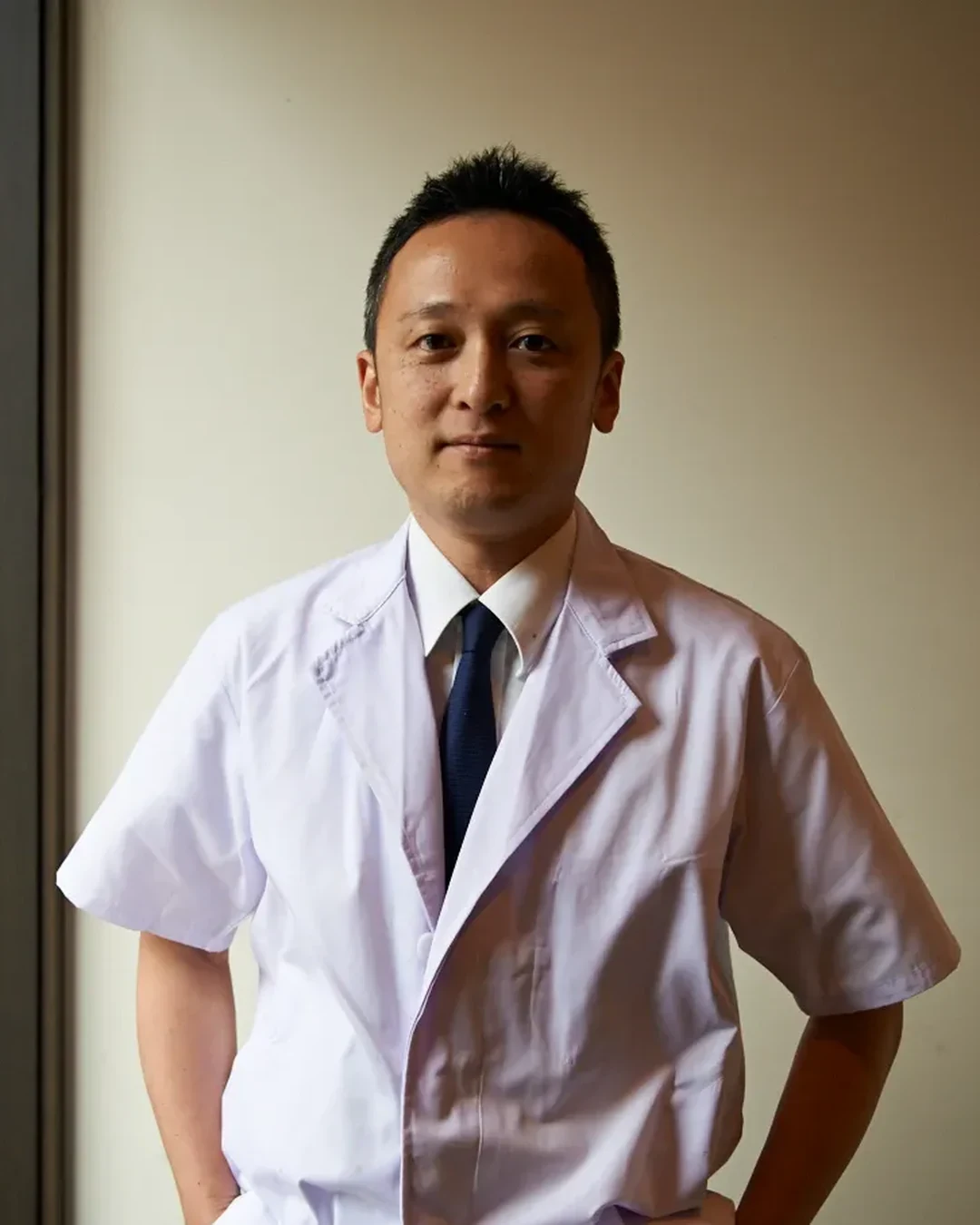
Made By profiles Hirohisa Hayashi (Chef) at Hirohisa.
How expensive is Hirohisa?
Hirohisa is listed at a price level of $$$$.
Where is Hirohisa and what does it serve?
Hirohisa is in SoHo-Little Italy-Hudson Square, New York City, serving Kaiseki Omakase.
The field
How it compares
| Place | Cuisine | Notes | Awards |
|---|---|---|---|
| Hirohisa | Kaiseki Omakase | SoHo-Little Italy-Hudson Square, $$$$ | · |
| Atomix | Modern Korean Tasting Menu | New York City | Michelin 2 Stars, World's 50 Best |
| Daniel | Modern French Fine Dining | New York City | Michelin 1 Star, World's 50 Best |
| Eleven Madison Park | Contemporary Plant-Based Fine Dining | New York City | Michelin 3 Stars, World's 50 Best |
| Jungsik New York | Modern Korean Fine Dining | New York City | Michelin 3 Stars, World's 50 Best |
| Kabawa | Modern Caribbean Prix Fixe | New York City | World's 50 Best |
| Le Bernardin | French Seafood Fine Dining | New York City | Michelin 3 Stars, World's 50 Best |
In residence
Similar places
Modern Korean Tasting Menu
Atomix
New York City, United States
★★ · 50 Best
Modern French Fine Dining
Daniel
New York City, United States
★ · 50 Best
Contemporary Plant-Based Fine Dining
Eleven Madison Park
New York City, United States
★★★ · 50 Best
Modern Korean Fine Dining
Jungsik New York
New York City, United States
★★★ · 50 Best
Modern Caribbean Prix Fixe
Kabawa
New York City, United States
50 Best
French Seafood Fine Dining
Le Bernardin
New York City, United States
★★★ · 50 Best