Homer

In Residence
Logan Cox
Chef
- 01CuisineWood-Fired Mediterranean
- 02CitySeattle, United States
- 03RecognitionJames Beard Award
- James Beard Winner · James Beard Foundation
- James Beard Award Semi Finalist · 2026
- James Beard Award Semi Finalist · 2025
Beacon Hill's Quiet Ambition
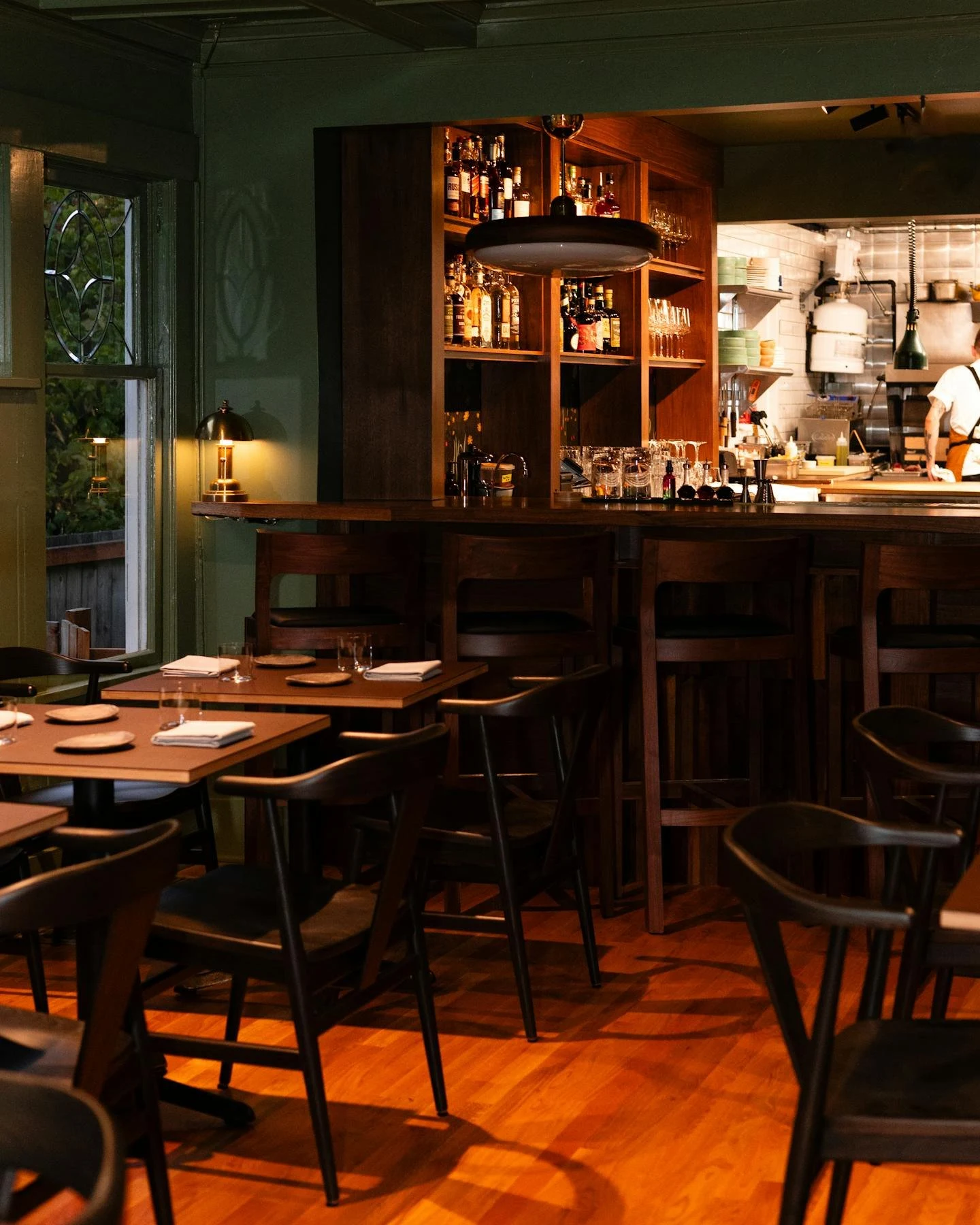
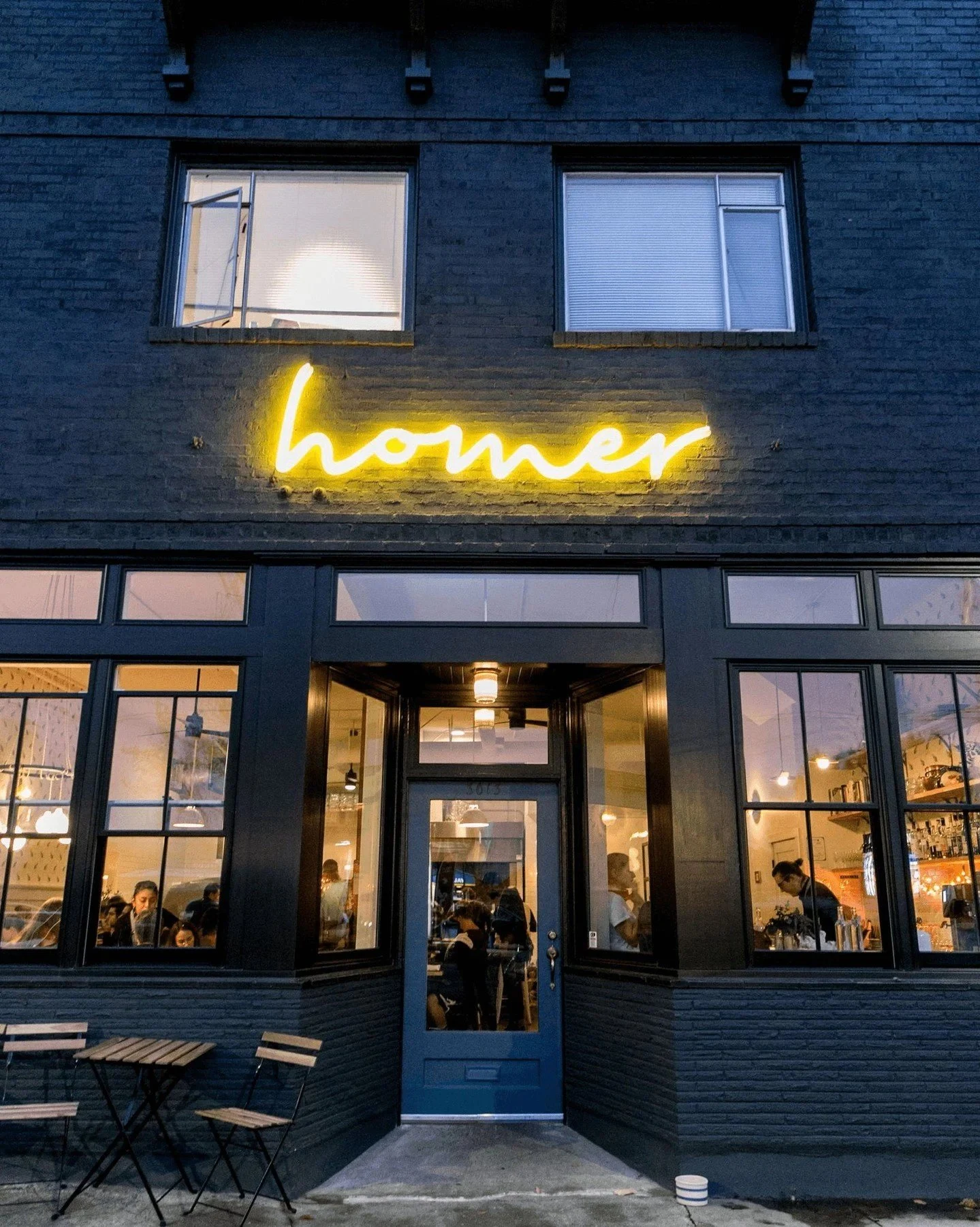
Seattle's dining geography has long been read through a handful of well-worn coordinates: the waterfront, Capitol Hill, South Lake Union. Beacon Hill has operated as a counterweight to that narrative, a corridor dense with Vietnamese, Filipino, and East African kitchens that feed the neighborhood first and draw the curious second. Homer, at 3013 Beacon Ave S, sits inside that ecology without pretending to be separate from it. The approach from the street gives little away. What matters happens inside, in the relationship between a kitchen and a dining room that have clearly worked out how to speak the same language.
That coordination is the thing worth paying attention to here. In the broader American fine-casual tier, the split between kitchen ambition and front-of-house execution is common enough to be almost structural. Teams operate in sequence rather than in concert: the food arrives, the server explains it, the sommelier surfaces when wine is ordered. At Homer, the model is more integrated. The room functions as a single operating unit, with the kind of floor knowledge that makes menu questions feel like conversation rather than recitation. That quality is rarer than it should be, and it defines the visit as much as anything on the plate.
Where Homer Sits in Seattle's Neighborhood Restaurant Tier
Seattle's neighborhood restaurant category has sharpened considerably over the past decade. The city that once divided cleanly into destination dining and casual takeout now has a thick middle register: places with serious kitchens, educated wine lists, and service that reads the room without requiring a jacket. Homer belongs to that register, and its Beacon Hill address positions it as part of a broader southward expansion of serious cooking in the city.
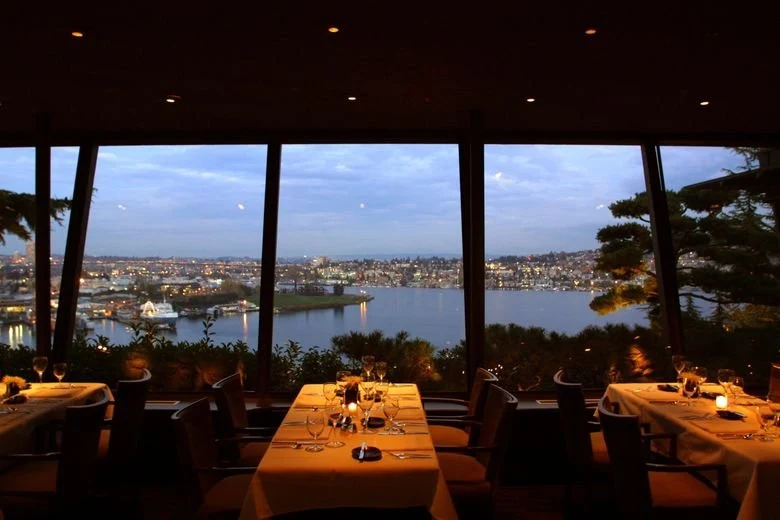
For comparison, Canlis and Joule anchor different ends of Seattle's ambition spectrum: Canlis as a multi-generational institution with a view and a formality that places it in a category of its own, Joule as a precision-driven Asian-inflected kitchen with a specific culinary argument. Homer's competitive set is neither of those. It sits closer to the neighborhood anchor model, where the bar for repeat visits is set by consistency, value coherence, and the quality of the welcome as much as by the cooking itself.
Nationally, that neighborhood anchor model is being refined at restaurants like Lazy Bear in San Francisco and Blue Hill at Stone Barns in Tarrytown, both of which have used a strong sense of place and coordinated teams to build something that outlasts individual dishes or seasons. The ambition at Homer is scaled differently, but the underlying logic is similar: a room where the parts cohere.
The Team Dynamic as a Design Principle
The editorial angle most useful for understanding Homer is not cuisine type or neighborhood positioning alone, but the way the kitchen, wine, and floor functions appear to have been built as a single program. This is not universally true of Seattle dining. Plenty of technically accomplished kitchens in the city run alongside wine lists that feel inherited rather than curated, or service teams that know the menu without knowing the guest.
At the level of restaurants like Alinea in Chicago or Atomix in New York City, team integration is a stated design principle with documented outcomes. The expectation is that every person in the room understands the full experience, not just their functional role. Homer operates at a different price point and scale, but the same principle appears to govern how the room runs. Front-of-house competence here means something specific: the ability to guide without narrating, to adapt without losing the thread of what the kitchen is trying to do.
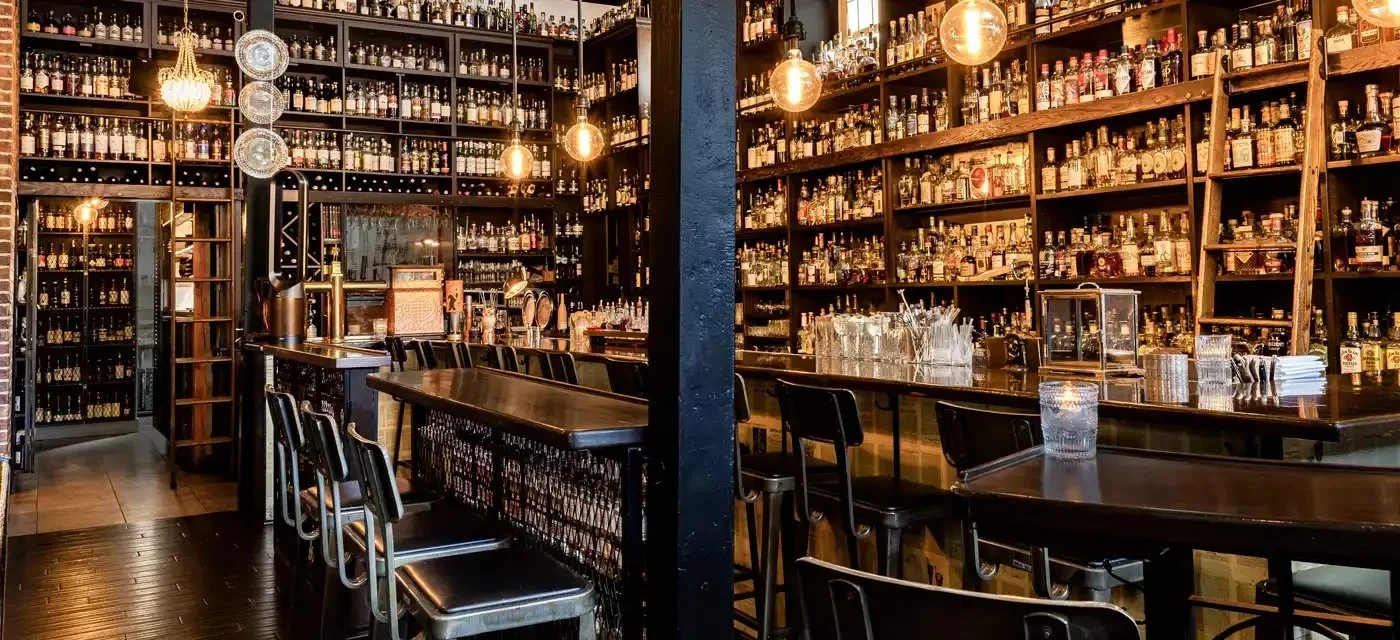
That integration also shapes the wine conversation. Seattle has benefited from Washington State's emergence as a serious wine region, and a neighborhood restaurant with Beacon Hill's economic profile that invests in a considered list is making an argument about what its guests deserve. The list, insofar as it reflects the team's priorities, is not a separate document from the menu; it's part of the same editorial decision.
Beacon Hill as a Dining Address
The neighborhood deserves more attention than it typically receives in Seattle dining coverage. Beacon Ave S is one of the city's most genuinely mixed commercial corridors, with a food culture shaped by Vietnamese, Chinese, Ethiopian, and Filipino communities whose cooking is serious and largely unadorned. A restaurant like Homer entering that street is not colonizing a blank space; it's joining a conversation that was already happening at a high level.
The practical effect for a visitor is that Beacon Hill rewards a longer itinerary. Other points of interest in the broader south Seattle area include addresses like 2963 4th Ave S, which sits in the adjacent SoDo zone, and the dining corridor that connects to 1415 1st Ave and 1744 NW Market St to the north.
By contrast, the destination-dining tier operates on a different logic entirely. Places like The French Laundry in Napa, Le Bernardin in New York City, Providence in Los Angeles, Addison in San Diego, Single Thread Farm in Healdsburg, The Inn at Little Washington, Emeril's in New Orleans, and 8 1/2 Otto e Mezzo Bombana in Hong Kong are planned around the restaurant itself. Homer is a different kind of destination: one where the neighborhood is part of the visit, not a backdrop to be ignored on the walk from the parking structure.
Know Before You Go
| Address | 3013 Beacon Ave S, Seattle, WA 98144 |
|---|---|
| Neighbourhood | Beacon Hill, Seattle |
| Price Range | $65 per person |
| Reservations | Walk-ins are welcome, though reservations may be available. |
| Hours | Mon: Closed; Tue: 5-10 PM; Wed: 5-10 PM; Thu: 5-10 PM; Fri: 5-10 PM; Sat: 5-10 PM; Sun: 5-10 PM |
| Website |
Questions
Frequently asked
What recognition does Homer hold?
Homer holds a James Beard award.
Who works at Homer?
Made By profiles Logan Cox (Chef) at Homer.
How expensive is Homer?
Homer is listed at a price level of $$.
Where is Homer and what does it serve?
Homer is in North Beacon Hill, Seattle, serving Wood-Fired Mediterranean.
The field
How it compares
| Place | Awards | Cuisine | Notes |
|---|---|---|---|
| Homer | James Beard | Wood-Fired Mediterranean | North Beacon Hill, $$ |
| Atoma | · | Modern New American | Seattle |
| Canlis | · | Modern American Fine Dining | Seattle |
| canon | · | American Small Plates & Cocktails | Seattle |
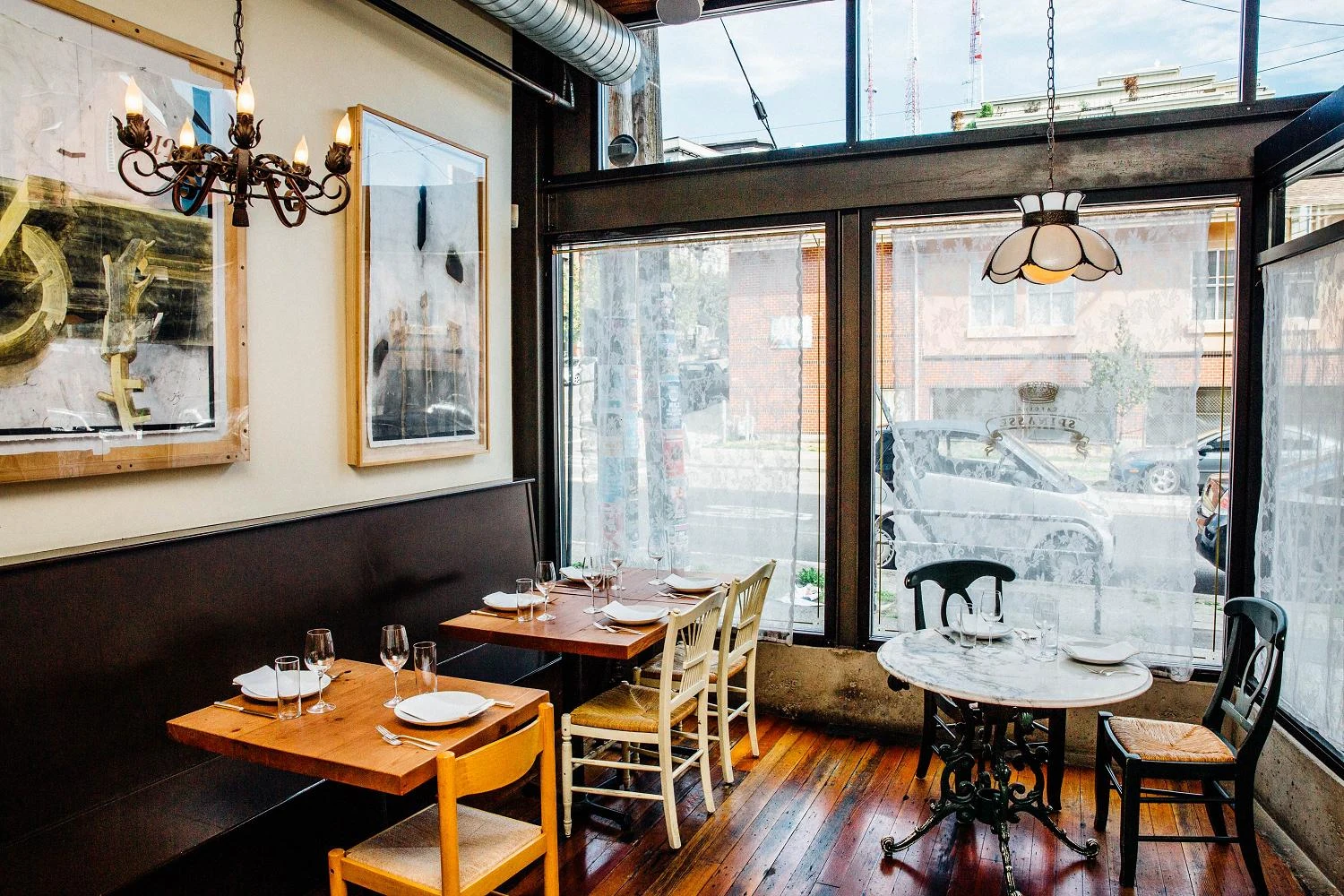
| Spinasse | · | Piedmontese Northern Italian | Seattle |
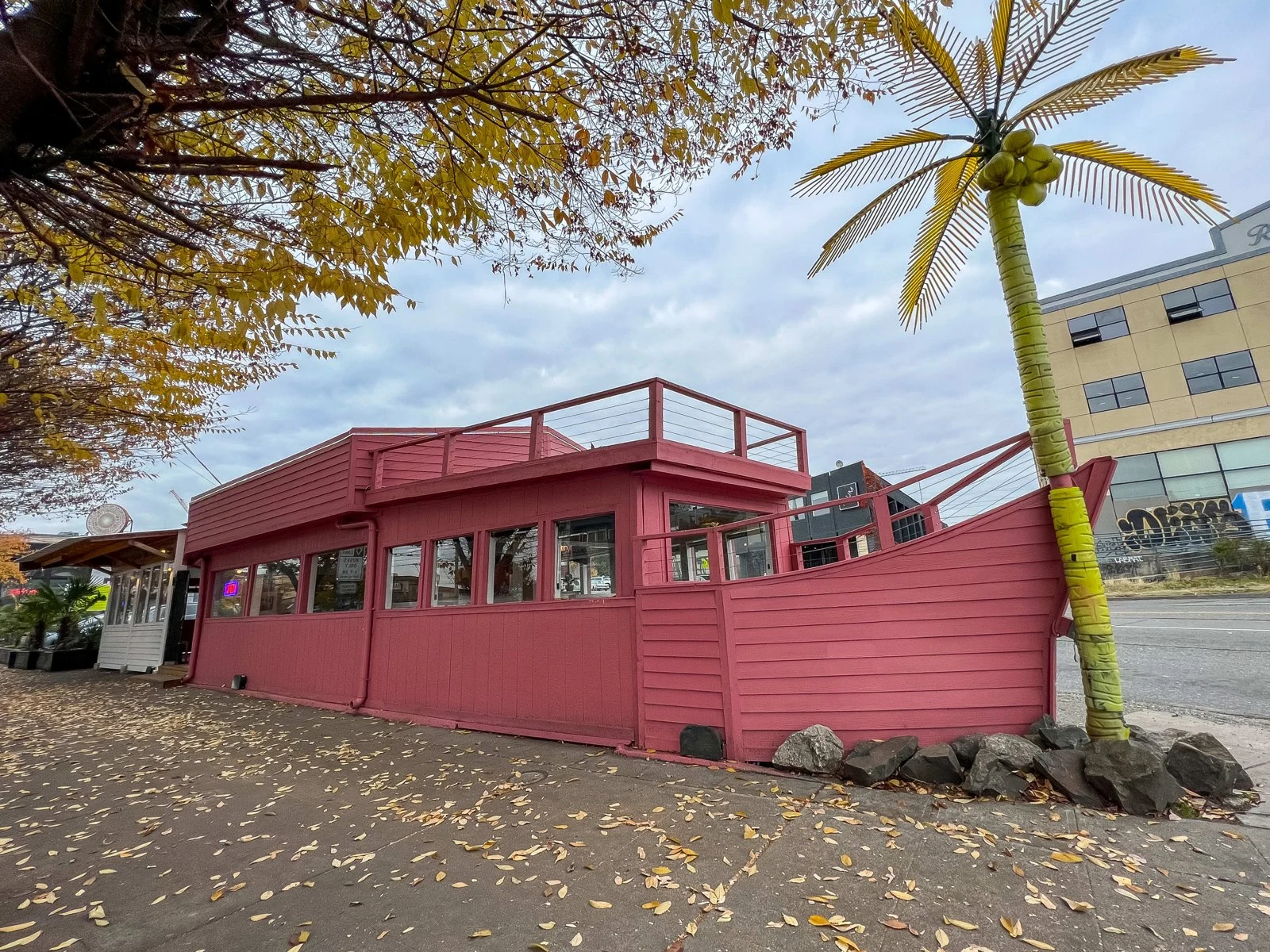
| The Boat | · | Vietnamese Chicken Rice | Seattle |
| The Herbfarm | · | Pacific Northwest Farm-to-Table Tasting | Seattle |
In residence
Similar places
Modern New American
Atoma
Seattle, United States
Modern American Fine Dining
Canlis
Seattle, United States
American Small Plates & Cocktails
canon
Seattle, United States
Piedmontese Northern Italian
Spinasse
Seattle, United States
Vietnamese Chicken Rice
The Boat
Seattle, United States
Pacific Northwest Farm-to-Table Tasting
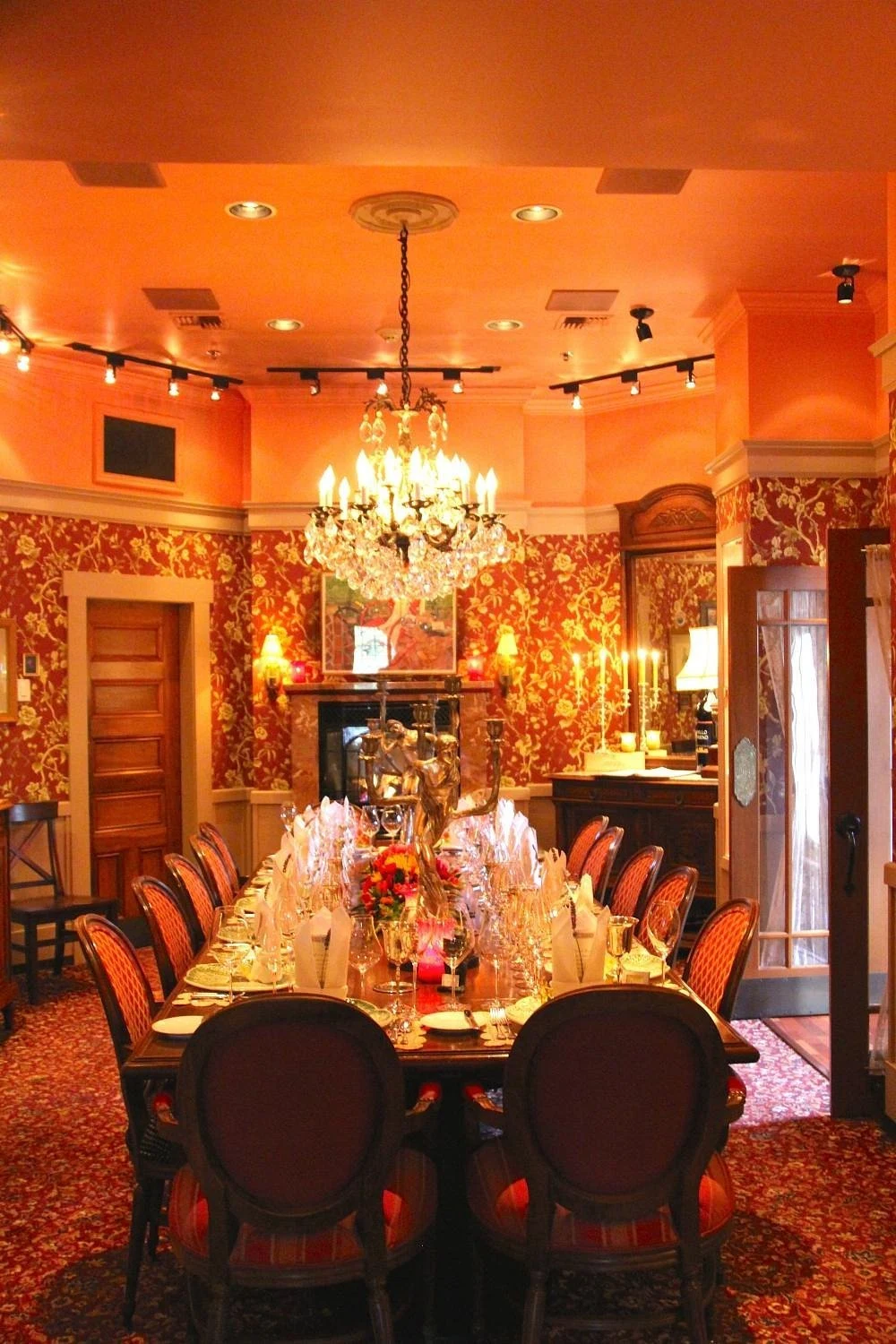
The Herbfarm
Seattle, United States