Jabulani Safari
- 01CuisineRelais & Châteaux Fine Dining
- 02CityHoedspruit, South Africa
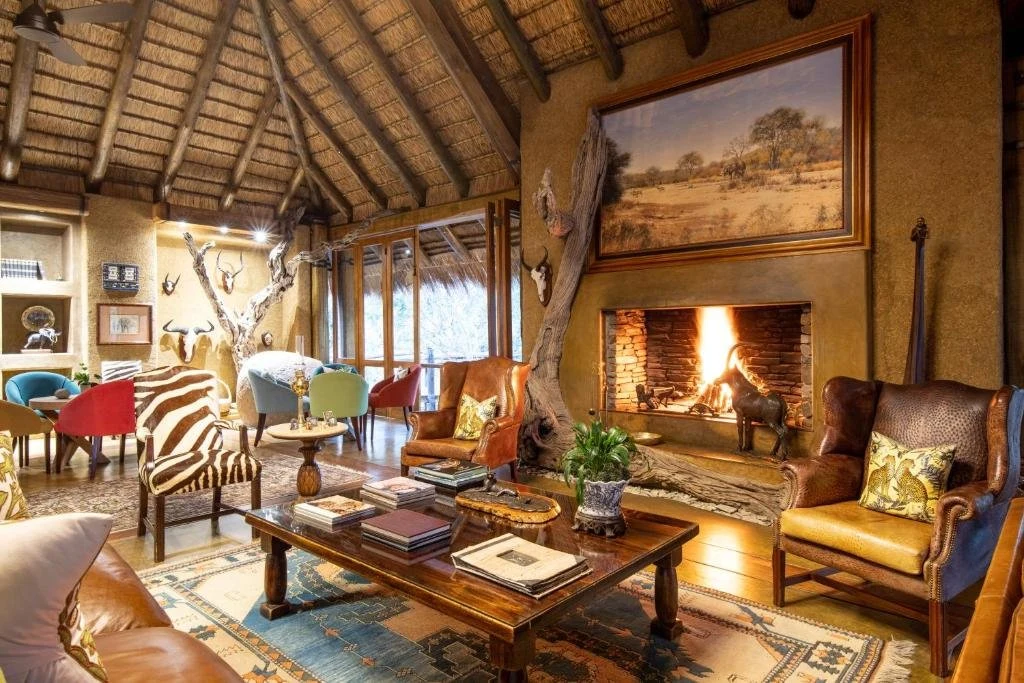
Where the Bush Sets the Terms
Jabulani Safari is a restaurant in Pietermaritzburg serving Relais & Châteaux Fine Dining at a price tier 4 level. The approach to Jabulani tells you what kind of experience you are entering. The red dirt road through the Kapama Private Game Reserve, part of the Greater Kruger corridor in Limpopo province, narrows as the bush thickens, and by the time the camp comes into view, the surrounding wilderness has already redefined your sense of scale and schedule. This is not a resort that happens to sit near wildlife. The wildlife sets the timetable, the mood, and the menu.
South Africa's private reserve sector has split cleanly over the past decade. On one side sit the large-footprint lodges with dozens of suites, conference facilities, and a spa list longer than the dinner menu. On the other sit smaller, conservation-integrated properties where the programme depth, elephant interaction, anti-poaching support, habitat management, is the product. Jabulani belongs firmly to the second category, and its elephant conservation work is the clearest signal of that commitment. The resident herd of orphaned and rescued elephants is not a backdrop. It is the reason the property exists in this form.
The Sunday email
Read about the people behind restaurants like Jabulani Safari in the Sunday email.
Every Sunday we send a lead story and up to four more about the chefs, winemakers, sommeliers and hoteliers behind the restaurants, bars, wineries and hotels we cover.
Recent stories
Free. One email a week, and you can unsubscribe from any issue.
The Kitchen in Context
South African fine dining has undergone a serious reappraisal since the early 2010s. Restaurants like Fyn in Cape Town, La Colombe, and Salsify at the Roundhouse have reframed indigenous ingredients and local sourcing as a serious culinary proposition. That shift has reached the bush lodges too, where the older model of generic international hotel food delivered under a thatched roof has given way to a more considered regional cooking. Chef Alex van As works within this context at Jabulani, applying South African cuisine to the specific setting of a private game reserve.
The bush lodge kitchen operates under constraints that city restaurants don't face. Supply chains are longer, storage is more demanding, and the audience changes every few days as new guests arrive with varying dietary needs and expectations. The chefs who do this well tend to develop a fluency with preservation, fermentation, and fire cookery that urban kitchens don't require in the same way. South African bush cuisine at its most coherent draws on braai tradition, indigenous plant knowledge, and the slow rhythms of game cookery, all of which suit a kitchen running on reserve time rather than restaurant service time.
For a broader picture of how South African chefs are approaching regional cooking, properties like Le Quartier Français in Franschhoek and Wolfgat in Paternoster offer useful reference points, as does Klein Jan in the Kalahari, which represents perhaps the most extreme version of wilderness cooking in the country. Delaire Graff in Helshoogte Pass and Dusk in Stellenbosch show how South African fine dining performs in wine-country settings, while Ellerman House in Bantry Bay addresses the urban luxury end of the same conversation.
The Safari Programme and What It Demands of a Guest
Private reserve safaris in the Greater Kruger area operate on a rhythm that most guests haven't experienced before: pre-dawn starts for morning game drives, a return for breakfast and rest during the midday heat, then an afternoon drive that extends into darkness with a spotlight. The daily structure means meals function as anchor points in a physically active schedule. Breakfast after a 5am departure into the bush has a different weight than it does in a city hotel, and the evening meal around a fire or in an open-sided boma carries the accumulated energy of a day spent in the wild.
Jabulani's positioning as a family-friendly property is relevant here. The Greater Kruger corridor hosts some of South Africa's highest densities of the Big Five, and the private reserve model allows for off-road driving and walking experiences that national park regulations prohibit. For families introducing children to wildlife, that flexibility matters considerably.
Londolozi Game Reserve in Kruger National Park and Esiweni Luxury Safari Lodge at Memorial Gate, both of which operate in adjacent or overlapping ecosystems and offer a useful peer reference for what the private reserve tier looks like across different operators. Morukuru Family in De Hoop Nature Reserve shows how conservation-integrated hospitality translates to the southern Cape coast context.
The Elephant Conservation Programme
The conservation dimension at Jabulani is what separates it from properties where wildlife is scenery rather than mission. Rescued elephant herds in private reserve settings require sustained management, veterinary support, and habitat that commercial safari operations alone can rarely justify financially. The integration of that programme into a guest-facing experience is a model that a growing number of reserves across southern Africa are attempting, with varying degrees of depth and authenticity.
At Jabulani, the elephant herd is the founding rationale for the property's existence in its current form, which means the conservation work is not an add-on to a hotel that happens to sit in the bush. This distinction matters for guests evaluating where their stay fees actually go, and it places Jabulani within a specific and smaller sub-category of southern African wildlife hospitality where conservation outcomes are a measurable part of the operation.
Questions
Frequently asked
How expensive is Jabulani Safari?
Jabulani Safari is listed at a price level of $$$$.
Where is Jabulani Safari and what does it serve?
Jabulani Safari is in Kapama Private Game Reserve, Hoedspruit, serving Relais & Châteaux Fine Dining.
The field
How it compares
| Place | Cuisine | Notes | Awards |
|---|---|---|---|
| Jabulani Safari | Relais & Châteaux Fine Dining | Kapama Private Game Reserve, $$$$ | · |
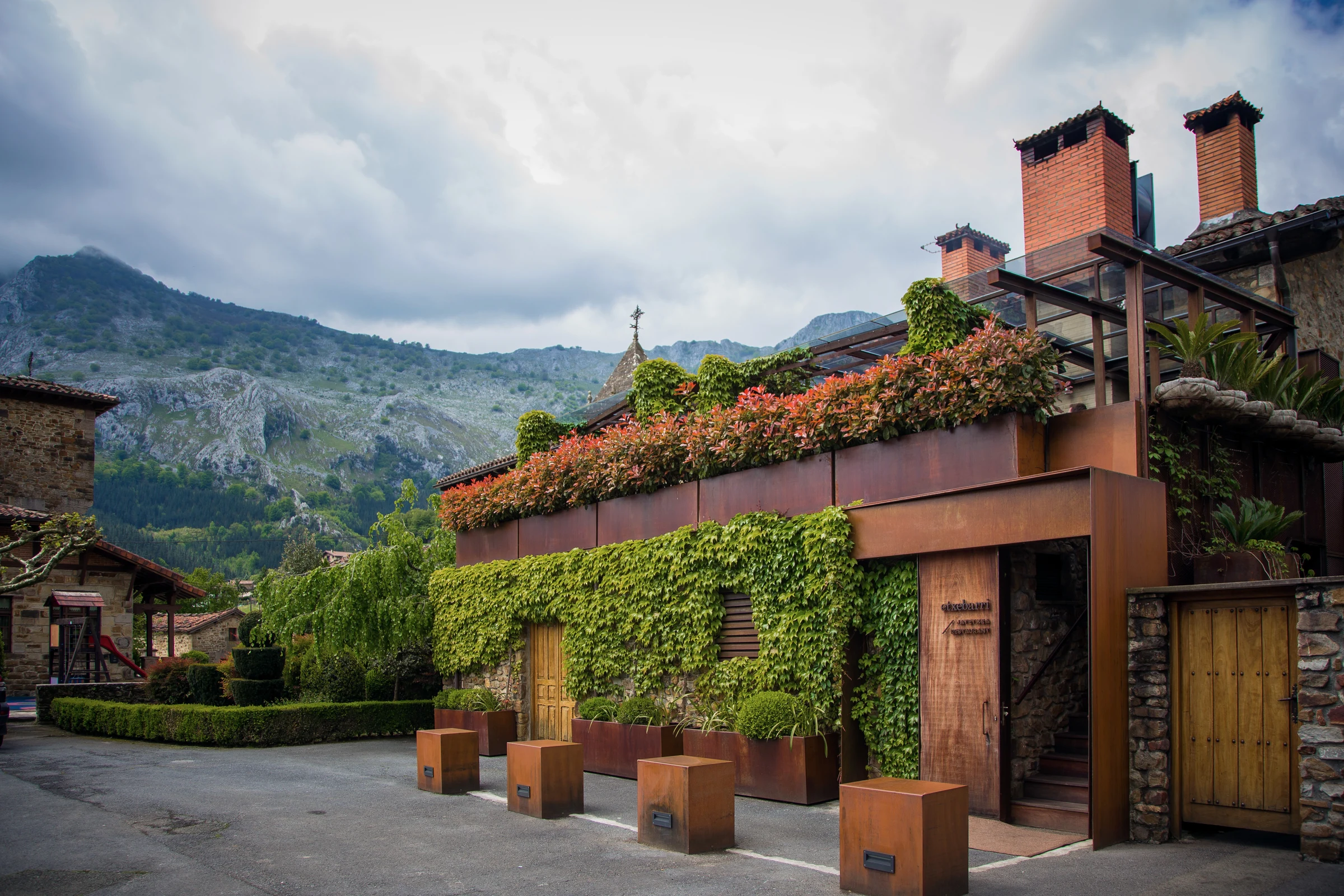
| Asador Etxebarri | Basque Wood-Fired Grill | Atxondo | Michelin 1 Star, 50 Best |
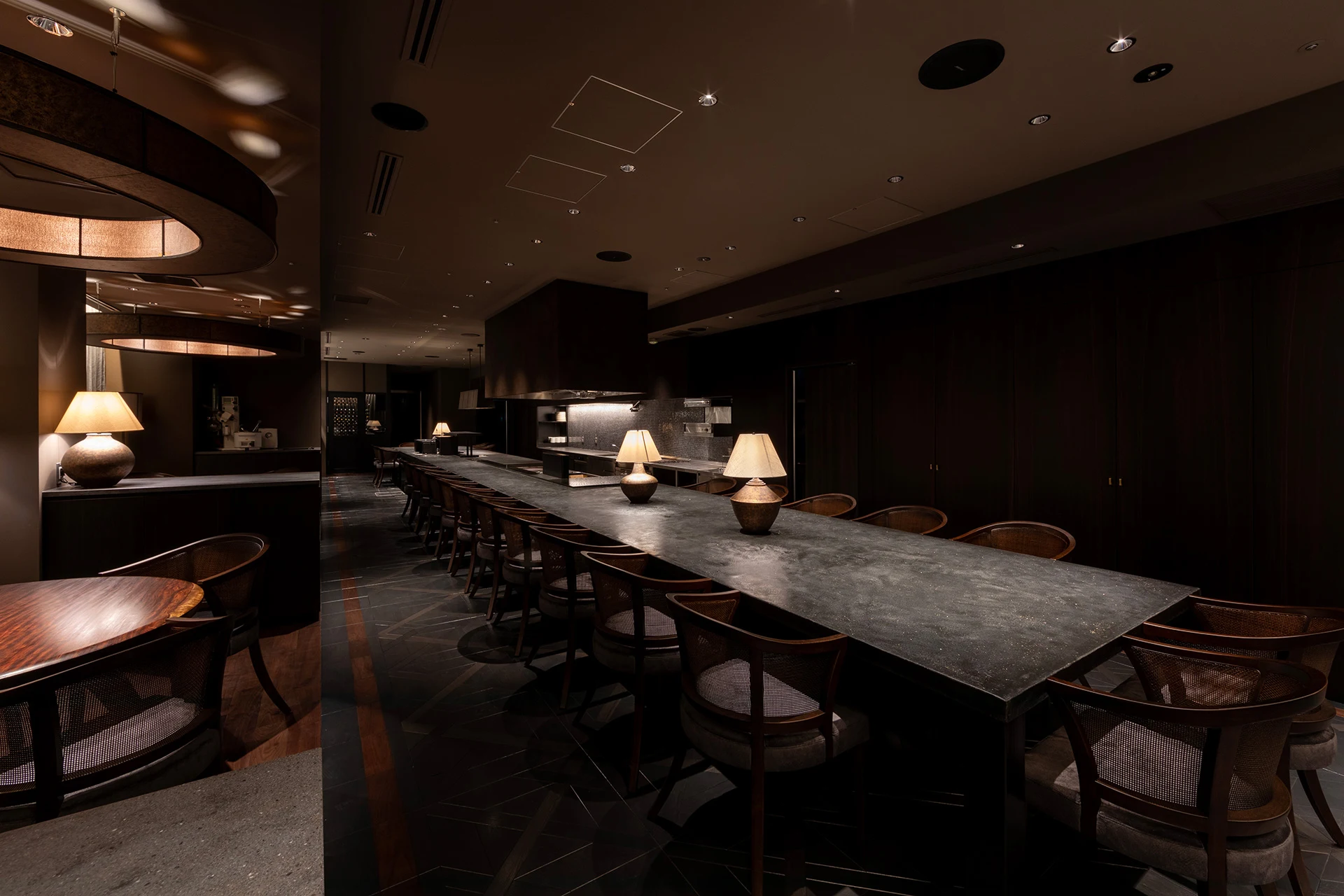
| Florilège | Modern French-Japanese Plant-Based Fine Dining | Tokyo | Michelin 2 Stars, 50 Best |
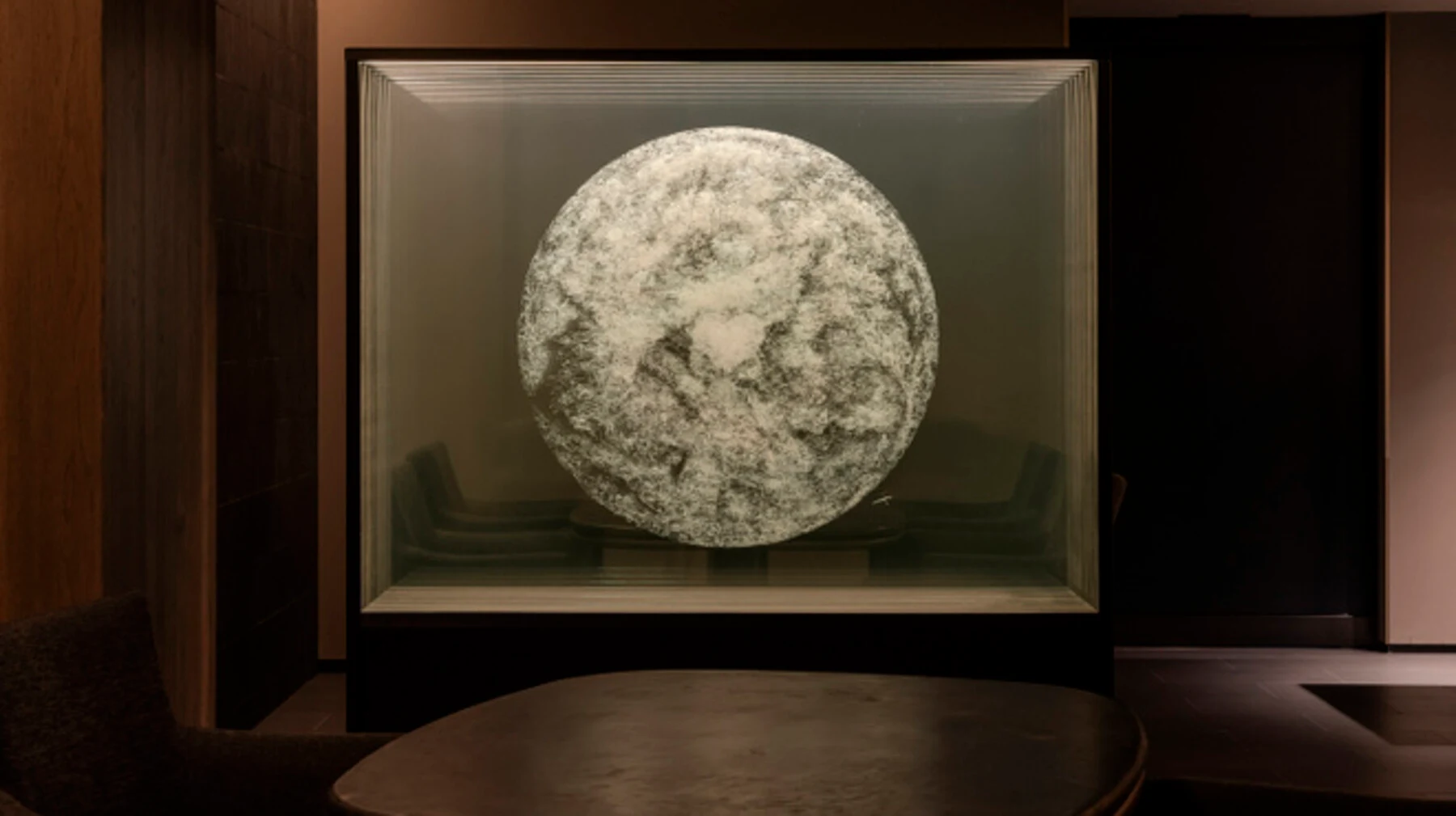
| HAJIME | Avant-Garde Japanese Fine Dining | Osaka | Michelin 3 Stars, 50 Best |
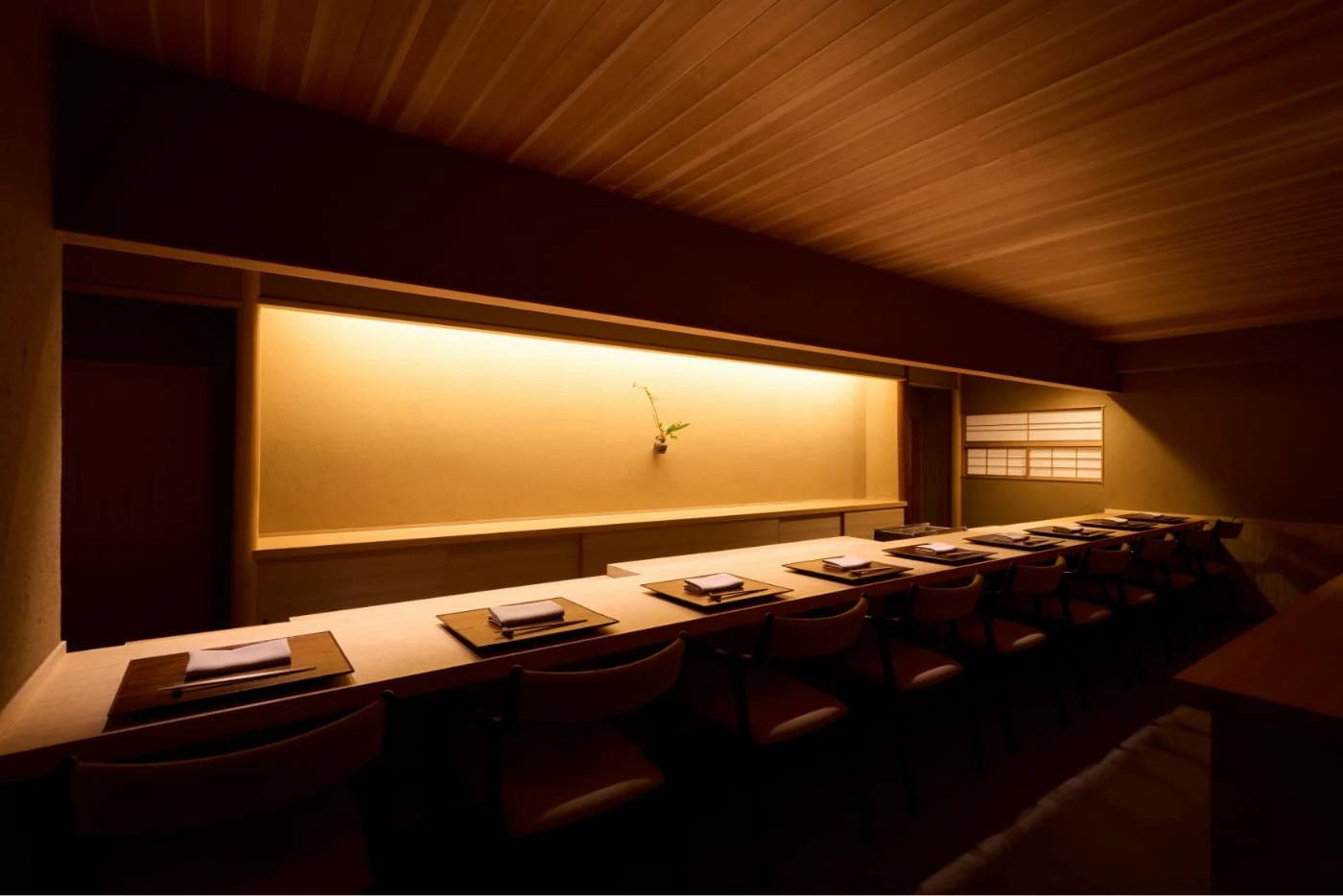
| Myojaku | Modern Minimalist Kaiseki | Tokyo | Michelin 3 Stars, 50 Best |
| Pierre Gagnaire | Avant-Garde French Fine Dining | Paris | Michelin 3 Stars, 50 Best |
| The Clove Club | Modern British Fine Dining | London | Michelin 2 Stars, 50 Best |
Similar places
Basque Wood-Fired Grill
Asador Etxebarri
Atxondo, Spain
★ · 50 Best
Modern French-Japanese Plant-Based Fine Dining
Florilège
Tokyo, Japan
★★ · 50 Best
Avant-Garde Japanese Fine Dining
HAJIME
Osaka, Japan
★★★ · 50 Best
Modern Minimalist Kaiseki
Myojaku
Tokyo, Japan
★★★ · 50 Best
Avant-Garde French Fine Dining
Pierre Gagnaire
Paris, France
★★★ · 50 Best
Modern British Fine Dining
The Clove Club
London, United Kingdom
★★ · 50 Best
The Sunday email
Read about the people behind restaurants like Jabulani Safari in the Sunday email.
Every Sunday we send a lead story and up to four more about the chefs, winemakers, sommeliers and hoteliers behind the restaurants, bars, wineries and hotels we cover.
Recent stories
Free. One email a week, and you can unsubscribe from any issue.