Jammertal Wine Estate operates from the heart of Villány, one of Hungary's most consequential red wine appellations. Recognised with a Pearl 2 Star Prestige award in 2025, the estate sits within a peer group defined by serious barrel work and age-worthy Cabernet Franc and Merlot. For visitors tracing the southern reaches of Hungarian viticulture, Jammertal offers a direct entry point into Villány's winemaking character.
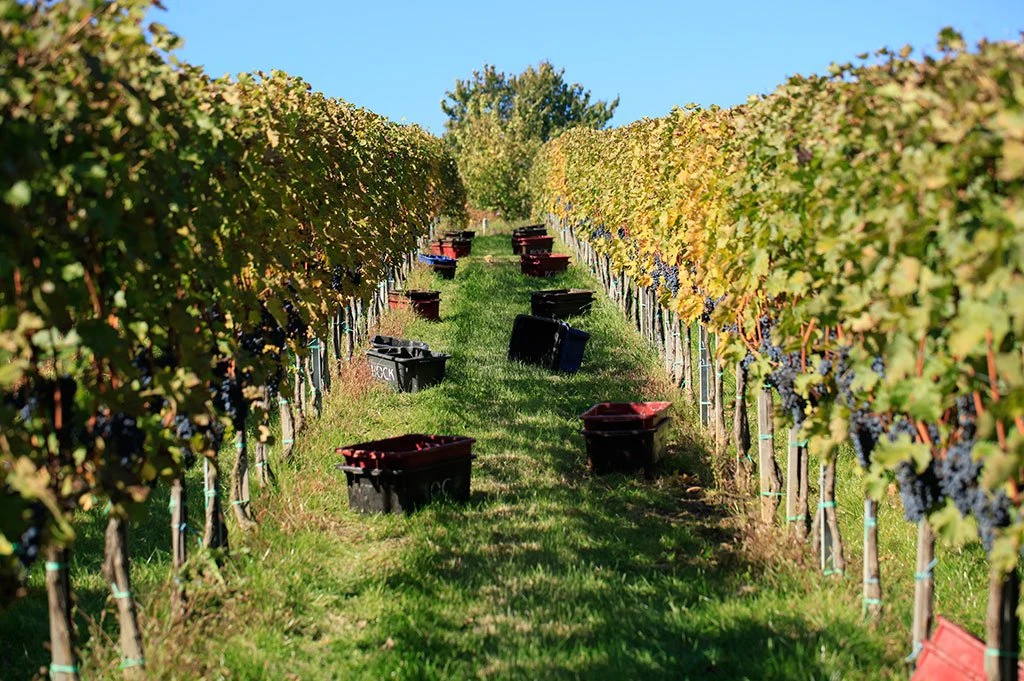
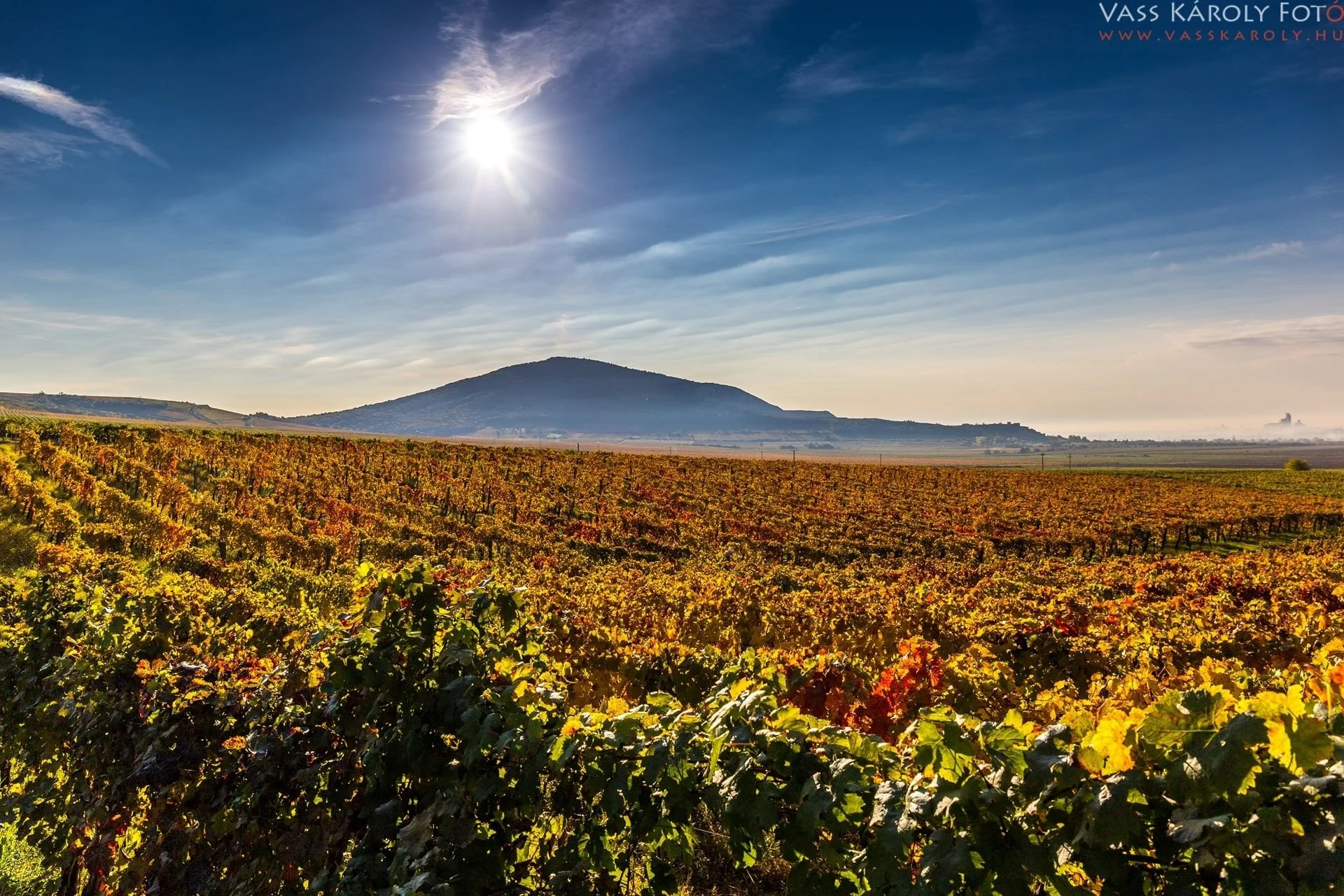
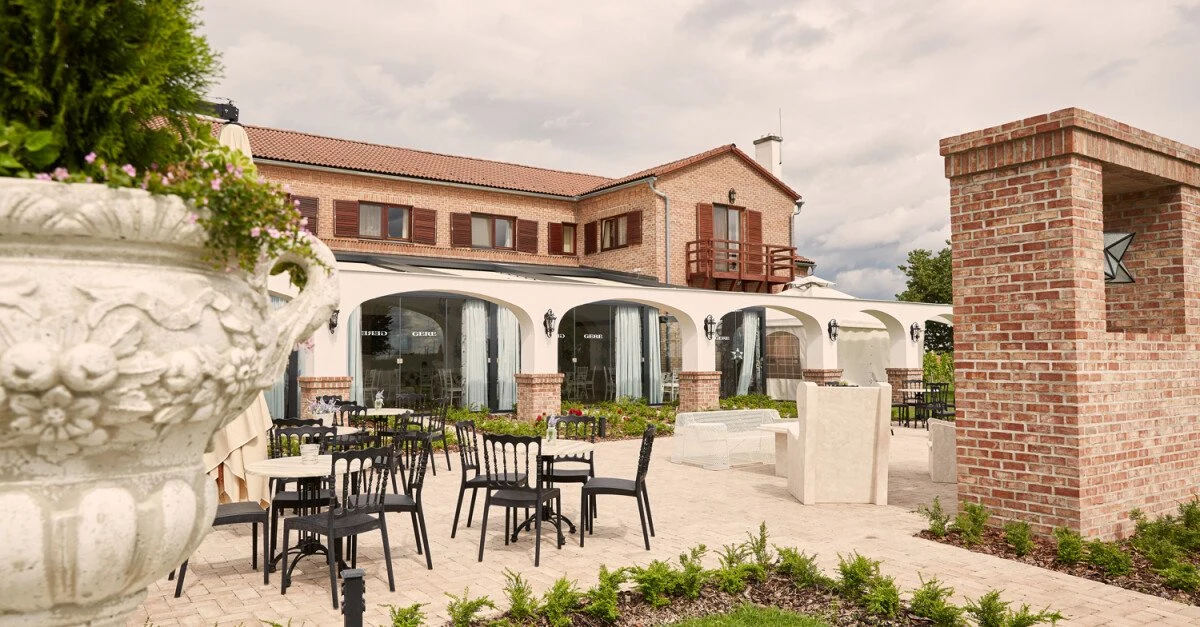
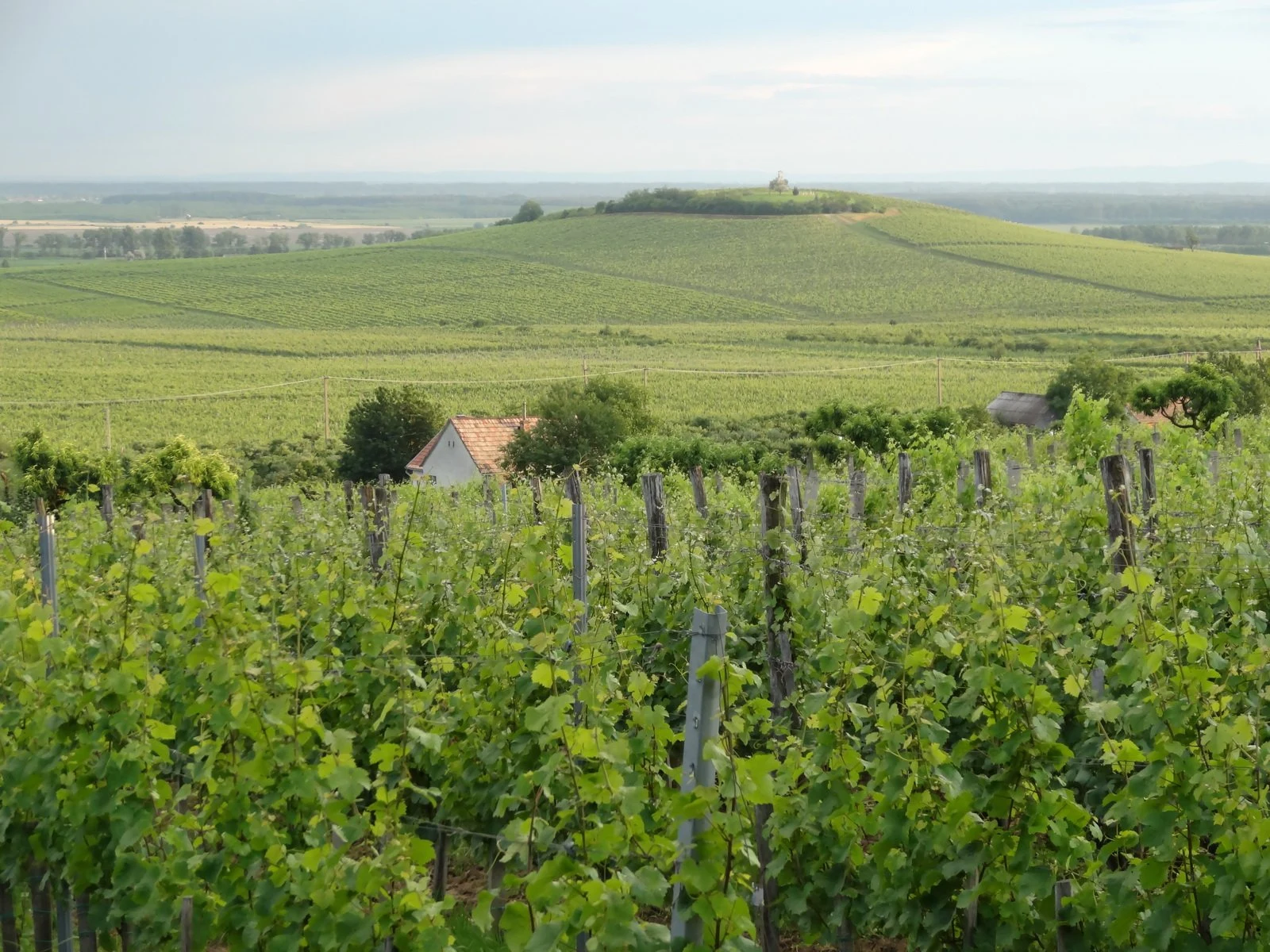
<h2>Where Villány's Cellar Tradition Takes Shape</h2><p>Arrive in Villány on a late afternoon and the town reads as a series of stone facades, low-slung cellar doors, and vine rows climbing toward the Szársomlyó hill. The southern Hungarian sun is harder here than almost anywhere else in the country, and the limestone-laced soils hold warmth well into autumn. These are the conditions that made Villány Hungary's most internationally recognised red wine region, and they are the conditions that determine what estates like Jammertal Wine Estate, at Baross Gábor u. 106, are working with every harvest. The address places the estate along one of the town's main winemaking corridors, where cellars run deep and the question of what happens after picking dominates the conversation.</p><h2>The Prestige Tier in a Serious Appellation</h2><p>Villány's premium tier has consolidated around a group of estates whose reputations rest on barrel discipline and patient release schedules rather than volume. The 2025 Pearl 2 Star Prestige recognition awarded to Jammertal positions it within this upper bracket.</p><p>The distinction matters because Villány has spent the past two decades moving away from a reputation for extracted, over-oaked reds toward a more measured approach to tannin management and oak integration. Estates earning recognition in this tier are generally those whose barrel programs have matured alongside their vineyards, with decisions about new oak percentages and aging duration reflecting accumulated knowledge of how specific parcels evolve.</p><h2>The Cellar as Argument</h2><p>In Villány, the cellar is not incidental infrastructure. It is the central argument a winemaker makes about their wines. The region's dominant varieties, Cabernet Franc, Merlot, Blaufränkisch (known locally as Kékfrankos), and Cabernet Sauvignon, all respond to barrel time differently, and the decisions made in the months after harvest, which barrels, which cooperage, how long, at what humidity, shape the final wine as decisively as any vineyard choice. For an estate operating at Prestige level, the cellar program is where a distinctive house style either emerges or collapses.</p><p>Villány's leading cellars tend to run deeper and cooler than their Eger counterparts to the north, with the regional preference for extended maceration and structured oak programs visible in wines that often require three to five years from vintage before they begin showing the complexity that earned them their scores. Visitors who taste young wines from the region's prestige estates are frequently tasting statements of intent rather than finished arguments. The payoff comes with bottle age, which is precisely why estates with demonstrable cellar track records attract the most sustained collector attention.</p><h2>Villány Against the Hungarian Context</h2><p>Hungary's wine map divides roughly between the red wine country of the south, anchored by Villány and Szekszárd, and the white and sweet wine traditions of the northeast, where Tokaj dominates. The contrast is worth understanding for anyone planning a serious visit to either region. Tokaj's prestige estates, including <a href="https://www.enprimeurclub.com/wineries/disznoko-mezozombor-winery">Disznókő in Mezőzombor</a>, <a href="https://www.enprimeurclub.com/wineries/royal-tokaji-mad-winery">Royal Tokaji in Mád</a>, <a href="https://www.enprimeurclub.com/wineries/tokaj-hetszolo-tokaj-winery">Tokaj Hétszőlő in Tokaj</a>, <a href="https://www.enprimeurclub.com/wineries/tokaj-oremus-tolcsva-winery">Tokaj Oremus in Tolcsva</a>, and <a href="https://www.enprimeurclub.com/wineries/arvay-winery-ratka-winery">Árvay Winery in Rátka</a>, operate within a tradition shaped by botrytis, oxidative aging, and the particular logic of Furmint and Hárslevelű. Villány's logic is almost entirely different: structured reds, reductive cellar work, and a continental climate that delivers the heat accumulation those varieties need to ripen fully.</p><p>Outside Hungary entirely, the cellar-and-aging framework that defines Villány's ambitions finds analogies in regions as different as <a href="https://www.enprimeurclub.com/wineries/aberlour-aberlour-winery">Aberlour in Aberlour</a> and <a href="https://www.enprimeurclub.com/wineries/accendo-cellars">Accendo Cellars in St. Helena</a>, where the conversation about what aging does to structured tannins is equally central to the estate's identity. The framework is international; the specific material is distinctly Villány. For broader Hungarian wine context beyond Villány itself, <a href="https://www.enprimeurclub.com/wineries/babarczi-winery-gyor-winery">Babarczi Winery in Győr</a> and <a href="https://www.enprimeurclub.com/wineries/beres-winery-erdobenye-winery">Béres Winery in Erdőbénye</a> offer useful comparative reference points for understanding how the country's winemaking ambitions extend across different terroirs.</p><h2>The Visitor Experience in Villány</h2><p>Villány functions as a working wine town rather than a polished tourism destination, which is part of its appeal for visitors who find Tokaj's more developed infrastructure slightly self-conscious. The cellars are real working spaces, not museum reconstructions, and tasting appointments here carry the directness of a producer showing you something they actually care about. The town is compact enough to cover several estates on foot or by bicycle in a single day, with the wine road connecting the main addresses without requiring a car for every stop.</p><p>The seasonal logic of visiting Villány favours autumn, specifically October and early November, when harvest activity gives the town a purposeful energy and barrel samples from the current vintage are sometimes available alongside library releases. Spring visits offer a different perspective, with wines from the previous autumn's harvest beginning to settle into their oak and the estates preparing for the first assessments of how the vintage is developing. Summer brings the highest visitor numbers but the most abbreviated tasting windows, as estates balance cellar work with a sustained stream of walk-ins. For anyone whose interest lies specifically in understanding barrel programs and aging decisions, a pre-arranged visit outside peak summer months allows for longer, more technical conversations.</p><p>Practical planning for Jammertal begins with a direct approach to the estate at Baross Gábor u. 106, Villány 7773. Appointments are required, so contact the estate directly before arrival.</p><h2>What the 2025 Recognition Means in Practice</h2><p>Award structures in Hungarian wine have become more rigorous over the past decade, with the Pearl system in particular gaining credibility as a multi-vintage, multi-criteria assessment rather than a single-competition snapshot. A 2 Star Prestige classification in 2025 reflects consistent performance at a level where technical execution in the cellar is assumed and the assessment turns on whether the wines actually deliver on the promise that execution sets up. For Jammertal, operating within the dense competitive field that Villány represents, that recognition provides a useful external signal for visitors deciding where to allocate tasting time across a region with no shortage of serious producers.</p><p>The Villány estates that have built sustained collector followings share a common characteristic: their wines need time, and their winemakers know it. The 2025 Pearl 2 Star Prestige award places Jammertal in the company of estates whose cellar programs have demonstrated that patience, and whose wines reward it.</p>
Jammertal Wine Estate has received recognition including: Pearl 2 Star Prestige (2025).
Jammertal Wine Estate is located at Villány, Baross Gábor u. 106, 7773, Villány.
Villány's reputation is built almost entirely on red varieties, with Cabernet Franc, Merlot, and the local Portugieser forming the backbone of most serious estates in the appellation. At Jammertal, the 2025 Pearl 2 Star Prestige recognition points toward wines of barrel-aged depth and considered release timing. Prioritise any reserve or prestige-tier bottlings, as that is where Pearl evaluators typically find the evidence they reward.
Jammertal's 2025 Pearl 2 Star Prestige award places it firmly in Villány's upper tier, a designation the Pearl system awards only after multi-vintage evaluation rather than a single strong release. That credential signals consistency in cellar work, which in Villány's climate means managing extraction and oak across warm, concentrated harvests. The estate is based at Baross Gábor u. 106 in the town of Villány itself, positioning it within the appellation's core production zone.
Villány, Baross Gábor u. 106, 7773
Villány