Made ByWinery
King Family Vineyards
- 01CityCrozet, France
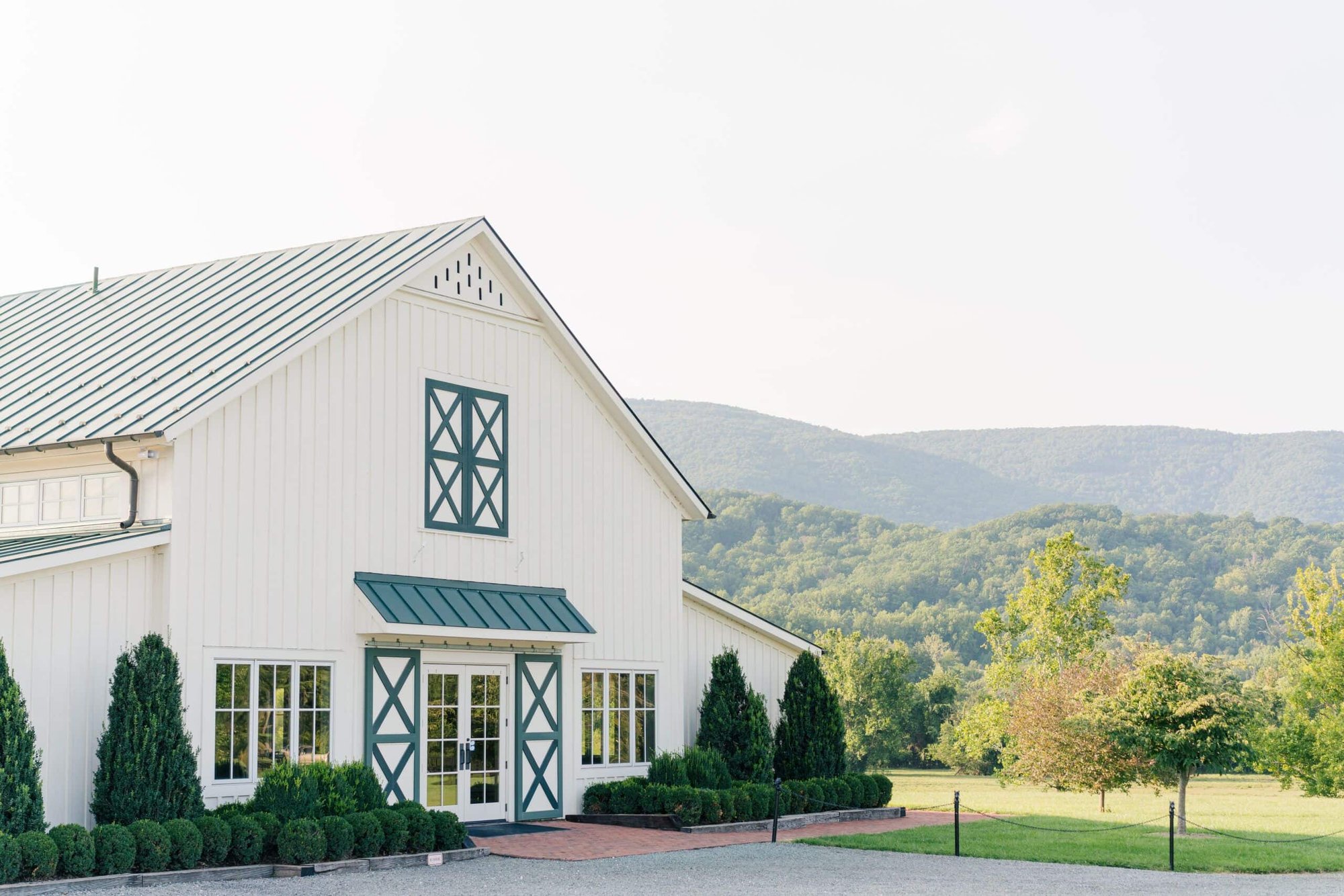
King Family Vineyards holds a Pearl 1 Star Prestige rating (2025) and operates out of Crozet, placing it among the credentialed producers in a region where estate winemaking carries increasing critical weight. The winery represents a serious benchmark for Virginia viticulture, earning recognition that positions it alongside producers drawing international comparison.
Virginia Wine at Altitude: Where Crozet Sits in the American Conversation
The Blue Ridge foothills around Crozet have become one of the more closely watched wine territories on the East Coast, not because of volume, but because a handful of producers here have accumulated enough critical recognition to shift how sommeliers and collectors think about Virginia altogether. The elevation, the diurnal temperature swings, and the mix of clay and loam soils create growing conditions that diverge sharply from the coastal plain, allowing varieties to retain acidity in a way that distinguishes Crozet-area wines from the broader Virginia AVA. King Family Vineyards, a winery in Crozet, Virginia, carries a Pearl 1 Star Prestige award in 2025.
For context, the Pearl Prestige system functions as an independent quality benchmark across wine estates globally, and a 1 Star Prestige designation places a producer alongside peers who are earning similar recognition in regions as distinct as Alsace, Bordeaux, and Napa. Consider the range: Albert Boxler in Niedermorschwihr carries Prestige recognition for Alsatian Riesling and Pinot Gris depth, while Château Batailley in Pauillac represents the classic Left Bank framework. That King Family Vineyards appears in the same tier signals something specific: the quality argument for Virginia wine is no longer regional boosterism. It has external validation.
The Winemaking Orientation at King Family
Approaching King Family Vineyards from the editorial angle of winemaker philosophy requires honesty about what the verified record shows: the specific winemaking personnel and their documented training are not publicly detailed in the sources available here. The 2025 Pearl 1 Star Prestige award does confirm a recognized level of quality.
In Virginia's top tier, the philosophical divide among producers tends to fall along a familiar axis: those who chase Bordeaux-style blends, treating Cabernet Franc and Merlot as the backbone, versus those who work Viognier, Petit Verdot, and experimental varieties into more distinctive regional signatures. The Crozet area's cooler growing conditions encourage the former approach, where Cabernet Franc in particular shows a precision and herbaceous lift that warmer Virginia regions struggle to replicate. Estates here tend to prize restraint over extraction, which aligns their wines more closely with the European critical vocabulary, and makes them legible to the kind of palate that also reaches for Château Bélair-Monange in Saint-Emilion or Château Clinet in Pomerol.
The broader winemaking context in this part of Virginia is one of increasing precision over the past decade. Vineyard management has shifted toward lower yields, later harvests calibrated to phenolic rather than sugar ripeness, and sorting practices borrowed from European estate models. These aren't minor technical adjustments; they represent a generational shift in how Virginia producers think about quality signals and who they see as their competitive peer group.
Crozet in the Virginia Wine Picture
Crozet sits within Nelson County, which falls inside the Monticello AVA, a designation named for Thomas Jefferson's estate and carrying the historical weight of being one of the oldest wine-producing regions in American history, even if commercial success came much later. The AVA now counts among the most credentialed in Virginia, and the sub-cluster around Crozet and the immediate Blue Ridge foothills has developed a distinct identity within it. Elevations here push into ranges that produce meaningfully different results than the valley floor, and producers who have planted at higher sites consistently report longer hang times and more complex fruit development.
For a visitor arriving from outside Virginia, the Crozet area rewards a two-day approach rather than a single-day sweep. The density of credentialed estates within a short radius, King Family Vineyards among them, alongside Grace Estate Winery in the same immediate area, means that a focused itinerary can cover serious ground without the scattered touring that frustrates visitors in less concentrated wine regions.
Placing the Pearl Prestige Award
Awards systems in wine function as shorthand for a specific kind of due diligence, and the Pearl Prestige tier deserves some unpacking for readers less familiar with its methodology. The system evaluates estates across multiple dimensions, not just critical tasting scores but production consistency, regional expression, and positioning within a comparable set. A 1 Star designation in 2025 means the evaluation process placed King Family Vineyards in the upper tier of producers reviewed, comparable in structural terms to the recognition earned by estates like Château Boyd-Cantenac in Cantenac, Château Branaire Ducru in St-Julien, or Château Cantemerle in Haut-Médoc within their own regional frameworks.
That comparison isn't meant to suggest stylistic equivalence, Bordeaux classified growths and a Virginia estate winery operate in different commercial and historical registers. The point is simpler: the benchmark these producers have cleared is the same external standard, applied consistently. For a buyer or visitor trying to assess whether a Virginia estate is worth serious attention, that kind of cross-regional credential carries weight that regional awards alone cannot provide.
Other Prestige-tier producers worth understanding as reference points across different categories include Château Bastor-Lamontagne in Preignac for Sauternes, Château d'Arche in Sauternes, and at the more experimental end of the spectrum, Château d'Esclans in Courthézon for Provence rosé. The range illustrates how the Prestige designation functions across styles and regions rather than privileging any single tradition.
For readers interested in calibrating against non-wine Prestige holders, Aberlour in Aberlour and Chartreuse in Voiron show how the system operates across spirits categories, while Accendo Cellars in St. Helena provides a California Cabernet reference point within the wine tier itself.
Planning a Visit
The Pearl 1 Star Prestige credential suggests strong demand and a high level of interest. Estates with recognised award status in this region tend to run tasting appointments rather than walk-in service, particularly during the high-season months of late spring through harvest. Plan ahead for weekend visits, especially in summer and during harvest.
The Crozet area sits roughly an hour west of Charlottesville, which serves as the practical travel hub for the Monticello AVA. Charlottesville offers hotel infrastructure that the immediate Crozet area lacks, making it the logical base for multi-estate itineraries. The drive into the Blue Ridge foothills is part of the experience in a literal sense, the elevation gain from the valley floor to the higher vineyard sites is visible and meaningful, and it explains physically what the tasting notes describe.
Frequently asked
Has King Family Vineyards won any awards?
King Family Vineyards has received recognition including: Pearl 1 Star Prestige (2025).
What wines is King Family Vineyards known for?
The verified record for King Family Vineyards does not specify individual varieties or labels, but its location in the Monticello AVA — a designation historically associated with Bordeaux-style reds and Viognier — gives context to the likely range. The 2025 Pearl 1 Star Prestige award signals a standard of production that reviewers considered worth formal recognition. For the current portfolio, contact the vineyard directly.
What's King Family Vineyards best at?
The 2025 Pearl 1 Star Prestige award places King Family Vineyards among producers whose work meets a structured critical threshold, which in the Monticello AVA typically reflects consistent quality across growing seasons. Crozet's Blue Ridge foothills provide elevation and diurnal temperature shifts that are well-suited to retaining acidity in red and white wines alike. That combination of terroir advantage and formal recognition is the clearest credential on record.
How far ahead should I plan for King Family Vineyards?
Specific booking windows and tasting reservation policies are not in the current public record for King Family Vineyards, so lead time is best confirmed directly with the estate. Virginia wine country, particularly around Crozet and Nelson County, draws significant weekend traffic from Washington D.C. and Charlottesville, which means popular tasting windows at award-holding producers often fill quickly. Planning at least two to three weeks ahead is a reasonable baseline for weekend visits.
Does King Family Vineyards hold any formal wine awards, and what does that mean for the quality tier?
King Family Vineyards holds a Pearl 1 Star Prestige award as of 2025, which places it within a recognised tier of producers assessed against a structured critical standard. In the Monticello AVA, where Crozet sits, formal award recognition carries weight because the region is still establishing its critical identity relative to longer-established American wine regions. That credential makes King Family Vineyards a useful anchor visit for readers benchmarking Virginia wine against broader East Coast production.
What's the best use case for King Family Vineyards?
King Family Vineyards suits visitors who are tracking the Monticello AVA's development as a serious East Coast wine region, not those looking for a resort-style tasting experience. The Pearl 1 Star Prestige recognition in 2025 makes it a useful reference point when building an itinerary around Crozet and Nelson County producers. It fits naturally into a half-day wine circuit rather than a standalone destination trip, particularly for those already based in Charlottesville.
What's a smart way to approach King Family Vineyards?
Arrive with some working knowledge of the Monticello AVA's positioning — Jefferson's own failed attempts to grow vinifera here make the region's modern success a more interesting story. The Pearl 1 Star Prestige award (2025) gives you a concrete reference point for the quality conversation. Pairing the visit with at least one other Nelson County producer gives useful comparative context without requiring a full day on the road.
How it compares
King Family Vineyards
- Price
- —
- Awards
- 1 recognition
- Notes
- Winery
Domaine Jean-Marc Brocard
- Price
- $$
- Awards
- 1 recognition
- Notes
- Préhy, Chardonnay, Sauvignon Blanc
Christian Drouin
- Price
- $$
- Awards
- 1 recognition
- Notes
- Pays d'Auge, Mettais, Domaine
Château Filhot
- Price
- $$$
- Awards
- 1 recognition
- Notes
- Sauternes, Sémillon, Sauvignon Blanc
Pierre Paillard
- Price
- $$$
- Awards
- 1 recognition
- Notes
- Bouzy, Pinot Noir, Chardonnay
Château de Pommard
- Price
- $$$
- Awards
- 1 recognition
- Notes
- Pommard, Pinot Noir, Chardonnay