- Opinionated About Dining Top Restaurants in Japan Recommended · 2026
- Michelin Plate · 2026
- Tabelog Bronze #232: 4.3pts · 2026
- Tabelog Bronze · 2025
- Michelin Plate · 2025
- Tabelog 100 #56: 4.2pts · 2025
- Opinionated About Dining Top Restaurants in Japan Ranked #318 · 2025
- Opinionated About Dining Top Restaurants in Japan Ranked #277 · 2024
A Counter in the Kita Ward Quiet
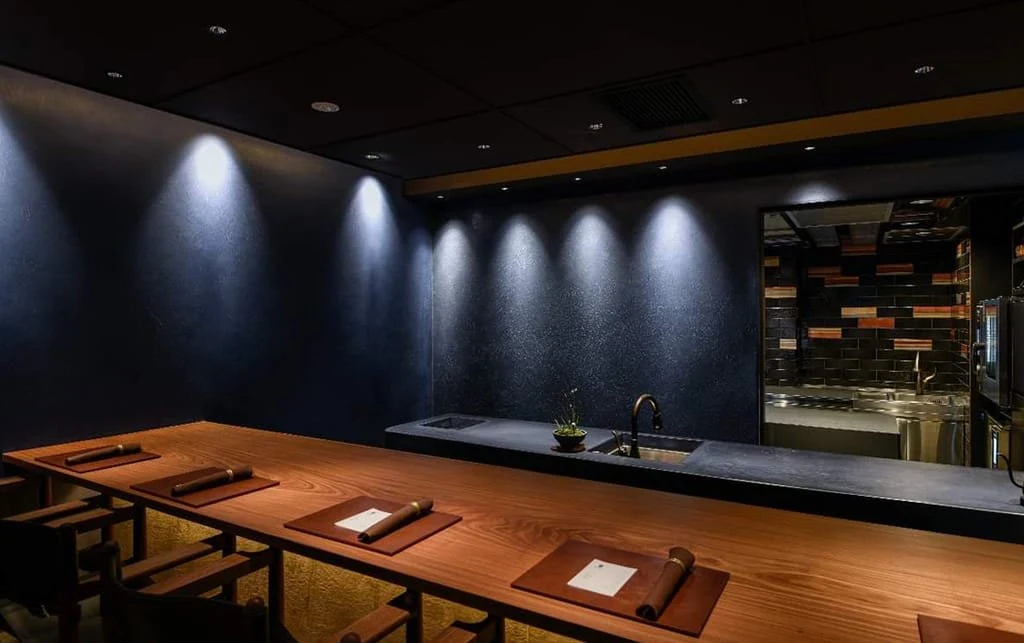
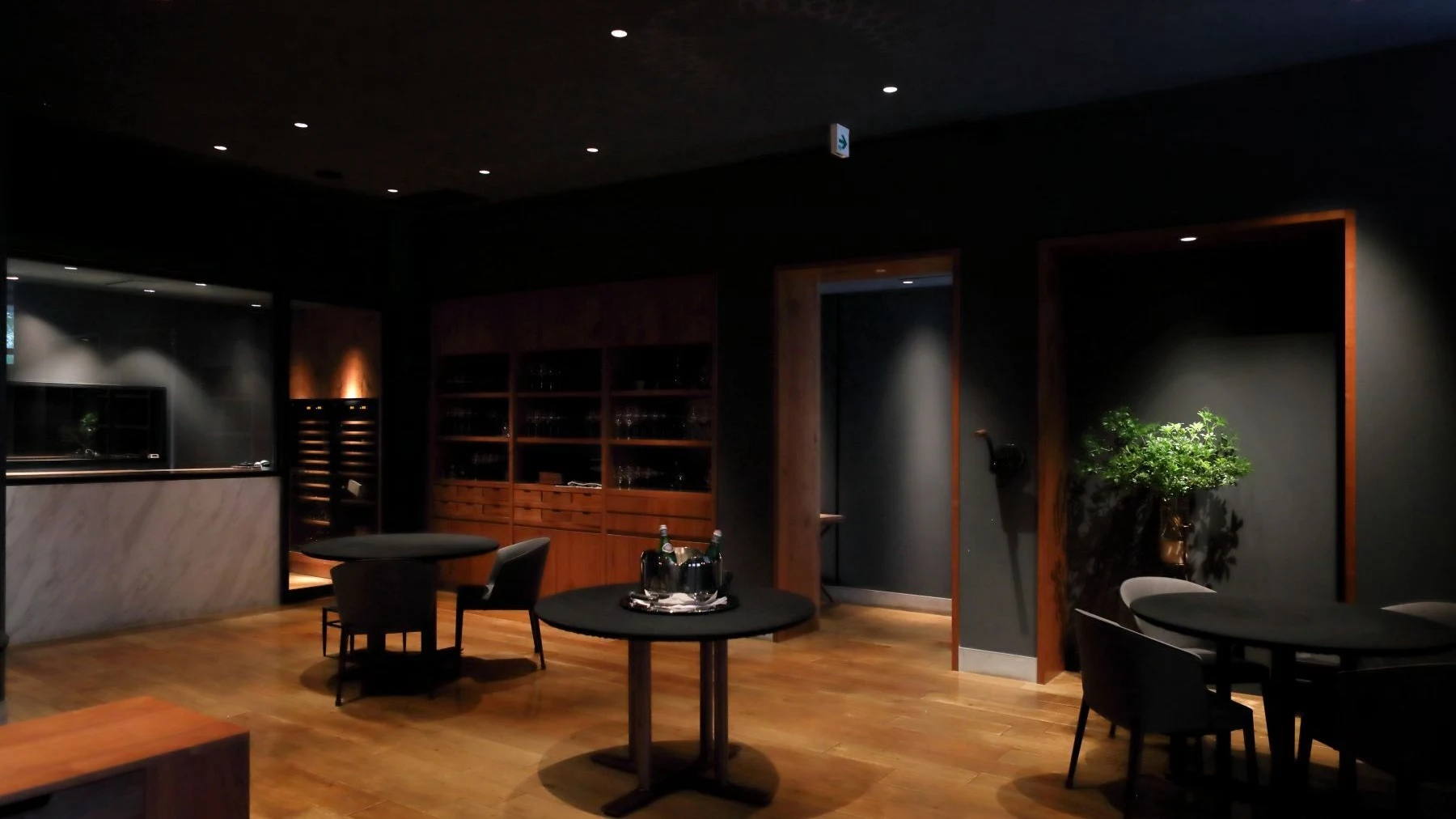
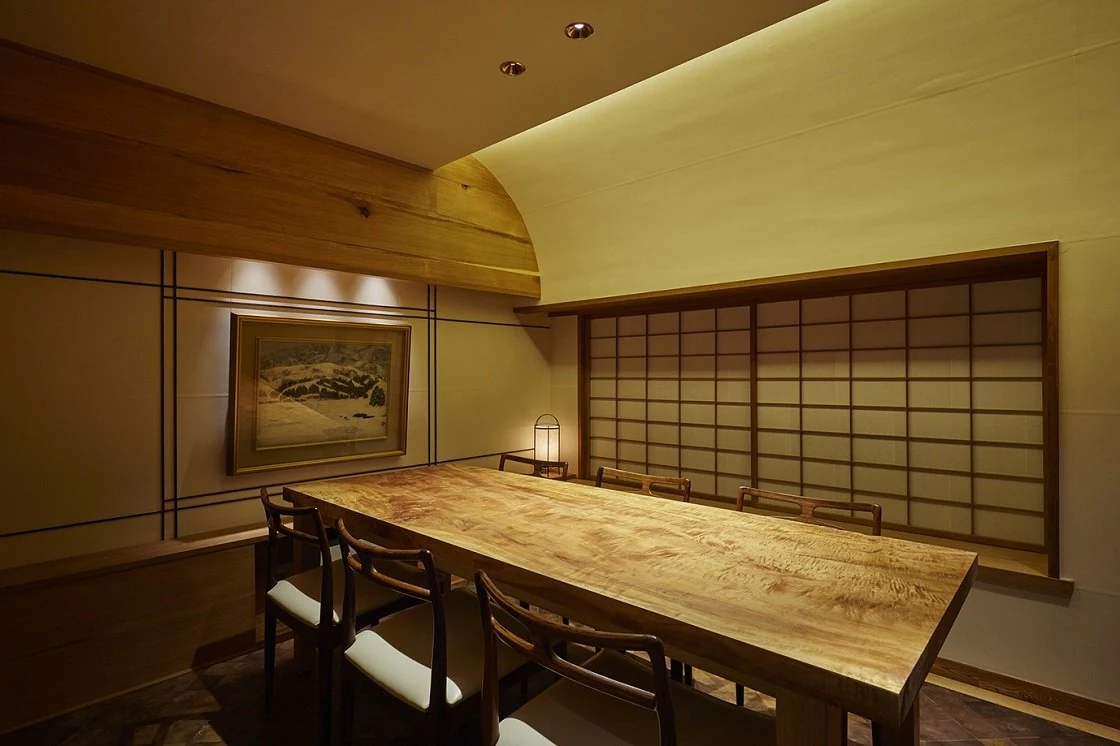
La Kanro is a modern French fine dining restaurant in Osaka's Kita Ward, with dinner around JPY 20,000 to 29,999 per person. The address in Tenjin Nishimachi, a short walk from Minamimorimachi Station on the Osaka JR Tozai Line, does not announce itself loudly. The neighbourhood sits in Kita Ward, north of the Tosabori River, where the density of Osaka's central dining corridors gives way to smaller, more deliberate addresses. It is the kind of block where restaurants are found because someone told you where to look. La Kanro fits that setting: sixteen seats, two private rooms, and a six-seat counter where the format is omakase and the conversation is about what arrived from the sea that day.
Osaka's French scene occupies a distinct position within Japan's broader range of French-influenced cooking. The city's tradition of sourcing, grounded in a produce culture that predates most Western restaurant imports, has shaped how French kitchens here operate differently from their Tokyo counterparts. Where L'Effervescence in Tokyo works within a vegetable-led, seasonally driven framework that references French naturalism, Osaka's French restaurants tend to organise themselves around fish and the daily rhythms of the central market. La Kanro follows that logic explicitly: the kitchen's stated sourcing priority is fish, and the menu structure reflects it.
The French West Tradition and Where La Kanro Sits
Japan's Tabelog platform distinguishes between its national rankings and its regional French subcategory, Tabelog French WEST, which covers the Kansai and western Japan restaurant belt. Selection for that list in 2023, alongside Bronze Award recognition in 2023, 2025, and 2026, places La Kanro within a peer group that includes some of the most closely watched French addresses in western Japan. The 4.1 Google rating and the 2026 Bronze confirm the restaurant has held that position across three award cycles rather than landing once and fading. By 2025, the platform's own category reclassification had moved La Kanro into the Innovative/Creative Cuisine Tabelog 100, signalling a shift in how Tabelog's reviewers now read the cooking: less as orthodox French and more as a cross-category practice.
That trajectory places La Kanro at a different price tier and ambition level from the Michelin three-star French addresses in Osaka. HAJIME and La Cime both operate at the ¥¥¥¥ ceiling, with La Cime holding two Michelin stars and HAJIME three. La Kanro's dinner budget of JPY 20,000 to 39,999 positions it one bracket below that ceiling. For the broader Kansai French comparable set, including La Bécasse and LE PONT DE CIEL, La Kanro occupies the middle band: recognised, awarded, and still operating below the maximum price tier.
Sourcing as the Structural Argument
The kitchen's orientation toward fish is not a casual preference: it is the architectural logic of the menu. In French cooking, fish-forward sourcing creates particular constraints and particular opportunities. The protein does not benefit from extended ageing or fat rendering; it demands a more immediate relationship between market and plate. Osaka's position relative to Osaka Bay, the Seto Inland Sea, and the broader Kansai fishing network gives French kitchens here access to product that Tokyo's equivalents often receive a day later and at a premium. The sourcing advantage is geographical and cultural simultaneously: the city's merchants and buyers have maintained direct relationships with fishing operations that predate the modern restaurant industry.
At La Kanro, that sourcing orientation combines with a deliberate restraint in technique. The kitchen minimises oil and salt, using vinegar and herbs to introduce the acidity and bitterness that French cuisine more conventionally achieves through butter emulsions and reduction. This is not a dietary choice but a flavour-philosophy one: the aim, per the chef's own framing, is cooking that does not fatigue the palate across a multi-course omakase. It is a structurally intelligent approach for a format where a guest may pass through twelve or fifteen small courses. The sourness of a herb vinaigrette serves a different function in course three than a butter sauce would serve in course nine.
The seasonal signal is clearest in the dishes that recur year after year. Lobster spring rolls garnished with flowers appear in spring; cold tournedos Rossini in autumn. Both are formally French constructions adapted to Japanese seasonal logic, where the transition of ingredients marks time as precisely as the calendar. The spring roll format borrows from Asian technique while framing lobster as the luxury reference point; the tournedos Rossini inverts the conventional hot preparation into a cold dish, which in autumn creates a different textural register and allows the sourcing quality to read without the interference of heat. These are not arbitrary variations: they reflect a kitchen working at the intersection of two culinary calendars simultaneously.
The Room and the Format
Sixteen seats across a six-seat counter and two private rooms gives La Kanro a capacity profile that keeps service ratios close. The counter seats six; one private room takes four, the other six. The format is omakase, which means the kitchen controls the sequence and the guest's role is attentive rather than directive. A 10% service charge applies. A sommelier is on the floor, and the drink program runs to wine. Credit cards are accepted; electronic money and QR code payment are not. The space has sofa seating alongside the counter. Parking is unavailable on site, but paid parking is close by.
Dinner service runs Monday through Saturday from 18:00 to 22:00. Sunday adds a lunch sitting from 12:00 to 15:00, with dinner also available. Closures are not on a fixed schedule. Reservations are essential.
For comparison with how other Japanese cities handle the French-innovative crossover, akordu in Nara applies European technique to Yamato produce in a similarly intimate format, while Goh in Fukuoka works within a Japanese framework that draws on French structure. The reference point for classical French ambition at the highest tier within Japan is arguably Hotel de Ville Crissier, which provides the European anchor against which Japan's French scene measures itself. Within Kansai, Différence and nent operate in adjacent creative territory. For those building a broader Japan itinerary, Harutaka in Tokyo, Gion Sasaki in Kyoto, 1000 in Yokohama, and 6 in Okinawa represent different regional approaches to the same fundamental question of how Japanese kitchens absorb and transform Western technique.
Know Before You Go
- Address: Tenjin Nishimachi 3-9, NUI Minamimorimachi, Kita Ward, Osaka
- Getting there: 5-minute walk from Minamimorimachi Station (JR Tozai Line); 5 minutes from Naniwabashi Station (Keihan Nakanoshima Line); 6 minutes from Kitahama Station (Sakaisuji Subway Line)
- Dinner hours: Monday–Saturday 18:00 to 22:00; Sunday lunch 12:00 to 15:00, dinner 18:00 to 22:00
- Closures: Not on a fixed schedule
- Format: Omakase
- Capacity: 16 seats (6-seat counter; private rooms for 2, 4, and 6)
- Price range: JPY 20,000 to 39,999 per person
- Service charge: 10%
- Payment: Credit cards accepted; electronic money and QR code payments not accepted
- Reservations: Via Tabelog online booking
- Drink: Wine; sommelier available
- Smoking: Non-smoking throughout
- Parking: Not on site; paid parking nearby
- Awards: Tabelog Bronze 2023, 2025, 2026; Tabelog 100 French WEST 2023; Tabelog 100 Innovative 2025; Michelin Plate 2025; OAD Japan #277 (2024), #318 (2025)
The Sunday letter
Get new places like La Kanro every Sunday.
One email a week with the restaurants, bars and hotels we have just written up, and the people who run them.
One email a week. Unsubscribe from any issue.
Questions
Frequently asked
Who works at La Kanro?
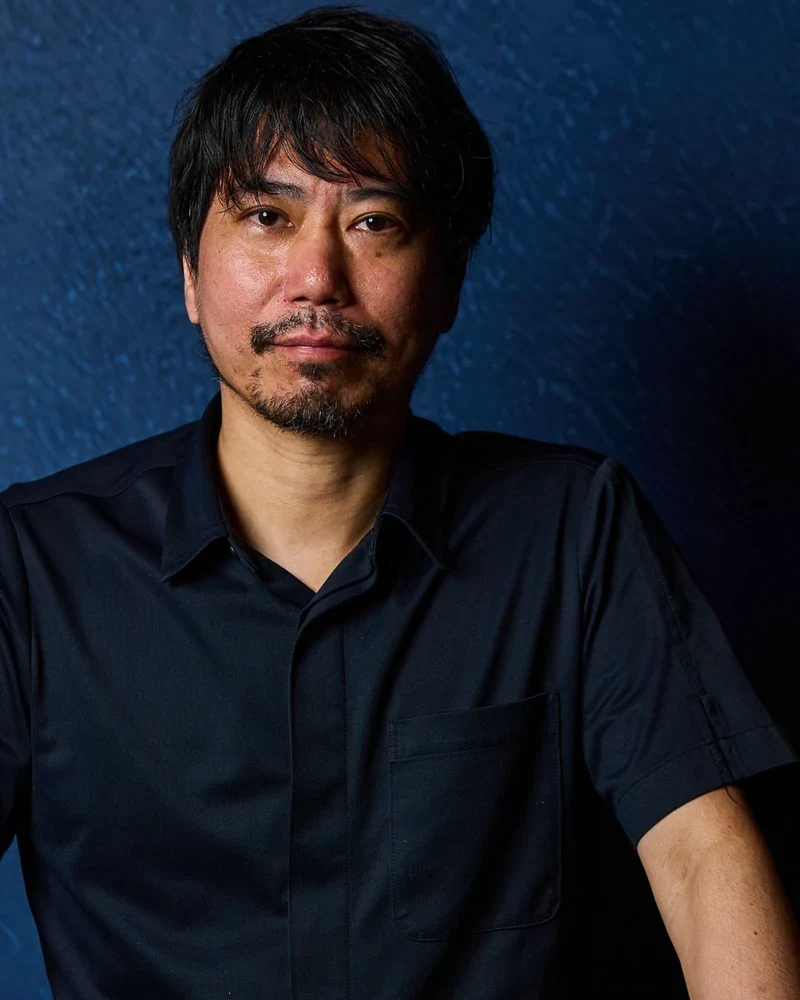
Made By profiles Junichi Nakamine (Chef) at La Kanro.
How expensive is La Kanro?
La Kanro is listed at a price level of $$$$.
Where is La Kanro and what does it serve?
La Kanro is in Kita, Osaka, serving Modern French Fine Dining.
The field
How it compares
| Place | Cuisine | Notes | Awards |
|---|---|---|---|
| La Kanro | Modern French Fine Dining | Kita, $$$$ | · |
| HAJIME | Avant-Garde Japanese Fine Dining | Osaka | Michelin 3 Stars, World's 50 Best |
| Honkogetsu | Traditional Kaiseki | Osaka | · |
| La Cime | Modern French with Japanese Ingredients | Osaka | Michelin 2 Stars, World's 50 Best |
| Numata | Michelin-Starred Tempura Omakase | Osaka | Michelin 2 Stars |
| Sushi Sanshin | Edomae Omakase Sushi | Osaka | Michelin 1 Star |
| Taian | Traditional Japanese Kaiseki Omakase | Osaka | Michelin 3 Stars |
In residence
Similar places
Avant-Garde Japanese Fine Dining
HAJIME
Osaka, Japan
★★★ · 50 Best
Traditional Kaiseki
Honkogetsu
Osaka, Japan
Modern French with Japanese Ingredients
La Cime
Osaka, Japan
★★ · 50 Best
Michelin-Starred Tempura Omakase
Numata
Osaka, Japan
★★
Edomae Omakase Sushi
Sushi Sanshin
Osaka, Japan
★
Traditional Japanese Kaiseki Omakase
Taian
Osaka, Japan
★★★
The Sunday letter
Get the next Made By story in your inbox.
We send one email every Sunday morning with the places and people we covered that week.
One email a week. Unsubscribe from any issue.