Made ByRestaurant
La Taverna di San Giuseppe
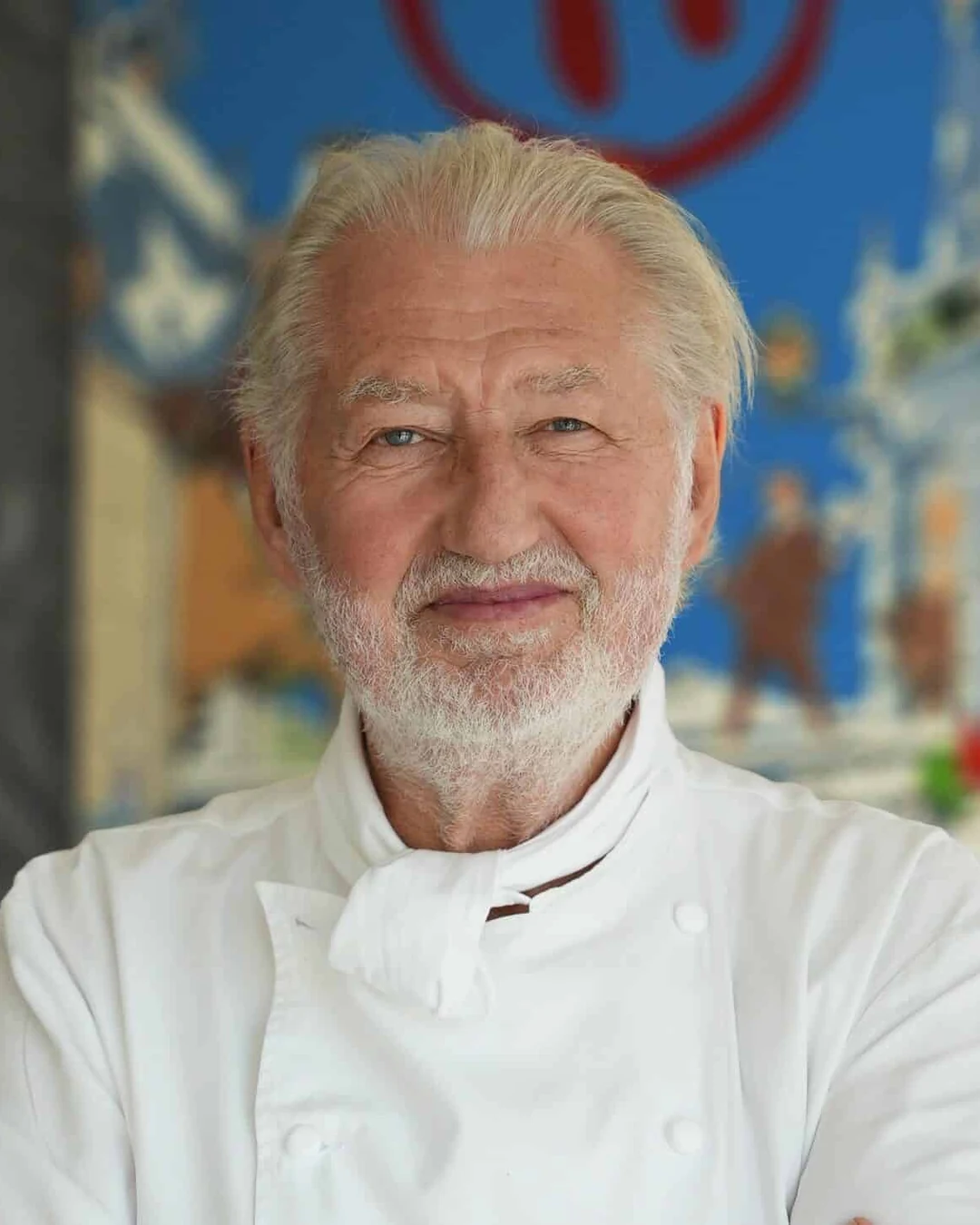
Chef in Residence
Roberto Torre
Chef
- 01CuisineTraditional Tuscan Trattoria
- 02CitySiena, Italy
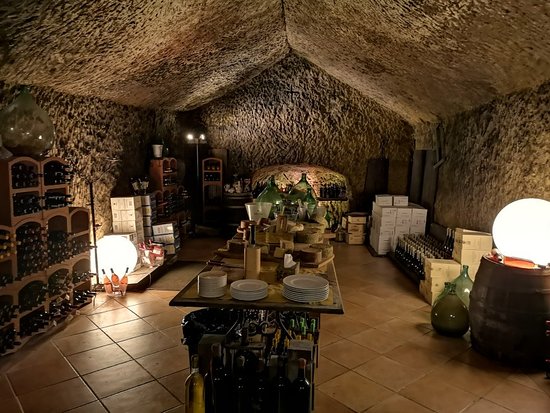
A stone-vaulted trattoria on Via Giovanni Duprè, La Taverna di San Giuseppe earns its Pearl Recommended status through committed Sienese cooking and a 4.6 rating across nearly 3,000 Google reviews. Chef Roberto Torre works within the Tuscan tradition, handmade pasta, local ingredients, the kind of cooking that has defined this city's tables for generations. For visitors and locals alike, it represents the serious end of Siena's mid-tier dining scene.
At a glance
- Cuisine
- Traditional Tuscan Trattoria
- Price
- $$$
- Per person
- $45
- Hours
- Mon: 12–2:30 PM, 7–9:30 PM; Tue: 12–2:30 PM, 7–9:30 PM; Wed: 12–2:30 PM, 7–9:30 PM; Thu: Closed; Fri: 12–2:30 PM, 7–9:30 PM; Sat: 12–2:30 PM, 7–9:30 PM; Sun: Closed
- Neighborhood
- Historic Siena
- Rating
- 4.6 (3,055)
<h2>Stone Vaults and Slow-Cooked Tradition</h2><p>Via Giovanni Duprè runs south from the Campo toward the quieter residential edges of Siena's medieval centre. The street lacks the postcard density of the Piazza del Campo's immediate orbit, which partly explains why the restaurants along it draw a different crowd: fewer day-trippers moving fast, more visitors who have found their bearings and are eating with intent. La Taverna di San Giuseppe occupies a ground-floor space typical of this quarter, thick walls, low ceilings that open into vaulted stone rooms, the kind of architecture that was already old when the Palio was being codified in the seventeenth century. Entering, you feel the temperature drop slightly and the noise from the street recede. That physical shift sets the register for what follows.</p><p>Siena's dining scene has never chased the progressive Italian cooking that earns coverage in Milan or accumulates Michelin hardware the way venues like <a href="https://www.enprimeurclub.com/restaurants/enrico-bartolini-milan-restaurant">Enrico Bartolini in Milan</a> or <a href="https://www.enprimeurclub.com/restaurants/osteria-francescana">Osteria Francescana in Modena</a> do. The city's culinary identity is rooted in something older and more intransigent: a Sienese kitchen that predates the concept of fine dining and largely ignores it. Dishes here are measured against memory and family precedent, not against the cutting edge of technique. La Taverna di San Giuseppe sits firmly within that tradition, a 2025 Pearl Recommended Restaurant working in a mode that values continuity over reinvention.</p><h2>The Pasta Question in Siena</h2><p>To understand what makes a Sienese kitchen worth attention, it helps to understand how central pasta is to the region's self-image, and how specific its forms are. Tuscan pasta is not the egg-rich, butter-finished school of Emilia-Romagna, nor the dried semolina tradition of the south. It occupies a middle position, with shapes and sauces that reflect the area's agricultural history: pici, the thick hand-rolled spaghetti that requires nothing but a rough surface and patience; pappardelle laid over braised cinghiale (wild boar) with a sauce that has been cooking since morning; ribollita, which straddles the line between soup and pasta course depending on who is making it and how long it has sat.</p><p>Chef Roberto Torre works within this framework. In the Tuscan tradition, the pasta cook's primary discipline is restraint, knowing which sauce belongs to which shape, when to add more liquid and when to reduce, how long to rest dough before working it. The regional shapes are not decorative choices; each has a sauce logic. Pici's rough surface catches a simple garlic-and-breadcrumb condiment or a slow meat ragù in a way that smooth, factory-made pasta cannot replicate. The handmade element is not a selling point so much as a technical requirement.</p><p>Comparable approaches within Tuscany can be found at <a href="https://www.enprimeurclub.com/restaurants/campo-del-drago-rosewood-castiglion-del-bosco-castiglion-del-bosco-restaurant">Campo Del Drago at Rosewood Castiglion del Bosco</a> and at <a href="https://www.enprimeurclub.com/restaurants/chic-nonna-di-vito-mollica-florence-restaurant">Chic Nonna di Vito Mollica in Florence</a>, both of which frame the Tuscan pasta tradition through a premium lens. La Taverna di San Giuseppe occupies a different point in the same continuum: trattoria-scale, without the luxury hotel context, but operating with the same underlying ingredient logic. For the broader Italian pasta tradition at its most ambitious, <a href="https://www.enprimeurclub.com/restaurants/dal-pescatore-runate-restaurant">Dal Pescatore in Runate</a> and <a href="https://www.enprimeurclub.com/restaurants/le-calandre-rubano-restaurant">Le Calandre in Rubano</a> represent what happens when the form is pushed toward its formal ceiling. La Taverna operates at a different register entirely, closer to the ground, closer to the source.</p><h2>Where It Sits in Siena's Dining Order</h2><p>Siena's restaurant scene is not large. The historic centre is a UNESCO World Heritage Site with strict regulations on development, which keeps the number of serious restaurants in the upper tiers relatively contained. At the higher end of the local spectrum, <a href="https://www.enprimeurclub.com/restaurants/il-canto-siena-restaurant">Il Canto</a> operates with the level of ambition that places it in a different conversation. <a href="https://www.enprimeurclub.com/restaurants/alle-logge-di-piazza-siena-restaurant">Alle Logge di Piazza</a> holds a strong position with its setting directly on the Campo. La Taverna di San Giuseppe's 4.6 rating across 3,055 Google reviews signals a consistency that matters in a category where a single bad service night can drag a score. Pearl Recommended status in 2025 places it in the tier of restaurants that repay a deliberate booking rather than a casual walk-in.</p><p>For the wider context of Italian cooking at the highest level, <a href="https://www.enprimeurclub.com/restaurants/enoteca-pinchiorri">Enoteca Pinchiorri in Florence</a>, <a href="https://www.enprimeurclub.com/restaurants/piazza-duomo-alba-restaurant">Piazza Duomo in Alba</a>, <a href="https://www.enprimeurclub.com/restaurants/atelier-moessmer-norbert-niederkofler-brunico-restaurant">Atelier Moessmer Norbert Niederkofler in Brunico</a>, and <a href="https://www.enprimeurclub.com/restaurants/quattro-passi-marina-del-cantone-restaurant">Quattro Passi in Marina del Cantone</a> define one end of Italy's dining range. La Taverna occupies a different but legitimate position: the serious regional trattoria that earns its place through depth of tradition rather than technique-led ambition.</p><h2>Planning Your Visit</h2><p>La Taverna di San Giuseppe is located at Via Giovanni Duprè, 132, in Siena's historic centre, walkable from the Campo in under ten minutes. The stone-vaulted interior means noise levels stay manageable even when the dining room is full, which makes it a reasonable choice for a longer, conversation-centred meal. The atmosphere runs warm rather than formal, neither a destination occasion restaurant nor a tourist-facing trattoria running on volume. Booking ahead is advisable, particularly through the summer season when Siena's visitor numbers peak and the better tables in the centro storico fill accordingly. For coffee before or after, <a href="https://www.enprimeurclub.com/restaurants/torrefazione-fiorella-siena-restaurant">Torrefazione Fiorella</a> is worth knowing.</p><p></p>
Know before you go
- Dress code
- casual
- Reservations
- essential
- Parking
- street
- Payment
- credit_card
- Groups
- Welcomed
- Children
- Welcomed
Frequently asked
Is La Taverna di San Giuseppe child-friendly?
The restaurant sits in a stone-vaulted medieval space on Via Giovanni Duprè, 132 — a setting that rewards slower, quieter dining rather than energetic family meals. Tuscan kitchens of this register tend to welcome children who are comfortable at table, though the atmosphere is better suited to adults or older children with an appetite for traditional food.
What should I expect atmosphere-wise at La Taverna di San Giuseppe?
The dining room occupies vaulted stone cellars typical of Siena's medieval residential fabric — low ceilings, thick walls, and the kind of quiet that the upper streets near the Campo rarely offer. Roberto Torre's kitchen defines the tone: this is a place built around deliberate cooking and extended meals, not a quick lunch stop.
Is La Taverna di San Giuseppe Michelin-listed?
La Taverna di San Giuseppe has received recognition including: Pearl Recommended Restaurant (2025).
What's the must-try dish at La Taverna di San Giuseppe?
The kitchen operates squarely within the Sienese tradition, where house-made pasta and slow-braised meat dishes carry the most weight. Given the Pearl Recommended 2025 recognition, the pasta programme is the clearest reason to visit — Siena's approach to egg-based and hand-rolled shapes differs meaningfully from broader Tuscan or Roman styles.
Where is La Taverna di San Giuseppe located?
La Taverna di San Giuseppe is located at Via Giovanni Duprè, 132, 53100 Siena SI, Italy, Siena.
Is there a head chef associated with La Taverna di San Giuseppe?
The chef associated with La Taverna di San Giuseppe is Roberto Torre.
Address
Via Giovanni Duprè, 132, 53100 Siena SI, Italy
Historic Siena
How it compares
- Cuisine
- Traditional Tuscan Trattoria
- Awards
- 1 recognition
- Notes
- Historic Siena, $$$
- Cuisine
- Traditional Sienese Tuscan
- Awards
- —
- Notes
- Centro Storico (Historic Center), $
- Cuisine
- Traditional Tuscan Pizza and Italian
- Awards
- —
- Notes
- Centro Storico, $$
- Cuisine
- Traditional Tuscan Trattoria
- Awards
- 1 recognition
- Notes
- Piazza del Popolo, $$$
- Cuisine
- Historic Italian Coffee & Pastry Café
- Awards
- 1 recognition
- Notes
- Centro Storico, $
- Cuisine
- Neapolitan-Style Pizza with Sienese Influences
- Awards
- —
- Notes
- Historic Center, $$
In residence
Similar places
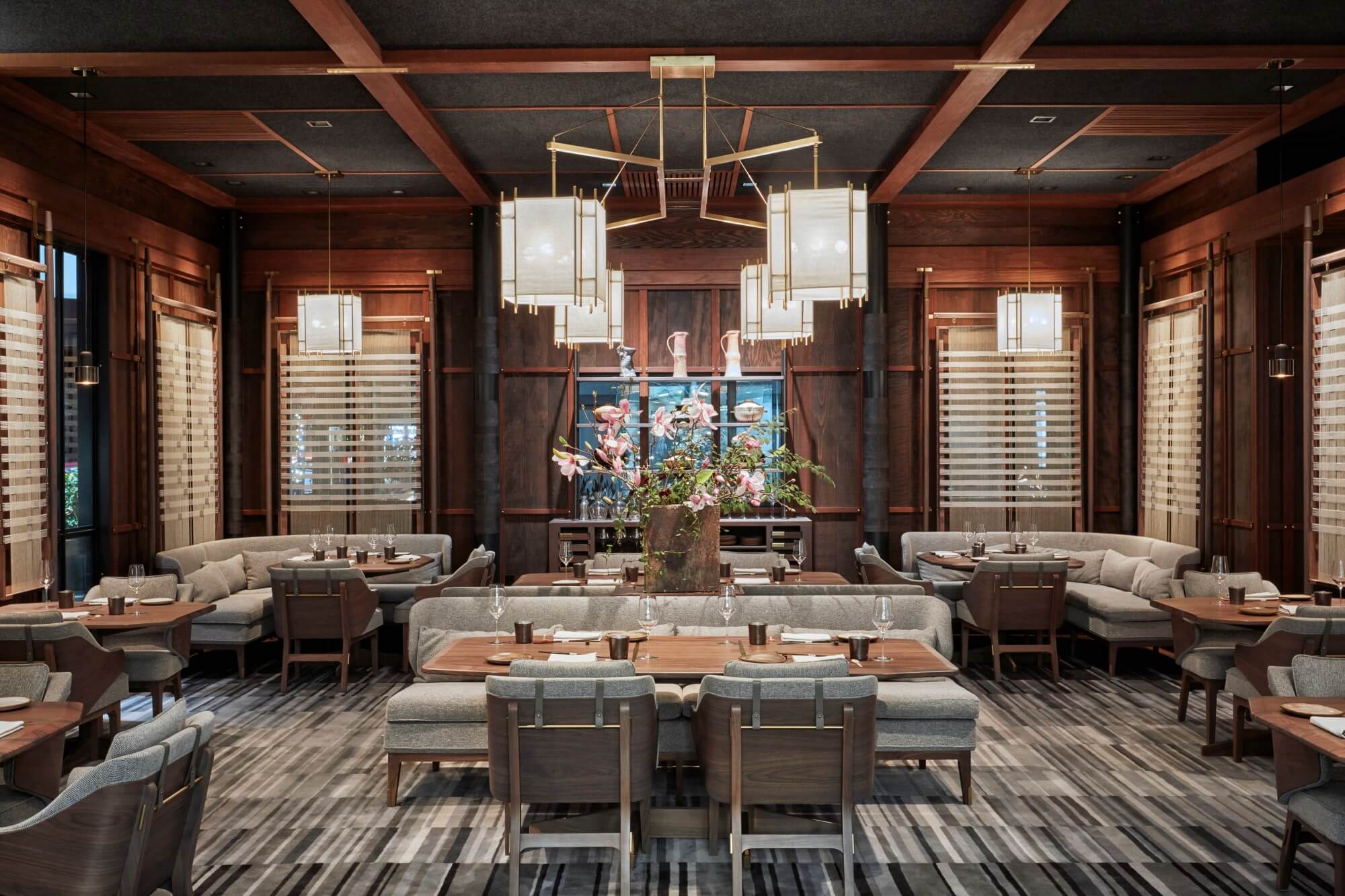
Japanese-influenced Californian Kaiseki
Single Thread Farm
Healdsburg, United States
★★★ · 50 Best
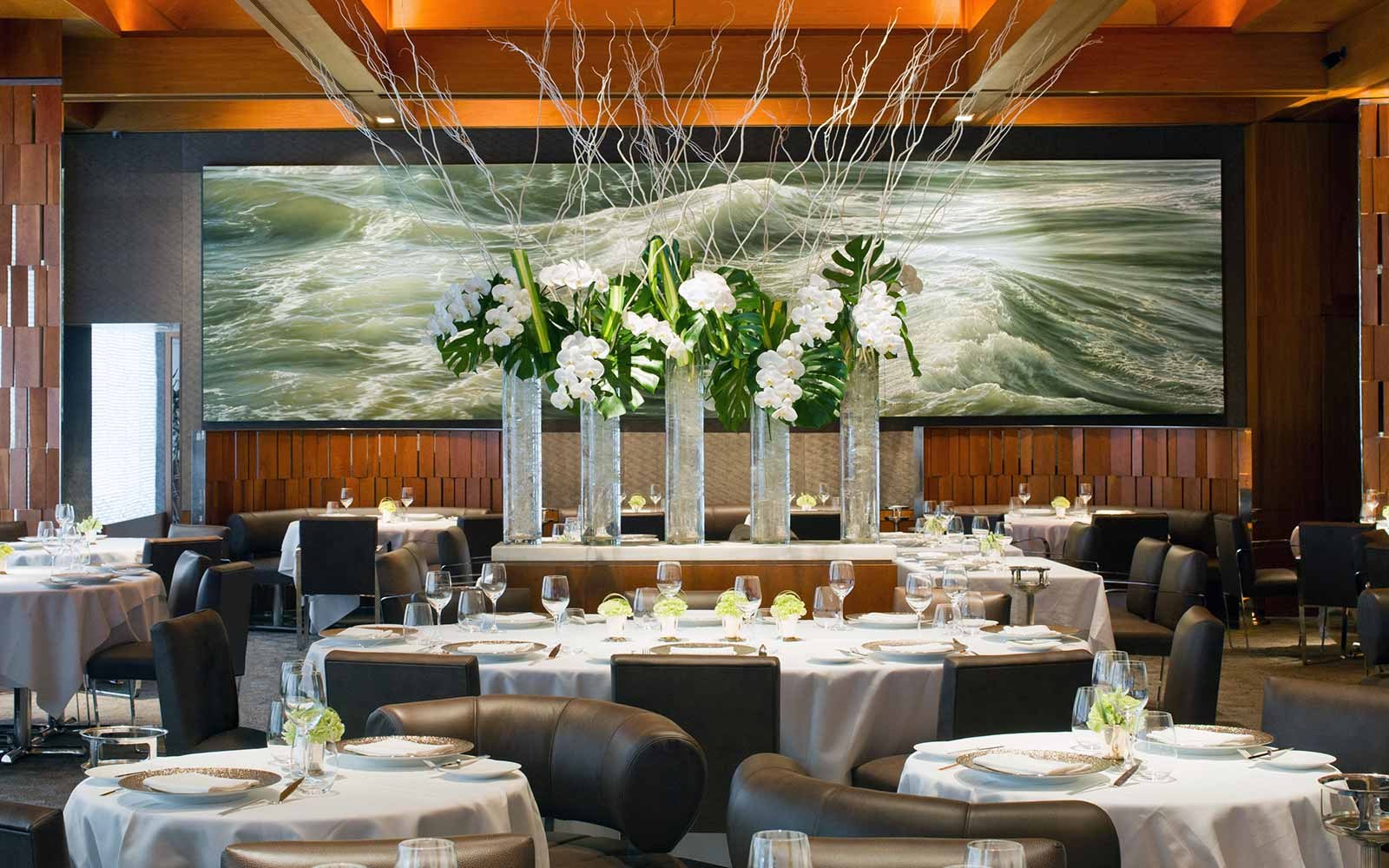
French Seafood Fine Dining
Le Bernardin
New York City, United States
★★★ · 50 Best
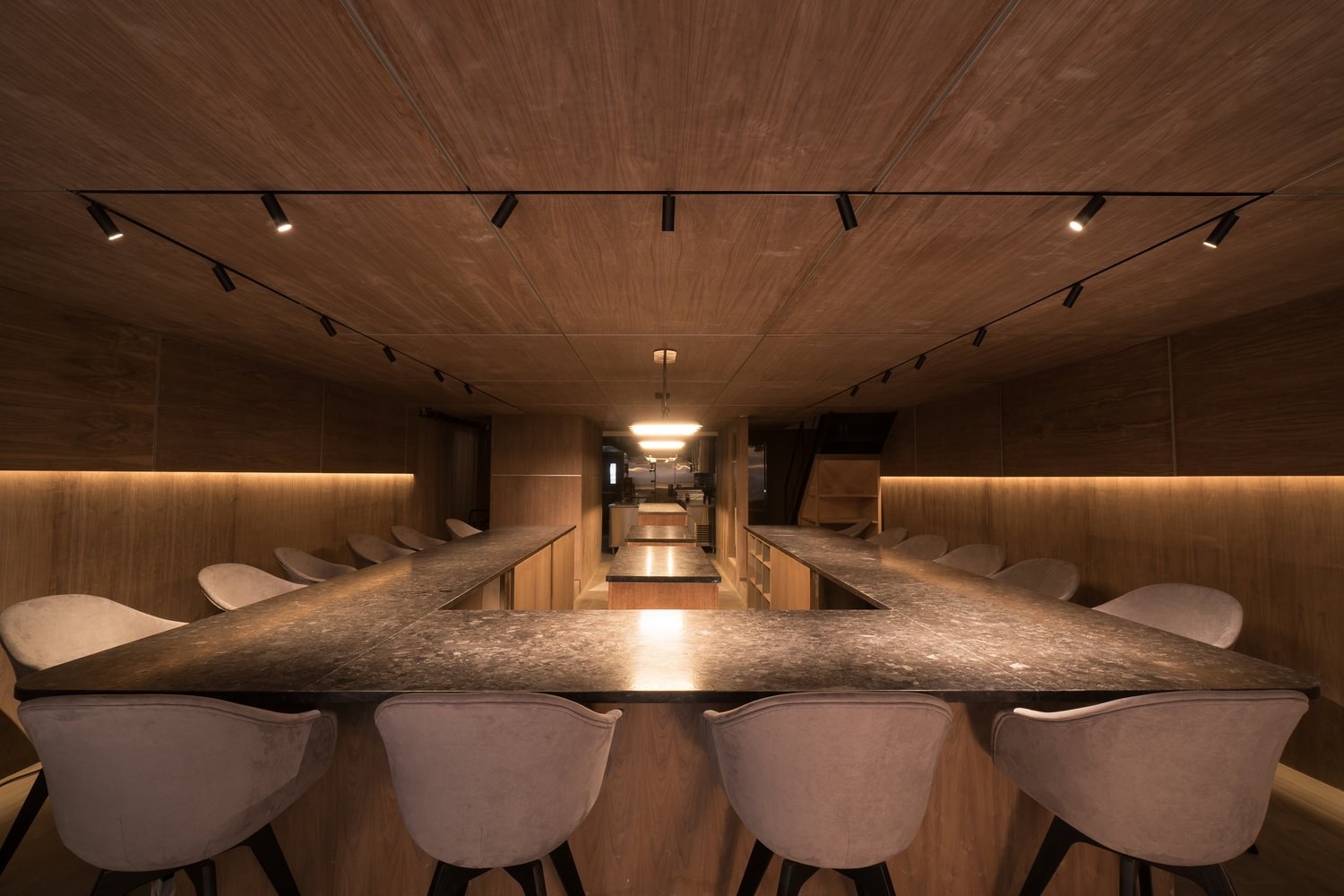
Modern Korean Tasting Menu
Atomix
New York City, United States
★★ · 50 Best
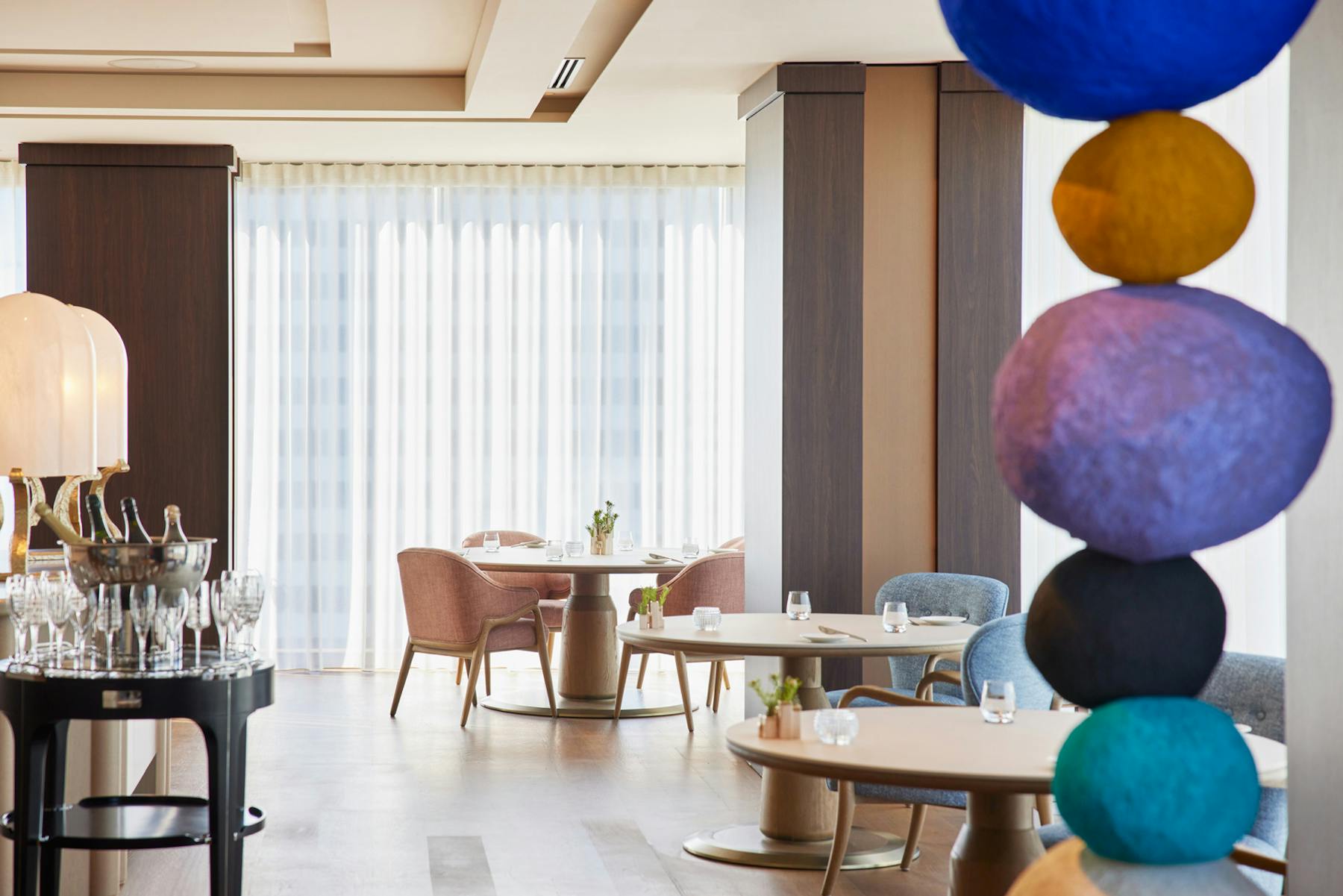
French
Sézanne
Tokyo, Japan
★★★ · 50 Best
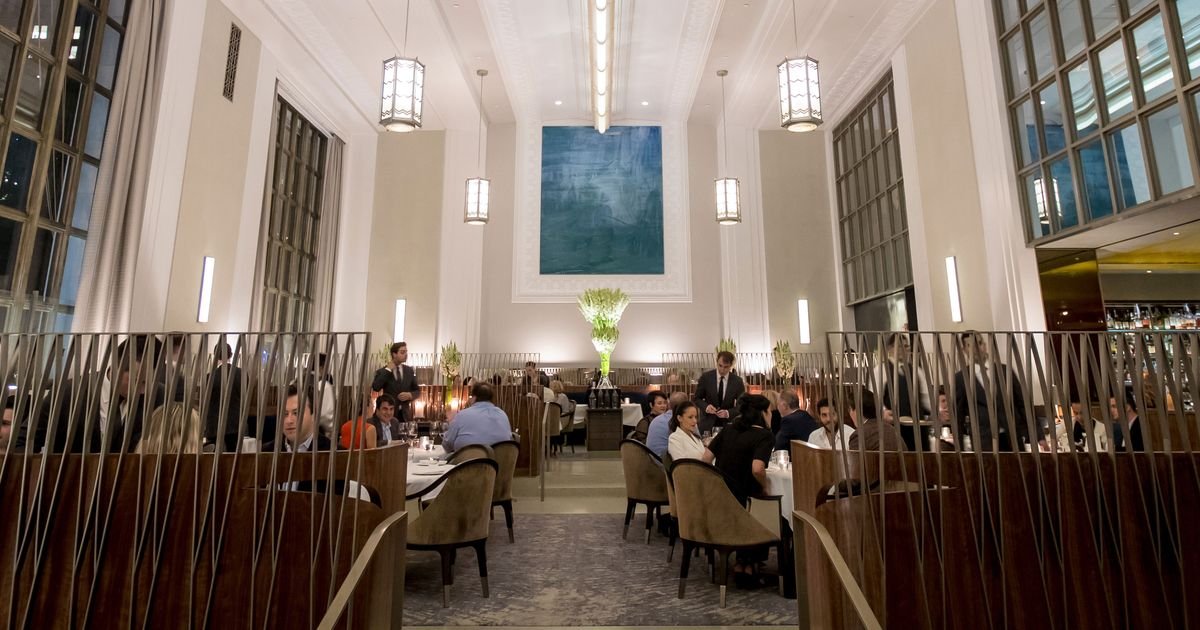
Contemporary Plant-Based Fine Dining
Eleven Madison Park
New York City, United States
★★★ · 50 Best
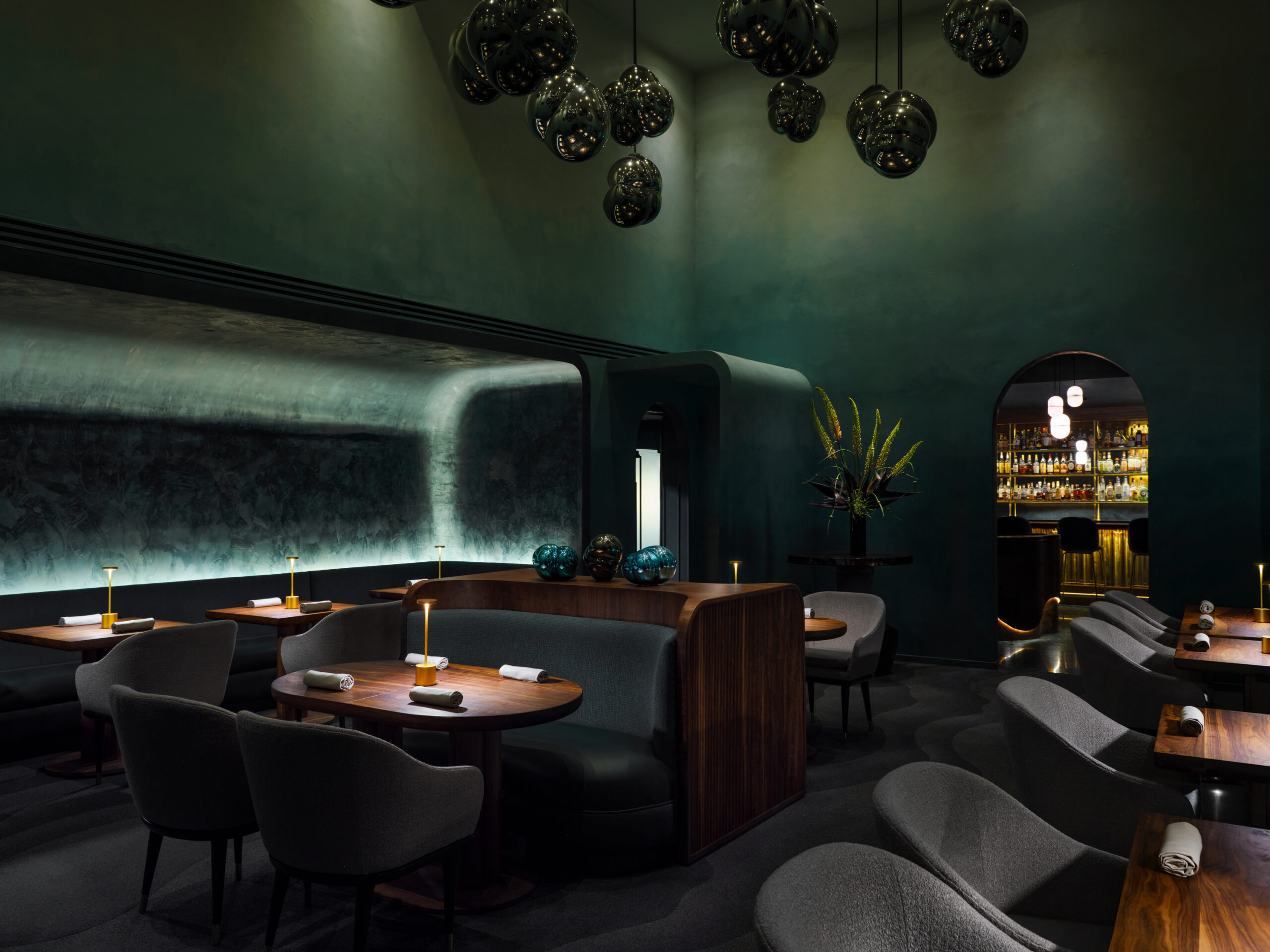
Modern Seafood Fine Dining
Providence
Los Angeles, United States
★★★ · 50 Best