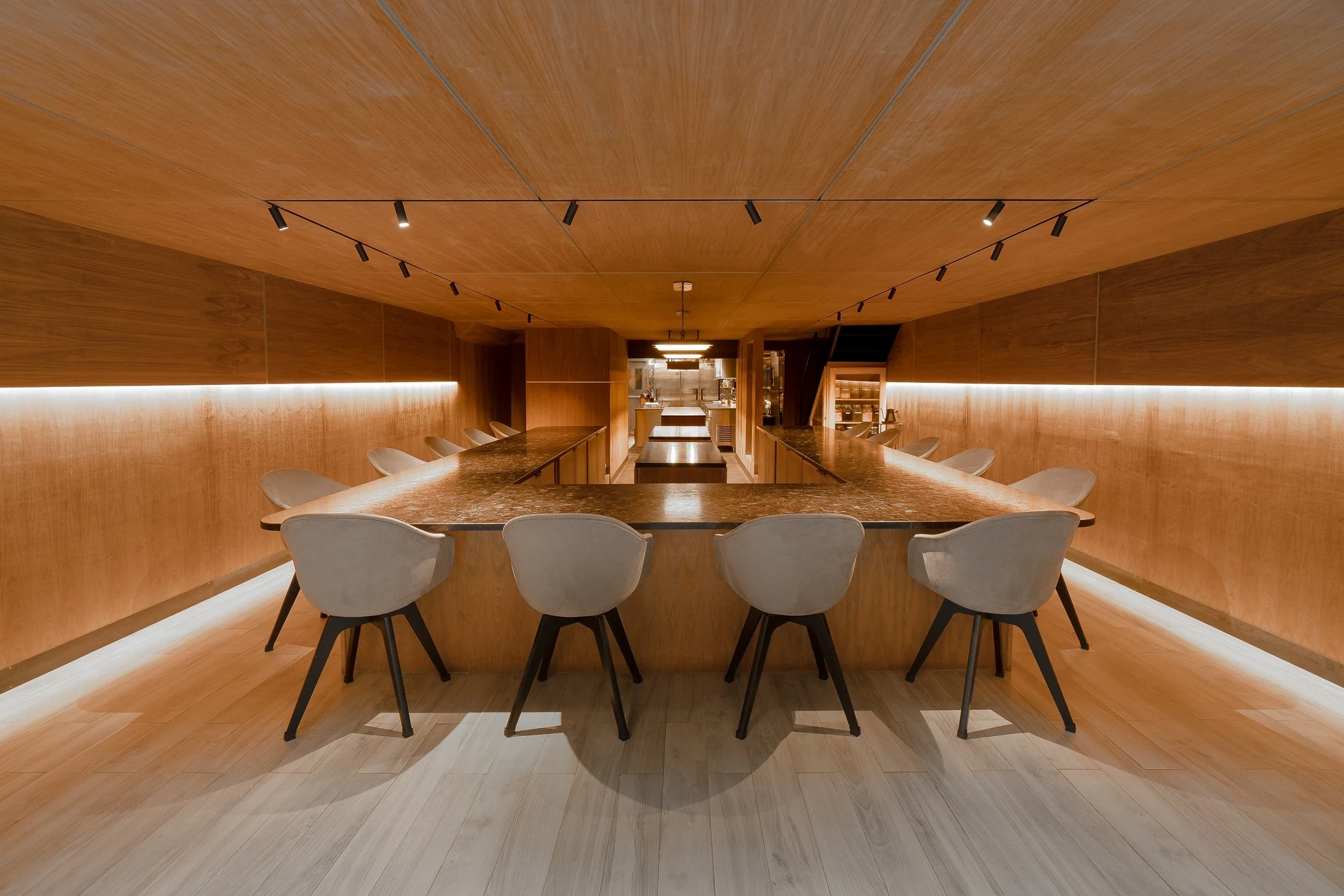
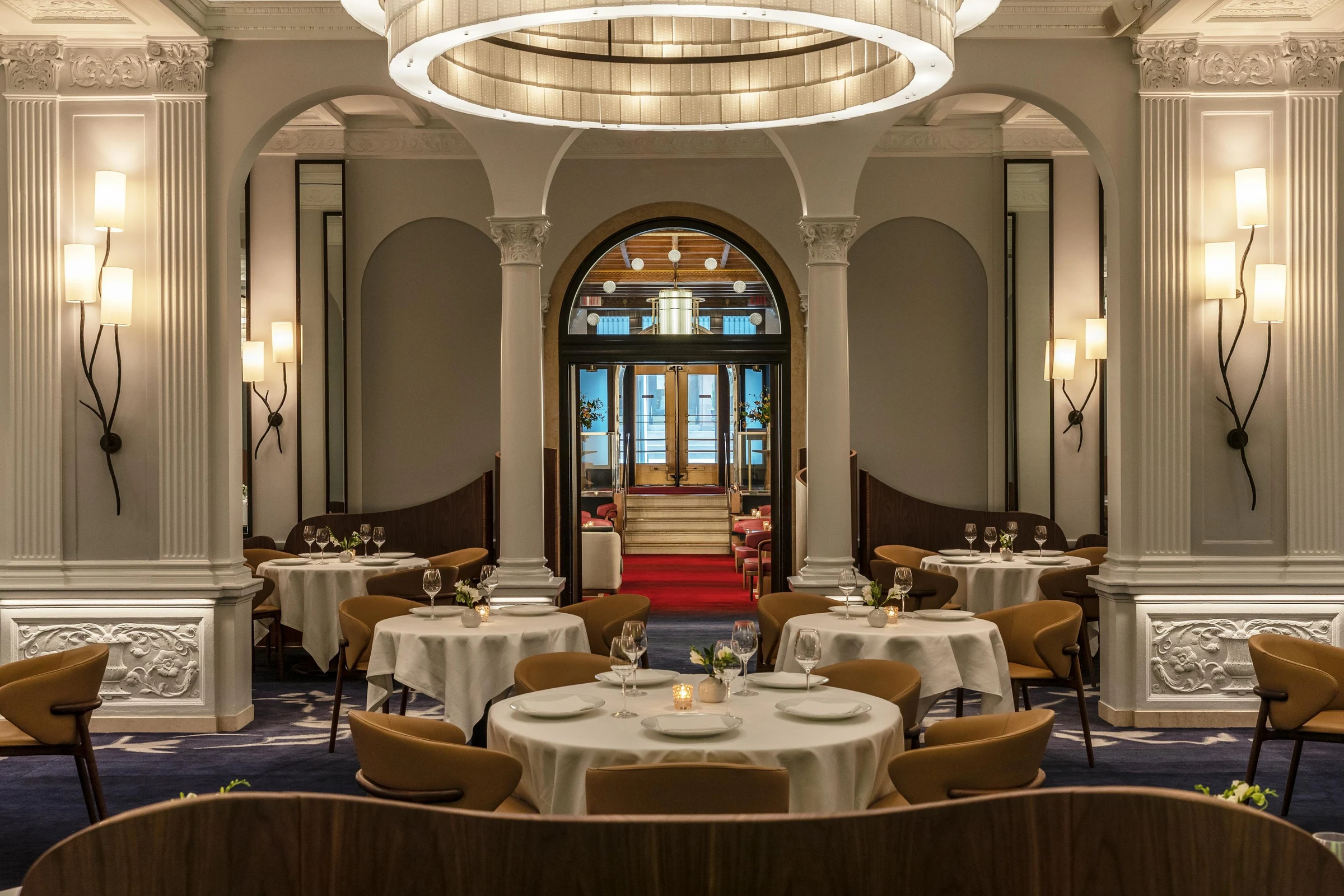
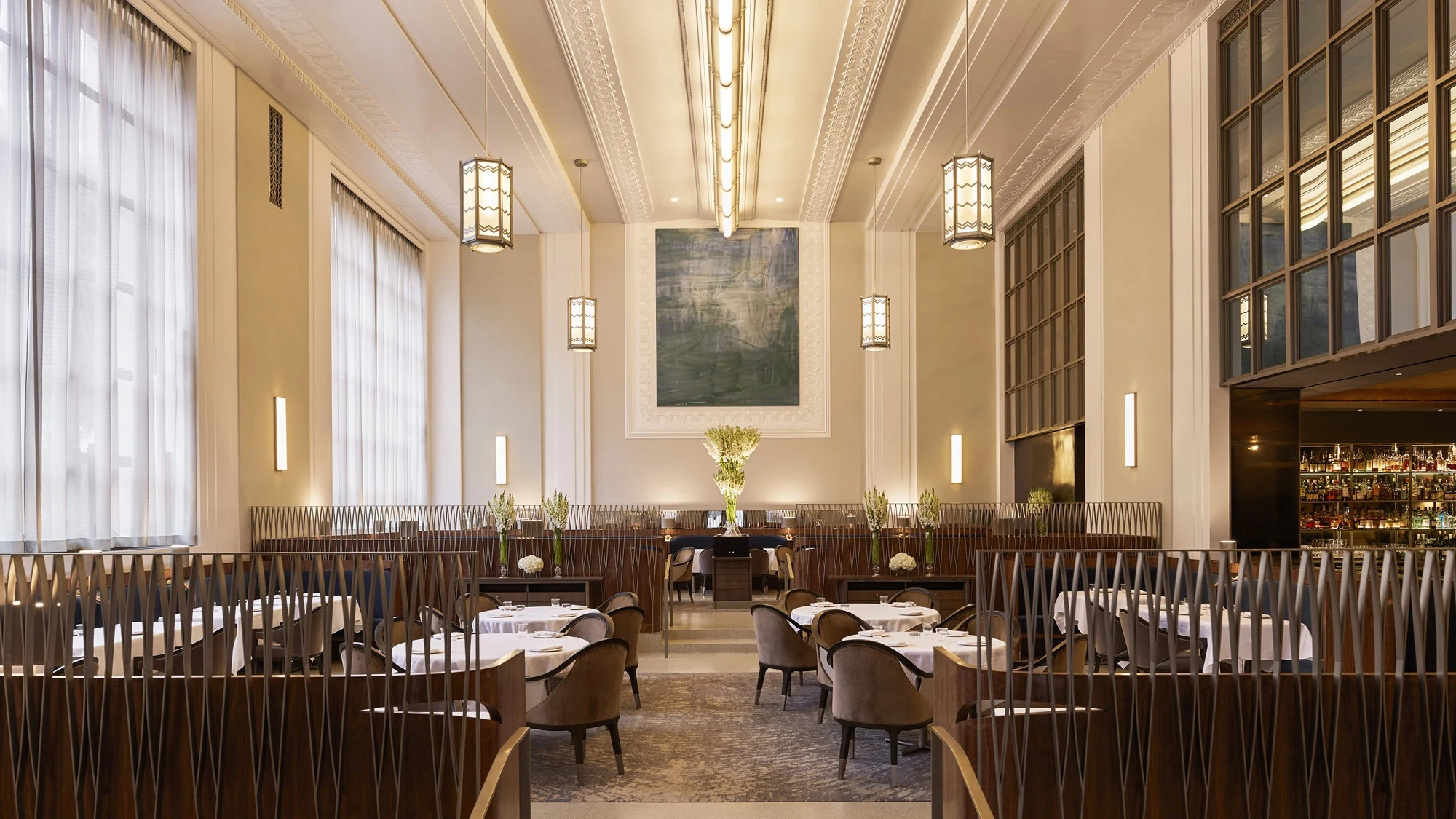
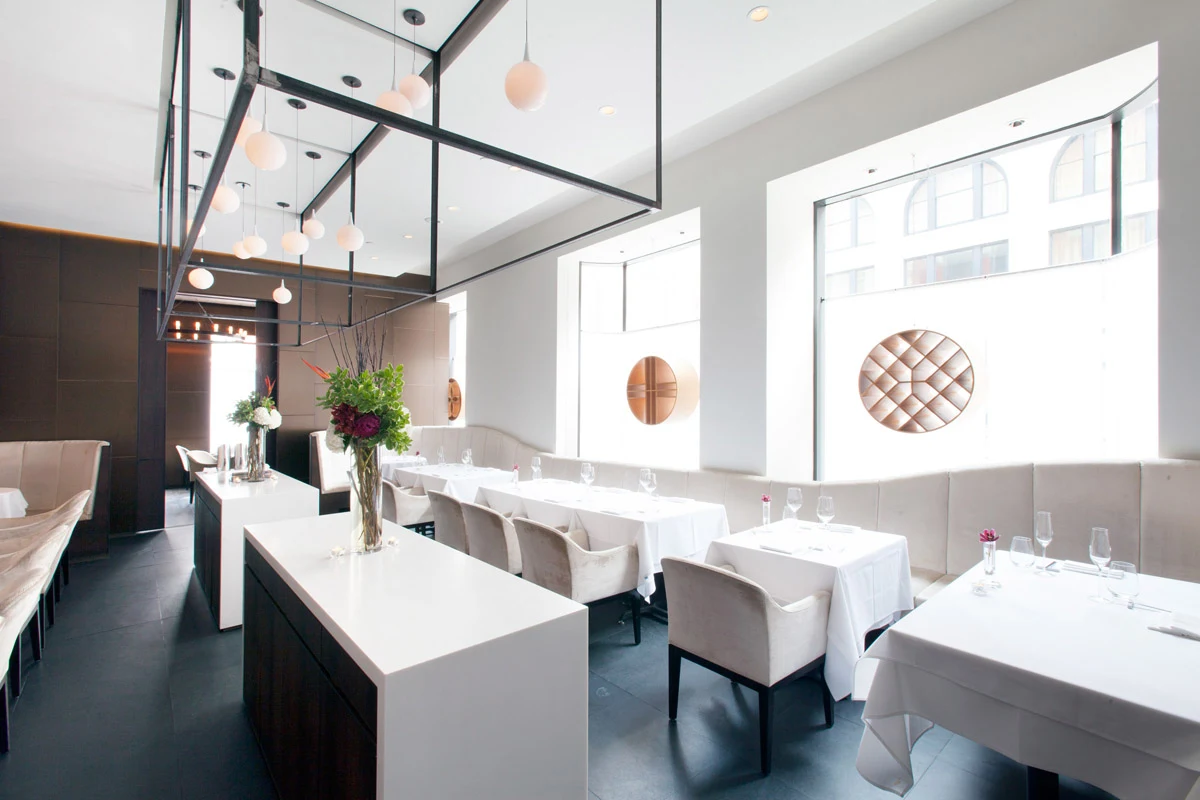
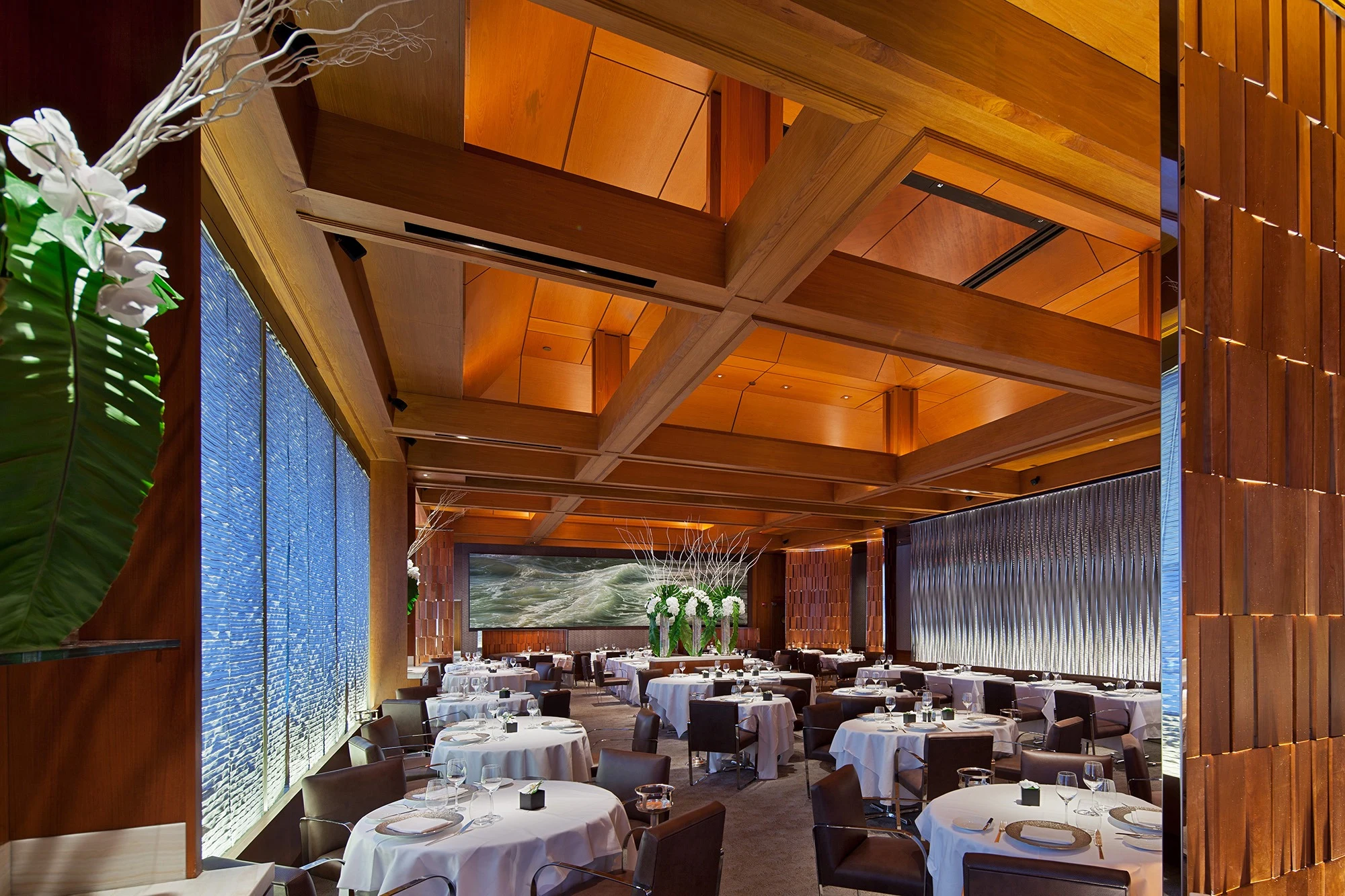
Lola's
In Residence
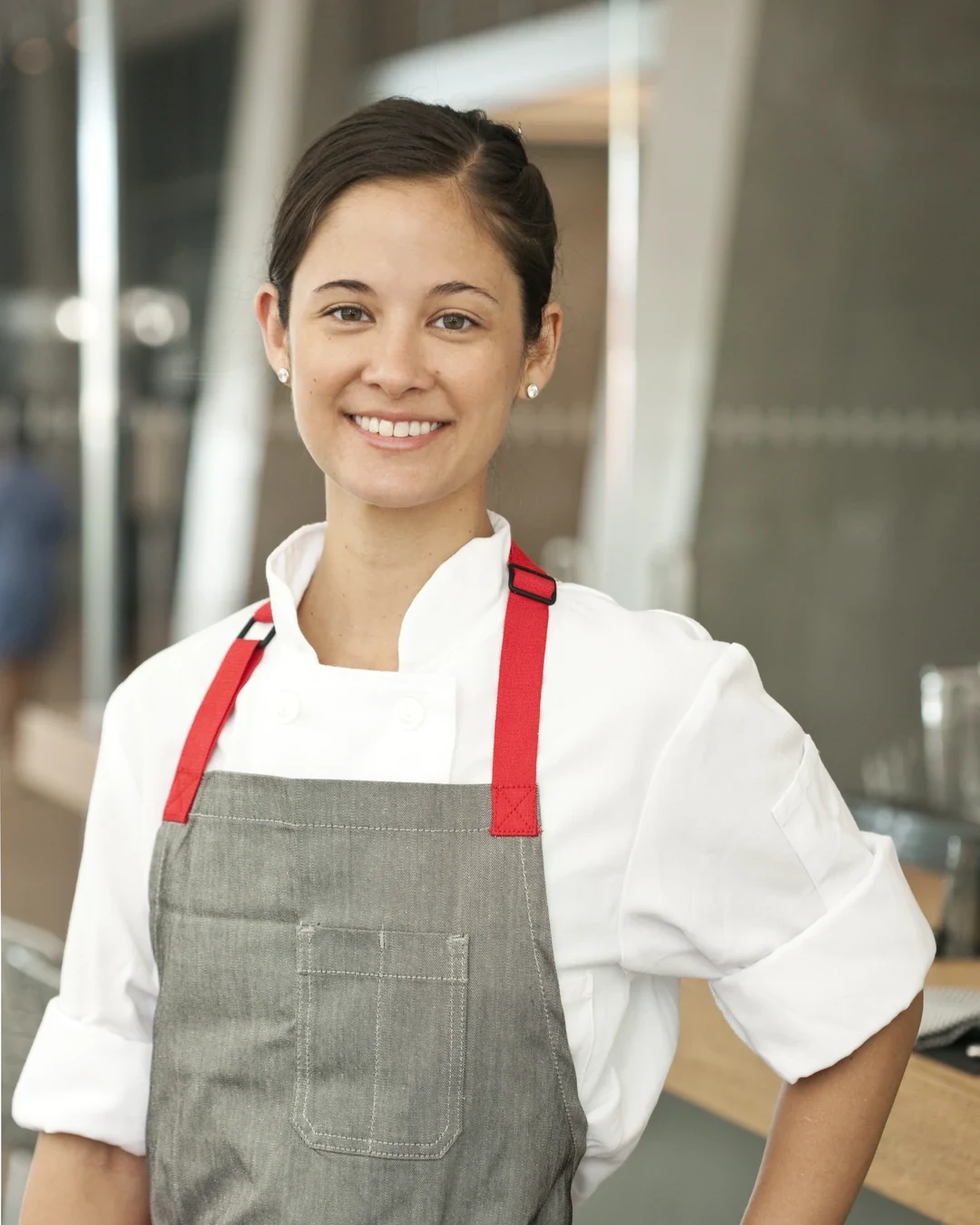
Suzanne Cupps
Chef
- 01CuisineSouthern-Asian Fusion
- 02CityNew York City, United States
- 03RecognitionJames Beard Award
From the people index
Recommended by
One trusted voice points here.
- James Beard Winner · James Beard Foundation
- New York Times Best Restaurants in New York City #71 · 2026
- James Beard Award Semi Finalist · 2025
- New York Times Best Restaurants in New York City · 2025
What Critical Recognition at This Level Actually Means
Lola's is a restaurant in New York City at 2 West 28th Street, recognized by the New York Times in 2025. The Times critics eat widely and anonymously, and their annual selection reflects a genuine assessment of where the city's dining conversation is moving. Lola's, at 2 West 28th Street in the Flatiron-adjacent corridor below Madison Square Park, made that list.
It is worth understanding what that recognition signals in competitive terms. New York's highest-regarded restaurants tend to cluster in a few recognizable categories: the French-focused fine dining institutions like Le Bernardin and Per Se, the tasting-menu operations with international footprints like Eleven Madison Park, the Japanese precision counters like Masa, and the newer wave of Korean-influenced fine dining represented by Atomix. Lola's sits outside all of those familiar brackets. Asian-Southern as a culinary category has existed in American kitchens for years, but rarely has it attracted the kind of critical attention that places it in direct conversation with restaurants at this recognition tier.
The Asian-Southern Combination and Why It Works in This City
Southern cooking, at its core, operates through deep fat, long time, and acid as counterweight. Asian cooking across its many regional traditions adds fermentation, umami depth, and an approach to spice that tends toward brightness rather than heat for its own sake. When these two traditions meet thoughtfully, the result is less fusion and more conversation: techniques and flavors that reinforce rather than cancel each other. New York has been an incubator for this kind of cross-traditional cooking partly because of its exceptional access to both Asian ingredients and Southern pantry staples, and partly because its dining audience has the cultural literacy to read what a kitchen is doing with those combinations.
The city has seen similar cross-traditional ambitions play out at different scales and with varying degrees of critical success. Nationally, restaurants like Lazy Bear in San Francisco and Alinea in Chicago have demonstrated that American regional cooking, approached with technical rigor, can sustain sustained critical attention. The difference at Lola's is the specific synthesis it has chosen, and the New York Times identified it as one of the places in New York doing that work at a level worth noting.
The Flatiron Corridor as Context
West 28th Street sits at the edge of what has become one of Manhattan's more interesting dining zones. The blocks around Madison Square Park and the lower Flatiron district have historically attracted restaurants that aim at serious eating without the theater-district foot traffic or the West Village real estate premiums. It is a neighborhood where a kitchen can build a regular local audience while also drawing destination diners. That geographic position matters for how a restaurant builds its reputation: slowly, through word of mouth and repeat visits, rather than through tourist-driven volume.
The 4.8 Google rating across 253 reviews reflects that kind of organic accumulation. At fewer than 200 reviews, the restaurant is not drawing mass-market volume, but the scoring suggests a high rate of genuine satisfaction among the diners who do find it. That ratio, high score to moderate review count, tends to indicate a restaurant that has not yet been diluted by the inevitable noise that comes with broader public attention. The Times recognition may change that calculus.
Placing Lola's in the National Conversation
American regional cooking has been one of the more contested categories in fine dining criticism over the past decade. Restaurants like Emeril's in New Orleans established Southern cooking as a serious critical subject years ago. More recently, California properties like The French Laundry in Napa and Single Thread Farm in Healdsburg have shown that American kitchens can sustain the kind of sustained critical attention once reserved for European institutions. On the West Coast, Providence in Los Angeles has made a similar argument for California seafood at a fine dining level. Internationally, the comparison class includes restaurants like 8 1/2 Otto e Mezzo Bombana in Hong Kong and Alain Ducasse at Louis XV in Monte Carlo, both of which demonstrate how a specific culinary tradition, pursued rigorously, generates critical traction across different markets.
Lola's does not yet occupy that tier of international recognition, but the 2025 Times placement puts it on a trajectory that matters. It is the kind of recognition that tends to precede deeper critical attention.
Planning Your Visit
Lola's is located at 2 West 28th Street in Manhattan, a short walk from the 28th Street subway stations on both the N/R/W and 6 lines. Reservations are recommended. Dress is smart casual.
Questions
Frequently asked
What recognition does Lola's hold?
Lola's holds a James Beard award.
Who works at Lola's?
Made By profiles Suzanne Cupps (Chef) at Lola's.
How expensive is Lola's?
Lola's is listed at a price level of $$$.
Where is Lola's and what does it serve?
Lola's is in Midtown South-Flatiron-Union Square, New York City, serving Southern-Asian Fusion.
The field
How it compares
| Place | Awards | Cuisine | Notes |
|---|---|---|---|
| Lola's | James Beard | Southern-Asian Fusion | Midtown South-Flatiron-Union Square, $$$ |
| Atomix | Michelin 2 Stars, World's 50 Best | Modern Korean Tasting Menu | New York City |
| Daniel | Michelin 1 Star, World's 50 Best | Modern French Fine Dining | New York City |
| Eleven Madison Park | Michelin 3 Stars, World's 50 Best | Contemporary Plant-Based Fine Dining | New York City |
| Jungsik New York | Michelin 3 Stars, World's 50 Best | Modern Korean Fine Dining | New York City |
| Kabawa | World's 50 Best | Modern Caribbean Prix Fixe | New York City |
| Le Bernardin | Michelin 3 Stars, World's 50 Best | French Seafood Fine Dining | New York City |
In residence
Similar places
Modern Korean Tasting Menu
Atomix
New York City, United States
★★ · 50 Best
Modern French Fine Dining
Daniel
New York City, United States
★ · 50 Best
Contemporary Plant-Based Fine Dining
Eleven Madison Park
New York City, United States
★★★ · 50 Best
Modern Korean Fine Dining
Jungsik New York
New York City, United States
★★★ · 50 Best
Modern Caribbean Prix Fixe
Kabawa
New York City, United States
50 Best
French Seafood Fine Dining
Le Bernardin
New York City, United States
★★★ · 50 Best