Conca shaped in steel and cask
- Falstaff Winery - Listed · 2026
Reading Conca from the cellar
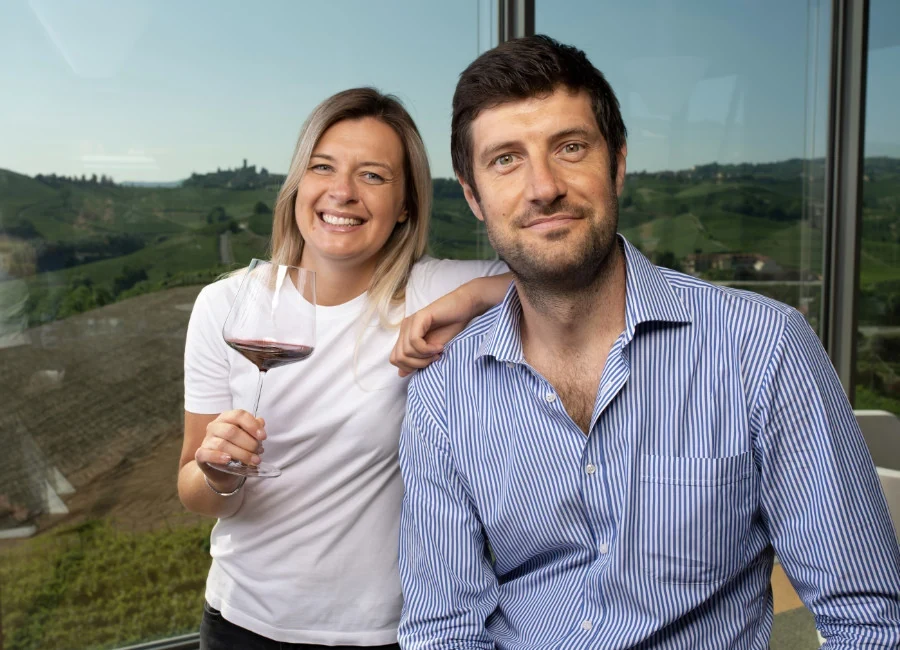
Matteo Molino works from La Morra as proprietor at Mauro Molino in La Morra, keeping the cellar’s attention on the contours of each site. Matteo Molino joined the family wine production business in 2003 after study at the Oenological Alba Wine School, bringing formal cellar language to a house already shaped by Barolo and by the discipline of tending inherited land. His work here is not to make the vineyards sound alike. It is to keep difference legible. Barolo Conca, Barbera d’Asti DOCG Leradici® and Barolo Riserva sit in the range as separate exercises in place, structure and patience, with Nebbiolo carrying the deepest family register. The estate made its first Barolo from Conca in 1982, and that parcel still gives the winery one of its clearest points of origin. Around it, the house has grown across La Morra, Guarene and Costigliole d’Asti, but the method stays close to the vineyard: read the site, take what the season gives, avoid polishing away the local grain.
Steel, large cask, and measured extraction
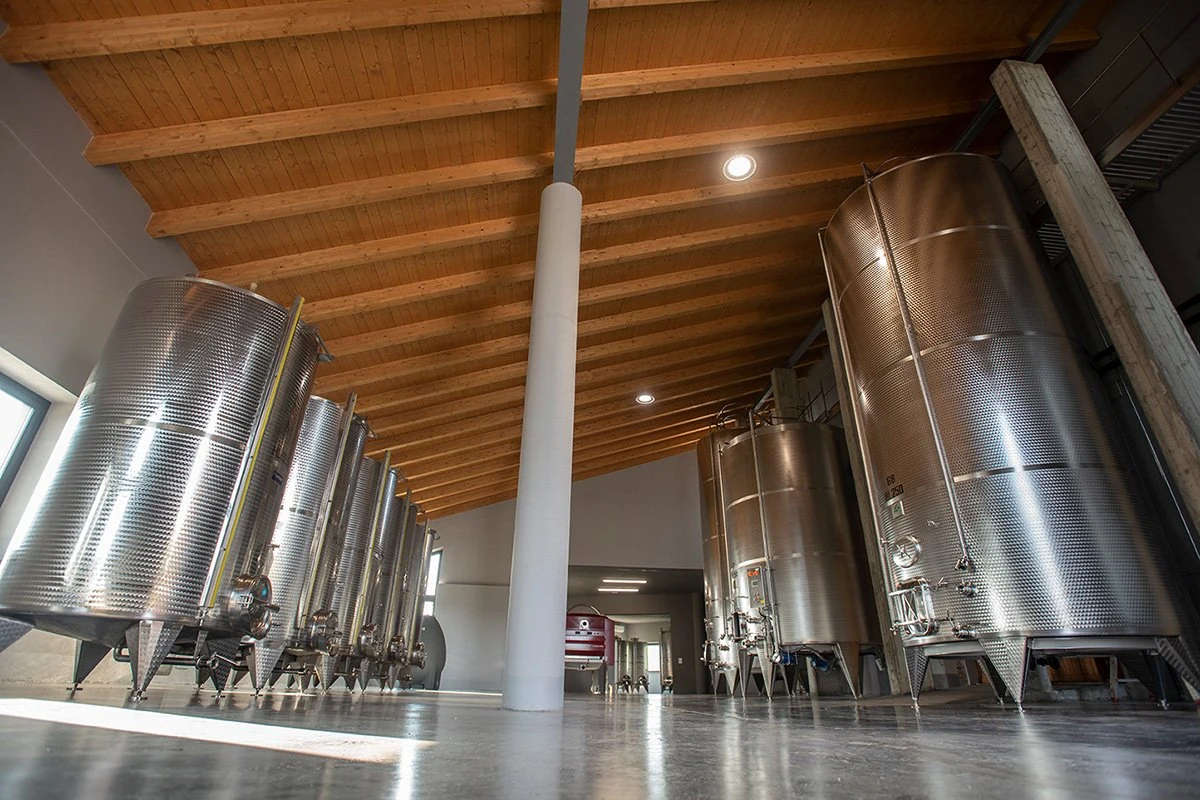
The cellar work favors clarity before weight. Dolcetto is macerated for four days and aged entirely in stainless steel; Barbera d’Alba macerates for six days, then stays in steel for fermentation and aging. Langhe Nebbiolo takes five days on the skins and then six months in large, mostly neutral French oak casks coopered in Austria. Barbera d’Asti Leradici® carries a longer frame: 10 days of maceration in stainless steel, a 20-day fermentation, then eight months in a 52-hectoliter French oak cask. Those choices give the wines their shape without asking oak to announce itself. In the vineyards, the house works with a sustainable instinct grounded in pheromones, manure fertilization and grass between the rows. The estate’s current surface is described at 16 hectares, with Nebbiolo for Barolo still the gravitational center and Barbera, Dolcetto, Arneis and other varieties widening the conversation.
A quiet house in Annunziata
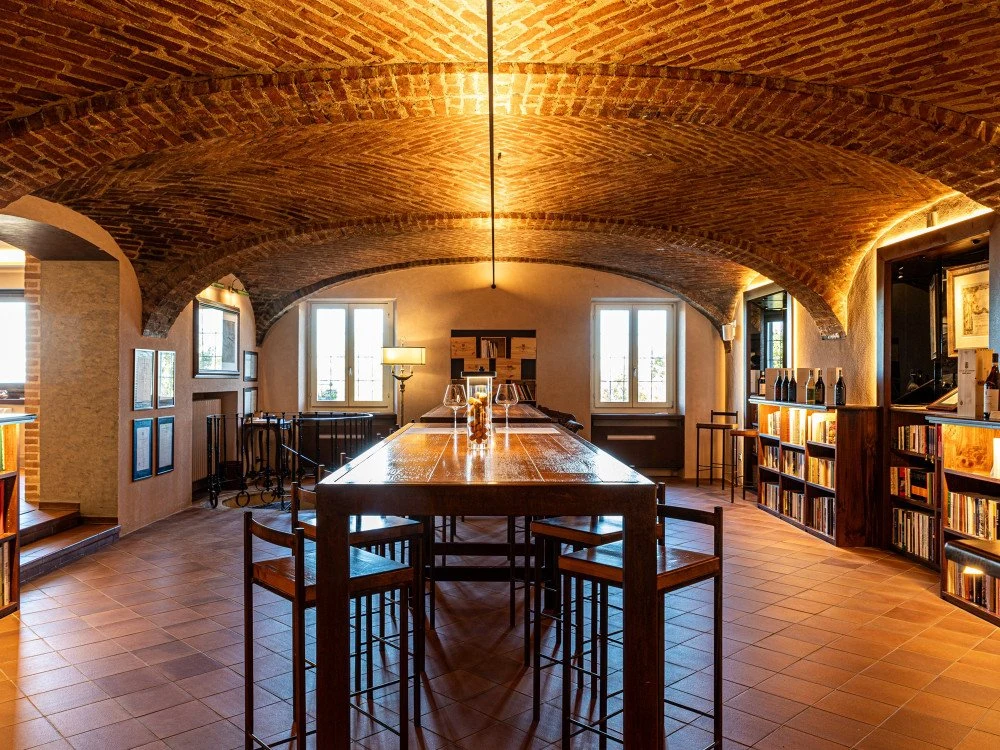
The cellar sits in Annunziata, the La Morra hamlet where Barolo can feel less like a label than a set of exposures, soils and family decisions. The room is quiet in the way working wineries are quiet: tanks, casks, vineyard names, the steady movement between one parcel and the next. A tasting here belongs to that order of attention. Conca, Gancia and Gallinotto are not decorative names; they are coordinates in the house’s way of thinking. The tasting room draws its force from the same restraint as the cellar, with the bottle asked to carry the argument rather than the room. Matteo’s own sentence for the estate keeps close to that discipline: “Our wines are our life. They tell of the places we live, of what we like to do, of the choices we make every day in our vineyards and winery. Our wines represent our past, present and the future on which we have chosen to invest.” End with the glass that started the line: Barolo Conca.
Questions
Frequently asked
Who is behind Mauro Molino?
Matteo Molino is the proprietor at Mauro Molino in La Morra. He joined the family wine production business in 2003 after studying at the Oenological Alba Wine School.
What is Mauro Molino known for?
The winery is known for Barolo shaped from cru vineyards, with a cellar approach that keeps each site legible rather than smoothing the wines into one style. Barolo Conca is a key reference point, and the estate’s first Barolo from that parcel was made in 1982.
What wines are in the range?
The range includes Barolo Conca, Barbera d’Asti DOCG Leradici® and Barolo Riserva, with Nebbiolo carrying the deepest family register. The estate also works with Barbera, Dolcetto, Arneis and other varieties.
How does the cellar work?
The cellar favours clarity before weight. Dolcetto is macerated for four days and aged entirely in stainless steel, Barbera d’Alba macerates for six days before staying in steel for fermentation and aging, and Langhe Nebbiolo spends five days on the skins before six months in large, mostly neutral French oak casks coopered in Austria.
What is the visit like?
Mauro Molino is in Annunziata, in La Morra, and visits are by appointment only. The tasting room is described as quiet and restrained, with the bottle carrying the argument rather than the room.
The field
How it compares
| Place | Notes |
|---|---|
| Mauro Molino | Annunziata, $$ |
| Cascina Rocca – Franco Molino | La Morra |
| Negretti | La Morra |
| Oddero | La Morra |
| Poderi Gianni Gagliardo | La Morra |
| Rocche Costamagna | La Morra |
| Trediberri | La Morra |