Mission Ceviche
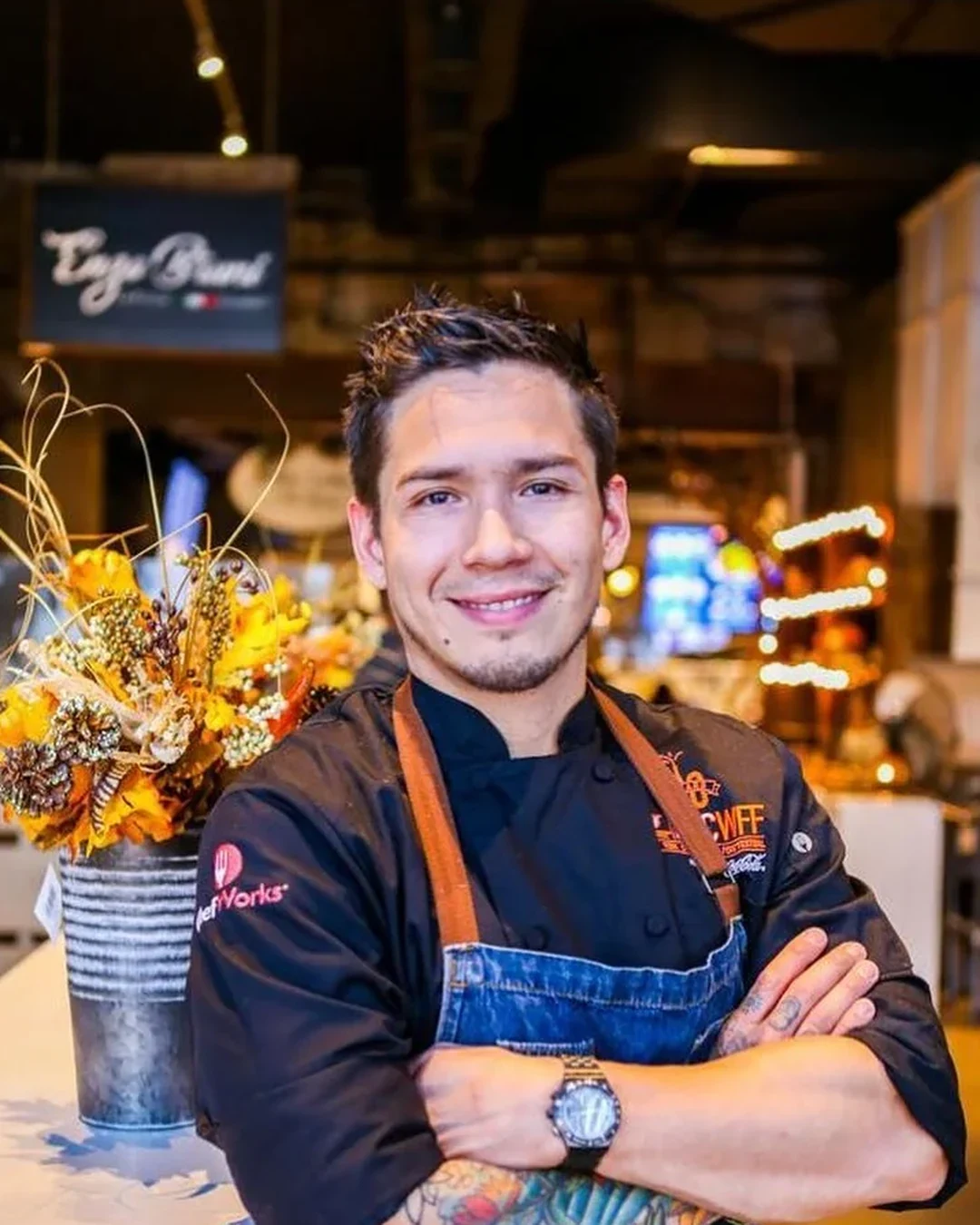
In Residence
José Luis Chavez
Chef
- 01CuisineModern Peruvian Ceviche
- 02CityNew York City, United States
- Opinionated About Dining Casual in North America Recommended · 2026
- Michelin Plate · 2025
- Opinionated About Dining Casual in North America · 2025
From Market Counter to Sit-Down Restaurant: How Peruvian Seafood Found a Permanent Address on the Upper East Side
New York's Peruvian dining scene has long punched below its weight given the size of the city's Latin American population and the depth of Peru's culinary traditions. For years, the most compelling ceviche in Manhattan lived inside food halls and market stalls, where low overhead kept quality high and commitment low. That changed when the stalls at Gansevoort Market and Canal Street Market that built a following for Chef José Luis Chávez's ceviche program became the foundation for Mission Ceviche, now operating at 1400 Second Avenue in the Upper East Side.
Mission Ceviche sits at the $$$ price tier, with an estimated price of about $60 per person. That positioning matters: it places the restaurant in a peer group defined by ingredient quality and kitchen discipline rather than ceremony, and it makes Peruvian cuisine accessible to a broader dining public without diluting what the food actually is.
The Ceviche Itself: Two Traditions on One Menu
Peruvian ceviche is one of the most studied and debated dishes in South American cooking. The traditional version relies on the chemical cooking action of citrus, almost always lime, on raw fish, combined with ají amarillo, red onion, and cilantro to create a leche de tigre (tiger's milk) that is as much the point as the fish itself. The technique is precise: the marination window matters, the temperature of the fish matters, and the acid balance determines whether the dish lifts or flattens.
Mission Ceviche's menu runs two distinct ceviche programs side by side. The first is the traditional Peruvian citrus-marinated version. The second is Nikkei ceviche, which draws from the Japanese-Peruvian culinary tradition that developed in Lima through the late 19th and 20th centuries as Japanese immigrants integrated into Peruvian food culture. Nikkei cooking applies Japanese precision and restraint, lighter sauces, cleaner cuts, umami-forward seasoning, to Peruvian raw fish preparations. The result is a style that sits between sashimi and ceviche without being a compromise of either. In the United States, this tradition is gaining wider recognition: restaurants like ITAMAE in Miami have built their entire identity around Nikkei, and Causa in Washington, D.C. has brought similar precision to the form. Mission Ceviche's decision to carry both the traditional and Nikkei lines on the same menu reflects the breadth of contemporary Peruvian cooking rather than a diluted middle-ground approach.
Sourcing, Sustainability, and the Ethics of Raw Seafood
Operating a ceviche-focused restaurant in New York comes with sourcing obligations that are harder to sidestep than in kitchens where fish is an accent rather than the main event. When raw or minimally processed fish is the core of the menu, the provenance and handling chain is visible in every plate. Peruvian culinary tradition has always been tied to the Pacific, but in a New York context, the supply chain is considerably longer, which places the burden of traceability squarely on the kitchen.
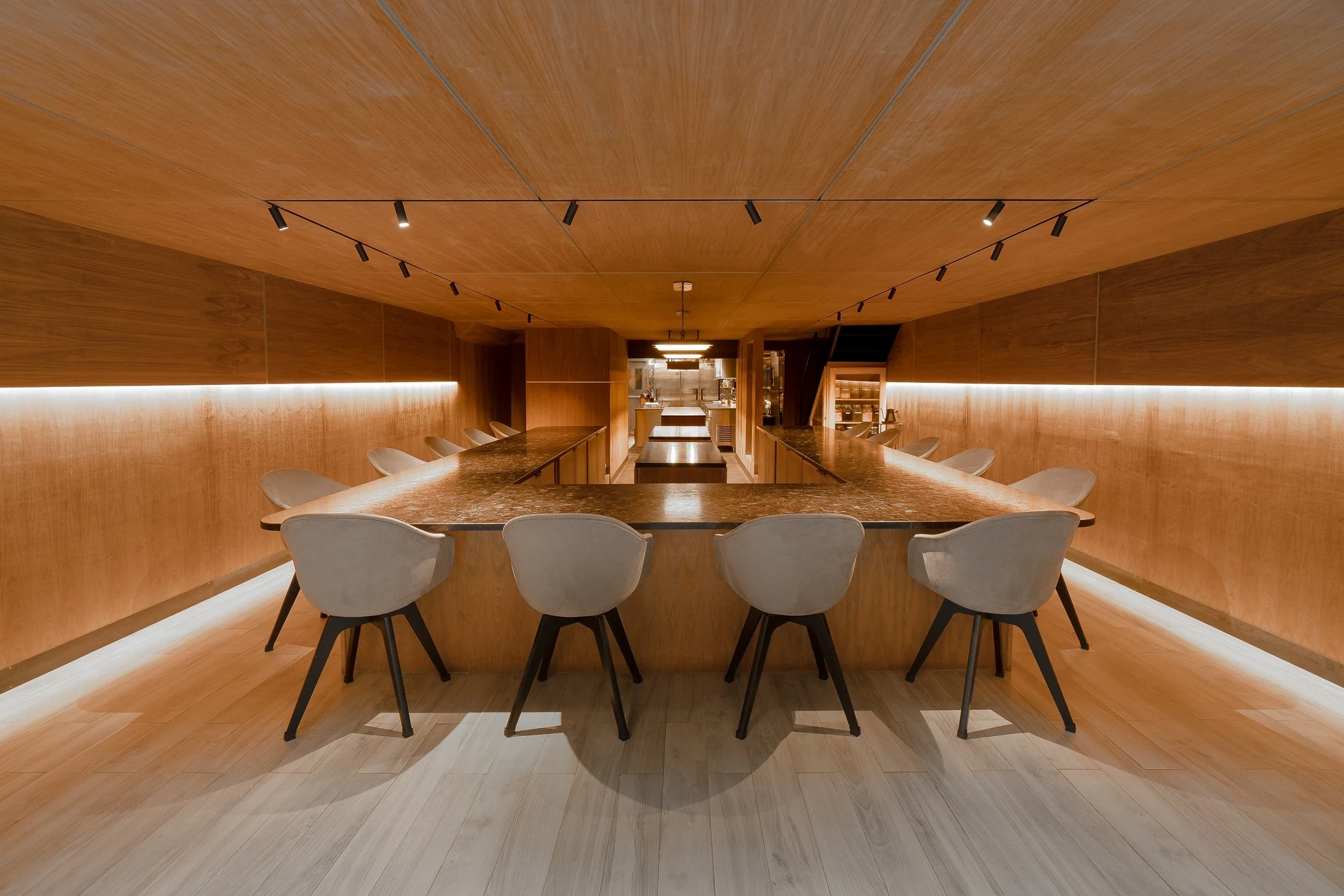
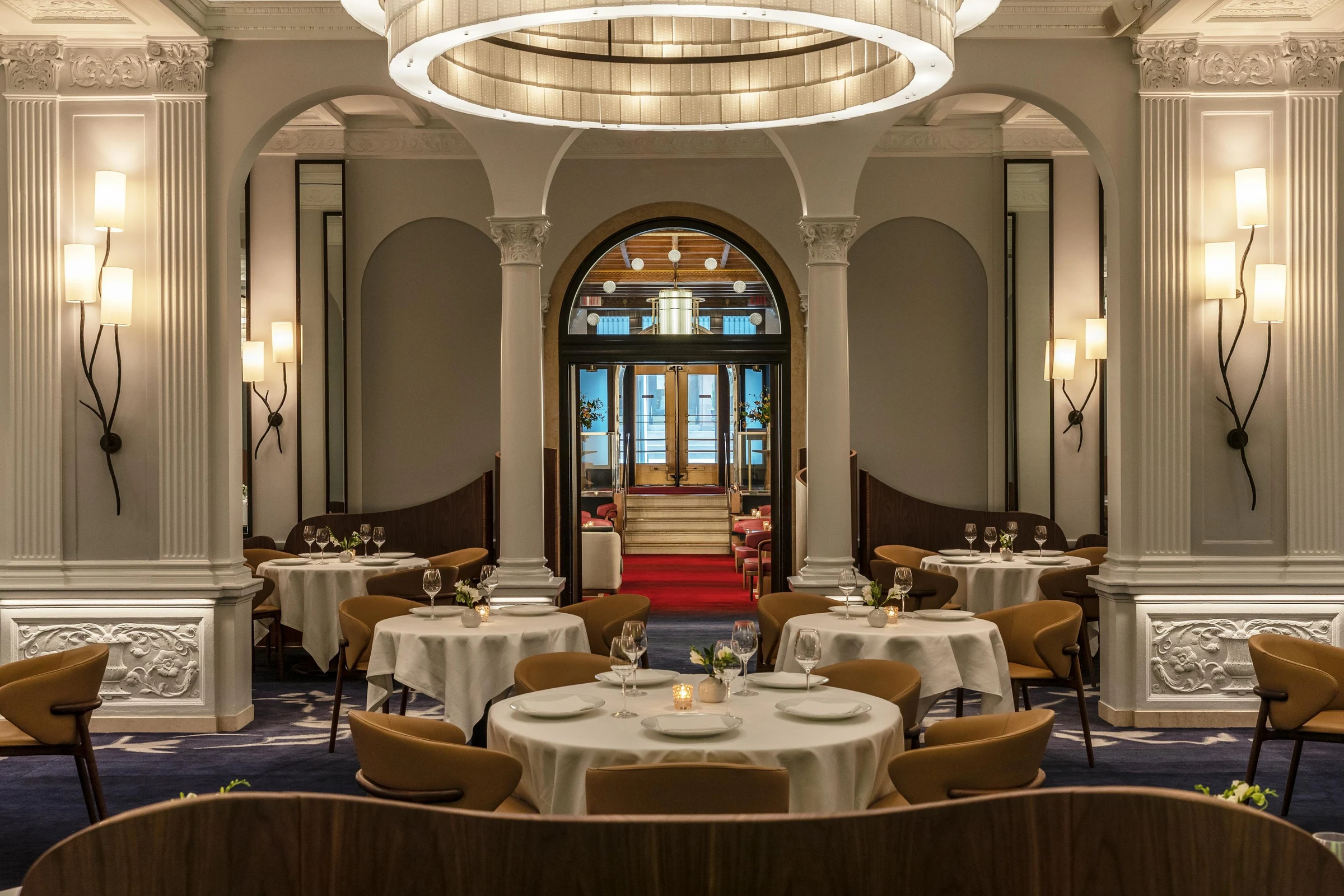
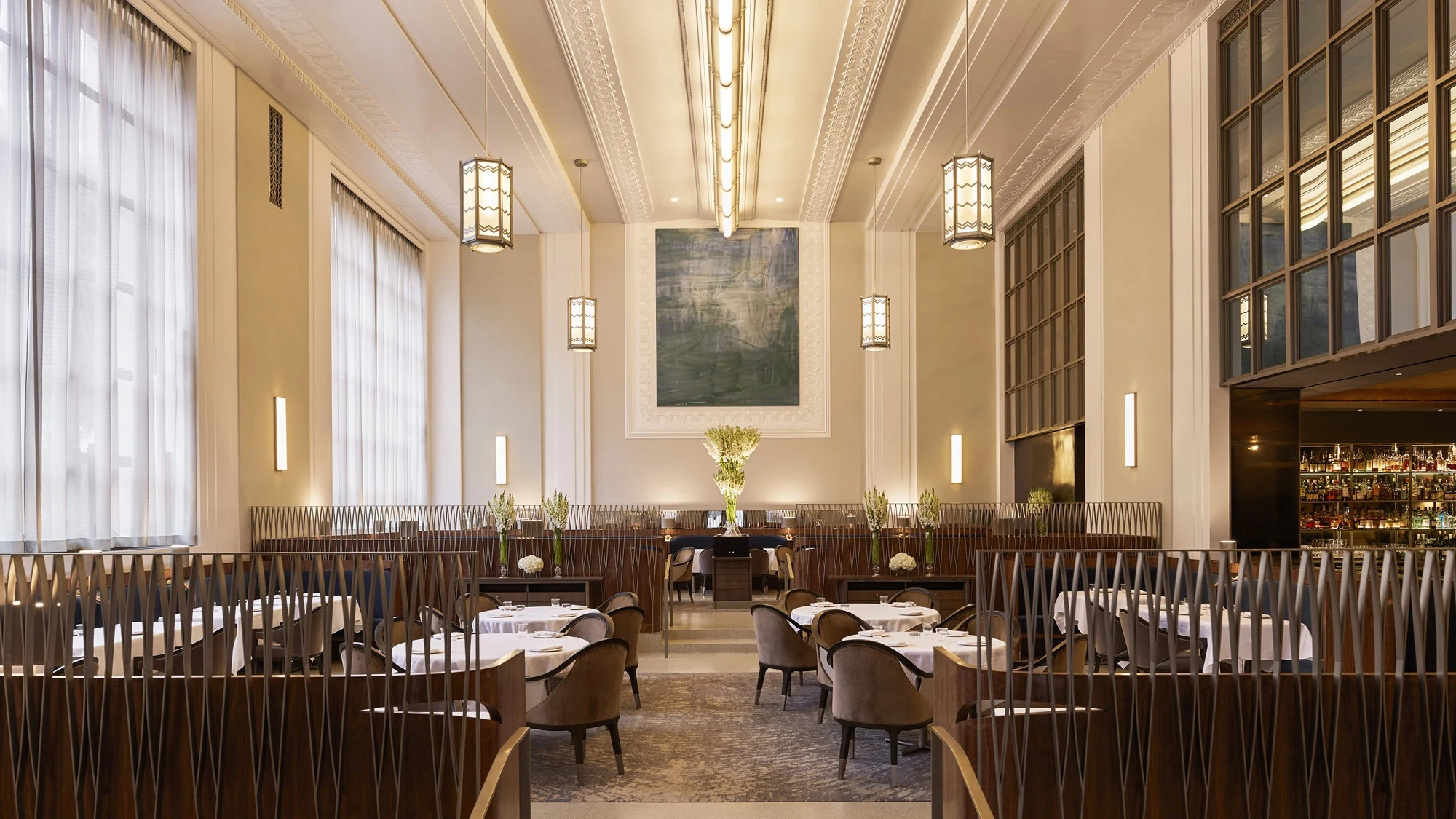
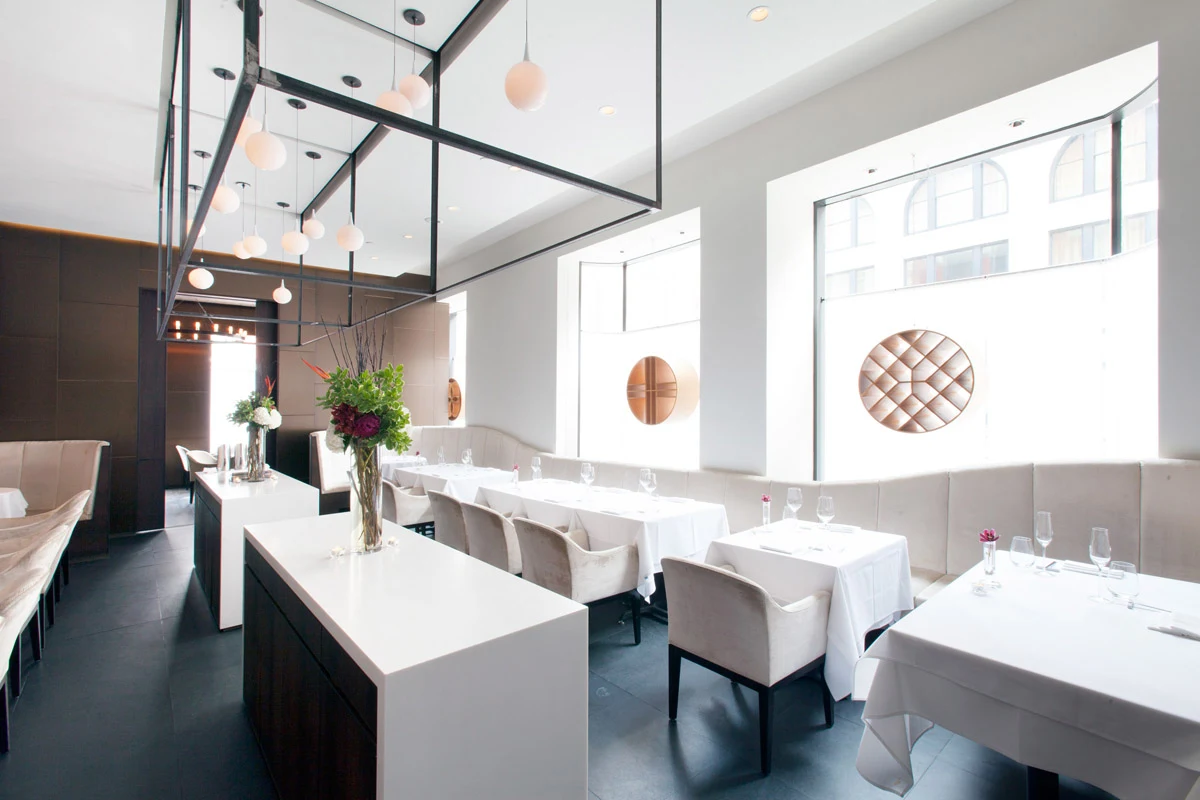
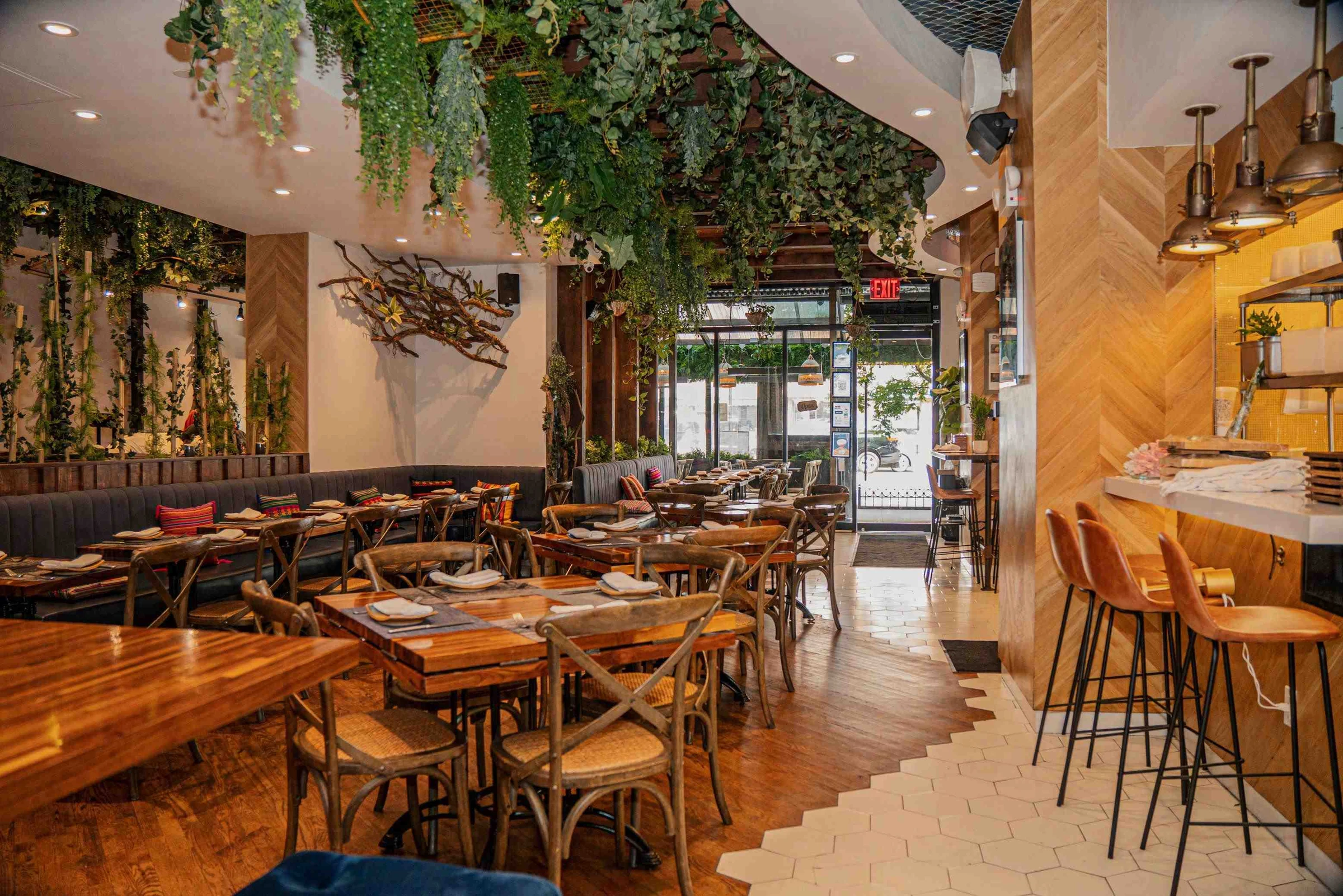
The clean, modern interior and polished presentation at Mission Ceviche suit a menu built around precision raw preparations. Restaurants in the same neighborhood and price bracket, from New York's broader dining scene, are increasingly transparent about sourcing; a seafood-forward menu with Peruvian credentials invites that same scrutiny and, handled well, rewards it.
The pulpo al olivo, tender octopus dressed with a purple-hued, olive-forward tiger's milk, finished with avocado and fried capers, is a case in point. Octopus requires careful sourcing: Mediterranean and Atlantic populations face pressure, and the method of fishing (trap versus trawl) carries meaningful environmental implications. The dish's presence as a signature item indicates the kitchen is committed to making it right, which in turn implies sourcing decisions that can support it at volume.
Room, Drinks, and the Broader Experience
Dining room at 1400 Second Avenue reads as clean and modern, with what OAD describes as a polished, easygoing atmosphere. That register, unhurried but not casual to the point of inattention, is the right tone for a menu built around precision raw preparations. The wine list is described as solid, which at the $$$ tier means a thoughtful selection rather than an exhaustive cellar program. The cocktail list includes creative takes on pisco sours, which is the appropriate anchor for a Peruvian restaurant: the pisco sour is Peru's national cocktail, and variations that extend the form without abandoning it signal kitchen confidence extending to the bar program.
For comparison against Peruvian cooking elsewhere in the country, the format at Mission Ceviche has clear parallels with the market-to-restaurant trajectory seen at venues like Lazy Bear in San Francisco, which also grew from an informal format into a formal dining room, though in a very different culinary register. The mid-price, ingredient-focused model also echoes what Providence in Los Angeles has demonstrated: that serious seafood cooking can be built around transparency and sourcing discipline without requiring tasting-menu pricing. Mission Ceviche's closest New York peer in the Peruvian seafood category is Caleta 111 Cevicheria, also operating in the city's growing Peruvian dining segment.
The restaurant sits at 1400 Second Avenue on the Upper East Side.
Questions
Frequently asked
Who works at Mission Ceviche?
Made By profiles José Luis Chavez (Chef) at Mission Ceviche.
How expensive is Mission Ceviche?
Mission Ceviche is listed at a price level of $$$.
Where is Mission Ceviche and what does it serve?
Mission Ceviche is in Upper East Side-Lenox Hill-Roosevelt Island, New York City, serving Modern Peruvian Ceviche.
The field
How it compares
| Place | Cuisine | Notes | Awards |
|---|---|---|---|
| Mission Ceviche | Modern Peruvian Ceviche | Upper East Side-Lenox Hill-Roosevelt Island, $$$ | · |
| Atomix | Modern Korean Tasting Menu | New York City | Michelin 2 Stars, World's 50 Best |
| Daniel | Modern French Fine Dining | New York City | Michelin 1 Star, World's 50 Best |
| Eleven Madison Park | Contemporary Plant-Based Fine Dining | New York City | Michelin 3 Stars, World's 50 Best |
| Jungsik New York | Modern Korean Fine Dining | New York City | Michelin 3 Stars, World's 50 Best |
| Kabawa | Modern Caribbean Prix Fixe | New York City | World's 50 Best |
| Le Bernardin | French Seafood Fine Dining | New York City | Michelin 3 Stars, World's 50 Best |
In residence
Similar places
Modern Korean Tasting Menu
Atomix
New York City, United States
★★ · 50 Best
Modern French Fine Dining
Daniel
New York City, United States
★ · 50 Best
Contemporary Plant-Based Fine Dining
Eleven Madison Park
New York City, United States
★★★ · 50 Best
Modern Korean Fine Dining
Jungsik New York
New York City, United States
★★★ · 50 Best
Modern Caribbean Prix Fixe
Kabawa
New York City, United States
50 Best
French Seafood Fine Dining
Le Bernardin
New York City, United States
★★★ · 50 Best