Oryori Mitsuyasu
In Residence
Yuichi Mitsuyasu
Chef
- 01CuisineSeasonal Kaiseki Omakase
- 02CityKyoto, Japan
- 03RecognitionOne Michelin Star
- 1 Michelin Star · Michelin Guide
- Tabelog Bronze #278: 4.2pts · 2026
- Opinionated About Dining Top Restaurants in Japan Recommended · 2026
- Michelin 1 Star · 2026
- Tabelog 100 #21: 4.1pts · 2025
- Tabelog Bronze · 2025
- Opinionated About Dining Top Restaurants in Japan Ranked #555 · 2025
- Michelin 1 Star · 2024
A Townhouse in Kamigyo, One Table at a Time
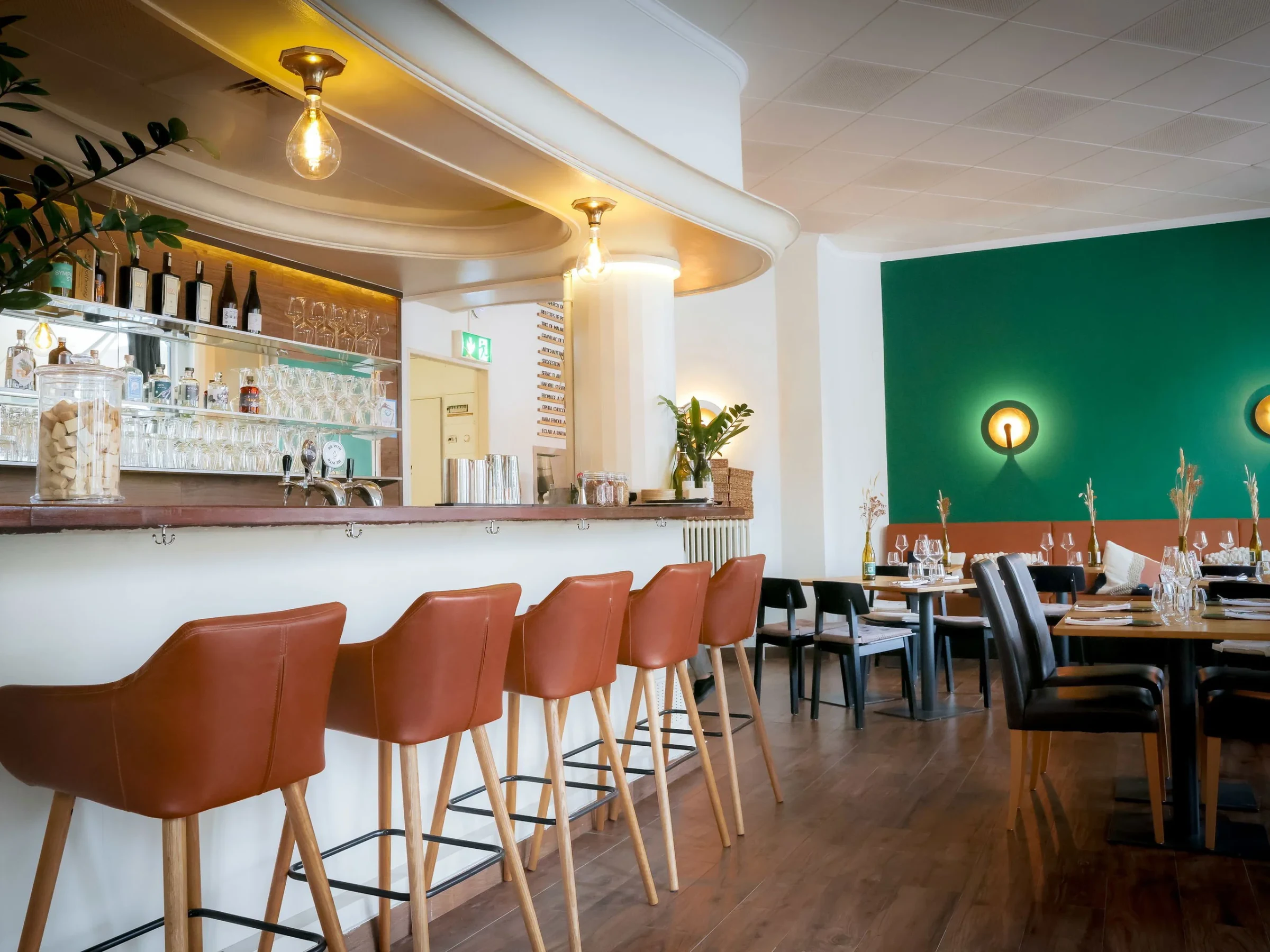
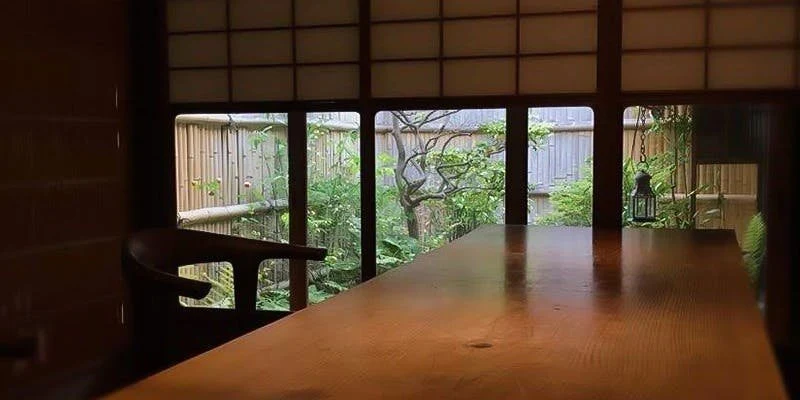
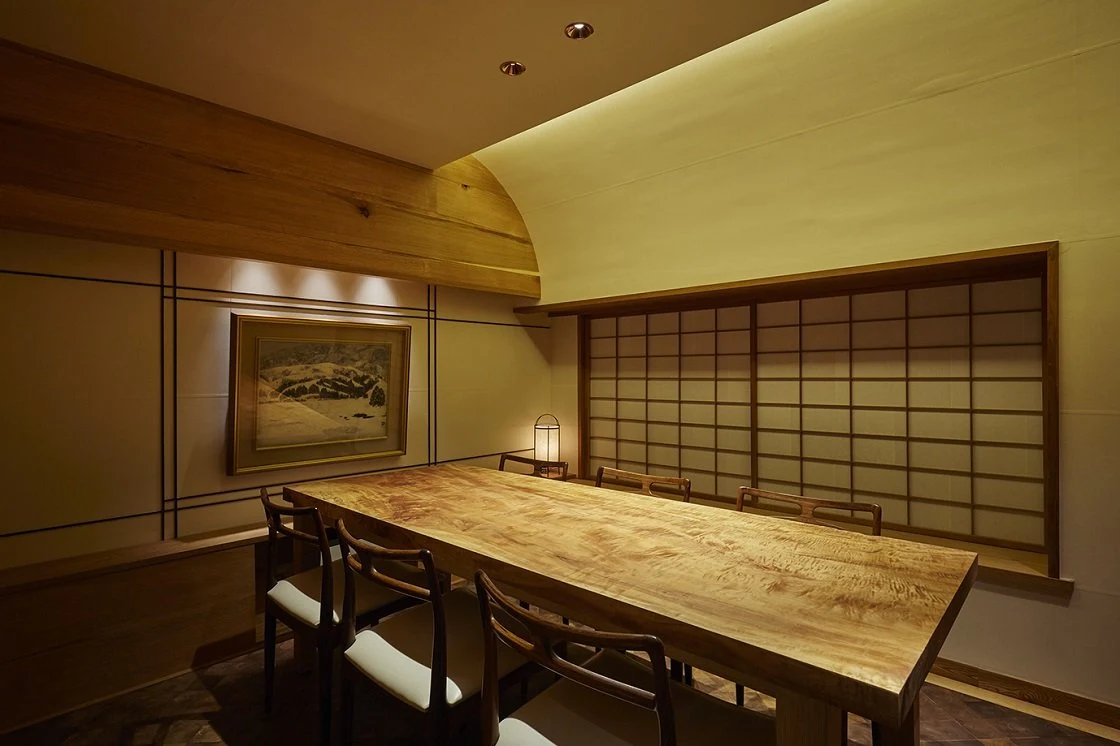
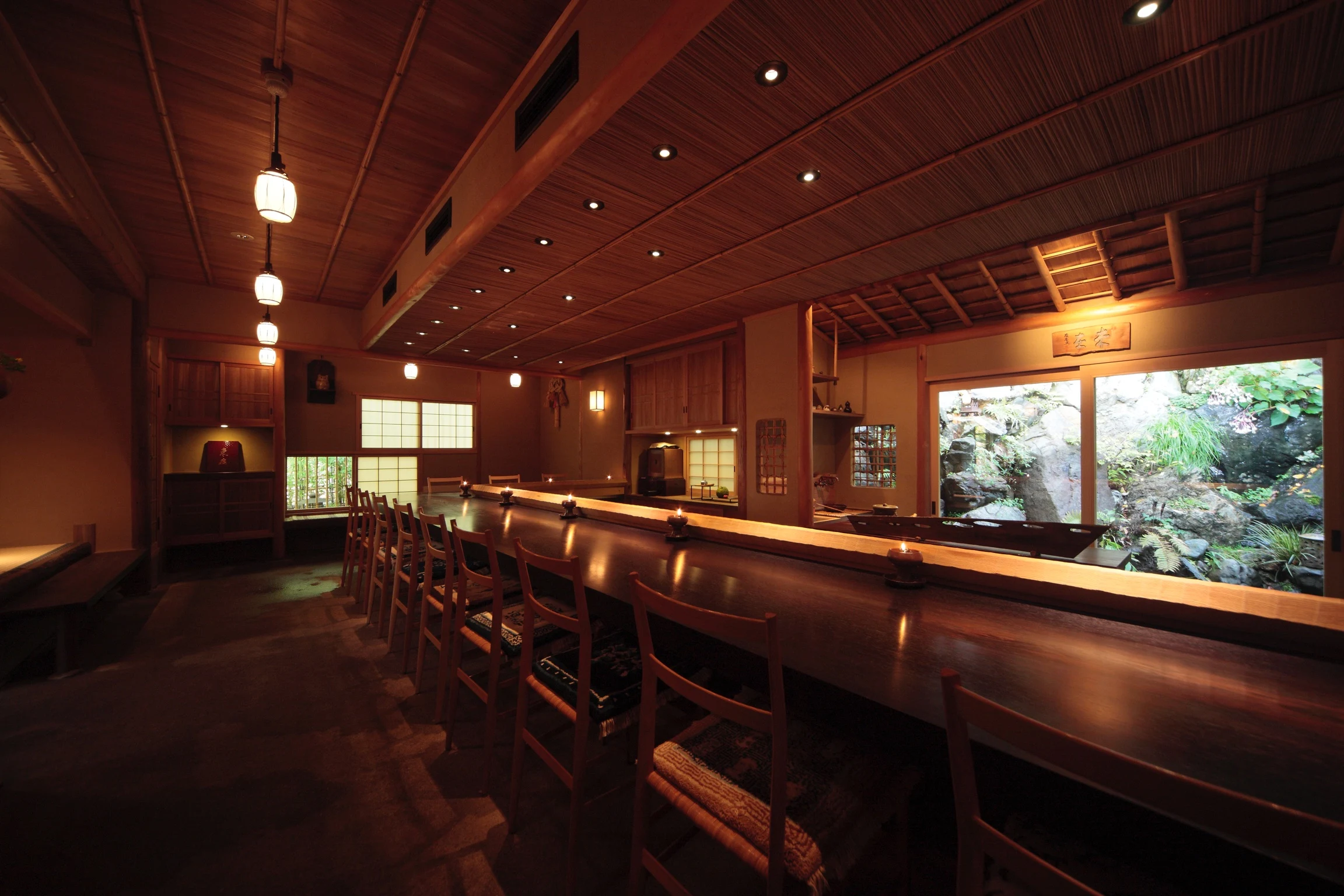
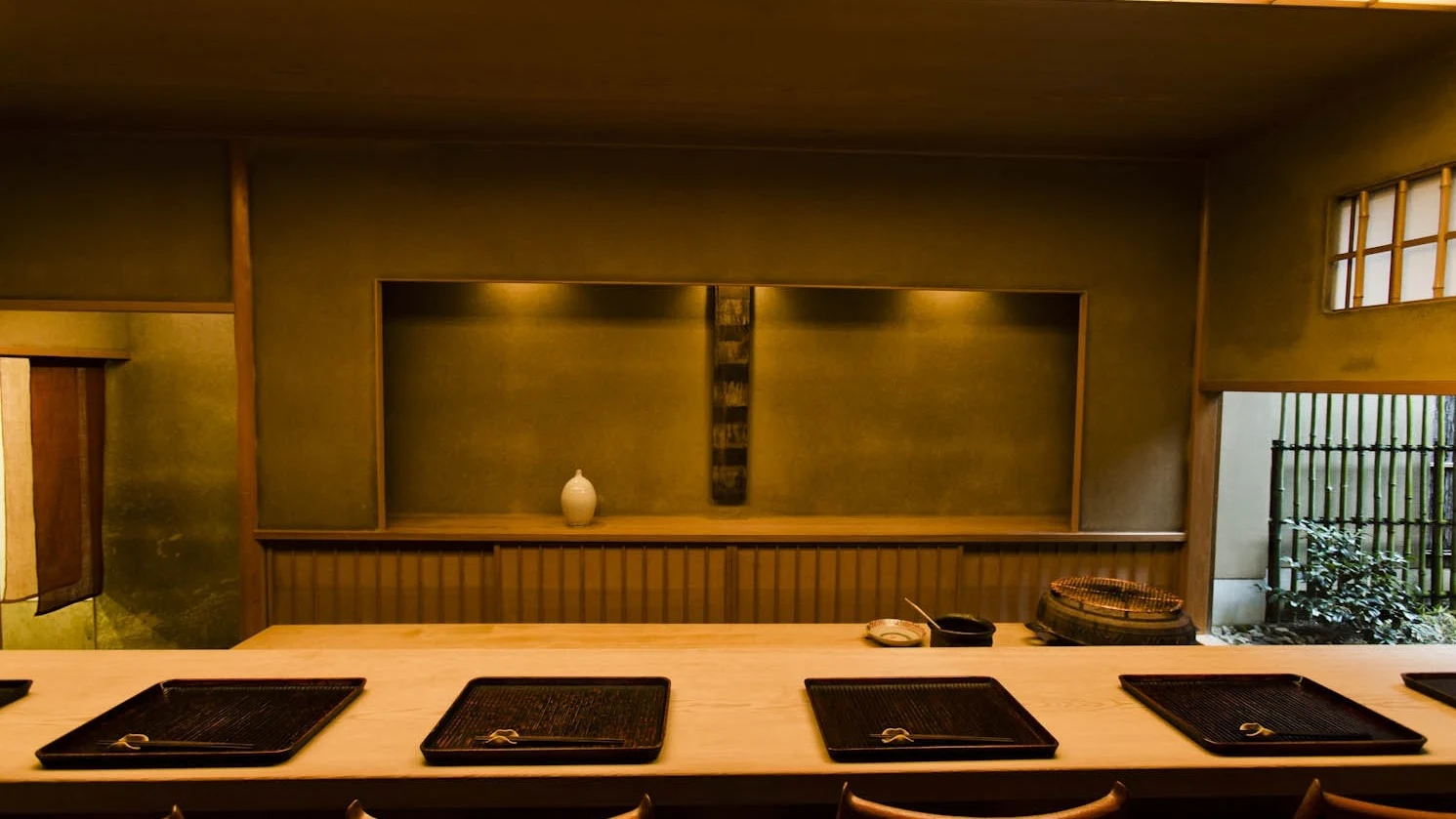
Kyoto's dining culture has long favoured restraint as a form of authority. The city's most admired tables tend to operate in residential side streets, behind unmarked facades, in rooms where the absence of ornament is itself a statement. The interior of Oryori Mitsuyasu draws on the particular atmosphere of a Kyoto merchant's townhouse: the low light, the tatami floor, the sense that the space has absorbed generations of careful living. Arriving here, on a lane in Kamigyo Ward roughly 963 metres from Nijo station, the distance from the tourist circuits of Gion and Higashiyama feels deliberate.
Kamigyo is older Kyoto, aristocratic rather than commercial, and its dining rooms tend to be quieter and less visited than those in the southern wards. That geography shapes what happens inside Mitsuyasu. The format is not designed for throughput. Chef Yuichi Mitsuyasu accepts only one booking per evening, a structural decision that has no parallel at most peer-level tables in the city and that changes the register of the entire experience from the moment of arrival.
One Booking Per Night: What That Format Actually Means
Among Kyoto's serious Japanese cuisine establishments, the single-booking model is rare enough to be worth examining as a category statement, not merely a quirk of one kitchen. At multi-seating kaiseki houses, the kitchen sequences its courses across several simultaneous tables, calibrating timing to a shared rhythm. When a chef accepts one party per evening, the kitchen's attention is undivided in a way that is logistically and experientially different from a room turning two or three seatings. Mitsuyasu's approach belongs to a very small tier, closer in spirit to some of the more private kappo counters in Osaka than to the mainstream kaiseki format found at venues like Gion Sasaki or Hyotei.
Reservations are required, and the restaurant's track record of sustained recognition across nearly a decade suggests that booking windows extend well in advance.
The Philosophy of Minimum Ingredients
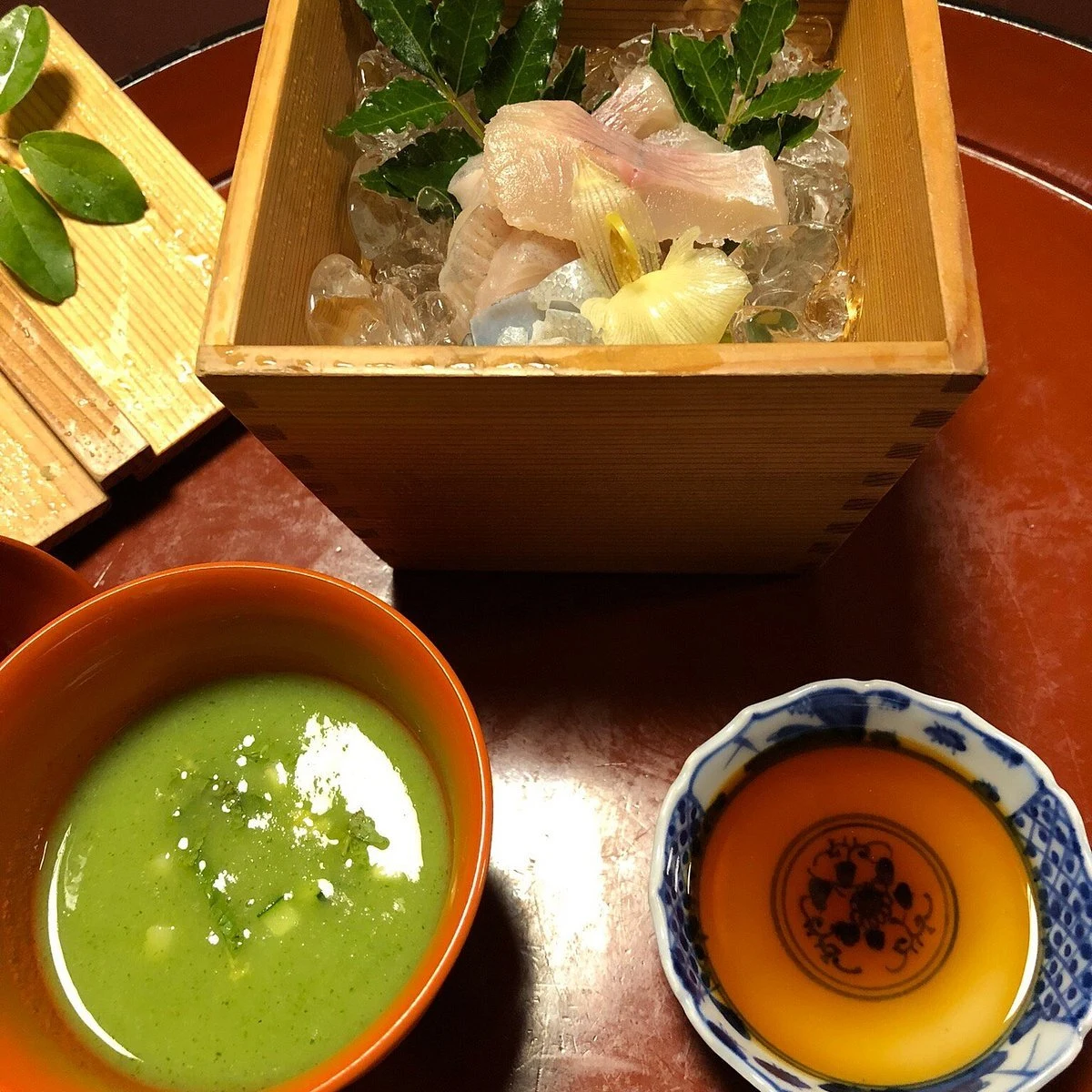
Kyoto cuisine in its classical form is built around the idea that ingredients, particularly seasonal vegetables, should be served in the manner that most honestly reveals their character. This is the principle behind the shojin tradition and, in secular form, behind the finest kyo-ryori kitchens. At Mitsuyasu, this principle operates through a constraint: each dish uses as few ingredients as possible, so that each component leaves its own distinct impression. Where a more elaborate kaiseki structure might layer flavours across six or eight components in a single plate, the approach here is subtractive.
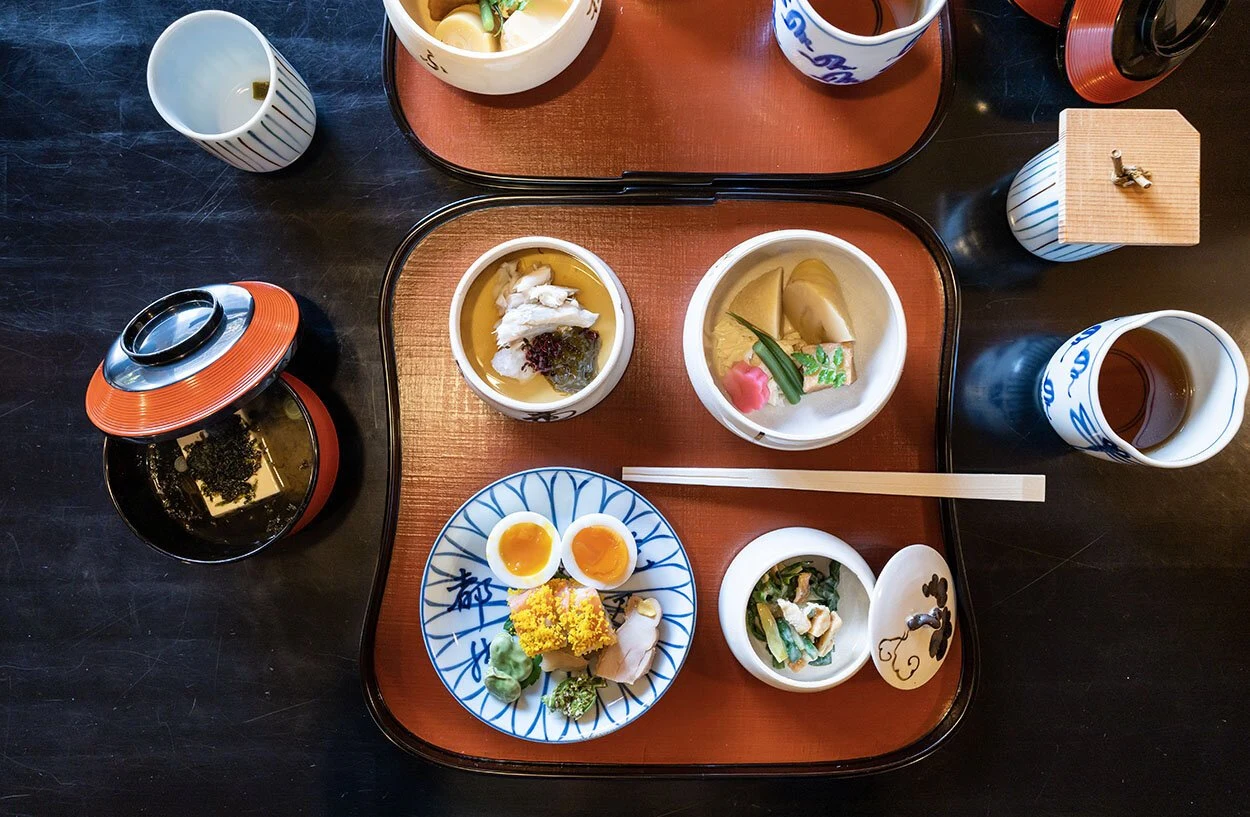
The hassun course, the seasonal appetiser arrangement that sets the mood of a traditional Japanese meal, is composed of vegetables prepared according to the method that leading suits them at the moment they are served: sometimes steamed, sometimes fried. The choice of technique is descriptive rather than transformative. The aim is to present the ingredient rather than to process it. This is a recognisable thread in Kyoto's most rigorous kitchens and connects the restaurant to the broader cultural value the city places on restraint.
One dish stands apart in the structure of the meal: a buckwheat mash dressed with white miso, served as a closing course. This preparation derives from Chef Mitsuyasu's time working at a soba establishment, and it operates as a bridge between two Japanese culinary traditions, the refined ryotei format and the earthier, grain-centred soba culture. As a final dish, it is quieter than the sweet confectionery or rice course that closes most kaiseki sequences. That quietness is the point.
Award Record and Where It Sits in the Kyoto Pecking Order
The recognition record here is one of the more consistent in Kyoto's mid-to-upper Japanese cuisine tier. Tabelog Bronze Awards from 2017 through 2026, running consecutively for a decade, indicate sustained peer and user confidence rather than a single spike in reputation. The Tabelog score of 4.22 to 4.23 over this period places the restaurant comfortably within the serious tier, though below the leading bracket occupied by Kyoto's Gold and Silver award holders.
The Michelin one-star recognition adds a further credential from a different evaluation system. Michelin and Tabelog assess differently, and the fact that Mitsuyasu carries recognition from both gives a clearer triangulation of its standing than either system alone would provide. Mitsuyasu's profile is distinct: smaller in scale, more stripped in format, and oriented around a single-table model that few of its neighbours replicate.
For those mapping this against comparable precision-driven Japanese cuisine tables elsewhere in Japan, Harutaka in Tokyo and HAJIME in Osaka represent different expressions of the same underlying impulse toward controlled, intentional cooking. Regional tables like akordu in Nara, Goh in Fukuoka, Beppu Hirokado in Oita, 1000 in Yokohama, and 6 in Okinawa show how the broader Japanese fine dining ecosystem distributes across the country. Even further afield, Cocoro in Auckland illustrates how Japanese culinary discipline travels. Mitsuyasu's particular version of that discipline, however, is rooted in something specifically Kyoto: the merchant townhouse, the tatami room, the city's long preference for the unstated over the declared.
Planning Your Visit
Dinner runs JPY 30,000 to JPY 39,999 per person. The restaurant does not accept credit cards, electronic money, or QR code payments; only cash. This is consistent with a certain tier of traditional Kyoto establishments that operate outside the cashless infrastructure adopted by more tourist-oriented venues. Plan accordingly.
Service runs Tuesday through Saturday, 18:00 to 21:30, with last order at 20:00. The restaurant is closed Sunday and Monday. Private rooms are available. The space includes tatami seating and is fully non-smoking. Drinks are limited to sake (nihonshu) and shochu. The restaurant does not offer parking.
Logistics at a Glance
| Detail | Mitsuyasu | Gion Sasaki | Ifuki |
|---|---|---|---|
| Cuisine | Japanese (Oryori) | Kaiseki, Japanese | Kaiseki |
| Price tier | ¥¥¥¥ (JPY 30,000 to 39,999) | ¥¥¥¥ | ¥¥¥¥ |
| Booking model | One party per evening | Standard reservation | Standard reservation |
| Payment | Cash only | Confirm directly | Confirm directly |
| Michelin | 1 Star (2024) | Starred | Starred |
| Tabelog Award | Bronze 2017 to 2026 | Awarded | Awarded |
| Private rooms | Available | Confirm directly | Confirm directly |
What to Order at Mitsuyasu
The menu is set rather than à la carte. Given the single-booking format and the kitchen's documented emphasis on minimum-ingredient preparation, the meal follows the season rather than a fixed programme. The hassun appetiser course of seasonal vegetables is the entry point into the kitchen's logic: dishes built around technique chosen to suit the ingredient, not around complexity for its own sake. The buckwheat mash with white miso, served at the close of the meal, functions as a signature in the truest sense: a preparation specific to this kitchen's history, connecting soba tradition with the refined ryotei format. If the restaurant's decade-long Tabelog recognition and Michelin star point toward anything consistently, it is that the meal's coherence comes from this subtractive approach: fewer elements, each one left to speak clearly. Expect sake or shochu as your drink options, chosen to complement rather than compete with the food.
The Sunday letter
Get new places like Oryori Mitsuyasu every Sunday.
One email a week with the restaurants, bars and hotels we have just written up, and the people who run them.
One email a week. Unsubscribe from any issue.
Questions
Frequently asked
What recognition does Oryori Mitsuyasu hold?
Oryori Mitsuyasu holds 1 Michelin star.
Who works at Oryori Mitsuyasu?
Made By profiles Yuichi Mitsuyasu (Chef) at Oryori Mitsuyasu.
How expensive is Oryori Mitsuyasu?
Oryori Mitsuyasu is listed at a price level of $$$$.
Where is Oryori Mitsuyasu and what does it serve?
Oryori Mitsuyasu is in Kamigyō, Kyoto, serving Seasonal Kaiseki Omakase.
The field
How it compares
| Place | Awards | Cuisine | Notes |
|---|---|---|---|
| Oryori Mitsuyasu | Michelin 1 Star | Seasonal Kaiseki Omakase | Kamigyō, $$$$ |
| Hyotei | Michelin 3 Stars | Traditional Kaiseki | Kyoto |
| Isshisoden Nakamura | Michelin 3 Stars | Traditional Kyoto Kaiseki | Kyoto |
| Kikunoi Honten | Michelin 3 Stars | Kyoto Kaiseki Ryotei | Kyoto |
| Miyama Sou | Michelin 3 Stars | Tsumikusa Kaiseki | Kyoto |
| Mizai | Michelin 3 Stars | Traditional Kaiseki | Kyoto |
| Ogata | Michelin 2 Stars | Kaiseki Omakase | Kyoto |
In residence
Similar places
The Sunday letter
Get the next Made By story in your inbox.
We send one email every Sunday morning with the places and people we covered that week.
One email a week. Unsubscribe from any issue.