Made ByRestaurant
Momofuku Ssäm Bar
In Residence
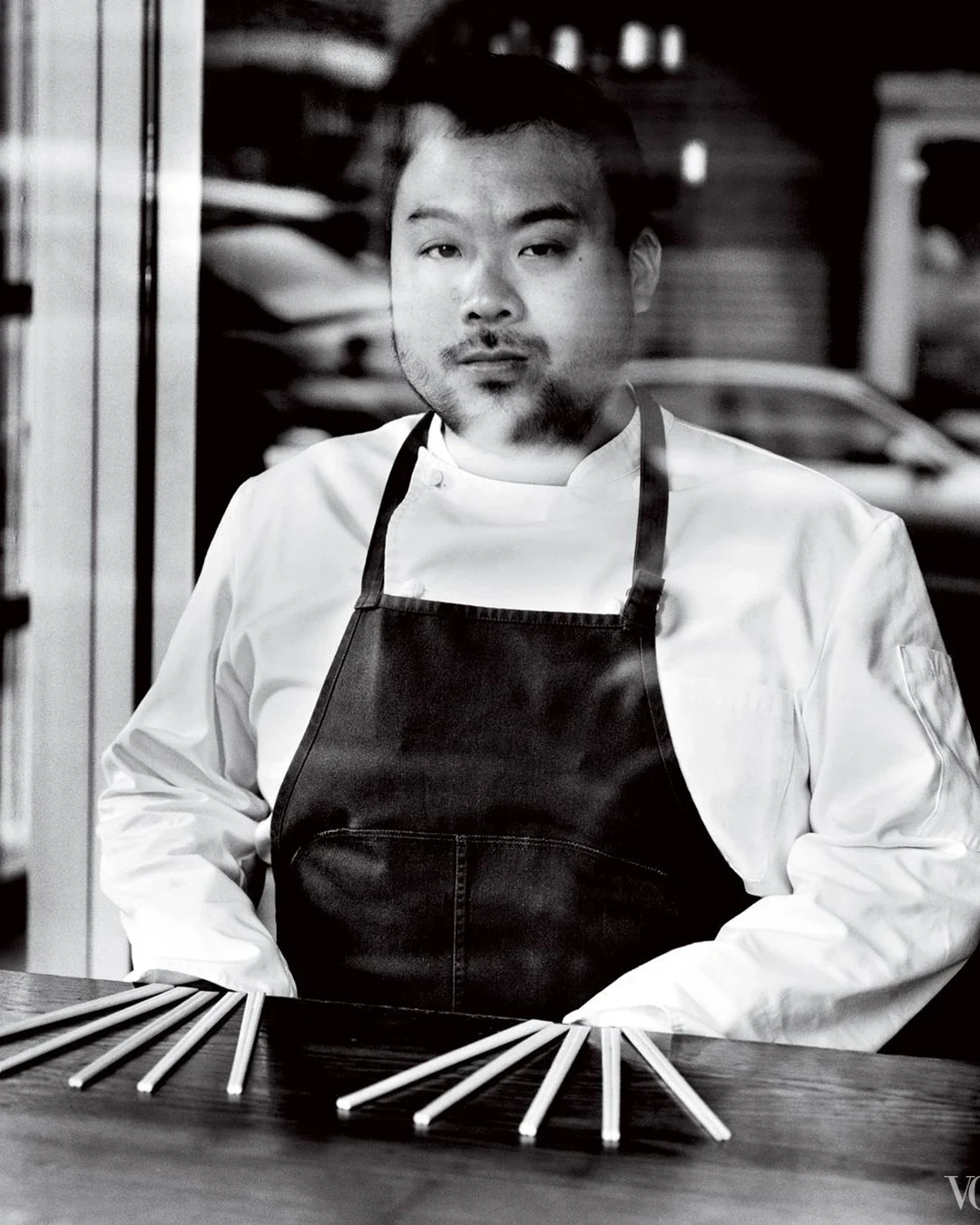
David Chang
Chef
- 01CityNew York City, United States
- 02RecognitionWorld's 50 Best — No. 26
- World's 50 Best · #26 · World's 50 Best Restaurants
- World's 50 Best Best Restaurants #37 · 2012
- World's 50 Best Best Restaurants #40 · 2011
- World's 50 Best Best Restaurants #26 · 2010
- World's 50 Best Best Restaurants #31 · 2009
- Robb Report 100 Greatest American Restaurants of the 21st Century #11
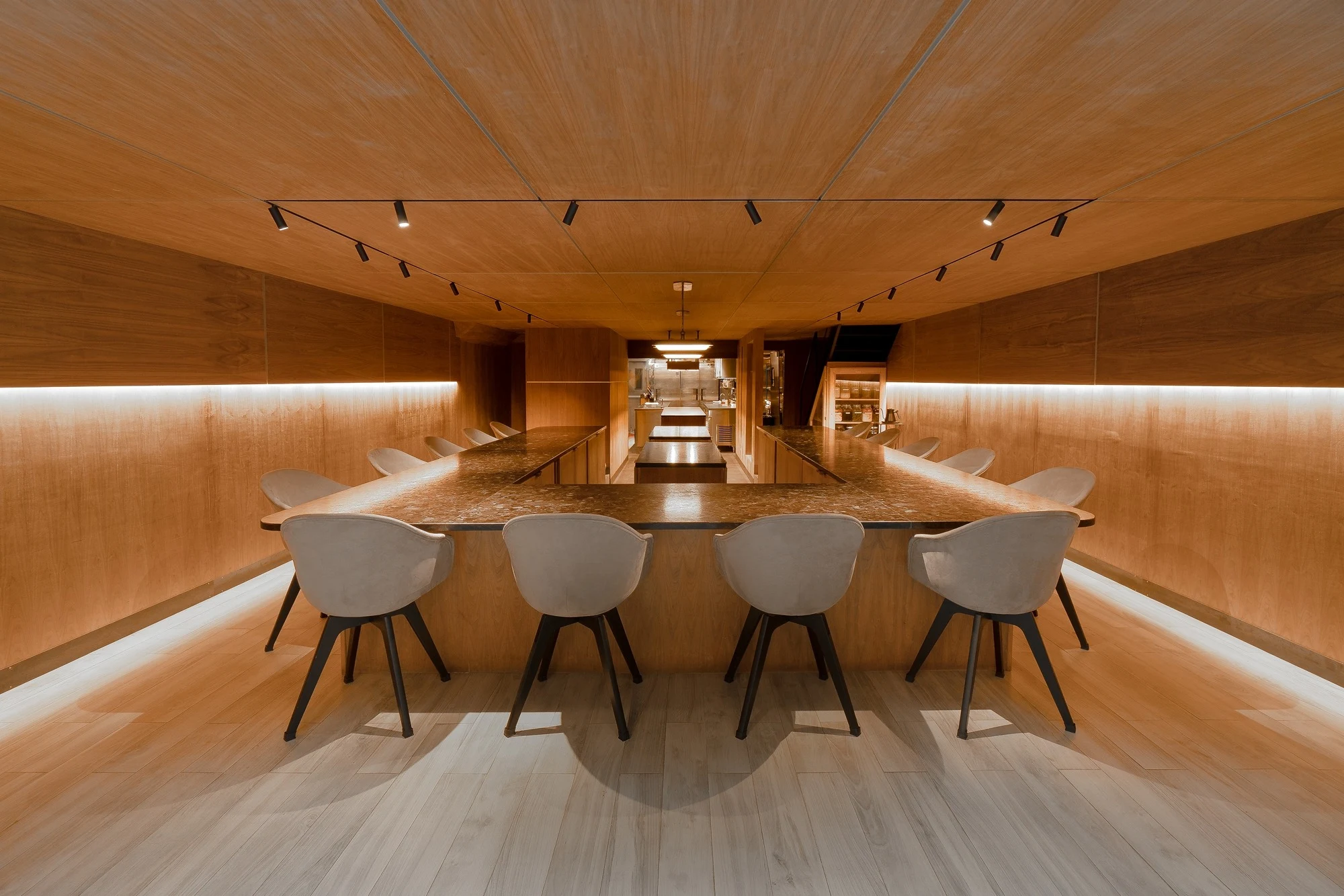
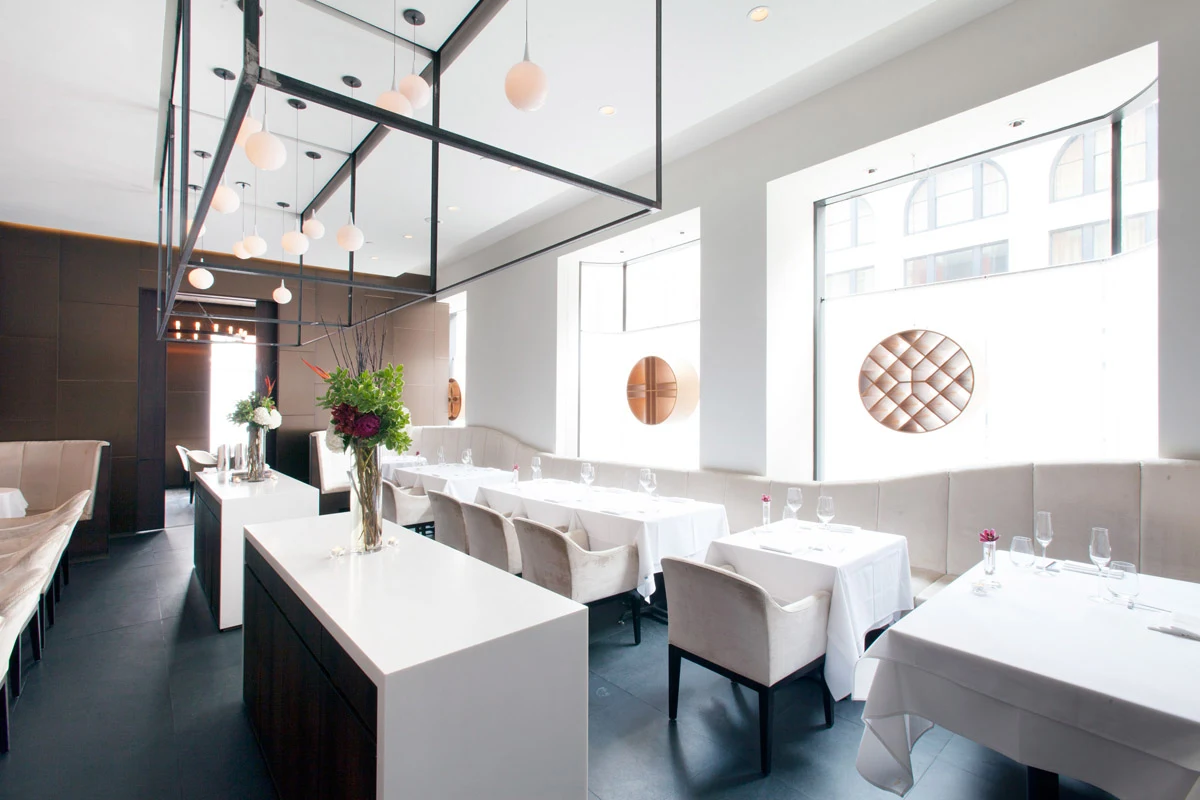
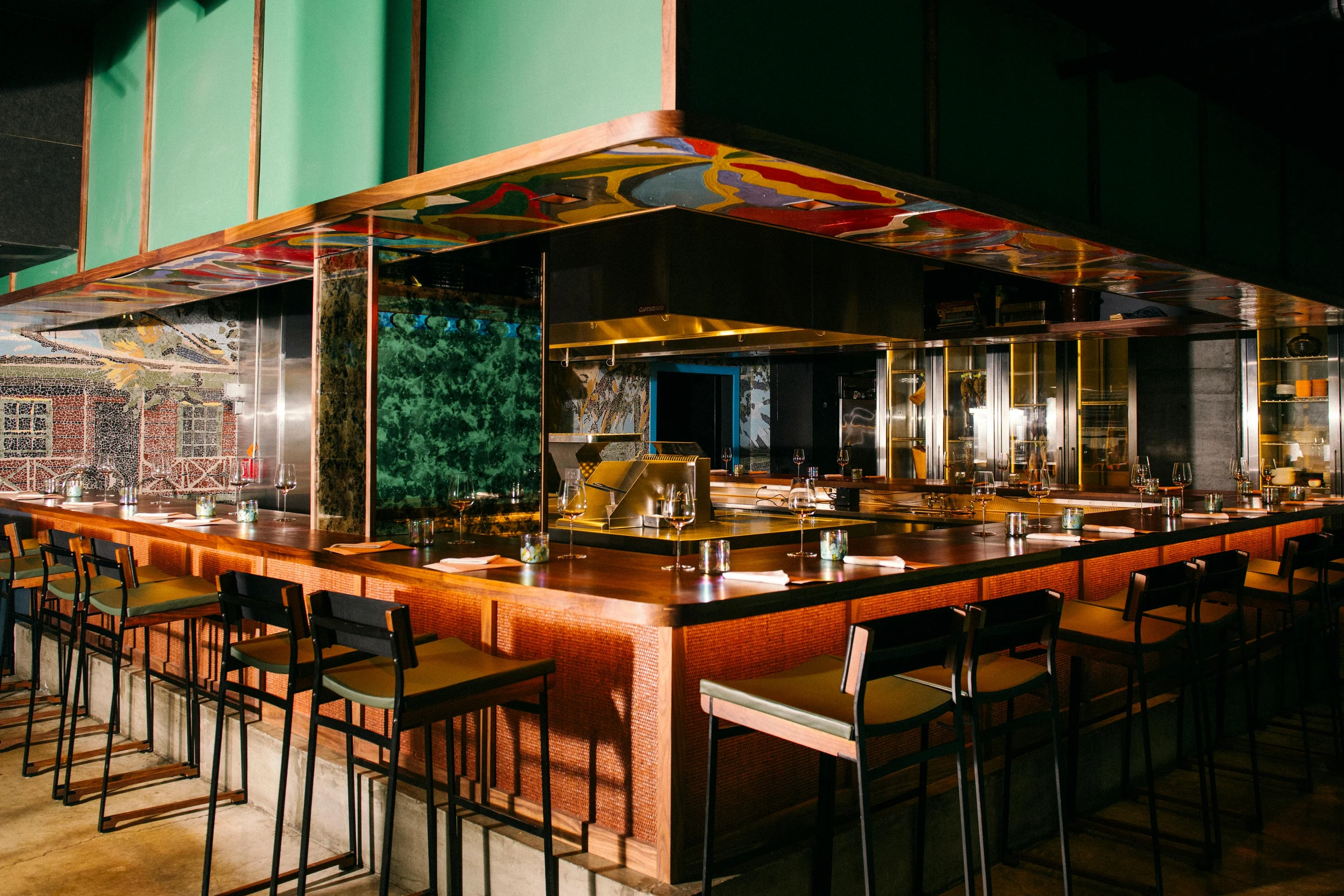
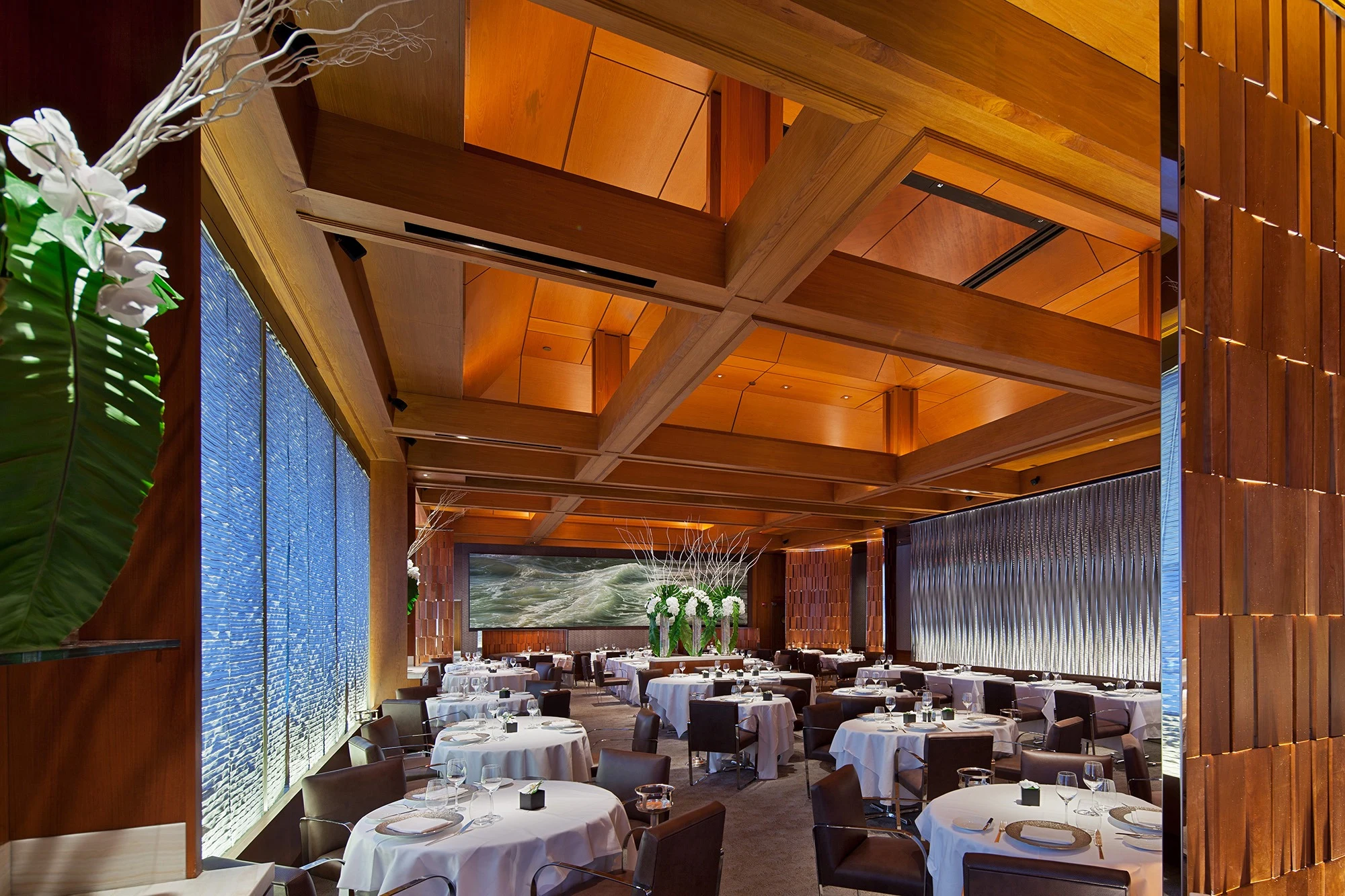
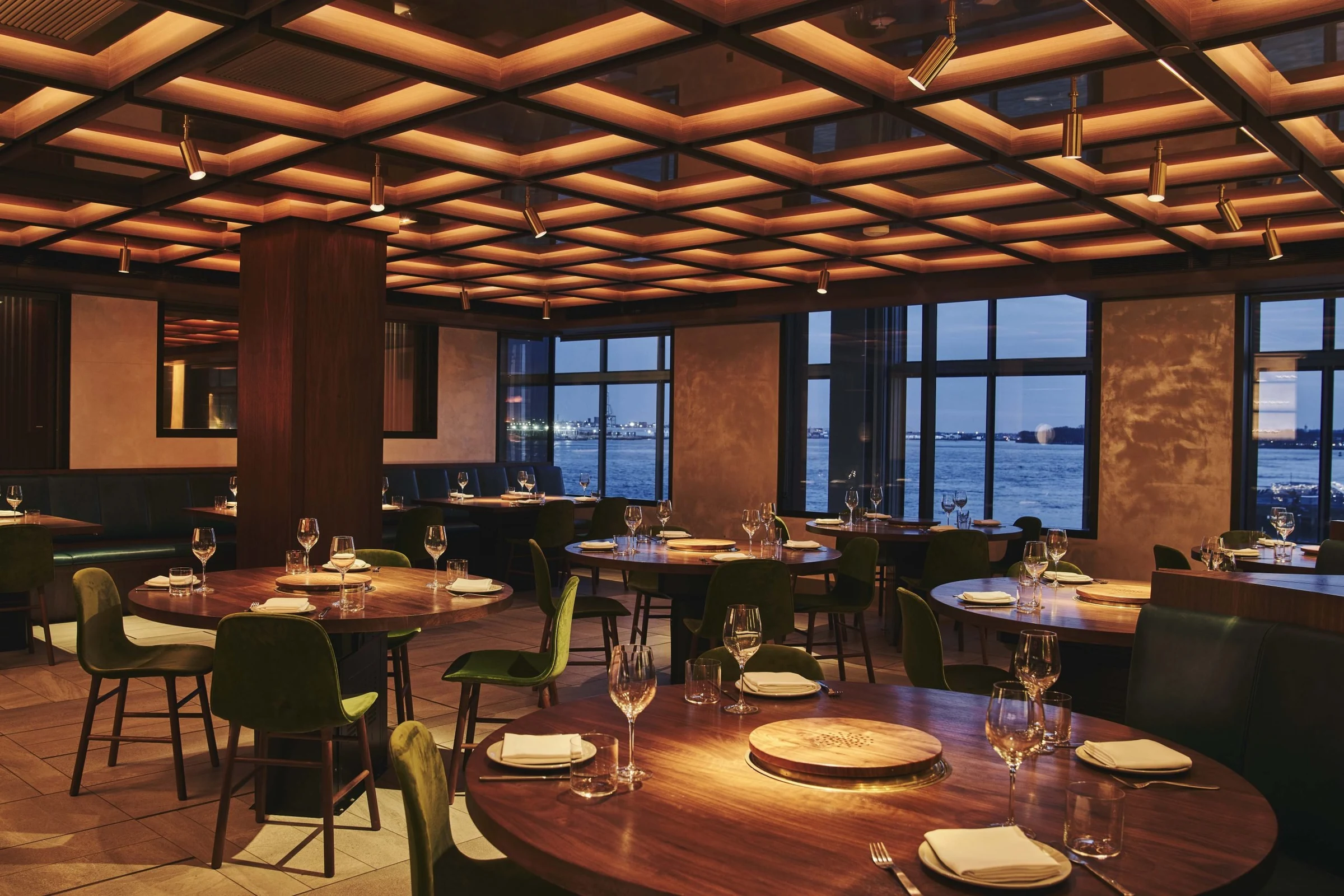
Momofuku Ssäm Bar is a permanently closed restaurant at 207 2nd Ave in New York, known for its Korean-American menu and ranking 26th on the World’s 50 Best list. It’s New York sophistication without the stiffness: an atmosphere charged with intention, where the hum of conversation meets the hiss of the plancha and the perfume of smoke, citrus, and spice. The result is an invitation to linger, explore, and surrender to a menu that evolves with the seasons, and the kitchen’s imagination. Its menu honored Korean roots through a distinctly American lens. Dishes balance the primal allure of charcoal and fat with delicate acidity and clean, crystalline textures. Expect briny oysters with bright, assertive mignonettes; whisper-thin crudos layered with heat and lift; and luscious cuts of pork and beef burnished to a lacquered sheen, their richness punctuated by herbaceous greens and tempered by the satisfying bite of fermented chile. Vegetables step forward with uncommon grace, smoky, charred, and deeply seasoned, proof that restraint can be as luxurious as decadence. Service was attentive yet unintrusive, a quietly confident partner to the menu. The team reads the room with tact: pacing that breathes, guidance that illuminates without dictating, and a curated beverage program that amplifies each dish’s arc. Crisp, mineral-driven whites, elegant reds, and inventive cocktails align to the food’s dynamic rhythm, whether you’re settling in for a progression of shared plates or a focused, chef-led experience. For the traveler with a collector’s sensibility, Ssäm Bar offered moments to remember, from surprising first bites to layered textures and lingering heat. It was culinary storytelling in high definition, confident and precise, in a room that made every evening feel charged with New York’s kinetic charm. The restaurant is permanently closed.
Questions
Frequently asked
What recognition does Momofuku Ssäm Bar hold?
Momofuku Ssäm Bar holds a place on the World's 50 Best list at number 26.
Who works at Momofuku Ssäm Bar?
Made By profiles David Chang (Chef) at Momofuku Ssäm Bar.
The field
How it compares
| Place | Awards | Notes | Cuisine |
|---|---|---|---|
| Momofuku Ssäm Bar | World's 50 Best #26 | East Village | · |
| Atomix | Michelin 2 Stars, World's 50 Best | New York City | Modern Korean Tasting Menu |
| Daniel | Michelin 1 Star, World's 50 Best | New York City | Modern French Fine Dining |
| Eleven Madison Park | Michelin 3 Stars, World's 50 Best | New York City | Contemporary Plant-Based Fine Dining |
| Jungsik New York | Michelin 3 Stars, World's 50 Best | New York City | Modern Korean Fine Dining |
| Kabawa | World's 50 Best | New York City | Modern Caribbean Prix Fixe |
| Le Bernardin | Michelin 3 Stars, World's 50 Best | New York City | French Seafood Fine Dining |
In residence
Similar places
Modern Korean Tasting Menu
Atomix
New York City, United States
★★ · 50 Best
Modern French Fine Dining
Daniel
New York City, United States
★ · 50 Best
Contemporary Plant-Based Fine Dining
Eleven Madison Park
New York City, United States
★★★ · 50 Best
Modern Korean Fine Dining
Jungsik New York
New York City, United States
★★★ · 50 Best
Modern Caribbean Prix Fixe
Kabawa
New York City, United States
50 Best
French Seafood Fine Dining
Le Bernardin
New York City, United States
★★★ · 50 Best