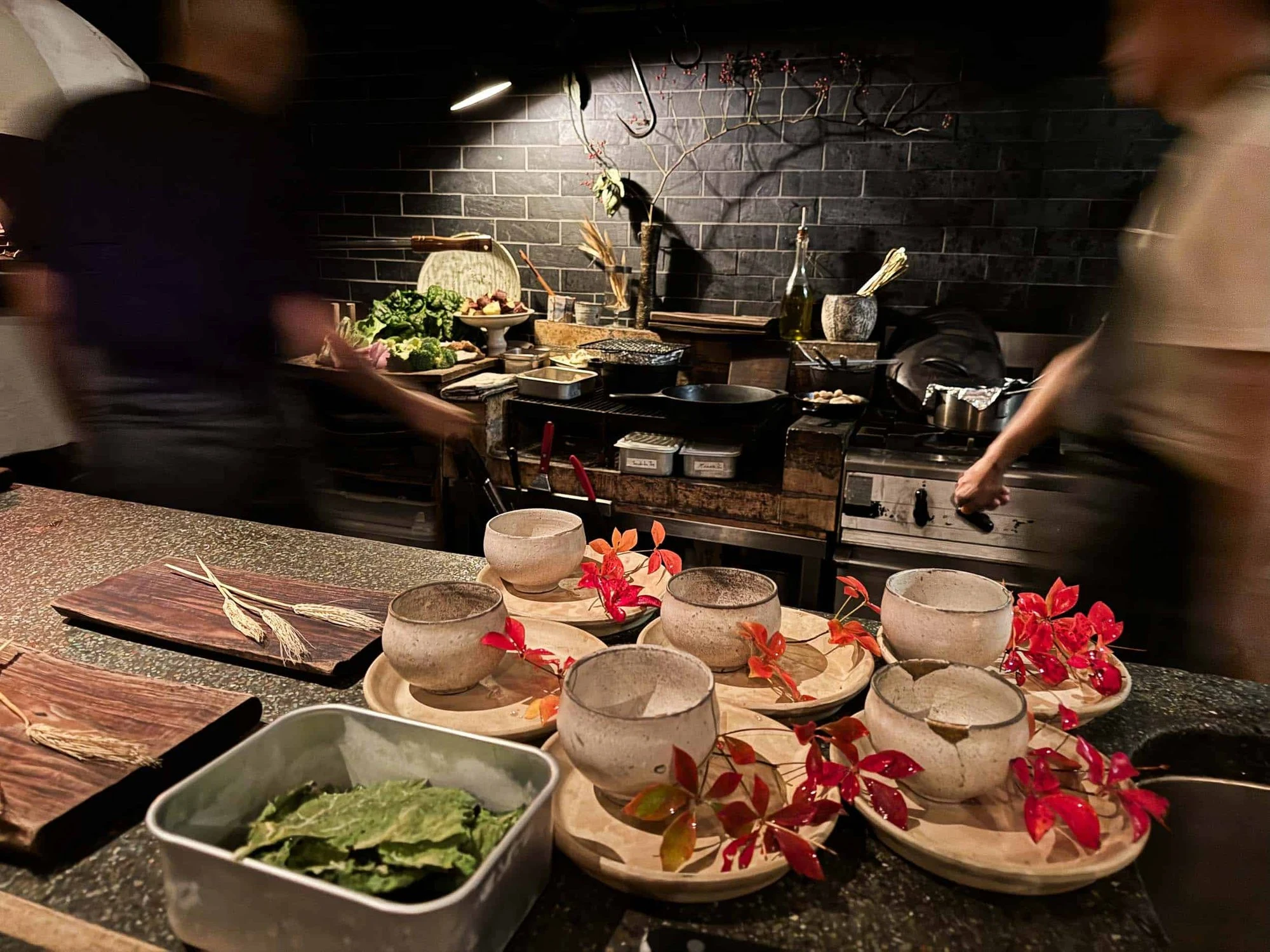
The Northeastern Corner of Kyoto's Dining Scene
Kyoto's most discussed restaurants cluster predictably: kaiseki institutions along the Kamo River, Michelin-flagged rooms in Gion, and multi-generational Japanese houses that have held the same address for decades. Gion Sasaki, Hyotei, and Kikunoi Honten occupy that well-mapped tier, drawing reservation traffic from visitors who have done their research months in advance. monk is a Kyoto restaurant in Sakyo Ward at 147 Jodoji Shimominamidacho, with a price tier of 3 and a Modern Japanese Wood-Fired Pizza Omakase focus. The Jodoji area, northeast of central Kyoto and close to the Nanzenji and Eikan-do temple corridor, is the kind of neighbourhood where the dining options thin out and the addresses that remain tend to attract visitors with a specific purpose rather than passing trade.
That geographic remove matters when thinking about what kind of dining experience monk represents. Restaurants that position themselves in quieter residential or temple-adjacent neighbourhoods in Kyoto are not doing so for foot traffic. They are doing so for atmosphere, cost structure, or a particular kind of guest who plans deliberately. Understanding that context is the starting point for planning a visit.
The Sunday email
Read about the people behind restaurants like monk in the Sunday email.
Every Sunday we send a lead story and up to four more about the chefs, winemakers, sommeliers and hoteliers behind the restaurants, bars, wineries and hotels we cover.
Recent stories

Free. One email a week, and you can unsubscribe from any issue.
What the Booking Process Looks Like from the Outside
Given the editorial angle that frames monk most honestly, it is worth addressing the logistics head-on. The venue's contact details and booking method call for direct inquiry. Restaurants operating in this tier in Kyoto, particularly in lower-density neighbourhoods outside the main tourist corridors, frequently rely on a combination of direct contact, concierge referral, or local knowledge for reservations. That is not unusual for Japan's more serious dining addresses. Counters in Tokyo's leading omakase tier, comparable rooms like Harutaka in Tokyo, and tightly controlled formats such as Atomix in New York City all require planning windows that reward early movers.
For monk specifically, visitors should plan to book directly in advance. This is not an obstacle unique to Kyoto; it reflects a broader pattern in Japan's high-intent dining culture, where the reservation itself is part of the signal that you are a serious guest. Confirming current hours before building an itinerary around this address is essential.
Kyoto's Dining Geography and Where monk Fits
Sakyo Ward runs north along the city's eastern edge, encompassing the university district around Yoshida, the Nanzenji temple complex, and the quieter residential pockets of Jodoji. It is not a dining neighbourhood in the way Gion or Pontocho are. The restaurants that do operate here tend to be embedded in the neighbourhood rather than performing for it, and the guest mix skews local or deliberately informed rather than broadly tourist. Isshisoden Nakamura and Mizai represent the kind of serious Japanese dining that Kyoto produces at its most formal; monk's Jodoji address places it in a different register, though the specifics of its format require direct verification.
The broader Japanese dining scene provides useful reference points. Across the country, a category of smaller, intentional restaurants has emerged that operates outside major award circuits while maintaining serious culinary focus. Goh in Fukuoka and akordu in Nara occupy related positions in their respective cities, places that require some effort to find and book, but that reward the effort with a dining experience calibrated for guests who have done that work. Regional Japan also produces serious addresses well outside major urban circuits: 三本木 長谷川製 in Nanao and 湖畔荘 in Takashima are examples of how intent-driven dining extends well beyond the Michelin-mapped cities. monk's Kyoto address places it in a city with deep culinary tradition, but its neighbourhood context suggests a format closer to this deliberate, lower-profile tier.
Questions
Frequently asked
Who works at monk?
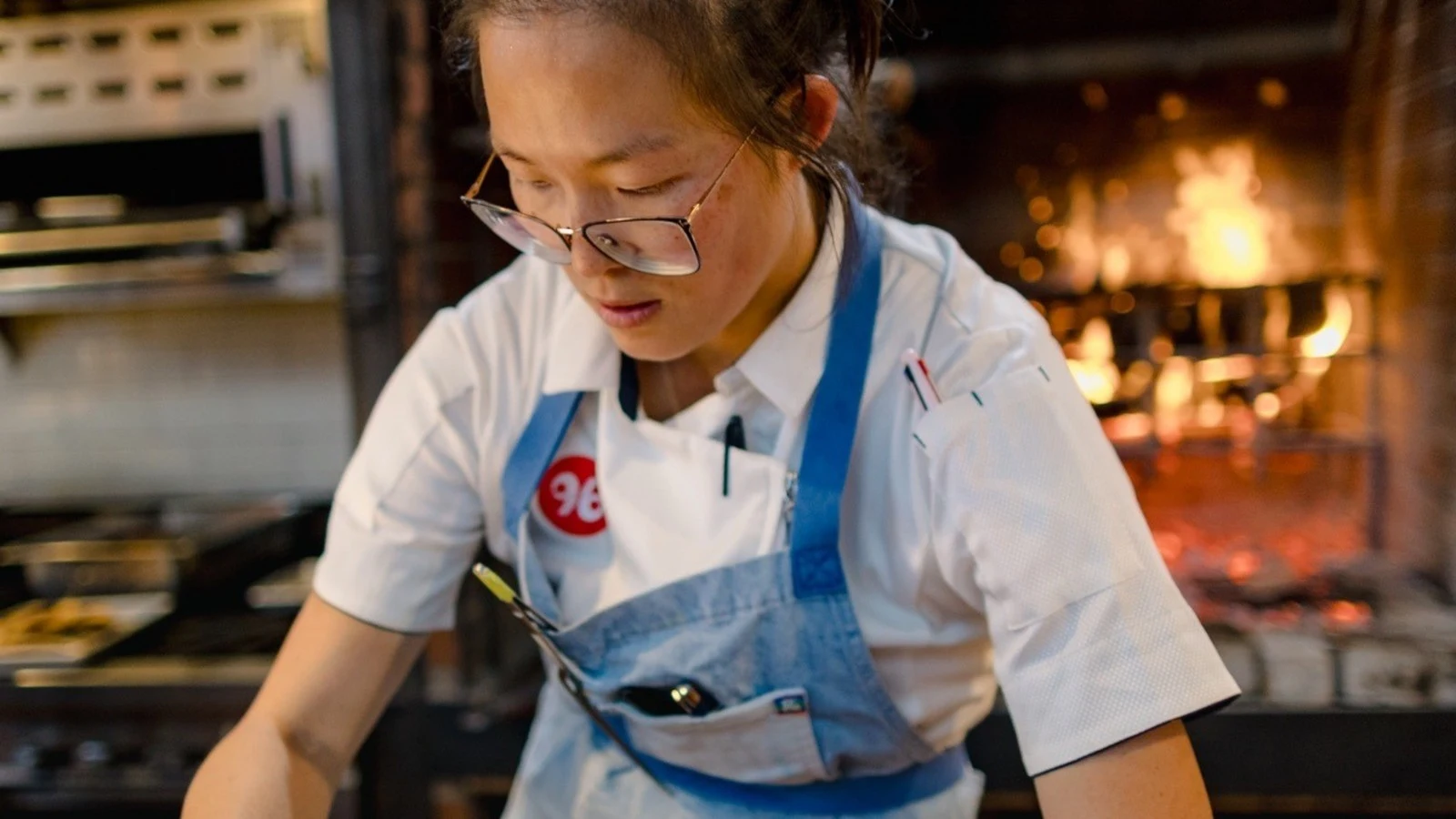
Made By profiles Imai-san (Chef-Owner) at monk.
How expensive is monk?
monk is listed at a price level of $$$.
Where is monk and what does it serve?
monk is in Sakyō, Kyoto, serving Modern Japanese Wood-Fired Pizza Omakase.
The field
How it compares
| Place | Cuisine | Notes | Awards |
|---|---|---|---|
| monk | Modern Japanese Wood-Fired Pizza Omakase | Sakyō, $$$ | · |
| Gion Sasaki | Modern Kaiseki | Kyoto | Michelin 3 Stars |
| Hyotei | Traditional Kaiseki | Kyoto | Michelin 3 Stars |
| Isshisoden Nakamura | Traditional Kyoto Kaiseki | Kyoto | Michelin 3 Stars |
| Kikunoi Honten | Kyoto Kaiseki Ryotei | Kyoto | Michelin 3 Stars |
| Mizai | Traditional Kaiseki | Kyoto | Michelin 3 Stars |
| Ogata | Kaiseki Omakase | Kyoto | Michelin 2 Stars |
Similar places
The Sunday email
Read about the people behind restaurants like monk in the Sunday email.
Every Sunday we send a lead story and up to four more about the chefs, winemakers, sommeliers and hoteliers behind the restaurants, bars, wineries and hotels we cover.
Recent stories
Free. One email a week, and you can unsubscribe from any issue.