Chakaiseki Nakahan
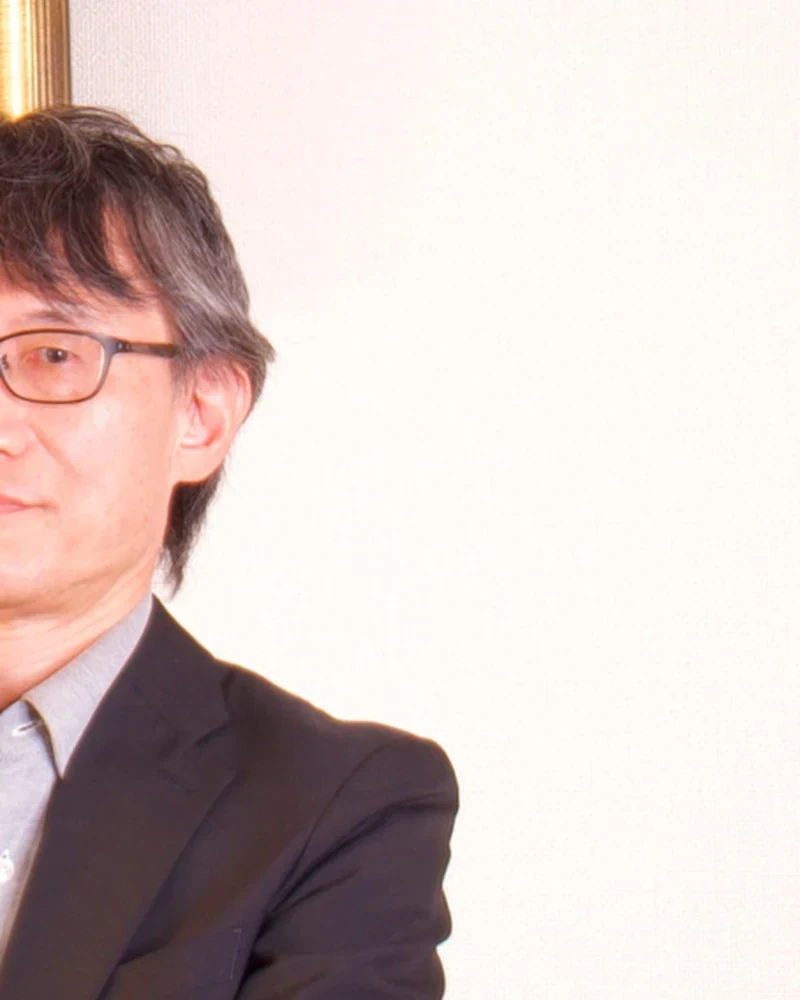
In Residence
Toshiyuki Nakagawa
Chef
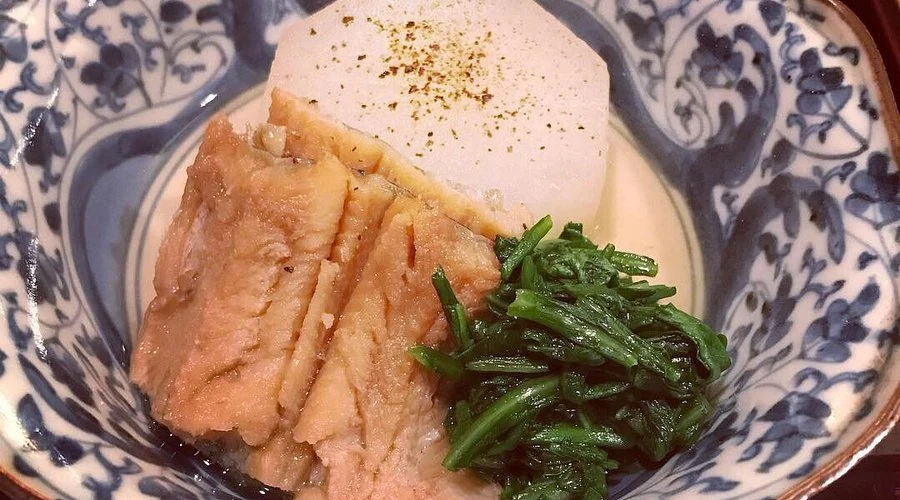
- 01CuisineCha-Kaiseki Omakase
- 02CityFukuoka, Japan
- Opinionated About Dining Top Restaurants in Japan Ranked #598 · 2025
Nishinakasu After Dark: The Room Before the Meal
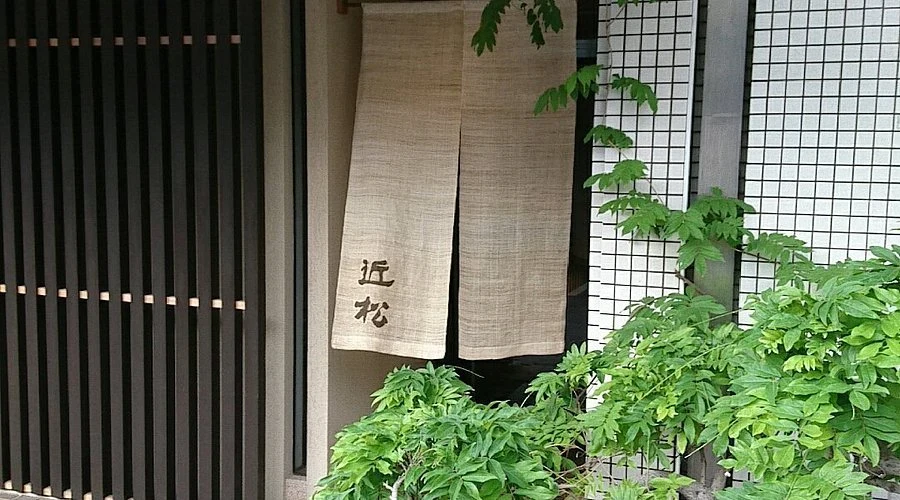
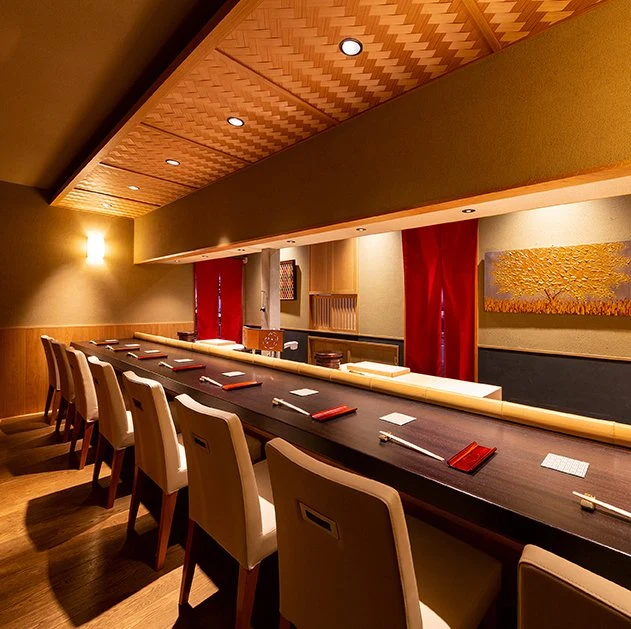
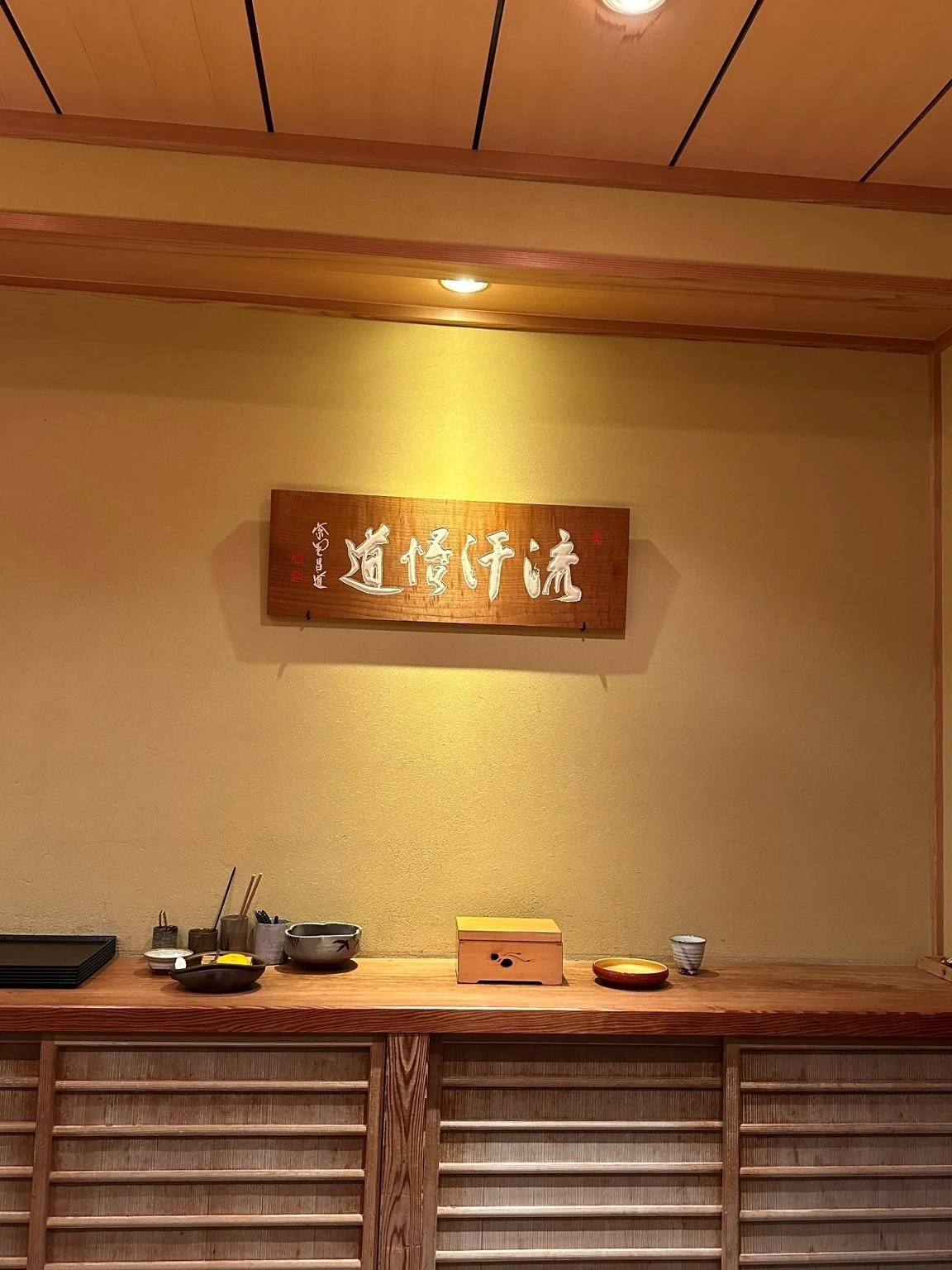
The approach to Nakahan sets an expectation that the meal is unlikely to contradict. Nishinakasu, the narrow strip of Fukuoka's Chuo Ward that runs alongside the Naka River, has long been the city's most concentrated zone for serious dining, a place where small second-floor rooms and discreet stairwells house kitchens that operate with considerably more ambition than their signage suggests. Nakahan occupies exactly that kind of space: a second-floor room in BAY HILL COURT at 3-19-2, a building that asks you to look up rather than along the street. The physical remove from the pavement is not incidental. In Fukuoka's dining culture, the climb to an upper floor has its own grammar, it signals that the meal inside operates on its own terms, separate from the foot traffic below.
Menu Architecture and What It Reveals
Japanese cuisine in this register is fundamentally an argument made in courses. The structure of a kaiseki or washoku progression, the sequence of preparations, the ratio of raw to cooked, the placement of grilled versus simmered dishes, the moment a soup arrives, carries as much information about a chef's sensibility as the individual ingredients themselves. At this level of the Fukuoka dining scene, where the Opinionated About Dining ranking places Nakahan at #598 among Japan's leading restaurants in 2025, the menu is less a list of dishes than a set of decisions made visible.
Chef Toshiyuki Nakagawa operates within that tradition. In the context of Fukuoka's broader Japanese cuisine category, which spans everything from neighborhood izakayas to Michelin-recognised kappo counters, a placement in the OAD Japan ranking situates Nakahan in the tier where technique and sequence are both verifiable and consequential. The menu's architecture, however it is composed on any given evening, will reflect choices about pacing, about the weight of umami across courses, about when restraint serves better than abundance. These are the decisions that separate a functional meal from a considered one.
For comparison, Fukuoka's Japanese cuisine scene includes venues with distinct structural approaches: Chikamatsu works through the tight, ingredient-forward logic of sushi omakase, while Chiso Nakamura operates within the broader kaiseki idiom. Nakahan's placement in the OAD list alongside these addresses places it in a comparable set defined by craft accountability rather than casual hospitality. Across that comparable set, the question the menu must answer is always the same: does the structure serve the ingredients, or do the ingredients serve the structure?
Fukuoka as a Context for Serious Japanese Cooking
Fukuoka occupies an interesting position in Japan's culinary geography. The city is widely associated, internationally, with tonkotsu ramen, a dish whose cultural dominance can obscure the depth of the city's formal dining culture. In practice, Fukuoka's proximity to Kyushu's agricultural and coastal producers, combined with a long tradition of merchant-class dining, has produced a restaurant scene with genuine seriousness at the upper end. The city's serious Japanese cuisine addresses operate with access to local seafood, seasonal vegetables, and regional ingredients that kitchens in Tokyo or Osaka would source from further away.
That locational advantage matters most in kitchens where menu architecture is seasonal by design. The Japanese culinary calendar divides not just by season but by micro-season, and a kitchen committed to that rhythm will rebuild its menu structure multiple times across a year, not just swapping ingredients but reconsidering the weight and order of courses as the produce changes. It is this temporal discipline that the OAD Japan ranking is, in part, measuring: the ability to sustain coherent menu logic across a full year of ingredient shifts.
Fukuoka's position as a serious dining city extends across categories. Goh applies French technique to Kyushu ingredients from the same Chuo Ward neighbourhood, while Bekk and Asago each represent distinct positions within Fukuoka's broader fine dining range. The cumulative density of serious kitchens within a relatively compact city centre is what makes Fukuoka a dining destination rather than simply a food city, a distinction that matters to anyone planning a visit around meals.
Nakahan in the National Picture
An OAD ranking of #598 in Japan requires some context to read correctly. Japan's OAD list is compiled from a large international base of frequent diners, with a particular concentration of votes from serious restaurant-goers who travel specifically to eat. Placement in the ranked list, rather than appearing in the broader, unranked pool, represents a meaningful threshold of recognition. In a country where the density of technically accomplished restaurants is higher than almost anywhere else in the world, a position in the ranked tier is a verifiable credential.
For a frame of reference across Japan's broader fine dining map: Harutaka in Tokyo and Gion Sasaki in Kyoto represent the upper register of their respective city's Japanese cuisine categories, while HAJIME in Osaka operates at the boundary between Japanese cuisine and international fine dining. Nakahan's ranking places it in a different tier, serious and accountable, operating within tradition rather than interrogating it, and building its case through consistency rather than spectacle. That is a legitimate and often more durable position to occupy.
Further afield on Kyushu, Beppu Hirokado in Oita offers another data point for the island's serious Japanese cuisine category, while 6 in Okinawa, akordu in Nara, Mitsuyasu in Kyoto, and 1000 in Yokohama each illustrate how regional identity inflects Japanese cuisine at this level of attention.
Planning a Visit
Nakahan is located on the second floor of BAY HILL COURT in Nishinakasu, Chuo Ward, a short walk from the Naka River and well within the concentration of serious dining addresses that defines this part of Fukuoka. The Google rating of 4.6 from 23 reviews is a small sample but directionally consistent with the OAD placement: the scores align with a kitchen that performs reliably for those who seek it out, rather than one drawing broad casual footfall. Booking in advance is advisable for any OAD-ranked address in this neighbourhood; the room size implied by the second-floor format and limited review count suggests capacity is modest. For broader planning across the city, our full Fukuoka restaurants guide covers the range of the city's serious dining addresses, and our guides to Fukuoka hotels, bars, wineries, and experiences cover the full scope of a visit.
Questions
Frequently asked
Who works at Chakaiseki Nakahan?
Made By profiles Toshiyuki Nakagawa (Chef) at Chakaiseki Nakahan.
How expensive is Chakaiseki Nakahan?
Chakaiseki Nakahan is listed at a price level of $$$$.
Where is Chakaiseki Nakahan and what does it serve?
Chakaiseki Nakahan is in Chūō, Fukuoka, serving Cha-Kaiseki Omakase.
The field
How it compares
| Place | Cuisine | Notes |
|---|---|---|
| Chakaiseki Nakahan | Cha-Kaiseki Omakase | Chūō, $$$$ |
| Chikamatsu | Edomae Sushi Omakase | Fukuoka |
| Restaurant Sola | Modern French with Kyushu Ingredients | Fukuoka |
| Sushi Gyoten | 3-Star Michelin Edomae Omakase | Fukuoka |
| Sushi Karashima | Kyushu-Style Edomae Omakase | Fukuoka |
| Sushi Sakai | Edomae-style Omakase Sushi | Fukuoka |
| Tenzushi Kyomachi | Modern Kyushu-style Omakase Sushi | Fukuoka |
In residence
Similar places
Edomae Sushi Omakase
Chikamatsu
Fukuoka, Japan
Modern French with Kyushu Ingredients
Restaurant Sola
Fukuoka, Japan
3-Star Michelin Edomae Omakase
Sushi Gyoten
Fukuoka, Japan
Kyushu-Style Edomae Omakase
Sushi Karashima
Fukuoka, Japan
Edomae-style Omakase Sushi
Sushi Sakai
Fukuoka, Japan
Modern Kyushu-style Omakase Sushi
Tenzushi Kyomachi
Fukuoka, Japan