Nakaji
In Residence
Kunihide “Nakaji” Nakajima
Chef
- 01CuisineTraditional Japanese Omakase
- 02CityNew York City, United States
Toyosu fish at a 10-seat counter
- Opinionated About Dining Top Restaurants in North America Ranked #56 · 2026
- Pearl Recommended Restaurant · 2025
- Opinionated About Dining Top Restaurants in North America Ranked #47 · 2025
- Opinionated About Dining Top Restaurants in North America Ranked #58 · 2024
- Opinionated About Dining Top Restaurants in North America Ranked #54 · 2023
Rice first at the Bowery counter
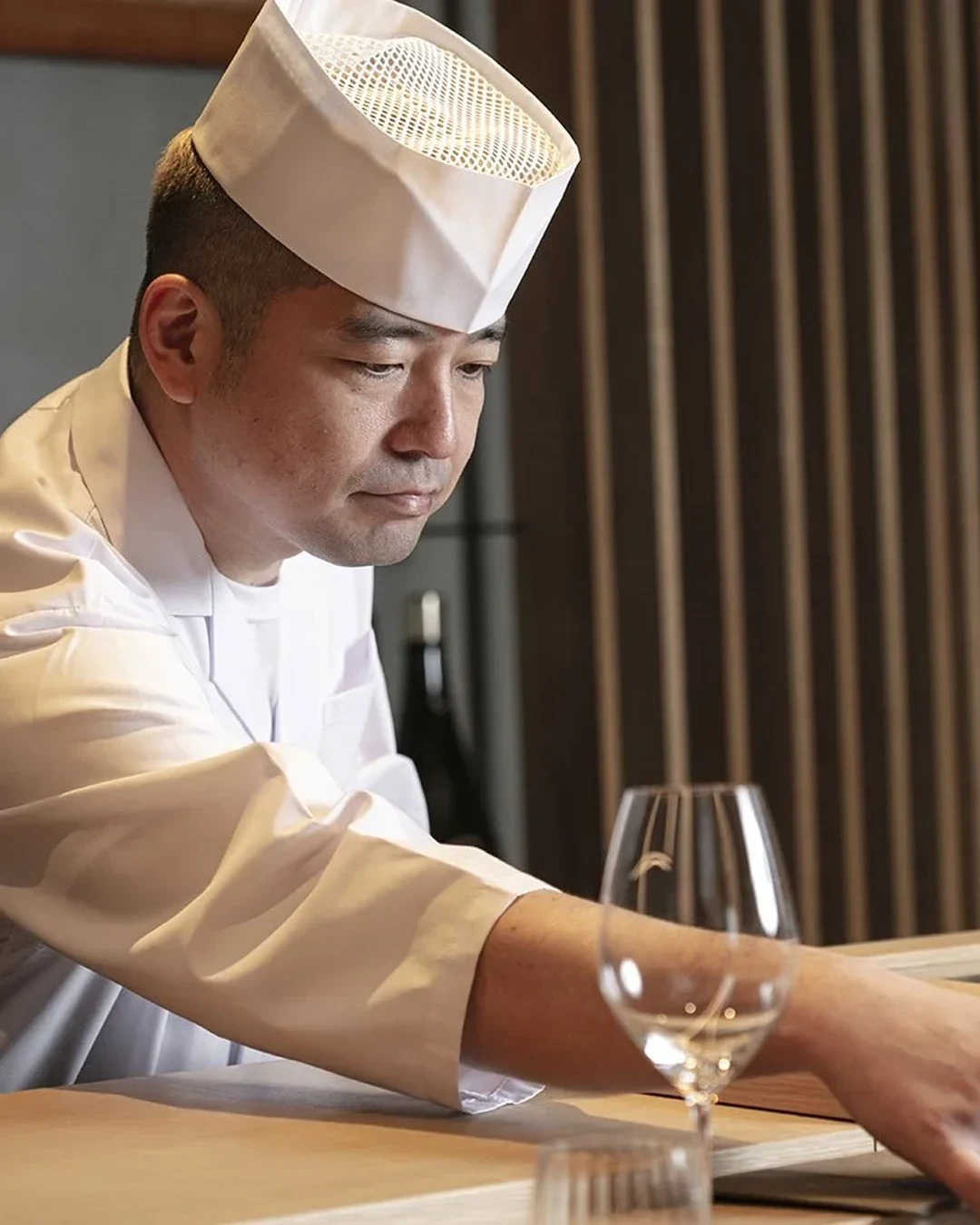
Warm rice sets the pace before the fish lands. Kunihide “Nakaji” Nakajima, chef at Nakaji in New York City, works at the counter with that base in mind: temperature, seasoning, pressure, release. He has said, “The most important aspect of homemade sushi is the rice.” At Nakaji, that sentence is not a garnish to the meal. It is the method under the nigiri, the measure by which each piece either holds or fails.
Nakajima began training at 18, inside a discipline where progress arrives through correction rather than display. His New York path moved through a 1997 arrival in Midtown and an executive chef chapter at Sushi Inoue in Harlem before the chef role at Nakaji, where the room carries his name and the work sits close enough for each gesture to be read. His biography names him as a third-generation sushi chef; the practical inheritance shows in restraint, in sequence, and in the refusal to let the counter become performance before it becomes service.
Toyosu fish, Edomae sequence
The omakase at Nakaji is built for a 10-seat counter, with the meal moving through tsumami, nigiri, a hand roll, soup, a hot plated dish and dessert. Published descriptions differ on the exact count, but they agree on the shape of the experience: appetizers first, then an Edomae nigiri progression that depends on rice held warm against cool fish. Seafood comes from Toyosu Market three times weekly, and the restaurant’s own account ties that sourcing to family purveyor relationships across generations.
That supply line matters because the counter leans toward seasonality and fish with a narrower window. Uni, aori ika, herring, ice fish, sea cucumber and shirako have all been named in accounts of the meal. Nakajima does not need abundance to make the point. The cut, the seasoning, the hand pressure and the pause between pieces do that work. When the rice is right, the fish has somewhere to go.
A room behind the bar
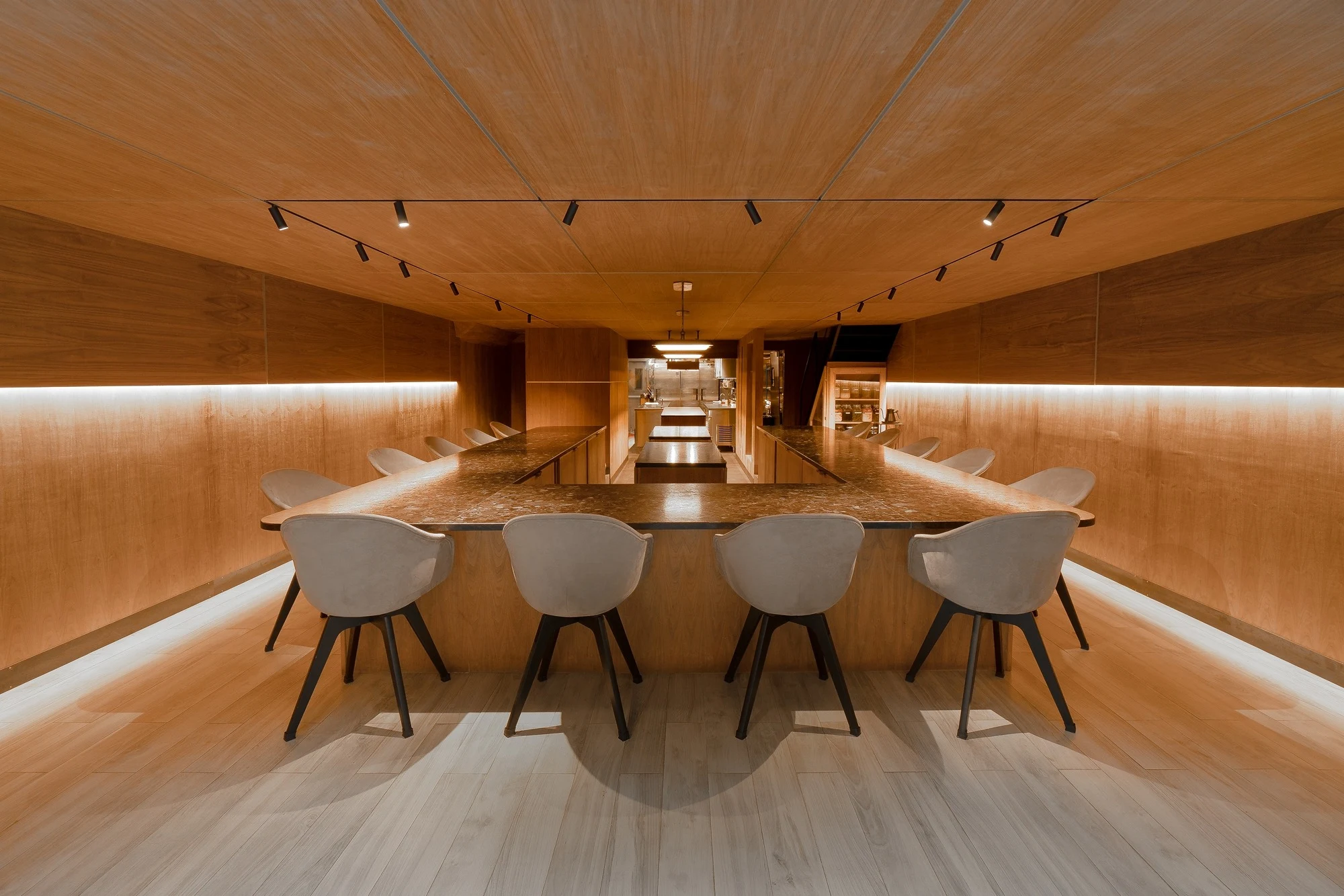
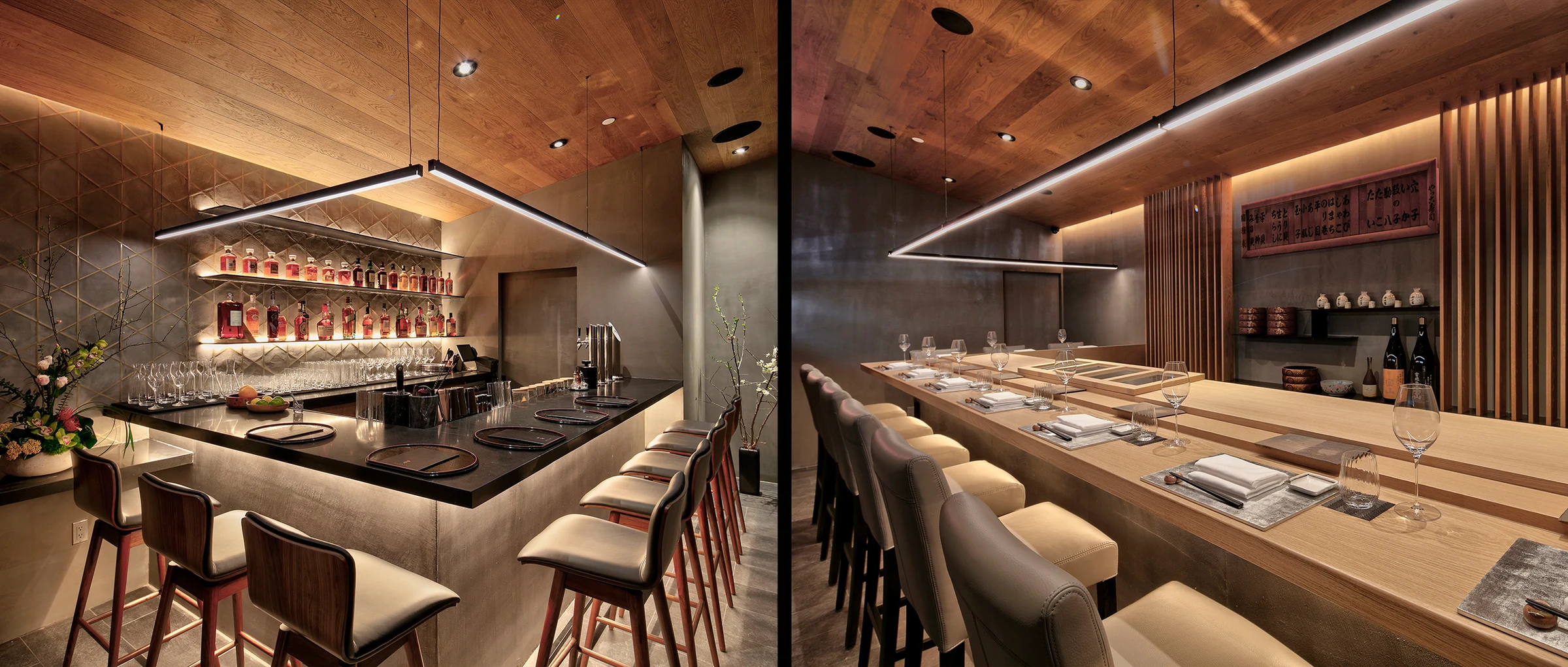
The approach to the sushi counter begins through Canal Arcade, between Bowery and Elizabeth streets, and passes the adjacent Bar at Nakaji before the room settles into wood, low light and quiet. The bar has 9 seats and more than 400 rare Japanese whiskies; beyond it, the sushi counter narrows the field of attention. There is little distance between guest and bench-side work. The knife, the rice box, the brush and the plate remain within view.
The room’s smallness changes the service. Conversation lowers, timing becomes audible, and each piece arrives without the buffer of a large dining room. This is where Nakaji’s traditional approach makes sense: not as nostalgia, but as a counter discipline that can survive New York pace because the format gives it nowhere to hide. The final memory is often a specific piece rather than a flourish, a piece of uni or shirako placed over rice at Nakaji.
Questions
Frequently asked
What kind of restaurant is Nakaji?
Nakaji is a traditional Japanese omakase restaurant in Chinatown, on the Bowery in New York City. The meal is built around a 10-seat counter and follows an Edomae sushi approach that keeps rice central to the experience.
Who is the chef at Nakaji?
Kunihide “Nakaji” Nakajima is the chef at Nakaji. He began training at 18, and his New York career included work in Midtown and a period as executive chef at Sushi Inoue in Harlem before taking the chef role at Nakaji.
What does the omakase include?
The omakase moves through tsumami, nigiri, a hand roll, soup, a hot plated dish and dessert. Published descriptions differ on the exact count, but they agree on that overall shape, with seafood sourced from Toyosu Market three times a week.
What are the signature dishes?
Uni, nigiri and tsumami are listed as signature dishes at Nakaji. Accounts of the menu also mention aori ika, herring, ice fish, sea cucumber and shirako.
How do bookings work?
Reservations are essential at Nakaji, and booking is through Resy. The restaurant is open Tuesday through Sunday from 5:30 PM to 12 AM and is closed on Mondays.
The field
How it compares
| Place | Cuisine | Notes | Awards |
|---|---|---|---|
| Nakaji | Traditional Japanese Omakase | Chinatown-Two Bridges, $$$$ | · |
| Atomix | Modern Korean Tasting Menu | New York City | Michelin 2 Stars, World's 50 Best |
| Daniel | Modern French Fine Dining | New York City | Michelin 1 Star, World's 50 Best |
| Eleven Madison Park | Contemporary Plant-Based Fine Dining | New York City | Michelin 3 Stars, World's 50 Best |
| Jungsik New York | Modern Korean Fine Dining | New York City | Michelin 3 Stars, World's 50 Best |
| Kabawa | Modern Caribbean Prix Fixe | New York City | World's 50 Best |
| Le Bernardin | French Seafood Fine Dining | New York City | Michelin 3 Stars, World's 50 Best |
In residence
Similar places
Modern Korean Tasting Menu
Atomix
New York City, United States
★★ · 50 Best
Modern French Fine Dining
Daniel
New York City, United States
★ · 50 Best
Contemporary Plant-Based Fine Dining
Eleven Madison Park
New York City, United States
★★★ · 50 Best
Modern Korean Fine Dining
Jungsik New York
New York City, United States
★★★ · 50 Best
Modern Caribbean Prix Fixe
Kabawa
New York City, United States
50 Best
French Seafood Fine Dining
Le Bernardin
New York City, United States
★★★ · 50 Best