Oberraindlhof

In Residence
Günther Veith
Chef
- 01CuisineSouth Tyrolean Alpine Cuisine
- 02CityMadonna di Senales, Italy
Five generations, valley cheese, lamb
- Michelin Bib Gourmand · Michelin Guide
- Michelin Plate · 2026
- Michelin Bib Gourmand · 2025
- Michelin Bib Gourmand · 2024
Cheese folded into valley pasta
Fresh cheese is folded into ravioli at Oberraindlhof in Val Senales (Schnalstal Valley), Madonna di Senales, Italy. The house stands inside a farmhouse with 16th-century origins, and the Raffeiner family has carried it through five generations, turning farm rooms into an inn without sanding away the valley grammar of the table. The stated aim is plain enough: introduce the guest to the best local recipes and ingredients, then let South Tyrolean tradition take modern Italian and Mediterranean influence without being displaced by it.
The cooking does not perform rurality. It uses it. Local lamb, aged organic Oberniederhof cheese, apple juice from neighboring farms, free-range eggs, bread, butter, jam, vegetables, muesli, fruit, and Italian coffee form the daily base before the evening plates arrive. Oberraindlhof also belongs to the Südtiroler Gasthaus group, a regional association it joined in 2014, which places the restaurant inside a South Tyrolean conversation about local food and preservation rather than novelty. The MICHELIN Guide has marked the restaurant with a Bib Gourmand, and other recognition sits around the same fact: this is a small alpine table where the pantry matters more than the theatre around it.
Lamb, spatzle, and a cellar of 400 bottles
The program is built in courses, with à la carte and set-menu rhythms rather than a single rigid tasting path. Ravioli ripieni di formaggio della val di Senales carries the valley’s cheese into pasta; spatzle with cheese fondue moves the same dairy register into a softer, spoonable form. Roasted lamb keeps the mountain closer to the plate, while pumpkin risotto with truffle cheese sauce brings the Italian side of the kitchen forward without leaving the alpine frame.
The numbers that matter here are not only awards. The wine list runs to over 400 selections from South Tyrol and Europe, giving the room enough depth for lamb ragù, roast lamb, nettle pesto, beet, walnuts, and aged cheese to find different companions across a meal. The cooking’s method is refinement by restraint: tomato and basil with summer cheese ravioli, local lamb ragù with carrots, Mamenbert cheese over red beet slices with nettle pesto and walnuts. The ingredients stay legible. The hand is in the proportion.
Pine in the room, mountains at the glass
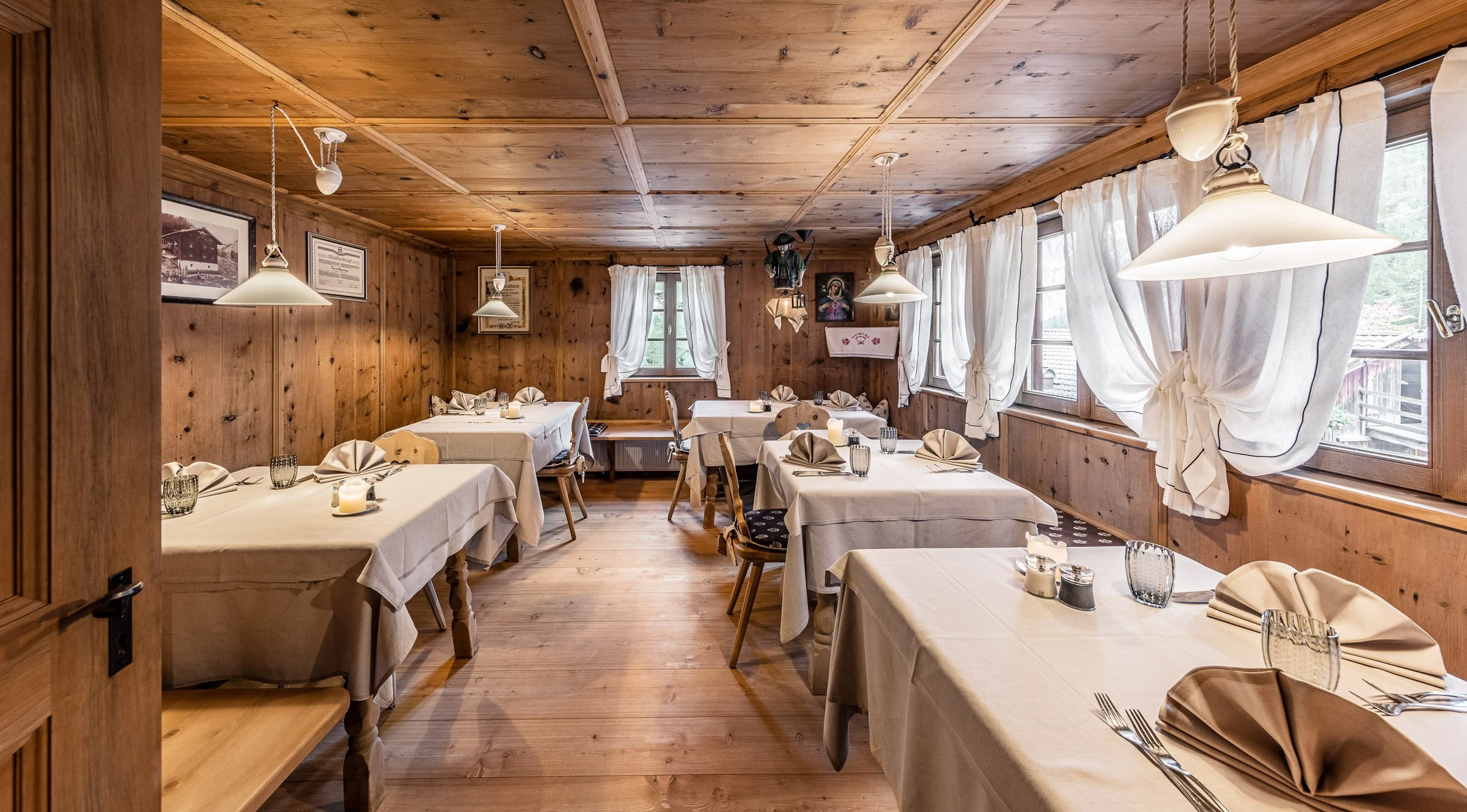
The room keeps the farmhouse close. Wood holds the scent of pine, terraces open toward the mountains, and the old Stuben gives coffee and homemade cake the kind of setting that does not need to be staged. Service sits in an upscale casual register, but the room remains intimate, quiet, and slightly nostalgic, closer to a family house with a serious kitchen than to a polished resort dining room.
At breakfast, the bench shifts to bread, cheeses, eggs, fruit, compotes, honey, cold cuts, vegetables, and coffee from a portafilter machine. Later, the pass returns to warm plates, local cheese, lamb, pasta, and wine. A farmhouse table, five generations deep, still measures itself by Senales.
Questions
Frequently asked
What kind of food does Oberraindlhof cook?
Oberraindlhof cooks South Tyrolean Alpine cuisine, with a focus on local cheese, lamb, spatzle, and other valley ingredients.
What are the dishes the kitchen is known for?
The menu includes ravioli ripieni di formaggio della val di Senales, spatzle with cheese fondue, roasted lamb with local ingredients, and pumpkin risotto with truffle cheese sauce.
What recognition does the restaurant hold?
The MICHELIN Guide has marked Oberraindlhof with a Bib Gourmand.
What is the setting like?
The restaurant sits in a farmhouse with 16th-century origins in Val Senales, and the room keeps a close connection to the mountains, with wood interiors, terraces, and the old Stuben.
The field
How it compares
| Place | Cuisine | Notes | Awards |
|---|---|---|---|
| Oberraindlhof | South Tyrolean Alpine Cuisine | Val Senales (Schnalstal Valley), $$ | · |
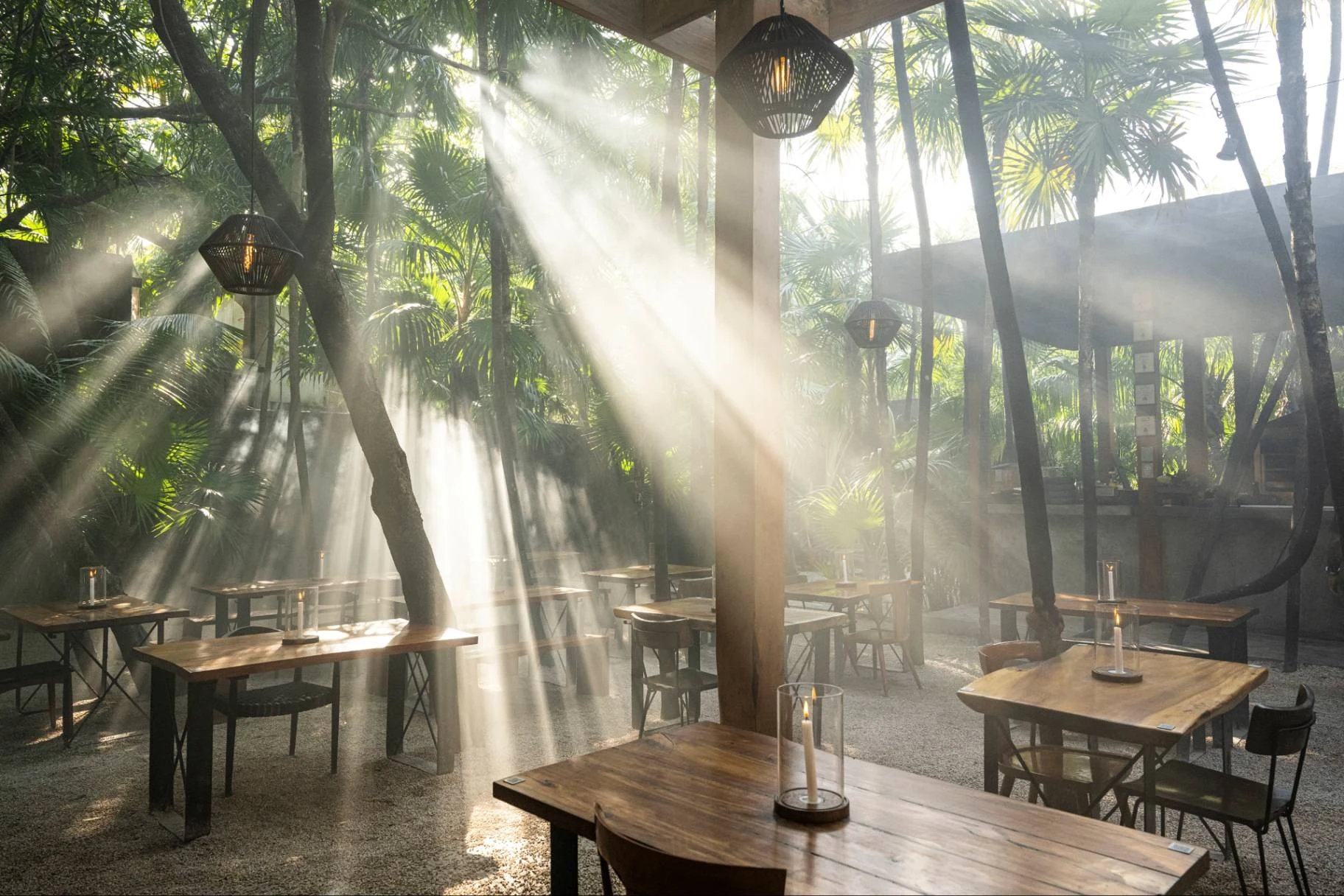
| Arca | Modern Yucatan Fire-Cooked Small Plates | Tulum | World's 50 Best |
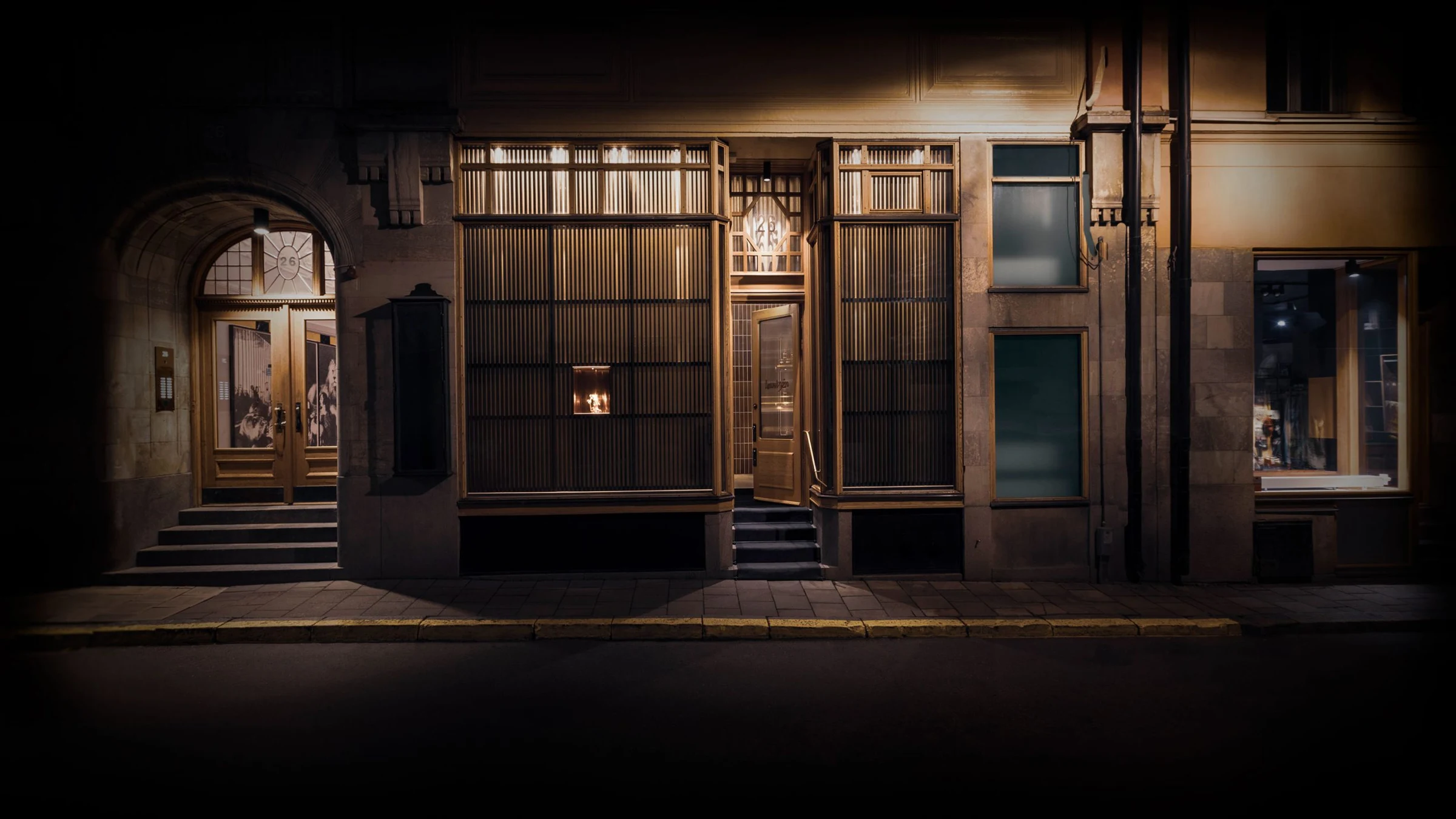
| Frantzén | Modern Nordic Fusion with Japanese Influences | Stockholm | Michelin 3 Stars, World's 50 Best |
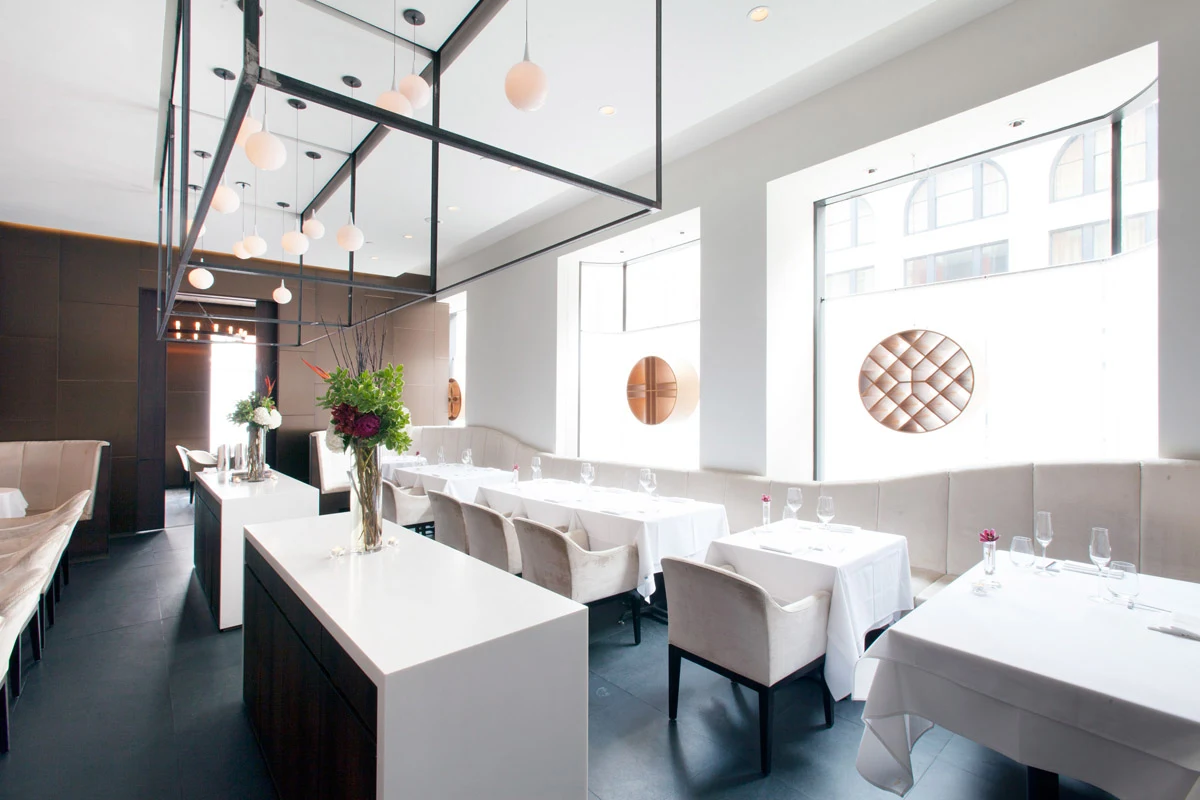
| Jungsik New York | Modern Korean Fine Dining | New York City | Michelin 3 Stars, World's 50 Best |
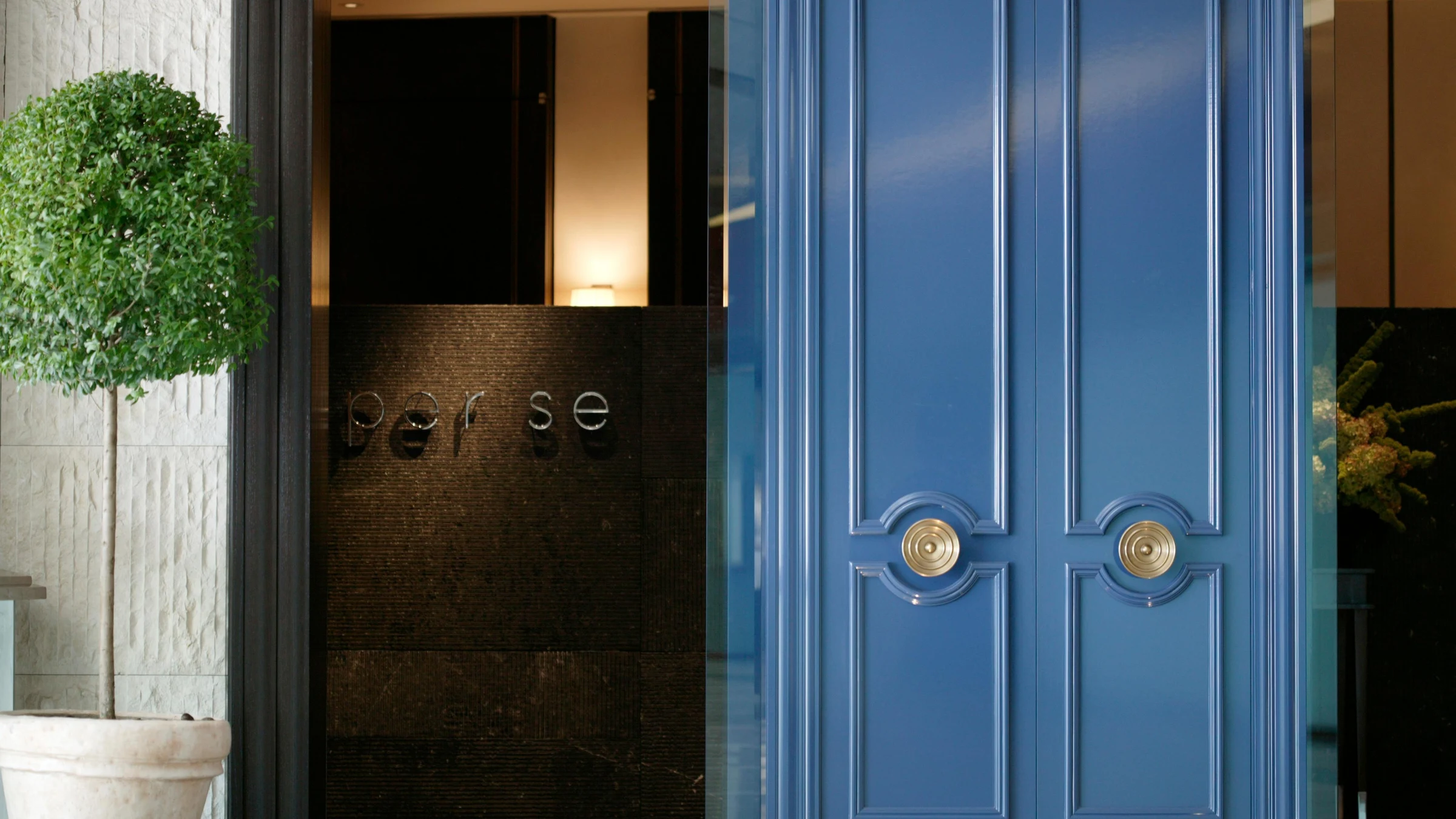
| Per Se | French Fine Dining Tasting Menu | New York City | Michelin 3 Stars, World's 50 Best |
| Sézanne | Modern French Fine Dining | Tokyo | Michelin 3 Stars, World's 50 Best |
| The Inn at Little Washington | Contemporary American Fine Dining with French Influence | Washington | Michelin 3 Stars |
In residence
Similar places
Modern Yucatan Fire-Cooked Small Plates
Arca
Tulum, Mexico
50 Best
Modern Nordic Fusion with Japanese Influences
Frantzén
Stockholm, Sweden
★★★ · 50 Best
Modern Korean Fine Dining
Jungsik New York
New York City, United States
★★★ · 50 Best
French Fine Dining Tasting Menu
Per Se
New York City, United States
★★★ · 50 Best
Modern French Fine Dining
Sézanne
Tokyo, Japan
★★★ · 50 Best
Contemporary American Fine Dining with French Influence
The Inn at Little Washington
Washington, United States
★★★