Okdongsik
- 01CuisineSouthern Korean Pork Bone Soup
- 02CityNew York City, United States
From the people index
Recommended by
One trusted voice points here.
One Bowl, Thirteen Seats, No Distractions
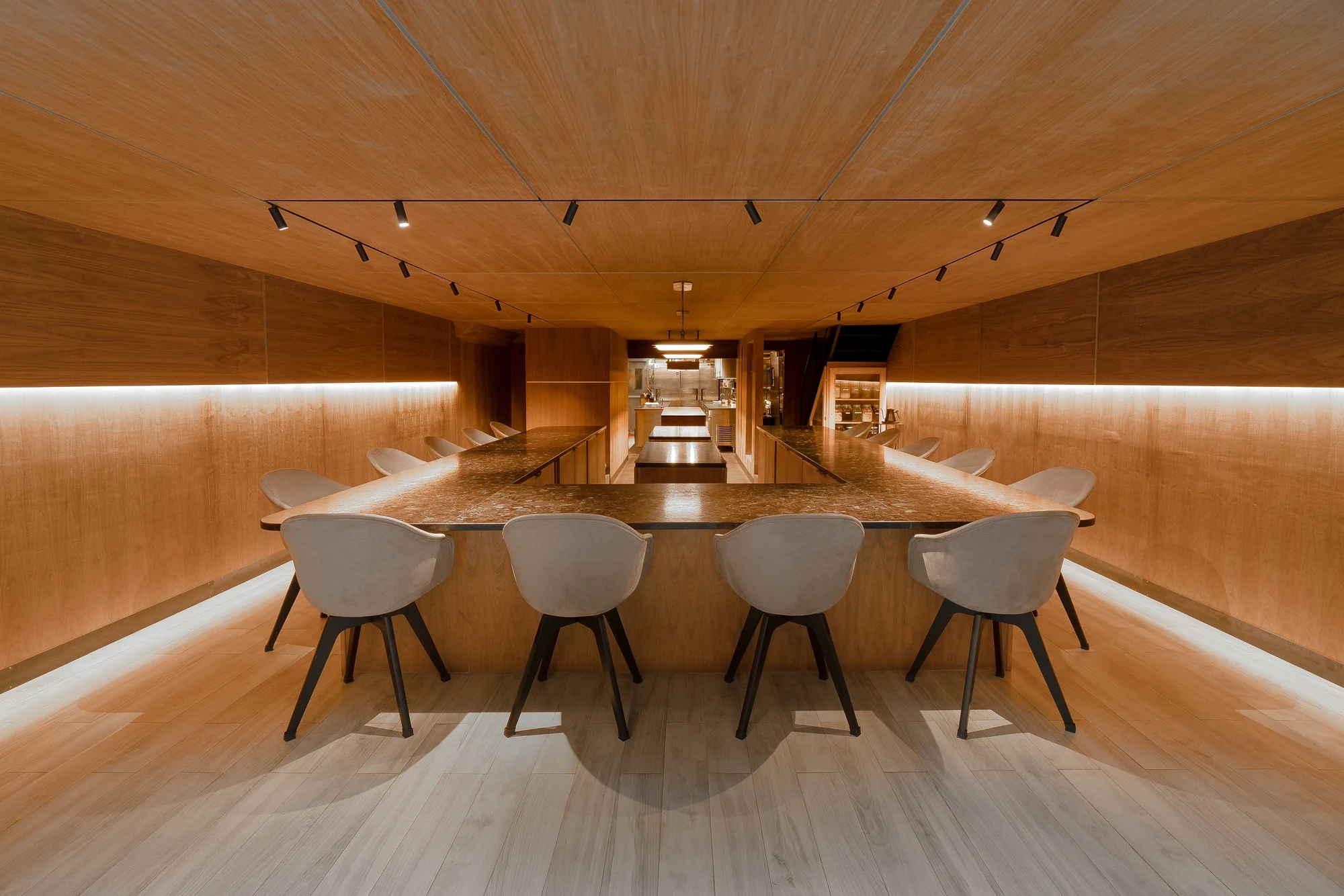
Thirteen seats. That number tells you almost everything you need to know about Okdongsik before you arrive. The counter on East 30th Street, one floor above street level and a short walk from the denser commercial strip of Manhattan's Koreatown, operates at the scale of a specialist practice rather than a restaurant. In a city where Korean dining increasingly means either the banchan abundance of a full-service barbecue hall or the tasting-menu ambition of places like Atomix, Okdongsik stakes its position on radical compression: a two-item menu built around dweji gomtang, a pork-based variation on Korea's long-simmered gomtang tradition.
That compression is not a gimmick. It reflects a culinary discipline that runs through Seoul's most respected single-dish counters, where decades of iteration on one preparation produce a depth that multi-page menus rarely approach. Ok Dongsik brings that specialist framework to a Manhattan address that could not be further from the tasting-menu circuit. Where Eleven Madison Park or Per Se frame their authority through accumulated courses and formal service hierarchies, Okdongsik frames its authority through the opposite logic: the fewer variables you introduce, the harder it becomes to hide a flaw.
The Sunday email
Read about the people behind restaurants like Okdongsik in the Sunday email.
Every Sunday we send a lead story and up to four more about the chefs, winemakers, sommeliers and hoteliers behind the restaurants, bars, wineries and hotels we cover.
Recent stories
Free. One email a week, and you can unsubscribe from any issue.
The Architecture of the Meal
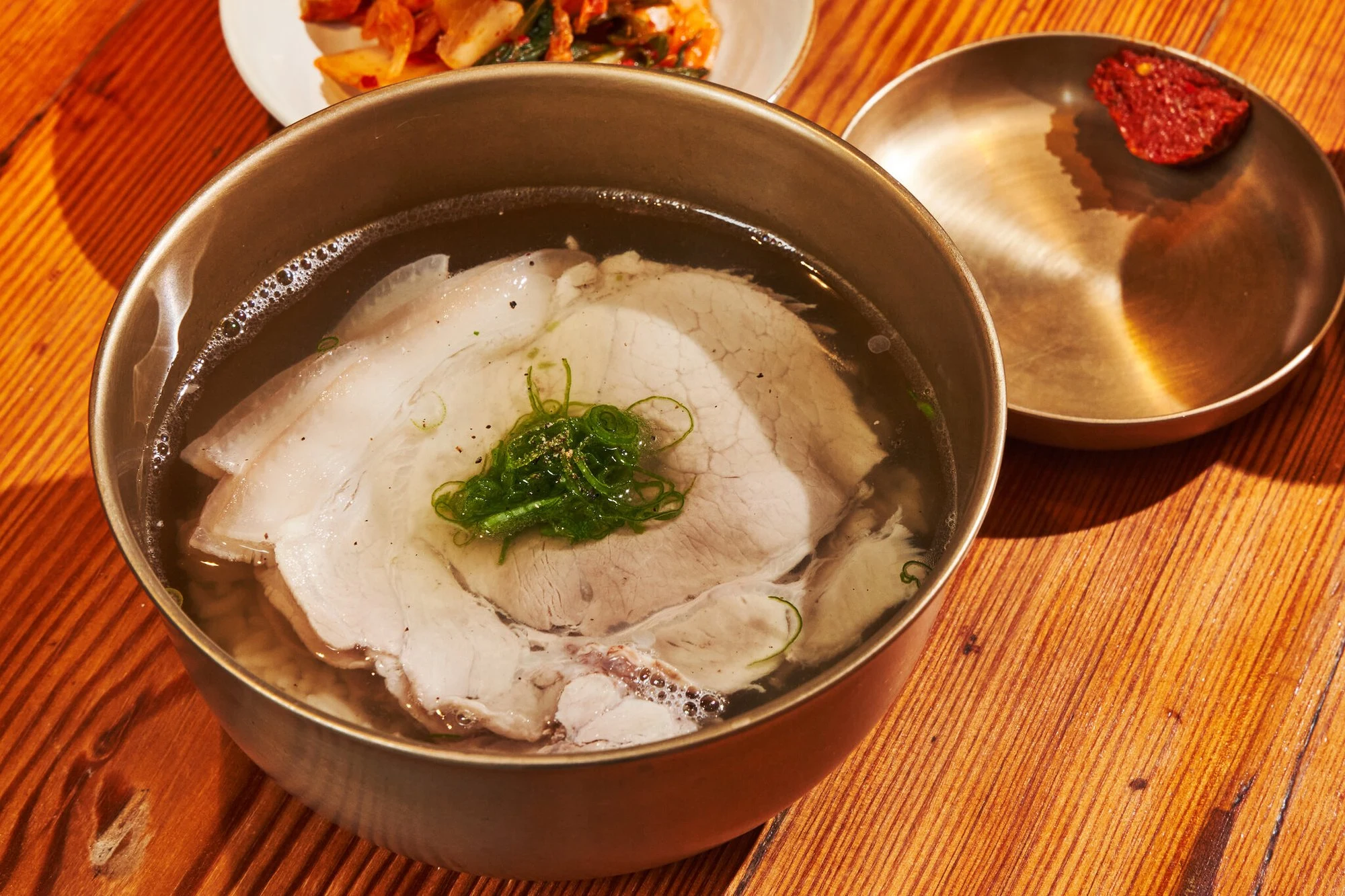
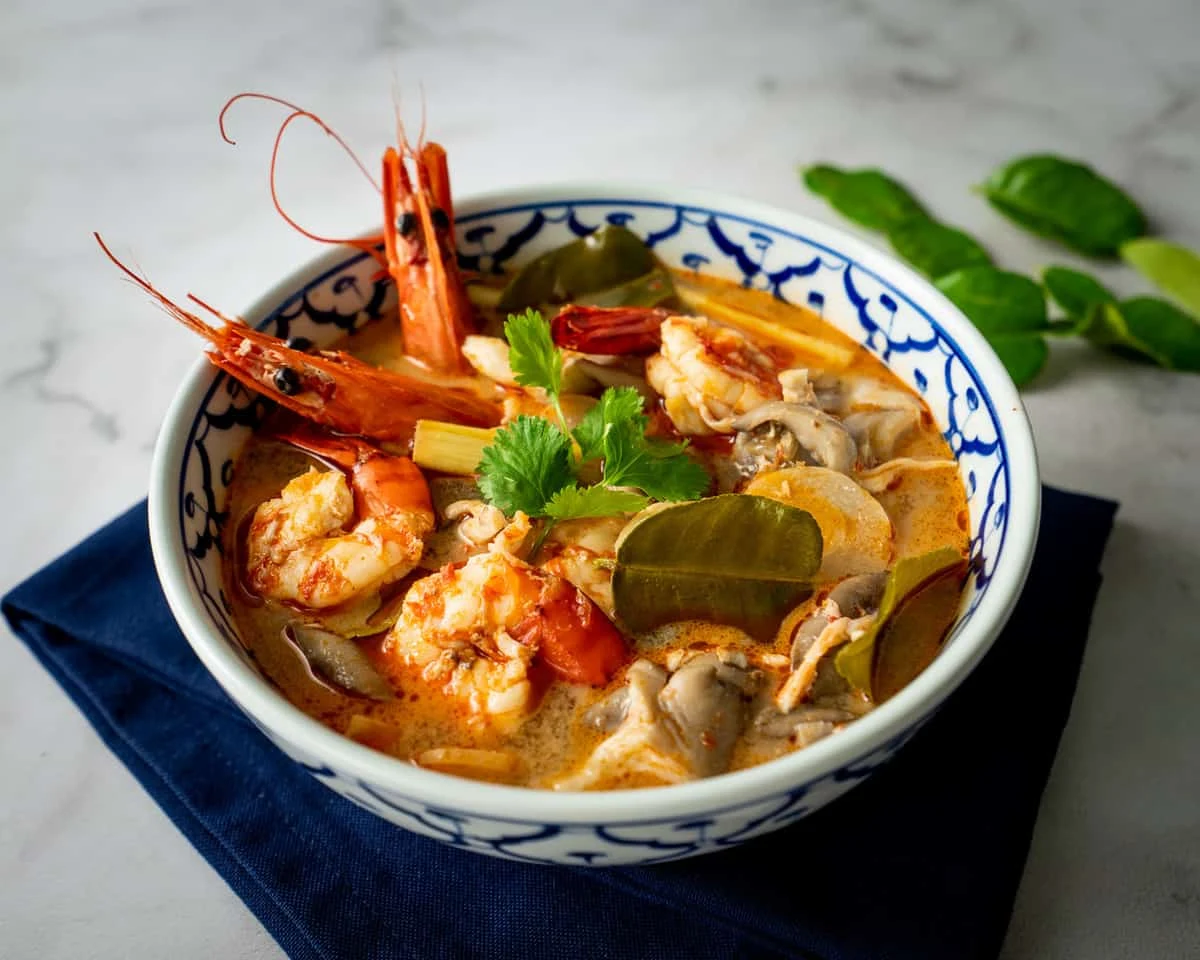
Dweji gomtang begins with bones and time. The broth that arrives at Okdongsik is clear rather than milky, which separates it immediately from the more familiar seolleongtang, where beef bones are cooked at a rolling boil until the collagen turns the liquid opaque white. Pork gomtang demands lower heat and longer patience to preserve that transparency while still drawing sufficient depth from the bones. The result in the bowl is a broth that reads visually light but carries the kind of savory, mineral weight that accumulates over hours of careful simmering.
The sequence of the meal, such as it is, runs briefly. The bronze bowl of broth arrives with near-translucent slices of fatty heritage pork shoulder arranged across the surface, a scattering of scallions providing the only textural contrast and the only color. A separate bowl of rice accompanies. Salt and fermented condiments typically sit within reach for self-seasoning, which is standard practice at gomtang counters in Seoul, where the broth is intentionally under-salted so the diner controls the finish. The eating is unhurried and iterative: broth, rice spooned in, more broth, the pork worked slowly through both.
The second menu item, mandu stuffed with pork, glass noodles, and tofu, functions as a supporting note rather than a parallel course. At single-dish counters of this format, a supplementary dumpling offering is common, giving regulars a small variation while keeping the kitchen's focus intact. The mandu here are accomplished, but the gap in weight between them and the gomtang is considerable. Ordering both is reasonable; ordering only the mandu is a misreading of what the counter is actually for.
Where This Fits in New York's Korean Dining Arc
New York's Korean dining has expanded significantly in range and ambition over the past decade. The city now holds representation across multiple tiers of the cuisine, from the street-level lunch counters of 32nd Street to ambitious modern Korean tasting menus that draw direct comparisons with the multi-course programs at Le Bernardin or Masa in terms of price point and reservation difficulty. Okdongsik sits outside both of those poles.
The specialist single-dish counter format is common in Seoul, less so in New York, where the economics of small-format operations demand either high price points or high turnover. Okdongsik's thirteen seats and narrow menu suggest the latter model: fast, focused service with a lunch-counter rhythm. The comparison set is not the tasting-menu Korean restaurants, nor the barbecue halls. The closer parallel is the ramen-ya model imported from Japan, where a single preparation, refined over years, becomes the entire identity of the business. Counters operating on that logic in New York, whether for ramen, soba, or now dweji gomtang, tend to develop loyal return clientele rather than one-time occasion diners.
That positioning also distances Okdongsik from the high-design Korean cooking visible elsewhere in the city. The spare, functional counter format is itself a statement of priorities, one that aligns with the gomtang tradition in Seoul, where the oldest and most respected shops often occupy modest, utilitarian spaces. The authority comes from the broth, not the room.
Questions
Frequently asked
How expensive is Okdongsik?
Okdongsik is listed at a price level of $$.
Where is Okdongsik and what does it serve?
Okdongsik is in Midtown South-Flatiron-Union Square, New York City, serving Southern Korean Pork Bone Soup.
The field
How it compares
| Place | Cuisine | Notes | Awards |
|---|---|---|---|
| Okdongsik | Southern Korean Pork Bone Soup | Midtown South-Flatiron-Union Square, $$ | · |
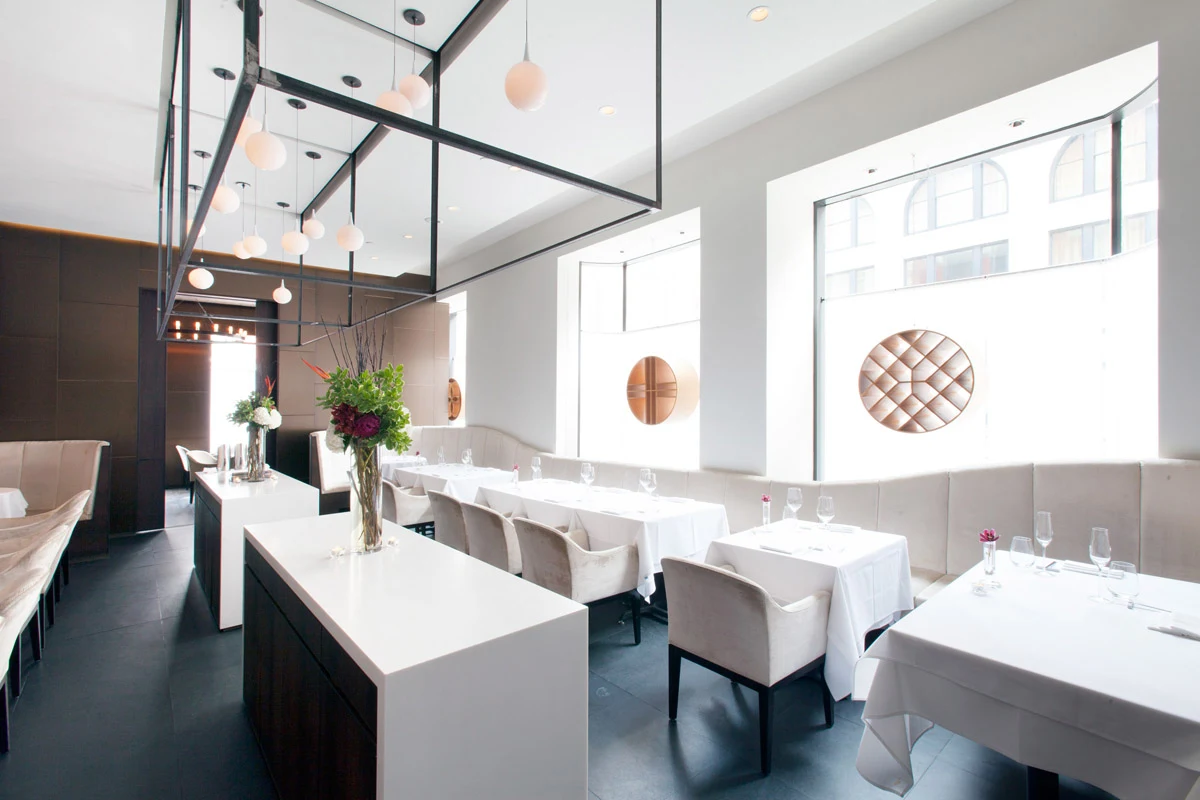
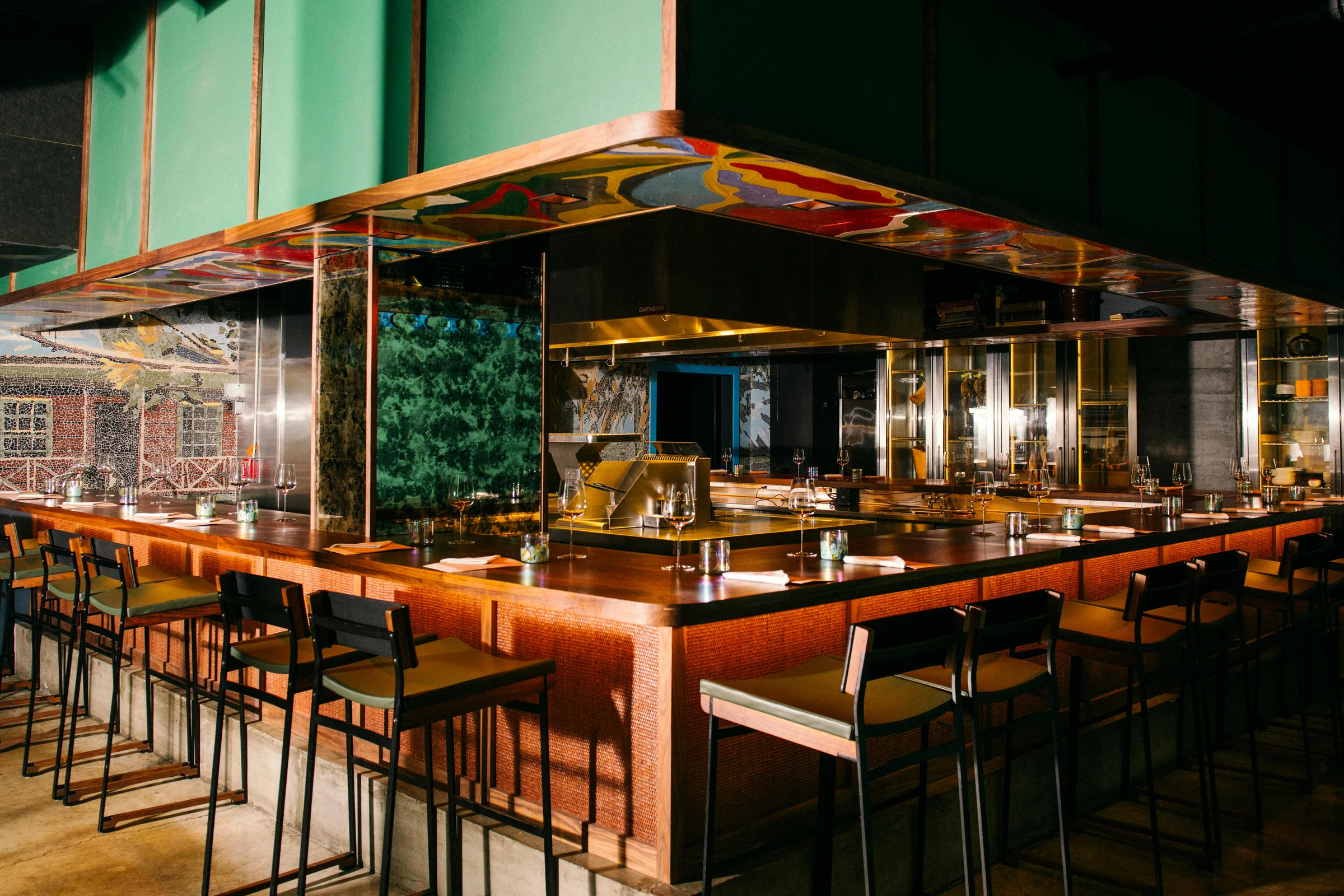
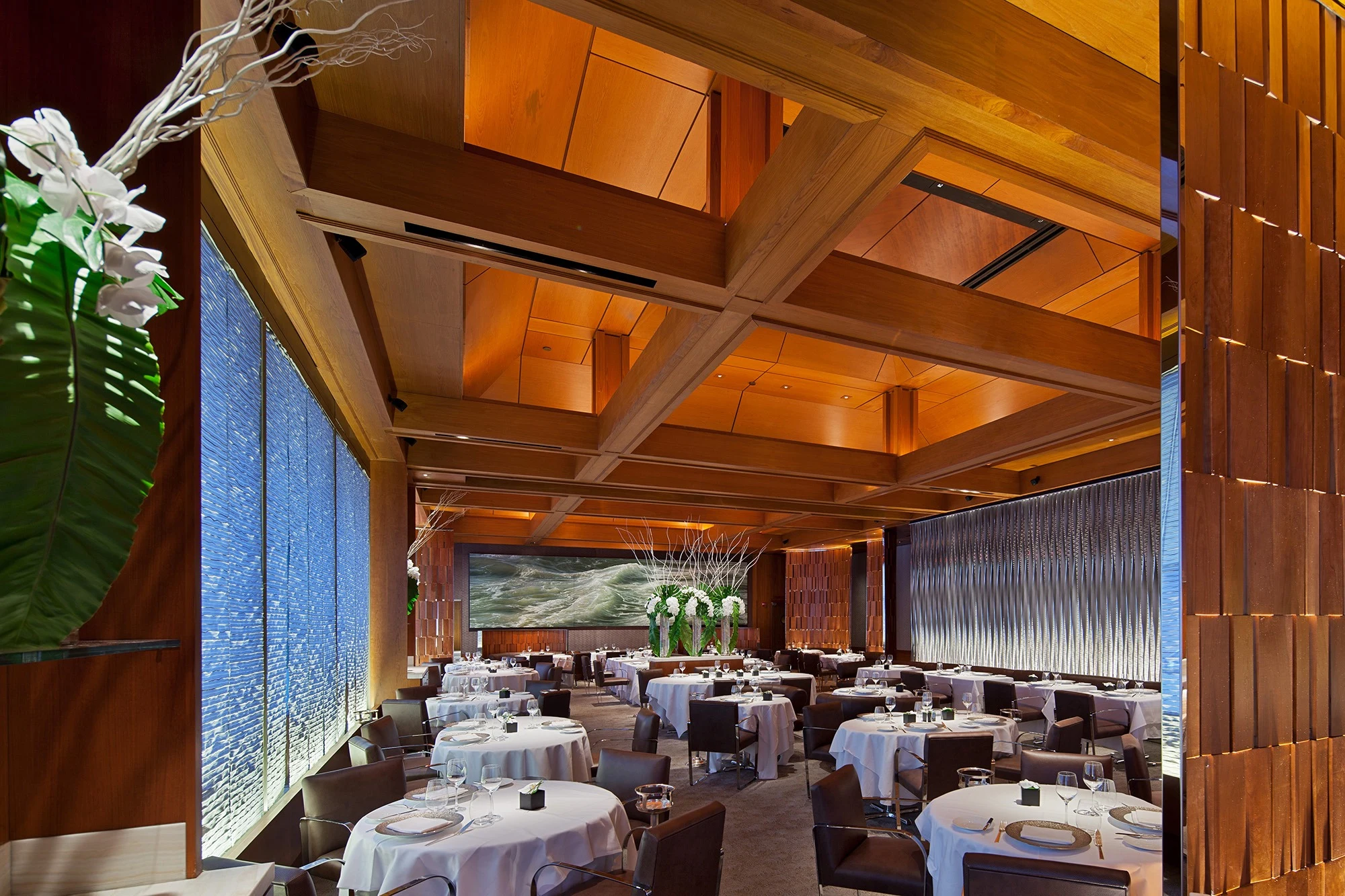
| Atomix | Modern Korean Tasting Menu | New York City | Michelin 2 Stars, 50 Best |
| Daniel | Modern French Fine Dining | New York City | Michelin 1 Star, 50 Best |
| Eleven Madison Park | Contemporary Plant-Based Fine Dining | New York City | Michelin 3 Stars, 50 Best |
| Jungsik New York | Modern Korean Fine Dining | New York City | Michelin 3 Stars, 50 Best |
| Kabawa | Modern Caribbean Prix Fixe | New York City | 50 Best |
| Le Bernardin | French Seafood Fine Dining | New York City | Michelin 3 Stars, 50 Best |
Similar places
Modern Korean Tasting Menu
Atomix
New York City, United States
★★ · 50 Best
Modern French Fine Dining
Daniel
New York City, United States
★ · 50 Best
Contemporary Plant-Based Fine Dining
Eleven Madison Park
New York City, United States
★★★ · 50 Best
Modern Korean Fine Dining
Jungsik New York
New York City, United States
★★★ · 50 Best
Modern Caribbean Prix Fixe
Kabawa
New York City, United States
50 Best
French Seafood Fine Dining
Le Bernardin
New York City, United States
★★★ · 50 Best
The Sunday email
Read about the people behind restaurants like Okdongsik in the Sunday email.
Every Sunday we send a lead story and up to four more about the chefs, winemakers, sommeliers and hoteliers behind the restaurants, bars, wineries and hotels we cover.
Recent stories
Free. One email a week, and you can unsubscribe from any issue.