- Opinionated About Dining Casual in North America Recommended · 2026
- Opinionated About Dining Top Restaurants in North America Ranked #567 · 2025
- Opinionated About Dining Top Restaurants in North America Ranked #529 · 2024
- Opinionated About Dining Top Restaurants in North America Recommended · 2023
Four Decades in SoHo, Still Counting
Japanese restaurants in New York divide into several distinct tiers: the high-format omakase counters trading at $300-plus per head, the ramen and izakaya operators competing on speed and price, and a smaller middle tier of traditional, ingredient-led kitchens that neither chase trends nor seek spectacle. Omen, a Traditional Japanese restaurant at 113 Thompson St in New York City, occupies that middle tier and has done so with a consistency rare among any restaurant that has survived four decades of Manhattan real estate pressures and shifting dining fashions.
The SoHo of 1984 was not the SoHo of today. Cast-iron facades housed working artists alongside early boutiques; the neighborhood's transformation into a shopping district was still underway. A quiet Japanese kitchen on Thompson Street was anomalous then, and remains somewhat anomalous now, surrounded by the retail concentration that has made SoHo one of the most visited districts in New York. Longevity here is its own credential. Restaurants in this zip code open and close with regularity; a four-decade run signals something the market keeps confirming.
The Drink Program in Context
Traditional Japanese restaurants have long treated sake with the seriousness that European fine dining applies to wine, and the better operators in New York have followed that logic. The category has matured considerably since the early 2000s: sake imports to the United States grew steadily through the 2010s, specialist importers developed, and the sommelier community began training specifically in nihonshu classification and pairing. A restaurant that has been operating since 1984 carries an institutional advantage here, a longer relationship with importers, a more settled sense of what works alongside the food.
For a kitchen producing traditional Japanese food, the drink program is not an afterthought. Sake pairs with the cuisine in ways that wine often cannot replicate: the umami alignment between junmai and aged dashi-based dishes, the cut of a dry ginjo against fattier proteins, the softer approach of nigori alongside delicate preparations. These are pairing considerations that require the kitchen and the floor to work in coordination, and they tend to function better in restaurants with some institutional depth than in newer openings still finding their feet.
The broader New York sake scene now includes dedicated sake bars and specialist retail, which has raised the floor for what a serious Japanese restaurant needs to offer. Venues like Noda and Tsukimi operate in the premium Japanese tier with drink programs calibrated to match their tasting formats. Blue Ribbon Sushi Izakaya and Chikarashi approach the category from a different angle. Omen's advantage is not scale but duration: the kind of supplier relationships and institutional knowledge that accrue over decades rather than funding rounds.
Recognition and comparable set
Opinionated About Dining has included Omen on its North America rankings in three consecutive years: Recommended in 2023, #529 in 2024, and #567 in 2025. The movement in rank across 2024-2025 is a minor fluctuation within a consistent recognition tier, not a directional signal. Being ranked in the 500s within a North America-wide survey that spans thousands of restaurants places Omen in a cohort of serious, sustained operators that includes restaurants across price points and formats.
The comparison set for Omen is not Masa or Per Se or the omakase counters that price at $400-plus. It is closer to the tier of Japanese restaurants that have operated in New York for decades with professional consistency rather than celebrity wattage: places where the food is the point and the room is calibrated to serve that purpose rather than the reverse. Odo operates in a more contemporary Japanese-French register; Omen's frame of reference is more purely traditional.
Internationally, the traditional Japanese restaurant in a Western city occupies a different position than it does in Tokyo itself. Restaurants like Myojaku and Azabu Kadowaki in Tokyo operate within a local competitive density that rewards specialization and precision at every price point. New York's leading Japanese operators, assessed alongside American fine dining institutions like The French Laundry, Alinea, Providence, Lazy Bear, Single Thread Farm, and Emeril's, compete in a market where Japanese food still requires translation for a significant portion of diners. Omen has been doing that translation for forty years.
The Room and the Experience
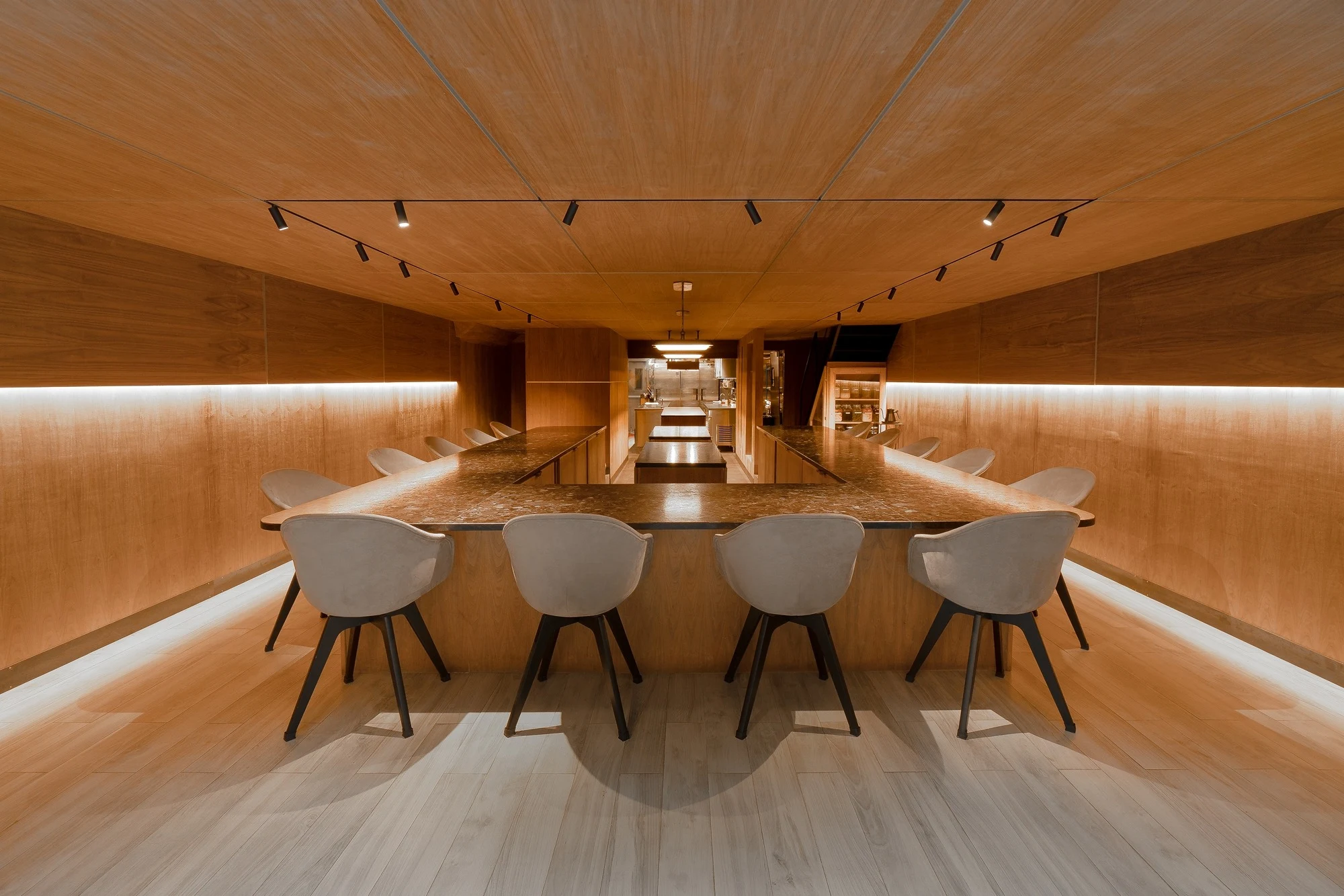
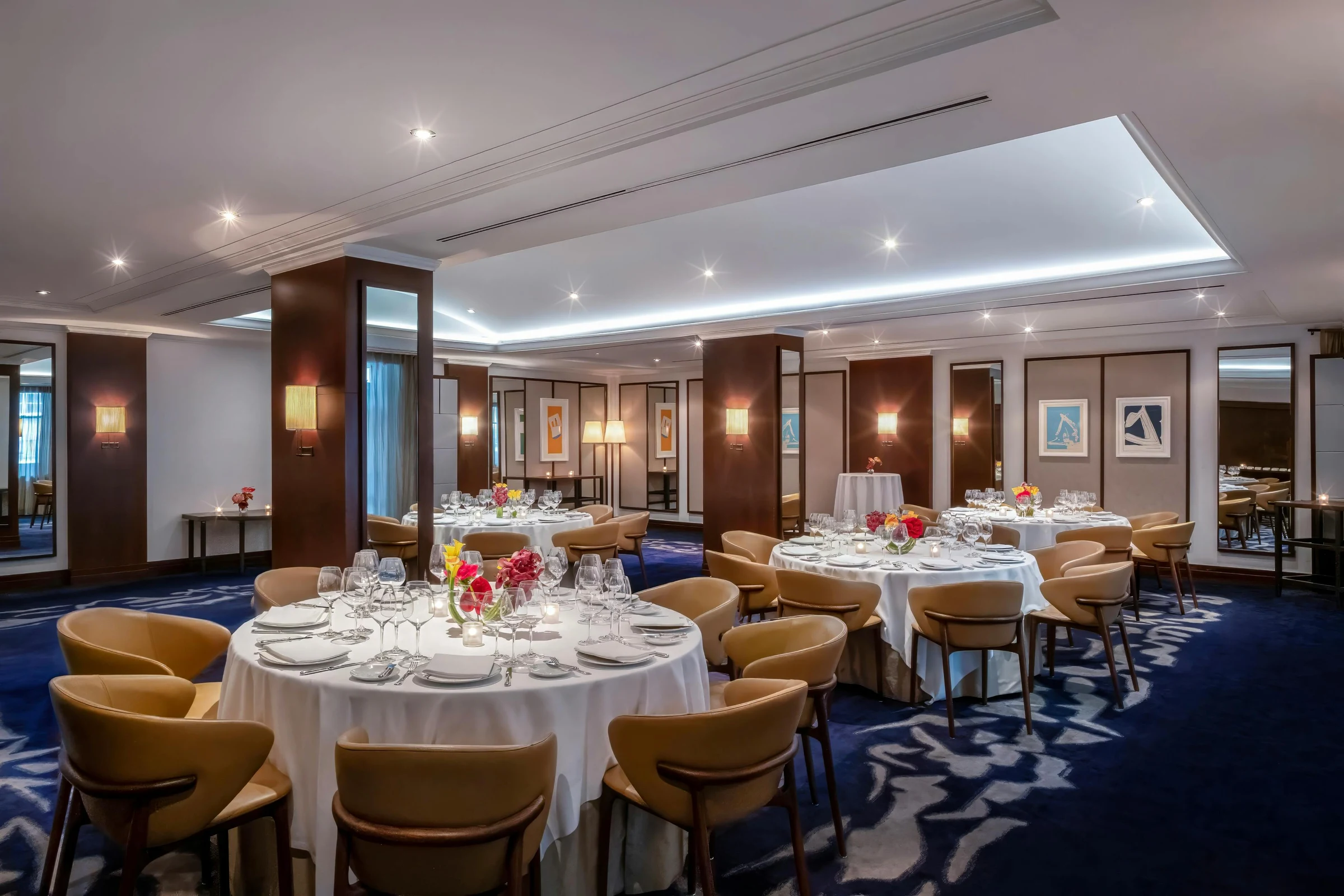
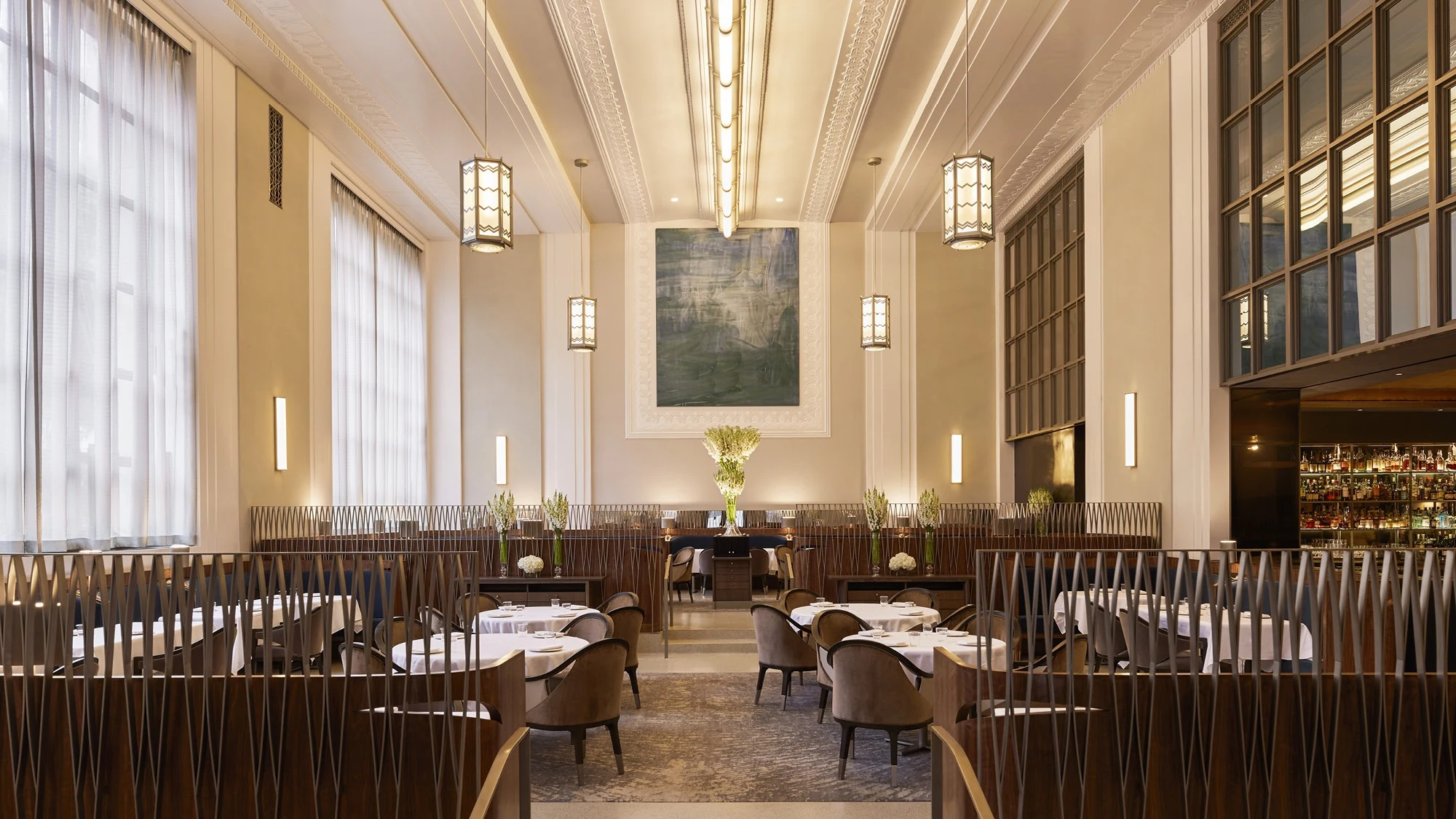
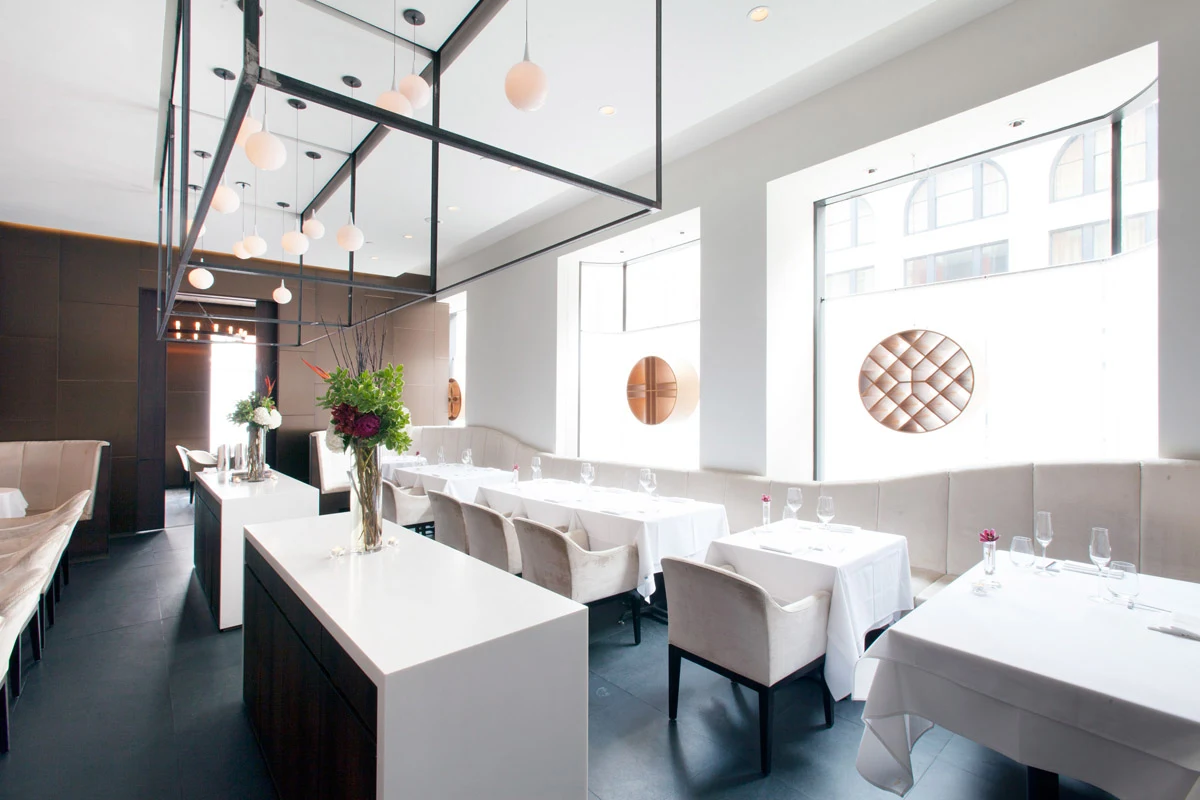
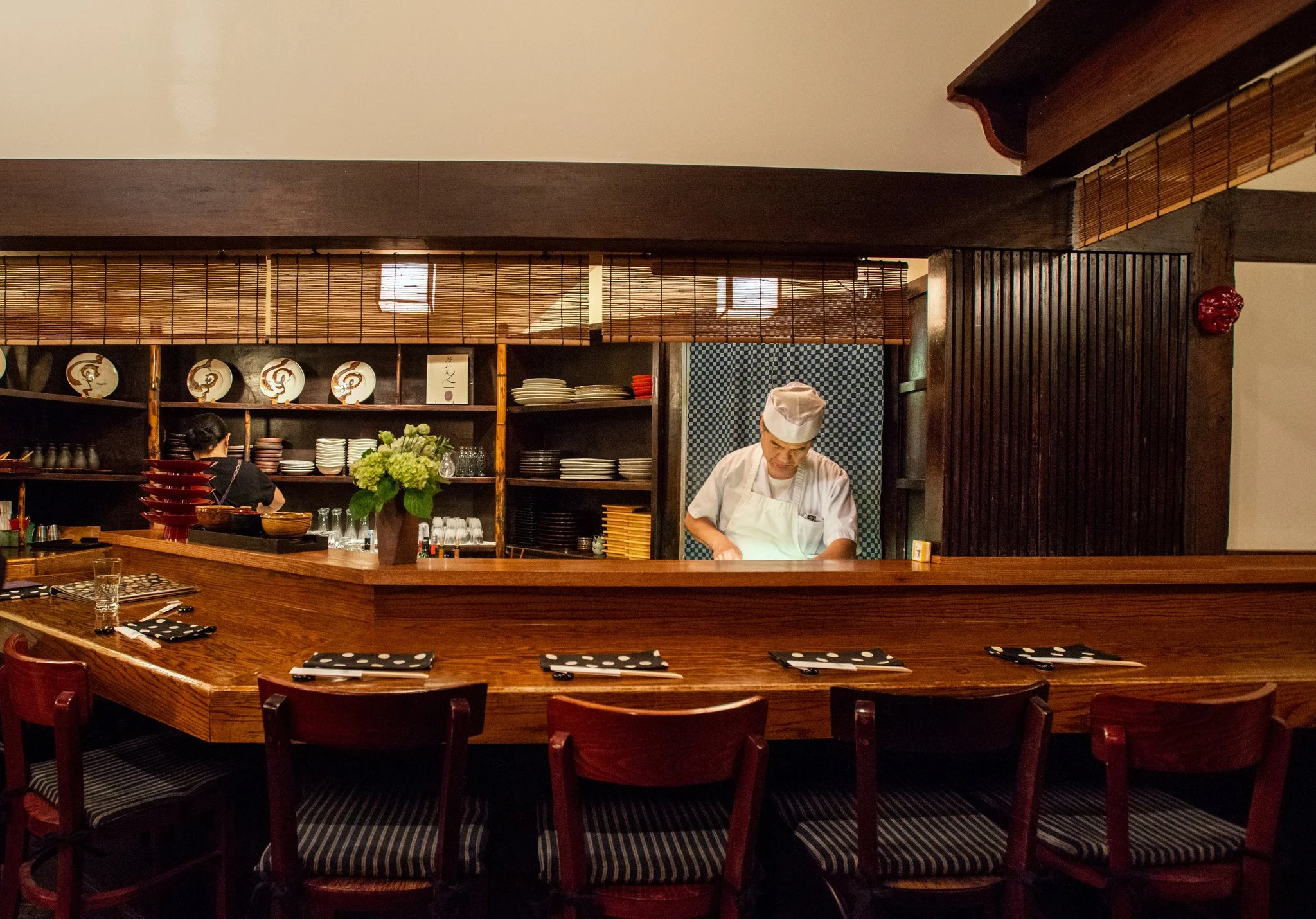
SoHo dining rooms tend toward one of two registers: the designed-for-Instagram maximalism of newer hospitality groups, or the older, quieter interiors that predate the photograph-everything era. Omen belongs to the latter. A restaurant that opened in 1984 has a physical identity formed before the current vocabulary of hospitality design existed, and that pre-design-era quality is now itself a form of differentiation. The room exists to support a meal rather than to perform around one.
Chef Norio Shinohara leads a kitchen that has operated in this space across a period in which New York's restaurant industry has fundamentally restructured multiple times. The consistency that produces steady critical recognition is not accidental: it requires not just cooking skill but operational stability, supplier continuity, and resistance to the rebranding impulse that consumes many restaurants after their first decade.
The dinner-only format, with service from 5 to 10 in the evening Monday through Saturday and Sunday closed, positions Omen as an evening destination rather than an all-day operator. This is common among serious Japanese restaurants in New York, where the kitchen complexity of traditional preparation doesn't lend itself to lunch covers or extended service windows.
Know Before You Go
Address: 113 Thompson St, New York, NY 10012
Service hours: Tuesday through Saturday, 5:00 pm to 10:00 pm. Closed Sunday and Monday.
Kitchen led by: Norio Shinohara
Cuisine: Traditional Japanese
Recognition: Opinionated About Dining Leading Restaurants in North America, Ranked #567 (2025), #529 (2024), Recommended (2023)
Google rating: 4.3 from 179 reviews
Booking: Reservations recommended
Neighbourhood: SoHo, Manhattan
Questions
Frequently asked
Who works at Omen?
Made By profiles Norio Shinohara (Chef) at Omen.
How expensive is Omen?
Omen is listed at a price level of $$$.
Where is Omen and what does it serve?
Omen is in SoHo-Little Italy-Hudson Square, New York City, serving Traditional Japanese.
The field
How it compares
| Place | Cuisine | Notes | Awards |
|---|---|---|---|
| Omen | Traditional Japanese | SoHo-Little Italy-Hudson Square, $$$ | · |
| Atomix | Modern Korean Tasting Menu | New York City | Michelin 2 Stars, World's 50 Best |
| Daniel | Modern French Fine Dining | New York City | Michelin 1 Star, World's 50 Best |
| Eleven Madison Park | Contemporary Plant-Based Fine Dining | New York City | Michelin 3 Stars, World's 50 Best |
| Jungsik New York | Modern Korean Fine Dining | New York City | Michelin 3 Stars, World's 50 Best |
| Kabawa | Modern Caribbean Prix Fixe | New York City | World's 50 Best |
| Le Bernardin | French Seafood Fine Dining | New York City | Michelin 3 Stars, World's 50 Best |
In residence
Similar places
Modern Korean Tasting Menu
Atomix
New York City, United States
★★ · 50 Best
Modern French Fine Dining
Daniel
New York City, United States
★ · 50 Best
Contemporary Plant-Based Fine Dining
Eleven Madison Park
New York City, United States
★★★ · 50 Best
Modern Korean Fine Dining
Jungsik New York
New York City, United States
★★★ · 50 Best
Modern Caribbean Prix Fixe
Kabawa
New York City, United States
50 Best
French Seafood Fine Dining
Le Bernardin
New York City, United States
★★★ · 50 Best