- Michelin Plate · 2026
- Macarfi 7.3 Food Rating · 2026
Where Salamanca Loosens Its Collar
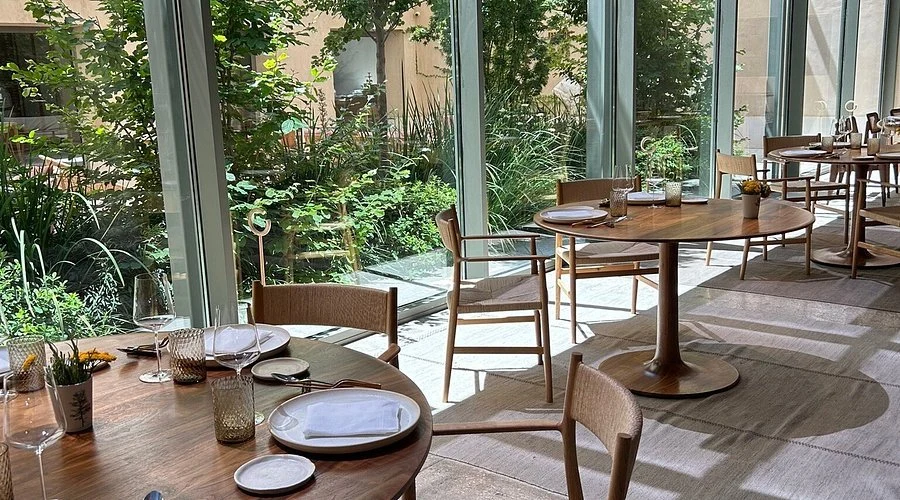
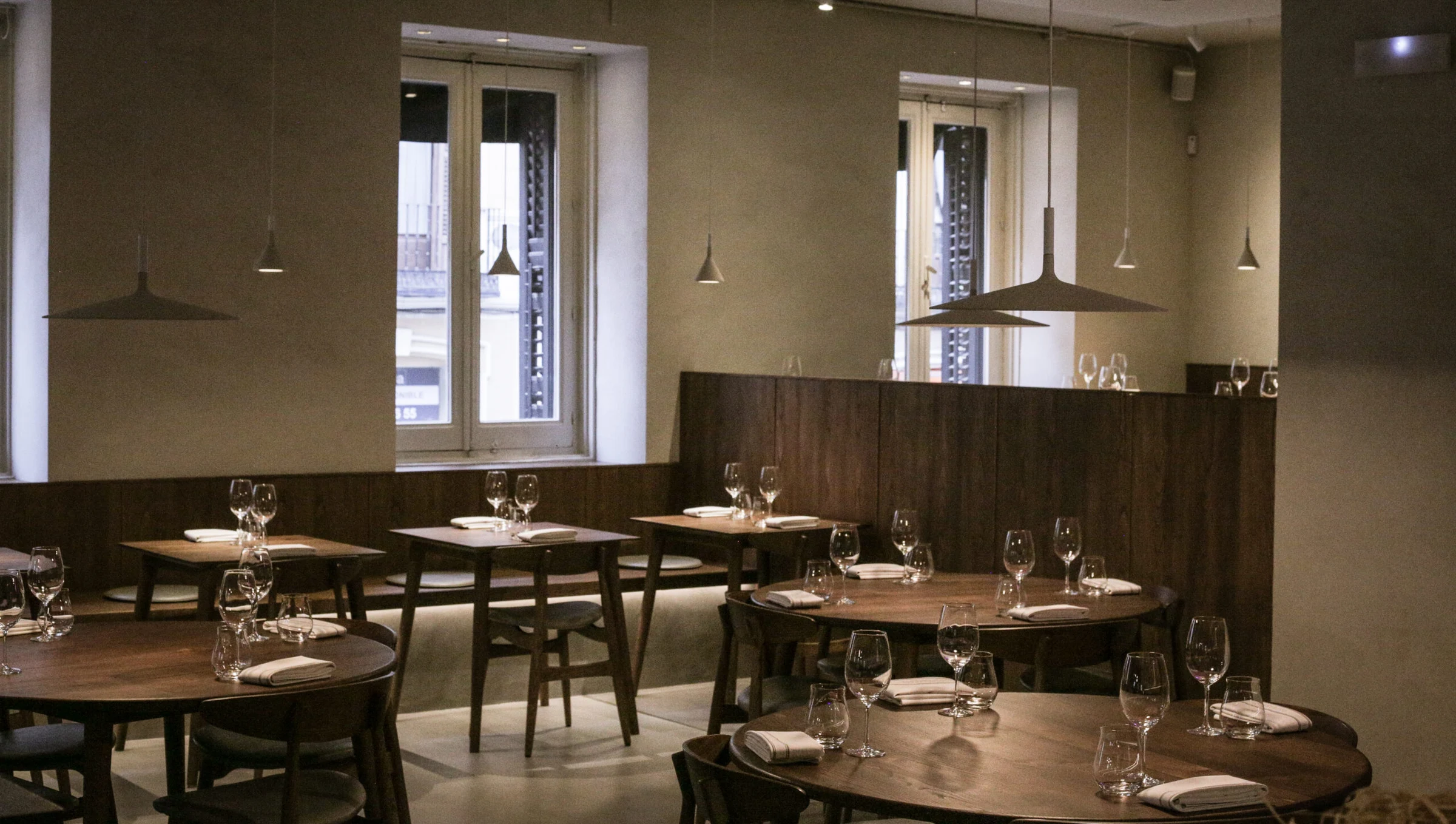
Madrid's Salamanca district has a well-established identity: wide avenues, dressed-up diners, and a restaurant scene that skews formal. Pacto Raíz is a casual Peruvian Street Fusion restaurant in Madrid's Salamanca district, at C. de Espartinas, 5, with a recommended reservation policy and an average spend of about $40 per person. The room at Pacto Raíz reads as deliberately unpretentious: rustic materials, a bistro cadence, and a noise level that encourages conversation rather than ceremony. In a neighbourhood where white tablecloths still carry cultural weight, the informality here is a considered choice, not an oversight.
That friction between address and atmosphere is part of what makes the place interesting. Salamanca diners have long had access to technically accomplished cooking at serious prices, the city's highest-tier restaurants, from DiverXO to Deessa, sit in this bracket, but the case for relaxed, share-everything street-food formats inside a smart postcode is still being made. Pacto Raíz is making it.
The Culinary Premise: Three Traditions, One Table
Street food as a fine-dining reference point has travelled a long way in the past decade. Where once the framing implied approximation or novelty, the better versions now treat it as a discipline: specific techniques, specific regional identities, and a genuine commitment to the flavour logic of the source traditions. Pacto Raíz works within that more serious version of the concept.
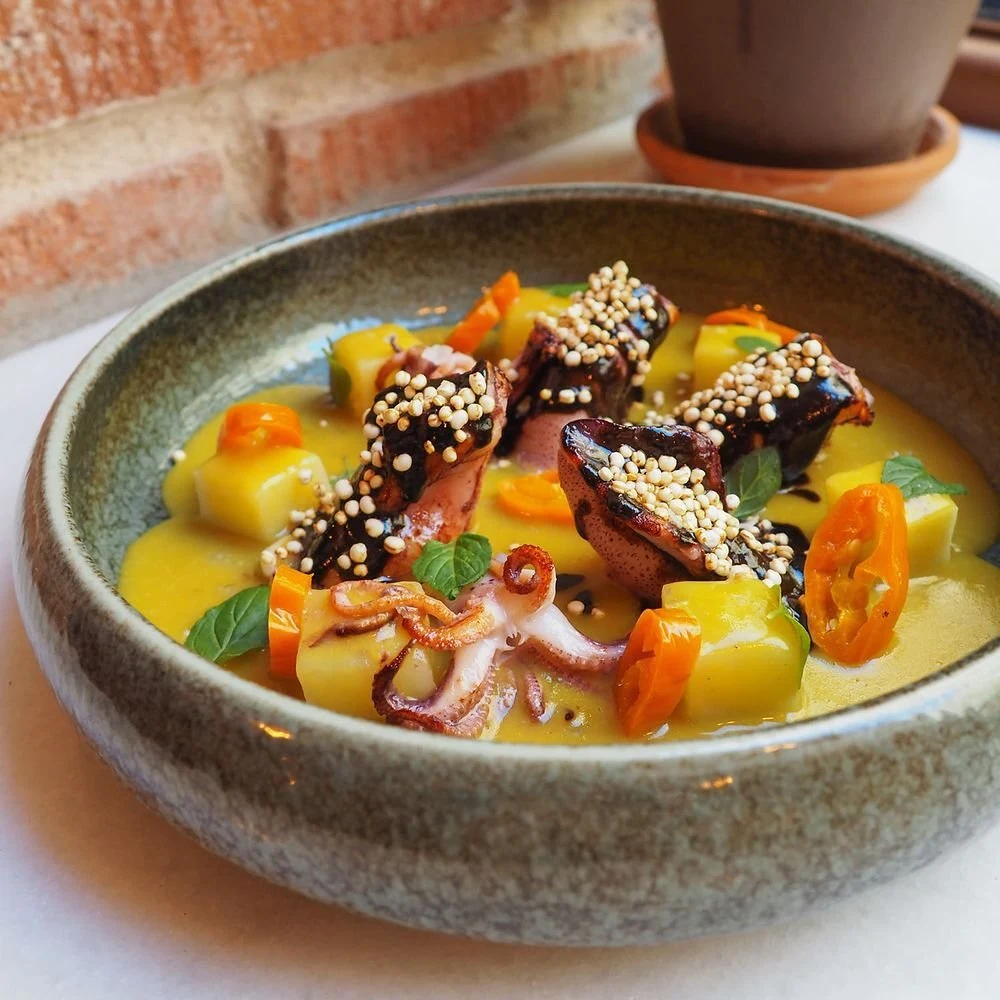
The cooking draws on Spain, Peru, and Mexico, three traditions with their own distinct acid structures, spice registers, and texture philosophies. Spanish cooking anchors the menu in familiar territory; Peruvian technique (the citrus-forward acidity of ceviche traditions, the layering of chilli heat) pulls it sideways; Mexican street-food culture adds another axis entirely. The result is not fusion in the flattening sense but something more like a conversation between traditions that share certain instincts without sharing a history.
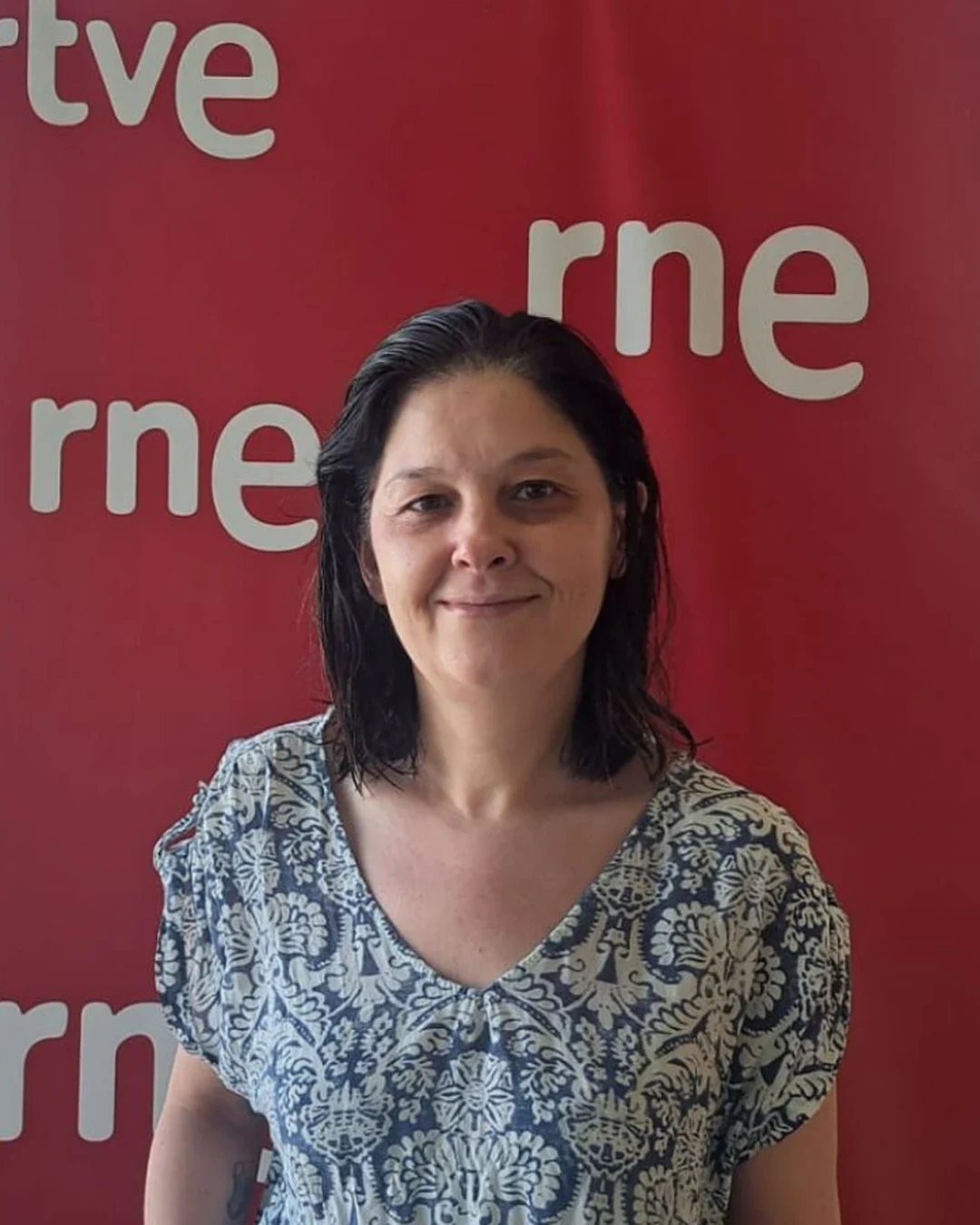
Rocío Martínez and André Chumbe run the kitchen. That lineage matters in a city where the informal end of the market is as competitive as the starred end, and where provenance still counts for something.
How the Meal Moves
The format here is sharing plates, and the menu is structured to reward a progressive approach to ordering. The half-portion option lets a table move through a wider range of the menu without committing fully to any single dish. In practice, this means a meal at Pacto Raíz can be sequenced almost like a tasting menu, not in the formal, choreographed sense of a room like Coque or DSTAgE, but with a similar underlying logic: small quantities, varied references, a cumulative picture of a kitchen's range.
The recommended approach is to start with lighter, acid-forward dishes before moving toward the more substantial preparations. This mirrors the sequencing logic of the source street-food traditions themselves.
One dish singled out from the menu: a menestra stew with peanuts, herbs, and egg. The menestra is a Spanish vegetable stew with deep regional roots, typically built around seasonal produce and a clean, herb-driven broth. The addition of peanuts and egg shifts the dish's reference points significantly, peanuts carry both Mexican and Andean associations, and the egg grounds the combination texturally. It is the kind of dish that earns its specificity: not a random collision of references but a coherent argument made through ingredients.
Madrid's Street-Food Moment, and Its Winter Logic
This is when locals return to the table after the diffuse social calendar of summer, when the terraza culture fades and indoor rooms come back into focus. For a restaurant built around sharing and conversation, the winter timetable suits the format well.
The broader context: Spain's dining culture has spent the past two decades producing some of Europe's most technically ambitious cooking, much of it centred outside Madrid. Arzak and Azurmendi anchor the Basque Country's reputation; El Celler de Can Roca and Disfrutar define a Catalan tier; Aponiente and Quique Dacosta hold positions in the south and east. Madrid, meanwhile, has developed a parallel strength in the mid-register: neighbourhood restaurants with genuine technique, accessible price points, and formats built for regular rather than occasional dining. Pacto Raíz fits that Madrid tendency.
The Pacto Raíz room is sized and styled for exactly that kind of evening.
Planning Your Visit
For high-end creative cooking in Madrid, Paco Roncero represents the technical end of the spectrum. For international comparisons in the share-plate and progressive tasting format, Le Bernardin and Atomix in New York City sit at different points on the same axis of ambition.
Questions
Frequently asked
Who works at Pacto Raíz?
Made By profiles Rocío Martínez (Co-Owner & Cook) at Pacto Raíz.
How expensive is Pacto Raíz?
Pacto Raíz is listed at a price level of $$.
Where is Pacto Raíz and what does it serve?
Pacto Raíz is in Goya, Madrid, serving Peruvian Street Fusion.
The field
How it compares
| Place | Cuisine | Notes | Awards |
|---|---|---|---|
| Pacto Raíz | Peruvian Street Fusion | Goya, $$ | · |
| Coque | Modern Spanish Fine Dining | Madrid | Michelin 2 Stars |
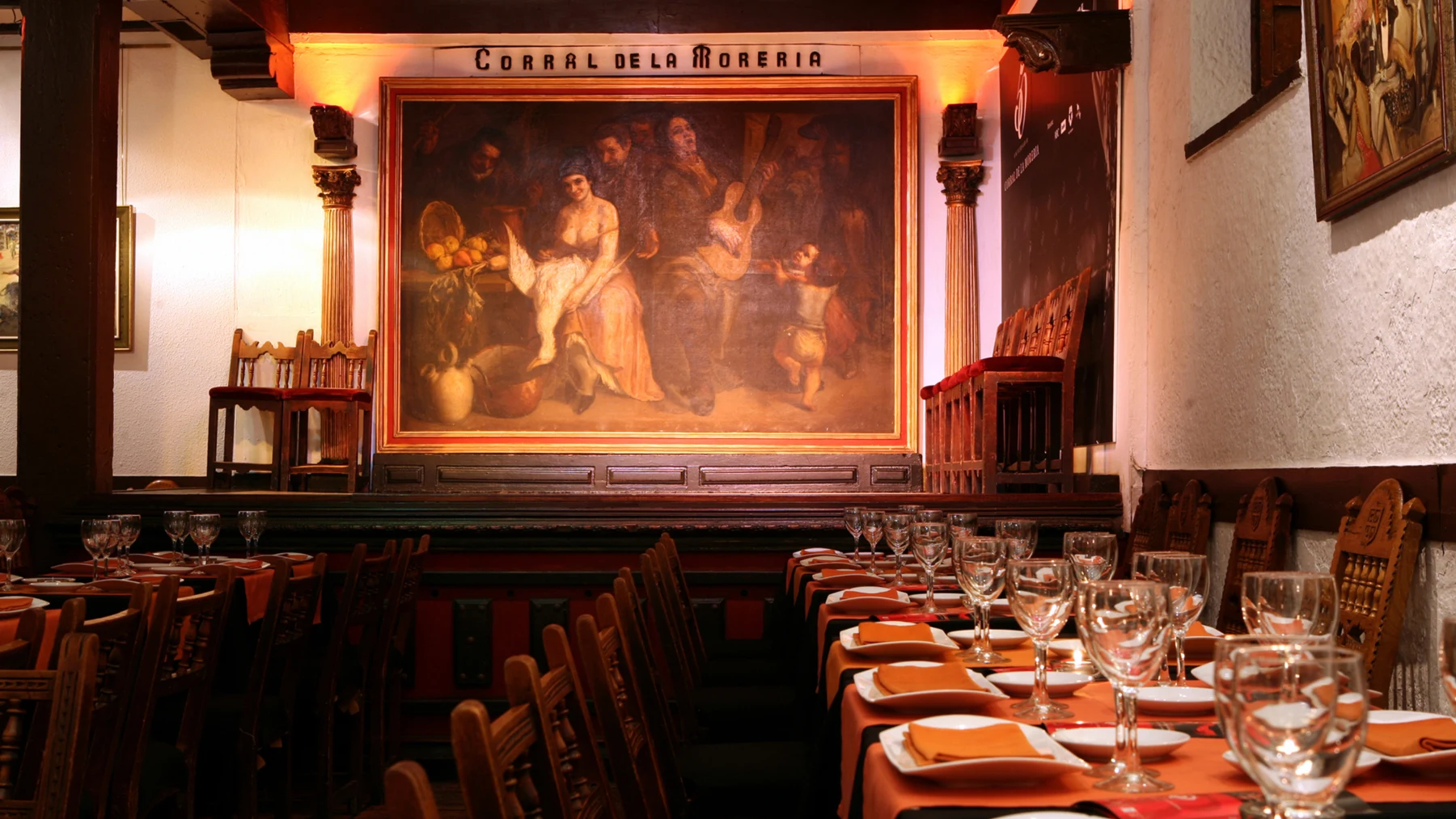
| Corral de la Morería | Modern Spanish Fine Dining with Flamenco | Madrid | Michelin 1 Star |
| Desde 1911 | Premium Seafood Fine Dining | Madrid | Michelin 1 Star |
| DiverXO | Avant-Garde Spanish Tasting Menu | Madrid | Michelin 3 Stars, World's 50 Best |
| DSTAgE | Avant-Garde Spanish Tasting Menus | Madrid | Michelin 2 Stars |
| Paco Roncero | Avant-Garde Spanish Fine Dining | Madrid | Michelin 2 Stars |
In residence
Similar places
Modern Spanish Fine Dining
Coque
Madrid, Spain
★★
Modern Spanish Fine Dining with Flamenco
Corral de la Morería
Madrid, Spain
★
Premium Seafood Fine Dining
Desde 1911
Madrid, Spain
★
Avant-Garde Spanish Tasting Menu
DiverXO
Madrid, Spain
★★★ · 50 Best
Avant-Garde Spanish Tasting Menus
DSTAgE
Madrid, Spain
★★
Avant-Garde Spanish Fine Dining
Paco Roncero
Madrid, Spain
★★