PARIS HAWAII
In Residence
Yuya Yamanaka
Chef
- 01CuisineModern French-Hawaiian Fusion
- 02CityHonolulu, United States
- 03RecognitionJames Beard Award
Where the Pacific Meets the Continent
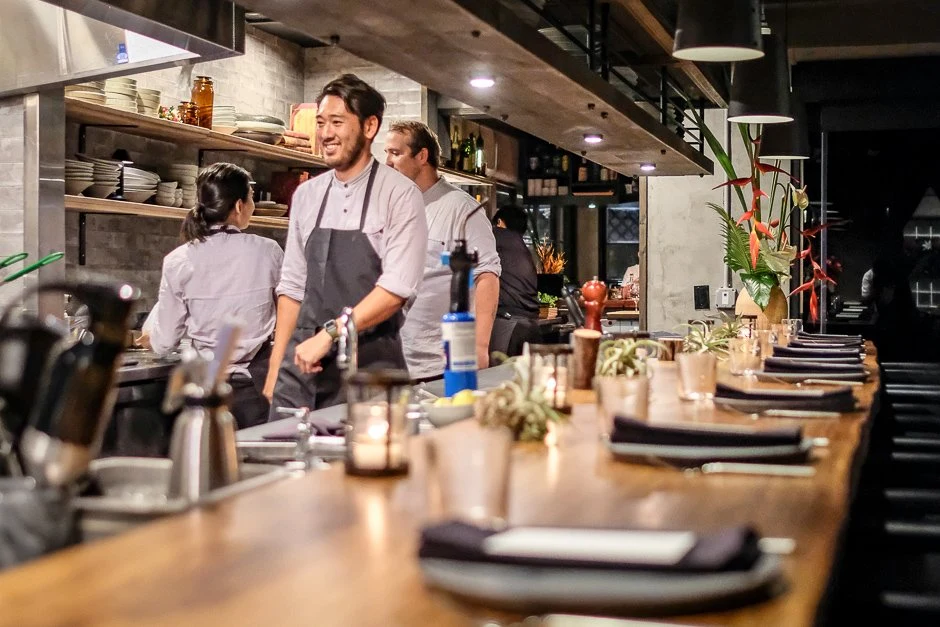
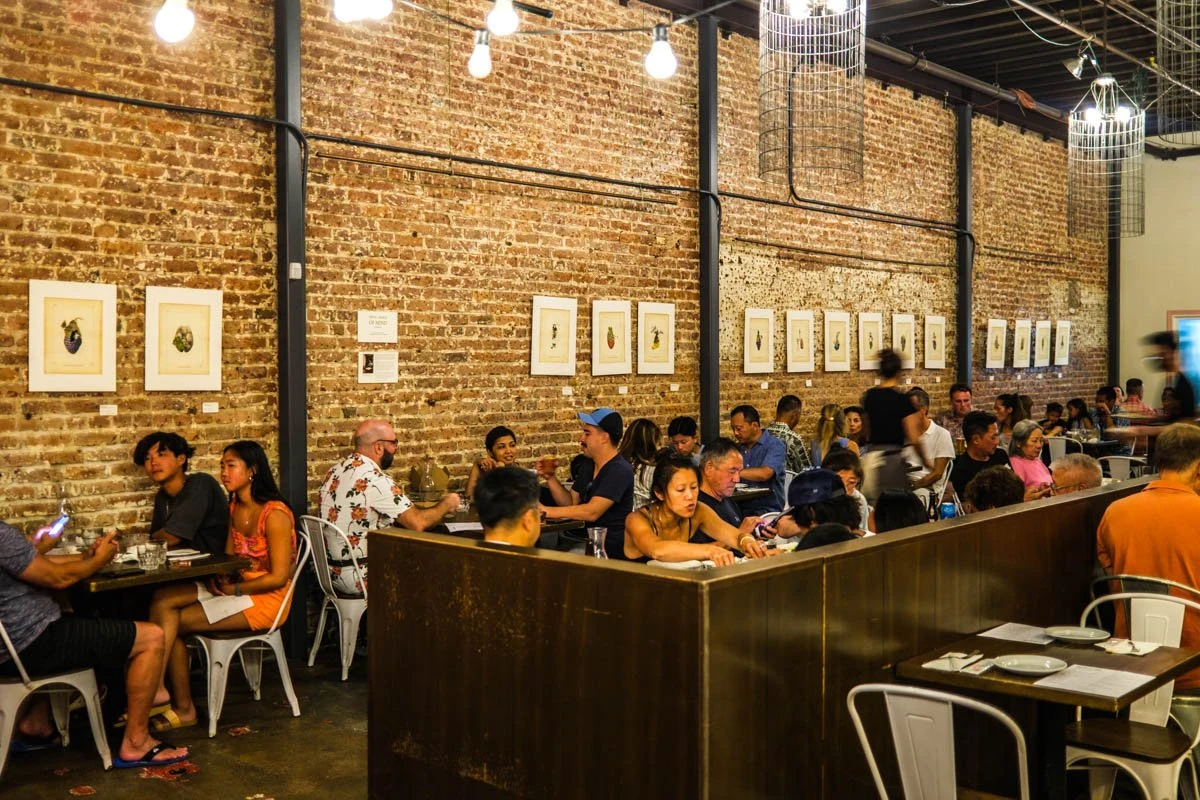
Coral Street in Honolulu sits a few blocks from the water and several miles from the resort corridor, which is exactly the point. This part of the city has developed a dining identity that runs parallel to Waikiki's hospitality machine without feeding into it. The addresses here tend to attract a local clientele first, visitors second, and that ordering matters: it produces kitchens that answer to a more demanding, less forgiving audience. Paris Hawaii at 324 Coral St occupies that zone, and its name frames the conversation before you walk through the door. The pairing of two geographies is not decorative branding. It is a directional statement about what happens when classical European method meets one of the world's most biodiverse food environments.
Hawaii's pantry is an argument in itself. Walu, opah, opakapaka, and ahi from local fishing fleets. Taro, breadfruit, and sweet potato from farms that have been cultivating the land for centuries. Lilikoi, rambutan, starfruit, and Maui onions at varying points in the calendar. The challenge for any serious kitchen is not sourcing these ingredients, it is deciding how much technique to apply and at what point technique becomes interference. The French tradition, which is what the Paris half of this name invokes, has a specific answer to that question: respect the product, but use classical structure to reveal it. That tension between restraint and rigour is what makes the local-ingredient-plus-global-technique model either thrilling or irritating, depending on execution.
The Sunday email
Read about the people behind restaurants like PARIS HAWAII in the Sunday email.
Every Sunday we send a lead story and up to four more about the chefs, winemakers, sommeliers and hoteliers behind the restaurants, bars, wineries and hotels we cover.
Recent stories
Free. One email a week, and you can unsubscribe from any issue.
The Broader Pattern in Honolulu
Honolulu's restaurant scene in the current period is working through a maturation that other American coastal cities went through a decade earlier. The resort tier remains dominant in raw revenue terms, but a secondary layer of chef-driven, neighbourhood-rooted restaurants has built real credibility. Fête (New American) and 53 By The Sea represent different points on that spectrum: one leaning into confident New American localism, the other using a waterfront position with a more formal register. 3660 On the Rise has been doing this kind of fusion work long enough to have earned institutional status on the island. Paris Hawaii enters a peer group that is already arguing about the right way to handle the islands' ingredients, which makes the editorial premise more interesting and the execution more consequential.
The broader American reference class for this kind of kitchen includes addresses like Providence in Los Angeles, which applies European precision to Pacific seafood, and Single Thread Farm in Healdsburg, where kaiseki structure organises hyper-local Northern California produce. Internationally, Le Bernardin in New York City remains the canonical model for what classical French technique can do when focused narrowly on seafood at its finest. What these kitchens share is a willingness to let the ingredient set the terms. Whether Paris Hawaii holds to that discipline is the central question for anyone considering a booking.
Technique as Context, Not Costume
The risk in the global-technique-meets-local-ingredient format is that the technique becomes a status signal rather than a tool. When a kitchen applies French mother sauces to Hawaiian fish simply because that register reads as serious dining, the result is category confusion: the fish loses its identity and the sauce gains nothing from the geography. The kitchens that handle this framework well, from Blue Hill at Stone Barns in Tarrytown to Addison in San Diego, treat European method as a vocabulary rather than an end point. The sentence they are writing is still about the place.
Hawaii has a particular complication here: the islands' own culinary traditions are substantial and do not need European scaffolding to be coherent. Hawaiian and broader Pacific Islander cooking has its own structural logic around fermentation, earthen cooking, and the ceremonial use of certain ingredients. When that tradition is present in a kitchen's thinking, the Paris-Hawaii pairing becomes genuinely interesting. When it is absent, the name risks functioning as a geographic affectation. The comparison set for getting this right in the American context also includes technically rigorous operations like Alinea in Chicago and Atomix in New York City, where formal training serves a specific cultural argument rather than signalling sophistication for its own sake.
Placing Paris Hawaii on the Map
For Honolulu diners building an itinerary across the city's more considered end of the restaurant market, the Coral Street address slots into a non-resort circuit that also includes 855-ALOHA and Ahaaina Luau, two venues that approach Hawaiian food culture from quite different angles. The geographic and stylistic spread across that group covers most of what the city's independent dining scene currently offers. For visitors who have already worked through the reference-point operations, comparing Paris Hawaii against this comparable set is the more productive frame than measuring it against the resort tier entirely.
The global comparison also extends to kitchens working within similar European-Pacific intersections. 8 1/2 Otto e Mezzo Bombana in Hong Kong applies Italian classical training to a city defined by Chinese culinary tradition, a structural parallel that illustrates how the imported-method-plus-local-product argument plays out across very different ingredient sets. What distinguishes the successful examples from the merely polished ones is almost always the same thing: a kitchen that knows why it is here, in this place, and can answer that question through what ends up on the plate.
For a broader orientation to the city's restaurant options across price tiers and formats, the full Honolulu restaurants guide maps the current scene in more detail. Operations like The French Laundry in Napa, Emeril's in New Orleans, Lazy Bear in San Francisco, and The Inn at Little Washington in Washington provide additional reference points for understanding where the formal tasting-menu tradition sits in the American context and what Paris Hawaii is either contributing to or departing from.
Questions
Frequently asked
What recognition does PARIS HAWAII hold?
PARIS HAWAII holds a James Beard award.
Who works at PARIS HAWAII?
Made By profiles Yuya Yamanaka (Chef) at PARIS HAWAII.
How expensive is PARIS HAWAII?
PARIS HAWAII is listed at a price level of $$$.
Where is PARIS HAWAII and what does it serve?
PARIS HAWAII is in Kakaako, Honolulu, serving Modern French-Hawaiian Fusion.
The field
How it compares
| Place | Awards | Cuisine | Notes |
|---|---|---|---|
| PARIS HAWAII | James Beard | Modern French-Hawaiian Fusion | Kakaako, $$$ |
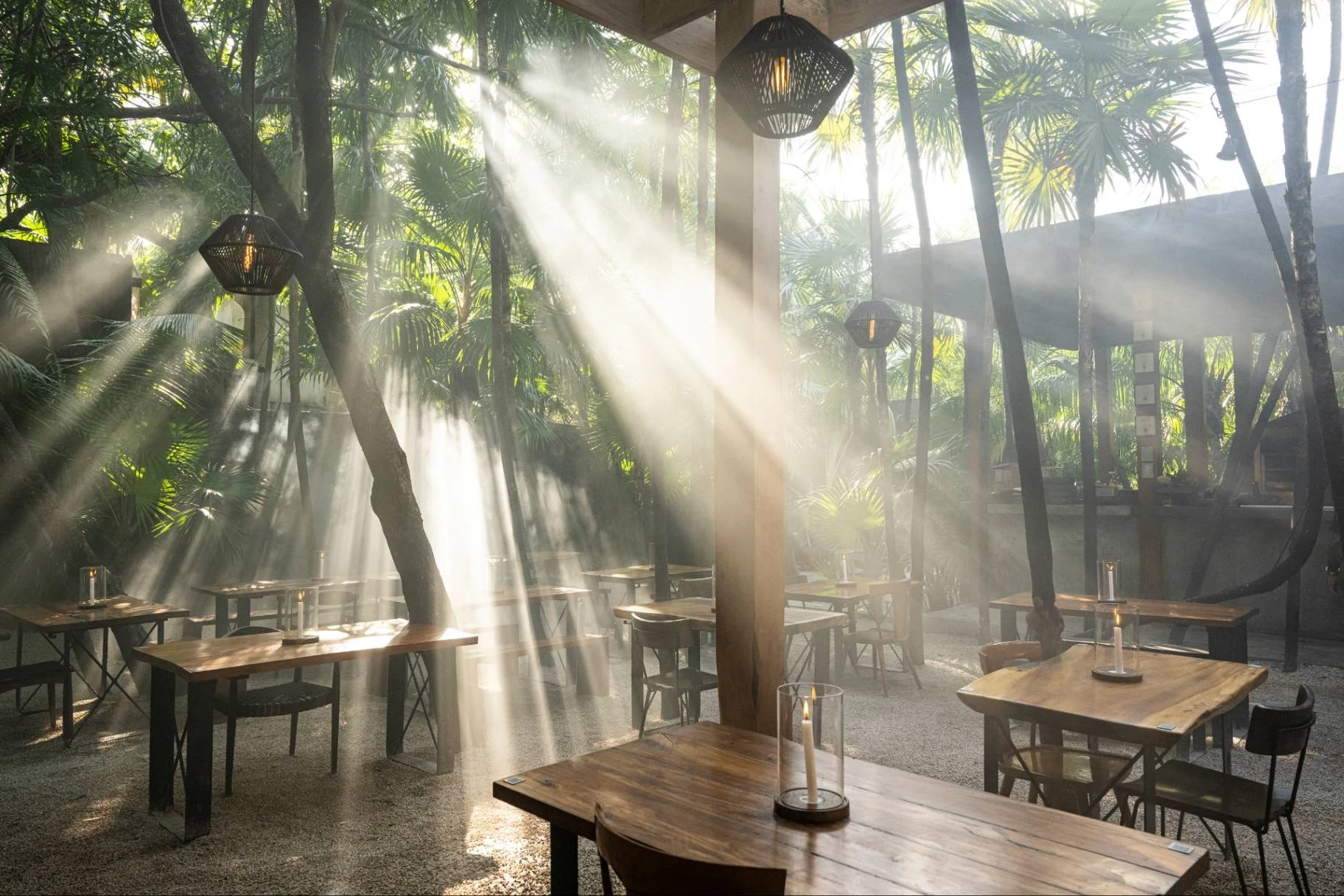
| Arca | 50 Best | Modern Yucatan Fire-Cooked Small Plates | Tulum |
| Hy’s Steak House | · | Classic Steakhouse | Honolulu |
| Lasarte | Michelin 3 Stars | Modern Basque-Mediterranean Fine Dining | Barcelona |
| Mugen | · | Modern Japanese-French Fusion Fine Dining | Honolulu |
| Orchids | · | Coastal Fine Dining | Honolulu |
| Pig & the Lady | · | Modern Vietnamese | Honolulu |
Similar places
Modern Yucatan Fire-Cooked Small Plates
Arca
Tulum, Mexico
50 Best
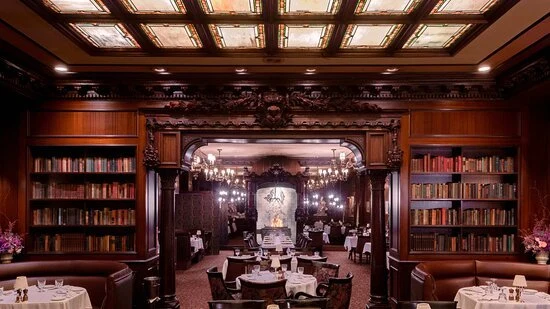
Classic Steakhouse
Hy’s Steak House
Honolulu, United States
Modern Basque-Mediterranean Fine Dining
Lasarte
Barcelona, Spain
★★★
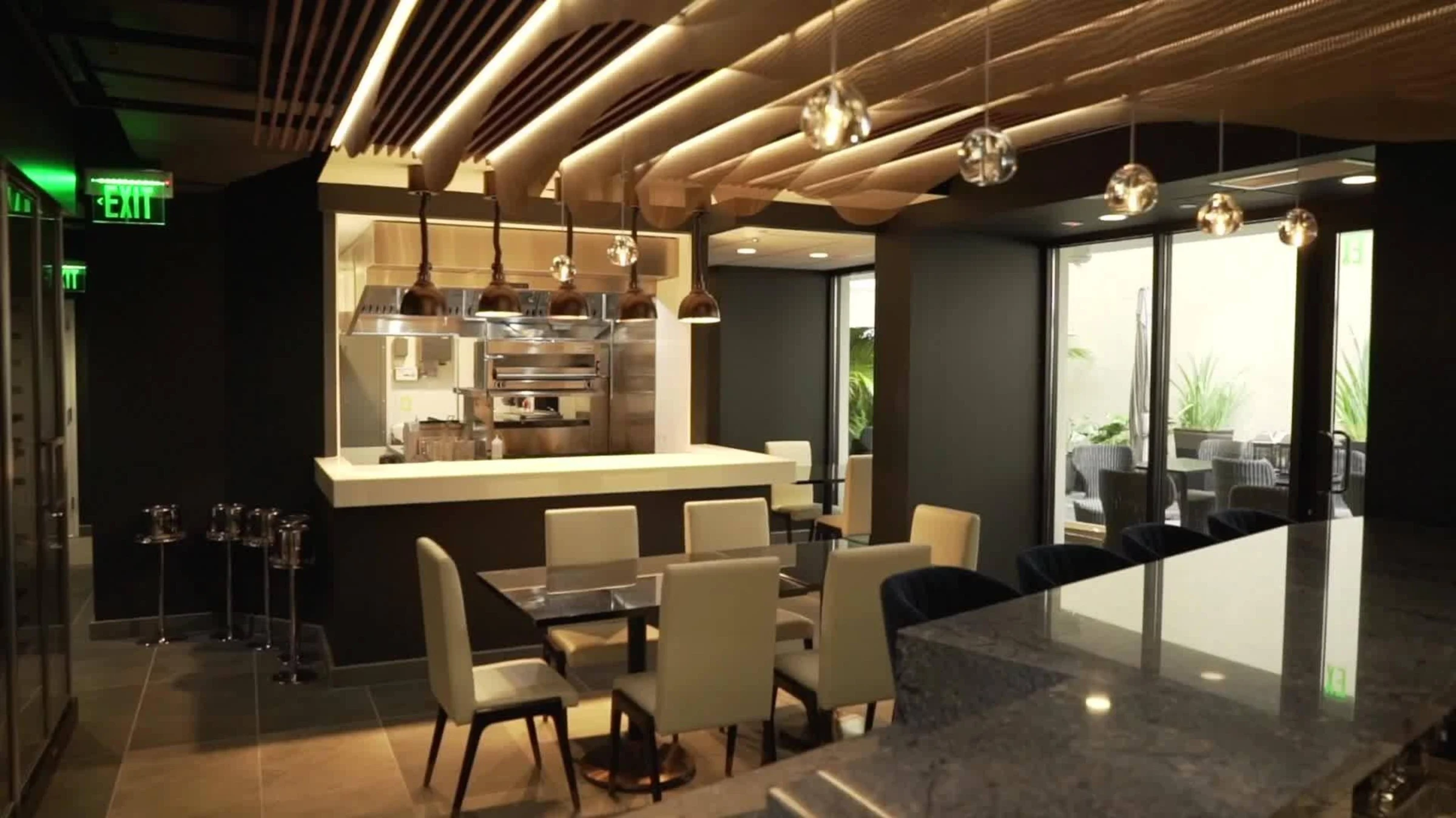
Modern Japanese-French Fusion Fine Dining
Mugen
Honolulu, United States
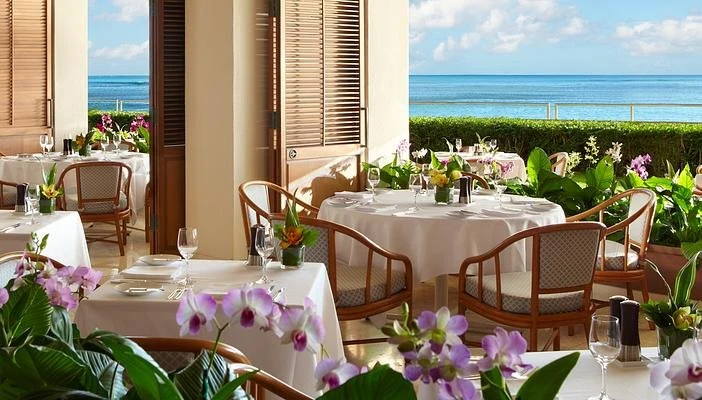
Coastal Fine Dining
Orchids
Honolulu, United States
Modern Vietnamese
Pig & the Lady
Honolulu, United States

The Sunday email
Read about the people behind restaurants like PARIS HAWAII in the Sunday email.
Every Sunday we send a lead story and up to four more about the chefs, winemakers, sommeliers and hoteliers behind the restaurants, bars, wineries and hotels we cover.
Recent stories
Free. One email a week, and you can unsubscribe from any issue.