Remedy Diner
- 01CuisineClassic American Diner
- 02CityNew York City, United States
From the people index
Recommended by
One trusted voice points here.
East Houston and the All-Day Diner Tradition
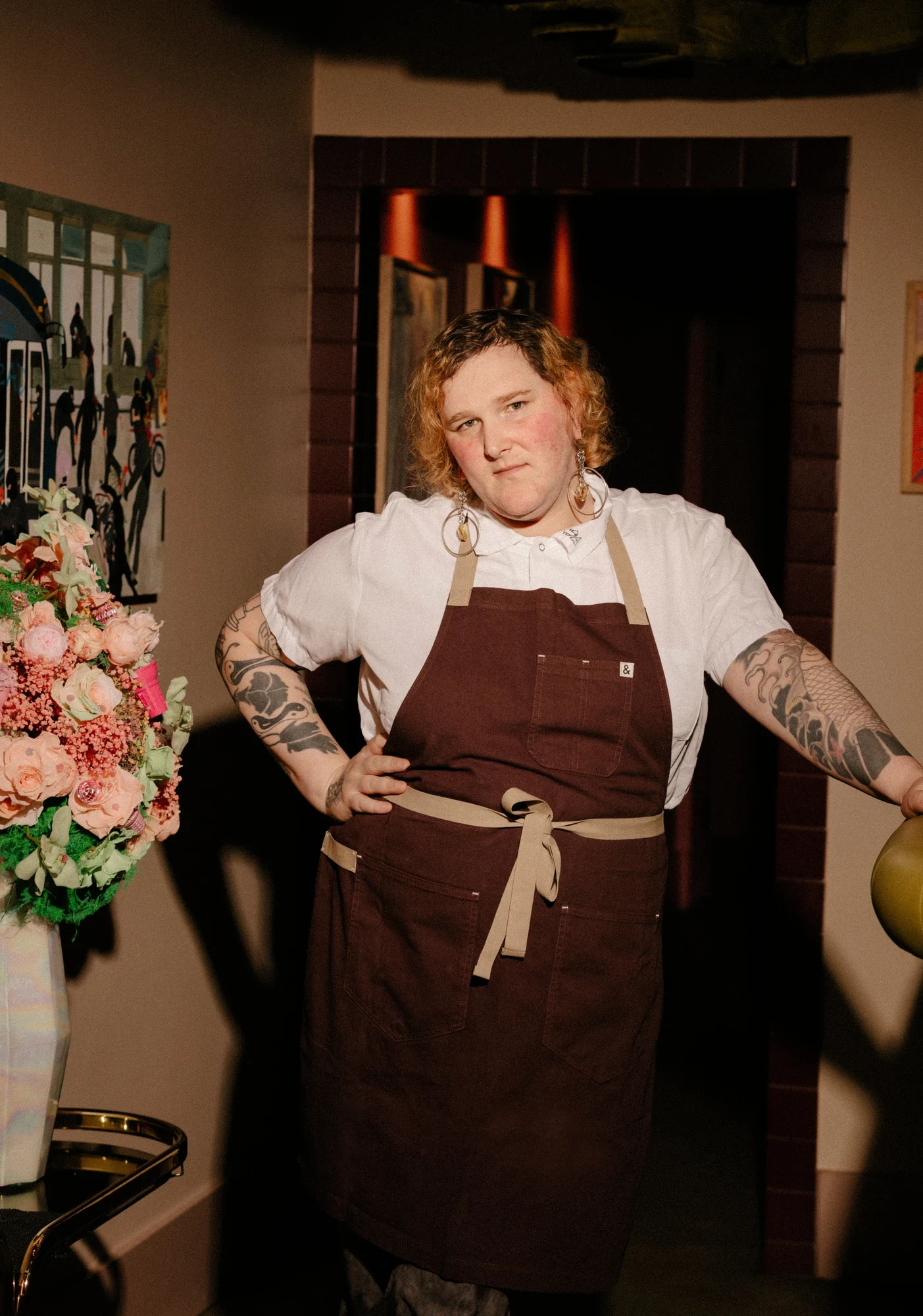
The American diner did not emerge from fine-dining ambitions. It grew out of necessity: a place open when other kitchens were dark, serving food that required no occasion. On East Houston Street, that tradition has held longer than almost anywhere else in lower Manhattan. The stretch between Orchard and Avenue B has absorbed successive waves of neighbourhood change, from the tenement-era economy to the gallery-and-bar boom of the 1990s to the steady gentrification that followed, and the diner format has remained a stabilising fixture through all of it. Remedy Diner, at 245 E Houston St, sits in that continuum.
Understanding what a venue like this represents requires stepping back from the individual address and reading the category. The Lower East Side diner operates differently from its Midtown or Gramercy counterparts. It serves a more compressed economic range, a more nocturnal schedule of demand, and a neighbourhood that still contains enough long-term residents, kitchen workers, and late-shift staff to sustain the format. Where destination restaurants nearby chase press cycles and tasting-menu formats, the diner absorbs the overflow, the after-midnight crowd, and the people who want eggs and coffee without a reservation.
The Sunday letter
Find new places through the people who run them.
Our Sunday email brings you the chefs, winemakers and hoteliers behind our newest stories. See a sample before you subscribe.
See a sample of the Sunday emailOne email a week. Unsubscribe from any issue.
Ingredient Sourcing and the Diner's Place in New York's Food Chain
The sourcing question in American diner cooking is rarely asked, which is part of why it matters. At the premium end of New York's restaurant spectrum, sourcing is explicit: Blue Hill at Stone Barns in Tarrytown builds its entire editorial identity around provenance, with produce grown on-site and menus that shift weekly with what the farm yields. Single Thread Farm in Healdsburg applies a similar logic at the other end of the country. These are sourcing-as-philosophy operations, where the supply chain is the story.
The diner sits at the opposite end of that spectrum, and that positioning is not a failure. It reflects a different contract with the diner. The diner format promises consistency, speed, and availability. Its sourcing chain is typically commodity-driven: eggs from large distributors, potatoes from broadline suppliers, coffee from national roasters. That infrastructure is what makes 24-hour or extended-hour service economically viable at accessible price points. The Lower East Side location adds a layer of neighbourhood specificity. Proximity to the Essex Market corridor and the remaining food-industry infrastructure of the area means that local sourcing is not structurally impossible for an operator willing to pursue it, but there is no public record confirming that Remedy Diner has made that a programmatic commitment.
What matters editorially is that the sourcing question, rarely pressed on the diner format, reveals something about how New York's food system stratifies. The restaurants that draw the deepest critical attention, from the three-Michelin-star counters like Masa to the tasting-menu flagships like Per Se, sit at one pole. The all-day diner sits at the other, and the city needs both ends of that range to function.
The Lower East Side as Context
The Lower East Side's dining identity has splintered considerably over the past two decades. The neighbourhood that was once defined almost exclusively by Jewish delicatessens, Chinese takeout, and late-night pizza slices now holds a range that stretches from inventive Korean formats (see Atomix and Jungsik New York for the upper tier of that tradition in the broader city) to natural-wine bars to prix-fixe rooms that would not look out of place in the West Village. East Houston itself functions as a boundary line: north of it, the demographic and economic texture shifts; south of it, the older neighbourhood infrastructure persists in patches.
The diner format has navigated this transition by remaining what it always was. It does not rebrand as a brunch destination or introduce a craft-beverage program to capture a different spending tier. The operational logic is horizontal rather than aspirational: serve more people across more hours rather than fewer people at higher margins. That is not a growth strategy in the contemporary restaurant-investment sense, but it is a durability strategy, and durability on East Houston Street over the past three decades is its own credential.
How It Compares Across American Cities
All-day diner format is not a New York-specific phenomenon, but New York's version carries a particular density and pressure. In New Orleans, Emeril's represents the city's refined end; its accessible end runs through late-night po'boy counters and 24-hour diners in the Marigny. In San Francisco, Lazy Bear occupies the premium-communal tier while the Mission's taqueria and diner infrastructure serves the same after-hours function that East Houston diners serve in New York. Chicago's spectrum runs from Alinea's avant-garde tasting format down through Wicker Park's 24-hour grill spots. The pattern is consistent: every city with a serious restaurant culture requires an equally serious infrastructure of low-barrier, high-availability eating to sustain the workforce and nightlife that the premium tier depends on.
What distinguishes New York's diner tier is the compression. The distance between a four-figure omakase counter and an eight-dollar egg plate is sometimes a single block. On East Houston, that compression is visible in real time: the post-shift kitchen workers from nearby restaurants, the late-bar crowd from Delancey, the residents who have been on the block for thirty years and see no reason to eat elsewhere for breakfast. The diner captures all of them within the same booth layout and the same laminated menu.
For those curious about how New York's premium end handles sourcing and ingredient provenance at the highest price points, Le Bernardin remains the clearest reference for seafood sourcing discipline in the city. Internationally, operations like Alain Ducasse at Louis XV in Monte Carlo and 8 1/2 Otto e Mezzo Bombana in Hong Kong demonstrate how sourcing philosophy can anchor an entire restaurant identity. The diner occupies the opposite philosophical pole, and that contrast is itself instructive about how food systems are organised around a city's needs.
Planning Your Visit
Remedy Diner is located at 245 East Houston Street, on the Lower East Side. The address is accessible from the Second Avenue F/M subway stop, roughly three blocks east. Reservations: Remedy Diner is walk-in friendly. Budget: About $20 per person. Timing: Open 24 hours daily.
Questions
Frequently asked
How expensive is Remedy Diner?
Remedy Diner is listed at a price level of $.
Where is Remedy Diner and what does it serve?
Remedy Diner is in East Village, New York City, serving Classic American Diner.
The field
How it compares
| Place | Cuisine | Notes | Awards |
|---|---|---|---|
| Remedy Diner | Classic American Diner | East Village, $ | · |
| Atomix | Modern Korean Tasting Menu | New York City | Michelin 2 Stars, World's 50 Best |
| Daniel | Modern French Fine Dining | New York City | Michelin 1 Star, World's 50 Best |
| Eleven Madison Park | Contemporary Plant-Based Fine Dining | New York City | Michelin 3 Stars, World's 50 Best |
| Jungsik New York | Modern Korean Fine Dining | New York City | Michelin 3 Stars, World's 50 Best |
| Kabawa | Modern Caribbean Prix Fixe | New York City | World's 50 Best |
| Le Bernardin | French Seafood Fine Dining | New York City | Michelin 3 Stars, World's 50 Best |
Similar places
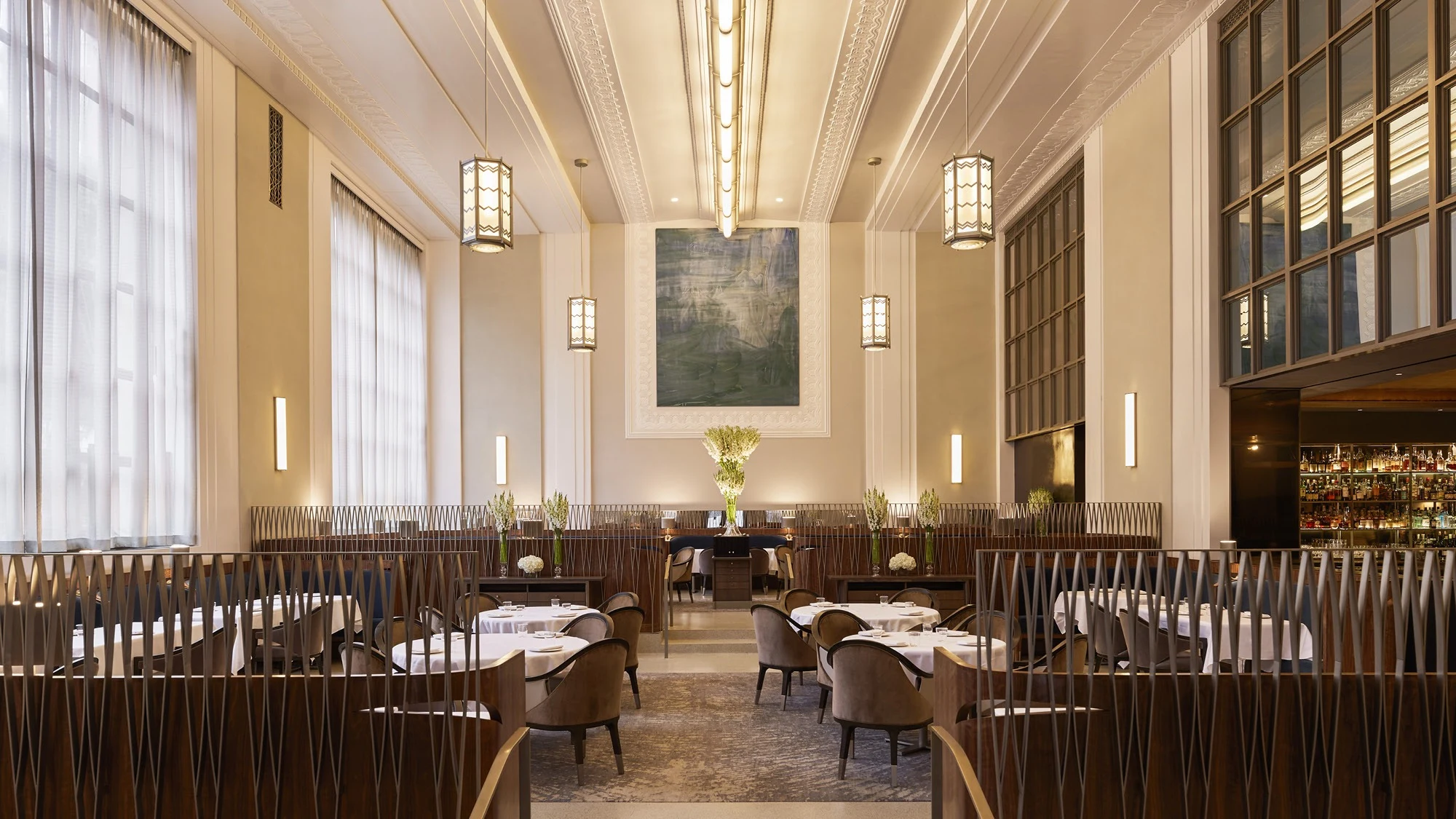
Modern Korean Tasting Menu
Atomix
New York City, United States
★★ · 50 Best
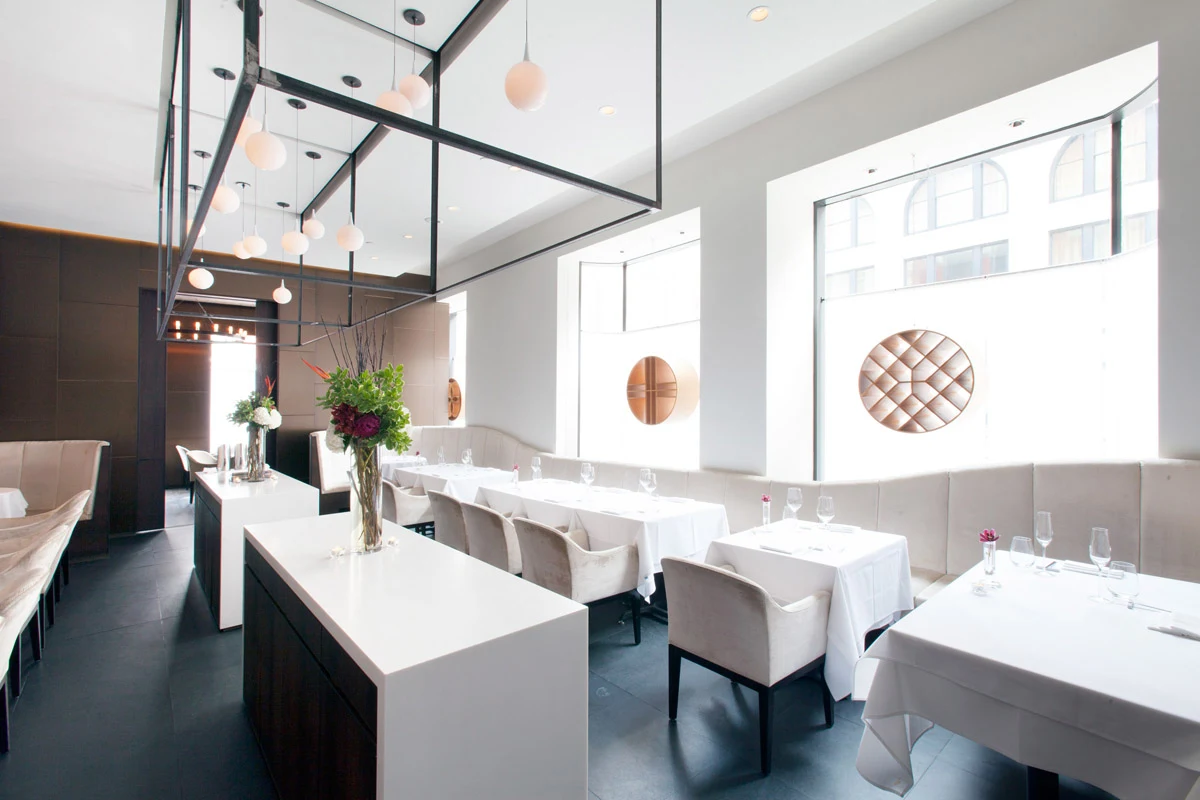
Modern French Fine Dining
Daniel
New York City, United States
★ · 50 Best
Contemporary Plant-Based Fine Dining
Eleven Madison Park
New York City, United States
★★★ · 50 Best
Modern Korean Fine Dining
Jungsik New York
New York City, United States
★★★ · 50 Best
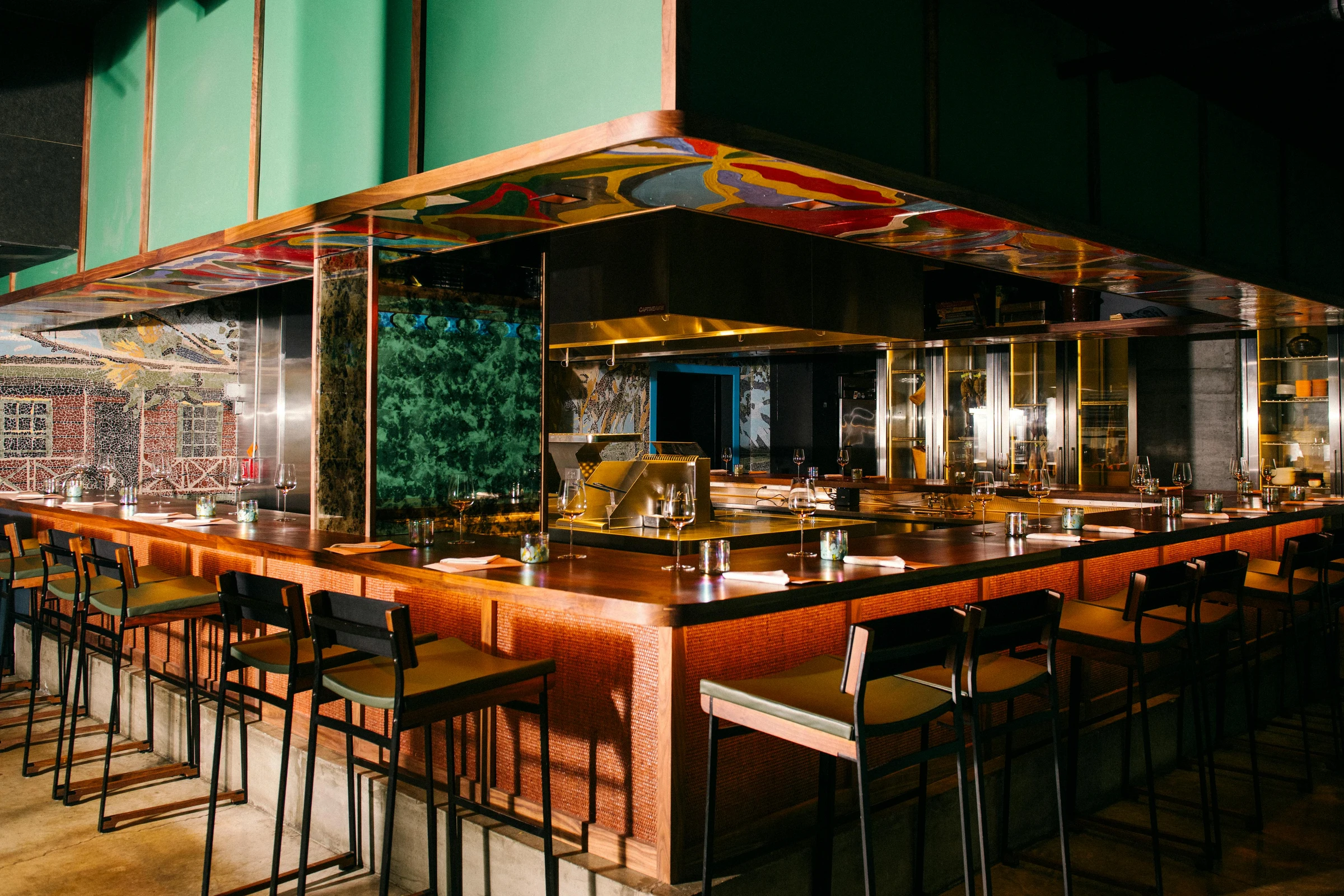
Modern Caribbean Prix Fixe
Kabawa
New York City, United States
50 Best
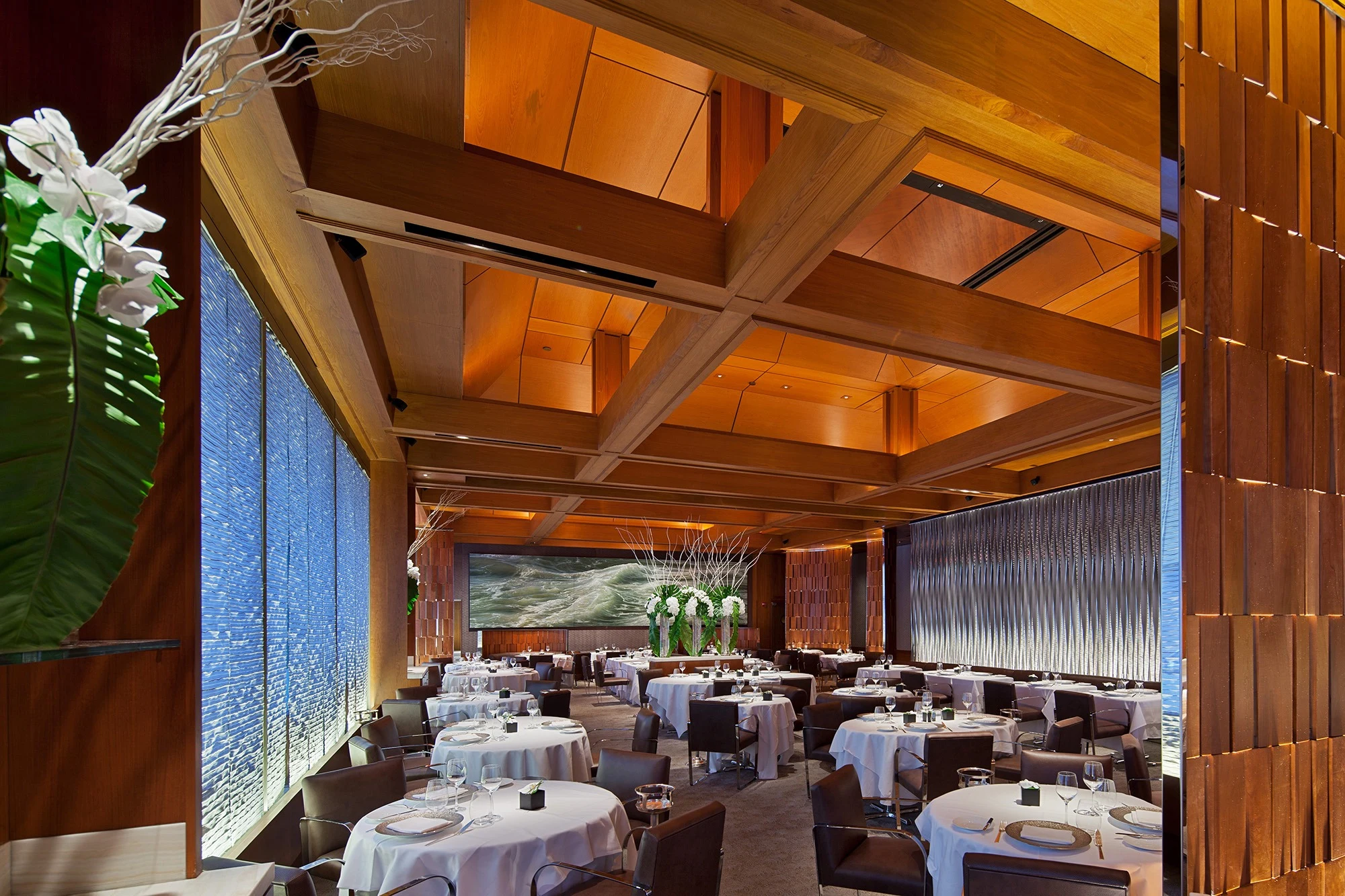
French Seafood Fine Dining
Le Bernardin
New York City, United States
★★★ · 50 Best
The Sunday letter
Get the next Made By story in your inbox.
We send one email every Sunday morning with the places and people we covered that week.
See a sample of the Sunday emailOne email a week. Unsubscribe from any issue.