Sami & Susu
- 01CuisineMediterranean Small Plates & Natural Wine
- 02CityNew York City, United States
- Michelin Bib Gourmand · Michelin Guide
- Michelin Bib Gourmand · 2025
- Michelin Bib Gourmand · 2024
Orchard Street's Understated Case for Olive Oil Over Fire
New York's Mediterranean restaurants have fractured into two recognisable camps over the past decade. One chases the $$$$ tasting-menu model, deploying Levantine flavours through modernist technique at counters that price against Le Bernardin (French, Seafood) or the top tier of Midtown. The other, smaller cohort operates closer to the neighbourhood trattoria logic of southern Europe: short menus, accessible prices, a preference for seasonal produce and good olive oil over theatrical garnish. Sami & Susu is a Mediterranean small-plates restaurant on Orchard Street in New York City, with a 2024 Michelin Bib Gourmand and an average Google rating of 4.7.
The Bib Gourmand designation, awarded for quality cooking at accessible prices, places Sami & Susu in a specific competitive tier: recognised but not fine-dining, affordable but not casual-careless. In New York, that band is harder to occupy than the extremes. The city has no shortage of $180 tasting menus or $14 falafel wraps, but comparatively few places where the cooking earns institutional recognition while keeping prices at $$. At 190 Orchard St, Chefs Christoph Düster and Felix Düster have sustained exactly that position.
The Olive Oil Logic of This Kitchen
Mediterranean cooking, at its structural core, runs on fat, and specifically on the quality and application of olive oil. Where other culinary traditions rely on butter reduction or stock-intensive sauces to build depth, Middle Eastern-inflected Mediterranean menus like this one depend on the oil doing multiple jobs at once: carrying fragrance, tempering acidity in bright vegetable preparations, finishing protein with a thread of richness that stops short of heaviness. The kitchen's lack of a conventional gas stove is a constraint that clarifies this logic. Cooking without the direct, high-heat char that gas provides pushes the kitchen toward technique that emphasises seasoning, acidity, and fat management, which is, historically, exactly how much of the Levantine and eastern Mediterranean pantry was developed before modern kitchen infrastructure.
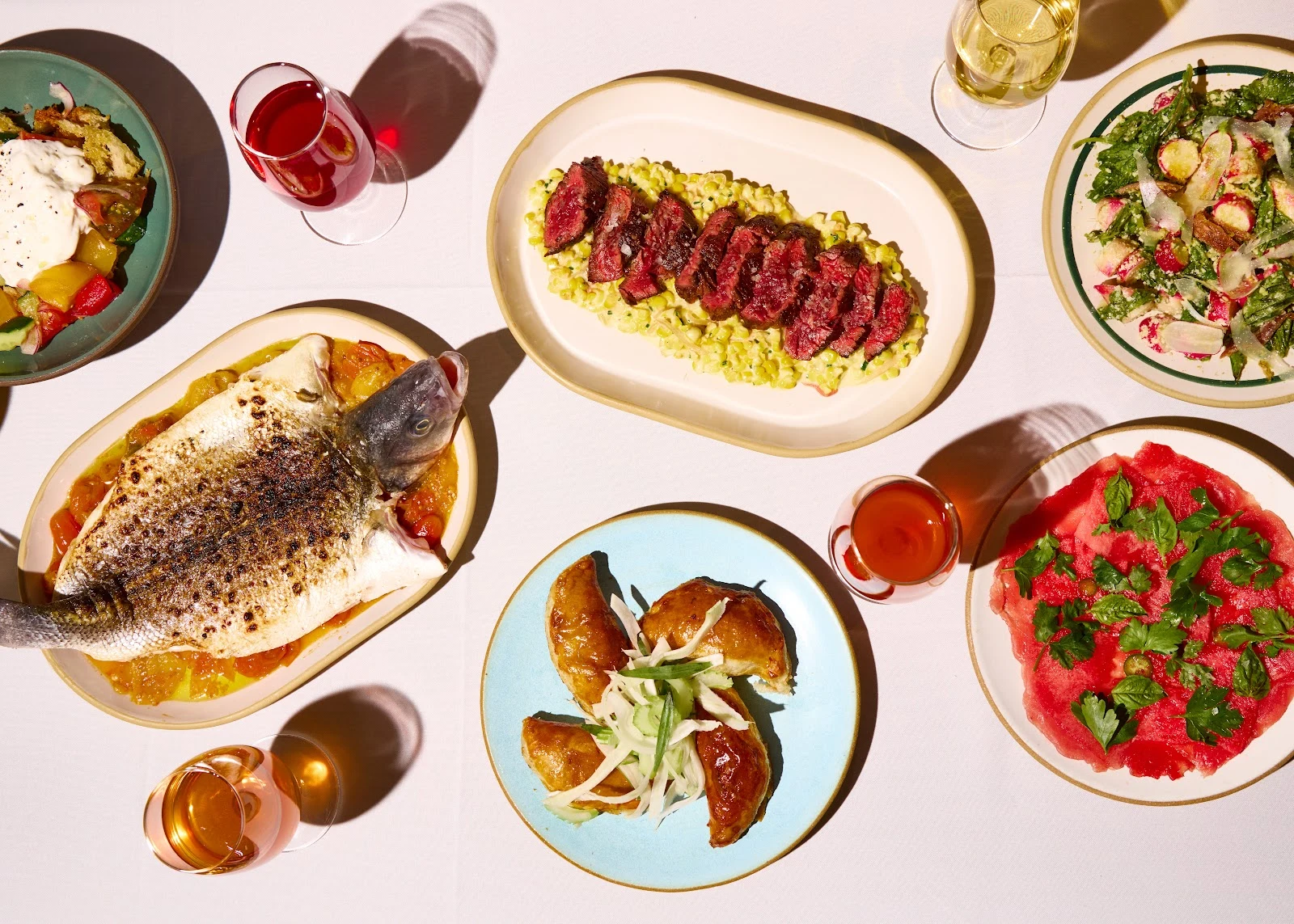
The menu reads seasonally, which means the produce selection and the brightness of the herb work will shift through the year. Tabbouleh prepared with fresh mint and sweet corn carries the kitchen's summer posture: high-acid, herb-forward, the kind of dish that works because the ingredients are right rather than because the technique is elaborate. Lamb preparations anchor the menu's richer register, whether wrapped in soft cabbage leaves or, in a more specific seasonal format, stuffed into squash blossoms, fried, and paired with tzatziki. The fried squash blossom format appears across Mediterranean cooking from Sicily to Istanbul; the tzatziki pairing grounds it in the Aegean side of the tradition rather than the North African one. These aren't arbitrary combinations, they reflect a menu that has thought about where in the Mediterranean basin each dish actually comes from.
Lower East Side Context
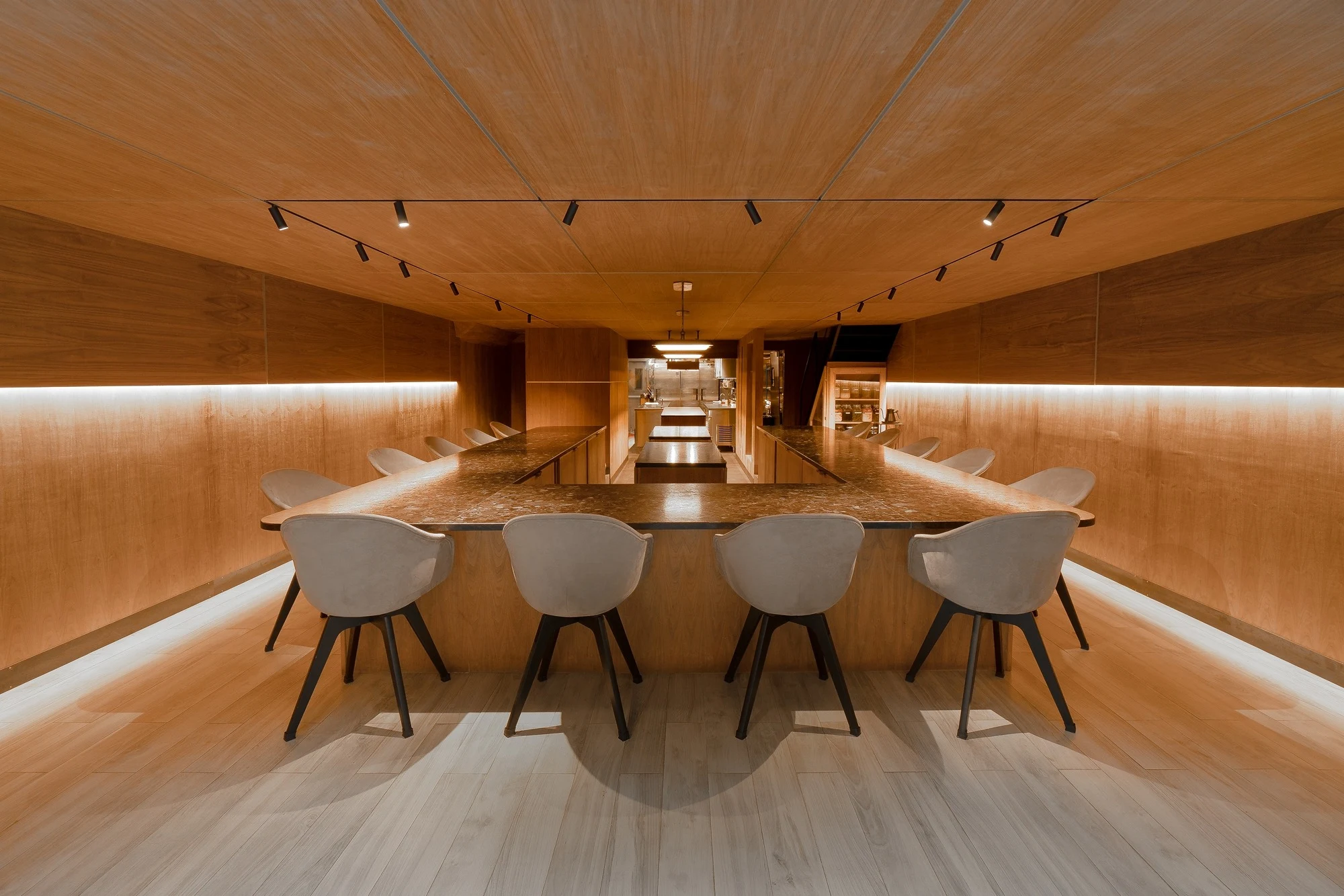
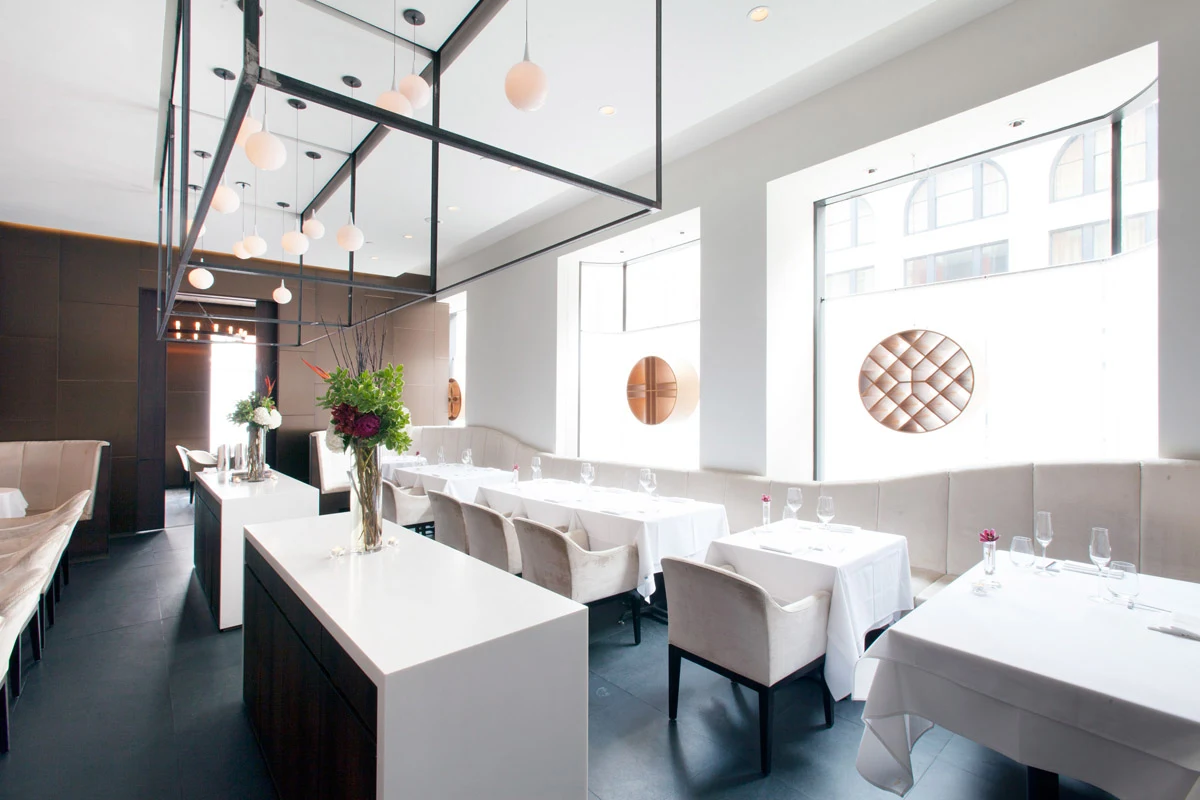
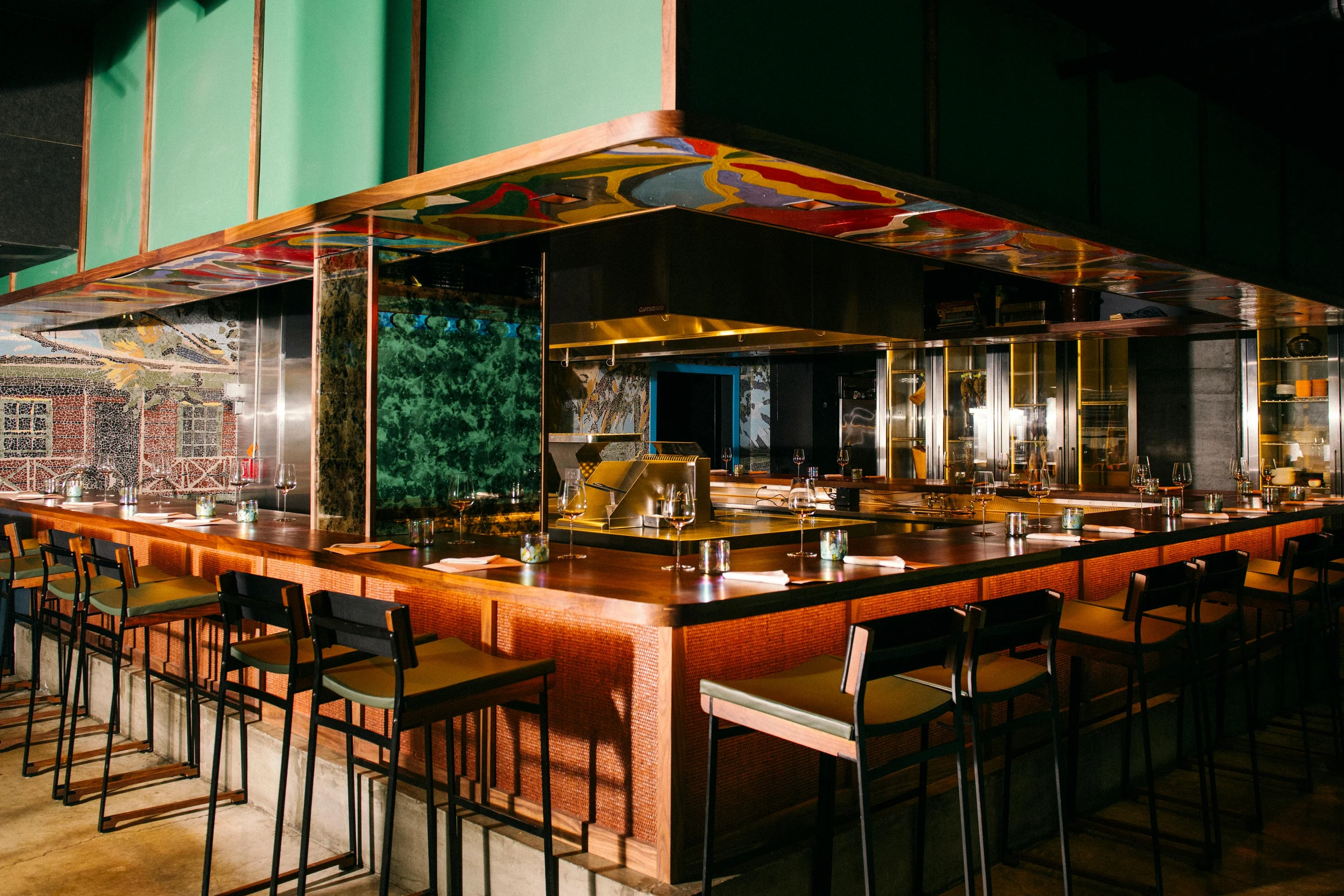
Orchard Street retains a street-level authenticity that several adjacent Manhattan neighbourhoods have largely surrendered. The Lower East Side's dining scene now operates across a wide range, from long-standing Jewish deli formats to newer arrivals that treat the neighbourhood's density and rent profile as an opportunity to run tighter, more focused restaurants than Midtown or the West Village typically allow. Sami & Susu fits the latter pattern: a narrow room, a compact menu, a kitchen operating under genuine physical constraints, and a price point that keeps the room accessible to the neighbourhood rather than extracting maximum yield per cover.
The natural wine list is a deliberate signal in this context. Natural wine programs in New York have evolved from novelty to standard across a certain tier of neighbourhood restaurant, and their presence here aligns Sami & Susu with a scene that includes Hart's, Dagon, and Meadowsweet, restaurants that have used accessible wine programs and neighbourhood-scale formats to build repeat-visit cultures rather than destination traffic. Theodora operates in a related register. The common thread across this cohort is that the experience improves with familiarity: menus that reward regular ordering rather than one-off tasting.
What the Bib Gourmand Actually Signals Here
Michelin's Bib Gourmand signals quality cooking at accessible prices. It is not a star, and it doesn't imply the kind of technical rigour that a starred kitchen in the $$$$ tier, Masa, Per Se, Eleven Madison Park, is expected to demonstrate. What it does imply is consistent kitchen discipline at a price point where corners are often cut, plus cooking that is interesting enough for an inspector to return. In 2024, earning the designation at a Mediterranean counter on Orchard Street, operating without a full gas setup, is a more specific credential than it might appear.
For context on what institutional recognition looks like at the opposite end of the investment spectrum, see Alinea in Chicago, The French Laundry in Napa, or Single Thread Farm in Healdsburg. Sami & Susu is not in that comparable set, it does not want to be, and that's the point. Restaurants like Lazy Bear in San Francisco, Providence in Los Angeles, and Emeril's in New Orleans each occupy their own specific tier; Sami & Susu's credential is meaningful precisely because it operates within a different, more constrained set of parameters.
Planning Your Visit
The room at 190 Orchard St is narrow and fills quickly. Given the Google review score of 4.7 across 295 reviews, walk-in availability is possible but inconsistent; arriving early in a service or booking ahead is the more reliable approach. The $$ price point puts it in a category accessible to most budgets, and the menu's structure, with shareable dishes anchored by vegetable preparations and lamb, rewards the kind of over-ordering the kitchen reportedly encourages.
| Venue | Cuisine | Price | Recognition | Format |
|---|---|---|---|---|
| Sami & Susu | Mediterranean / Middle Eastern | $$ | Michelin Bib Gourmand 2024 | Neighbourhood counter, natural wine |
| Hart's | Mediterranean | $$ | Editorial recognition | Neighbourhood bistro |
| Dagon | Israeli / Mediterranean | $$–$$$ | Editorial recognition | Neighbourhood restaurant |
| Theodora | Mediterranean | $$$ | Editorial recognition | Formal neighbourhood dining |
Questions
Frequently asked
What recognition does Sami & Susu hold?
Sami & Susu holds a Michelin Bib Gourmand.
How expensive is Sami & Susu?
Sami & Susu is listed at a price level of $$.
Where is Sami & Susu and what does it serve?
Sami & Susu is in Lower East Side, New York City, serving Mediterranean Small Plates & Natural Wine.
The field
How it compares
| Place | Cuisine | Notes | Awards |
|---|---|---|---|
| Sami & Susu | Mediterranean Small Plates & Natural Wine | Lower East Side, $$ | · |
| Atomix | Modern Korean Tasting Menu | New York City | Michelin 2 Stars, World's 50 Best |
| Daniel | Modern French Fine Dining | New York City | Michelin 1 Star, World's 50 Best |
| Eleven Madison Park | Contemporary Plant-Based Fine Dining | New York City | Michelin 3 Stars, World's 50 Best |
| Jungsik New York | Modern Korean Fine Dining | New York City | Michelin 3 Stars, World's 50 Best |
| Kabawa | Modern Caribbean Prix Fixe | New York City | World's 50 Best |
| Le Bernardin | French Seafood Fine Dining | New York City | Michelin 3 Stars, World's 50 Best |
Similar places
Modern Korean Tasting Menu
Atomix
New York City, United States
★★ · 50 Best
Modern French Fine Dining
Daniel
New York City, United States
★ · 50 Best
Contemporary Plant-Based Fine Dining
Eleven Madison Park
New York City, United States
★★★ · 50 Best
Modern Korean Fine Dining
Jungsik New York
New York City, United States
★★★ · 50 Best
Modern Caribbean Prix Fixe
Kabawa
New York City, United States
50 Best
French Seafood Fine Dining
Le Bernardin
New York City, United States
★★★ · 50 Best