Stissing House

In Residence
Clare de Boer
Chef
- 01CuisineWood-Fired American Tavern
- 02CityPine Plains, United States
- 03RecognitionJames Beard Award
From the people index
Recommended by
2 trusted voices point here.


- James Beard Winner · James Beard Foundation
- Wine Spectator · Tier 2
- Wine Spectator Best of Award of Excellence · 2026
- James Beard Award Semi Finalist · 2025
- Food & Wine Global Tastemakers Top Restaurants #10 · 2025
A Tavern That Earns Its Age
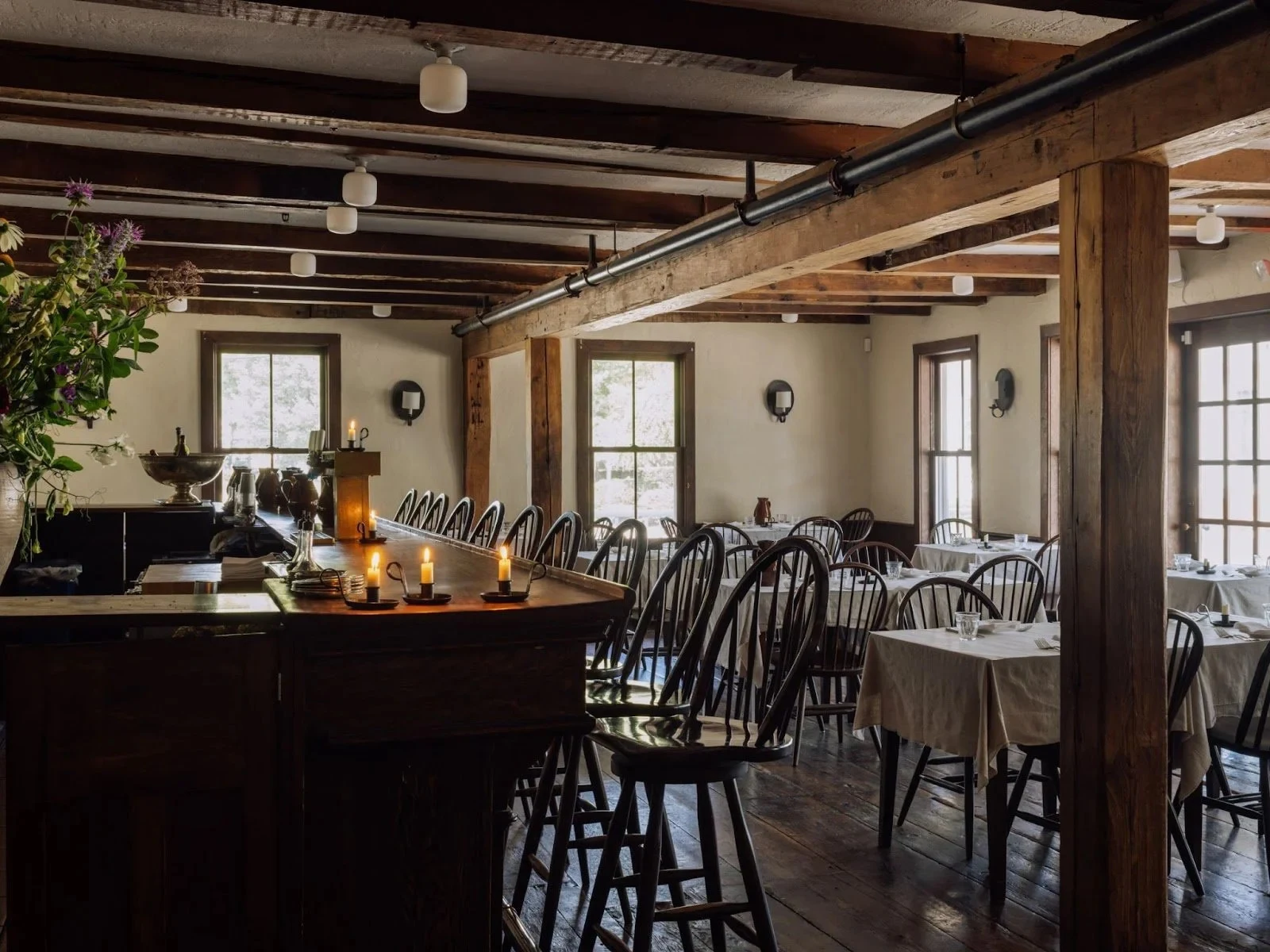
South Main Street in Pine Plains offers little warning of what's inside. The building at 7801 has been standing since 1782, which places it in a category of American dining rooms that can be counted on two hands: structures that predate the republic's third decade and still function as working restaurants. That kind of continuity changes the room. The wide-plank floors, the fireplace, the candlelit tables, none of it is decorative. It arrived that way and has been in use ever since. For the specific tradition of tavern cooking that defined rural New York through the colonial and federal periods, Stissing House sits at the older end of a very short list.
The Hudson Valley has become one of the more compelling food regions in the Northeast over the past fifteen years, driven by a concentration of working farms, a proximity to New York City's chef talent, and a local culture that values the connection between what grows here and what ends up on the table. Stissing House sits inside that broader regional shift, but its claim to relevance predates the trend by two centuries. The kitchen is led by a 2018 Food & Wine Best New Chef award winner. That award cohort has historically moved on to define American cooking at the national level, see Le Bernardin in New York City and Lazy Bear in San Francisco for the range of trajectories possible from that kind of early recognition.
What the Wood Fire Actually Means for the Plate
Wood-fire cooking has become a default aesthetic in a certain tier of American restaurant, invoked more often than it is practiced with discipline. At Stissing House, the fire is not a concept, it is the primary heat source, and the menu is built around what that method does well. Dayboat scallops cooked over coals and suckling pig crisped to crackling are the kinds of preparations that require a cook to understand live fire rather than approximate it. Both dishes reflect sourcing decisions that precede any technique: dayboat means the scallops were harvested and landed the same day, a supply chain that exists in contrast to the frozen-at-sea product that fills out most seafood programs at this price point.
The daily-changing menu structure tells you something important about how the kitchen operates. A fixed menu can maintain consistency with product sourced weeks in advance. A daily-changing one requires the kitchen to respond to what's available that morning, a discipline that demands reliable supplier relationships and the flexibility to cook around what arrives rather than what was planned. In the Hudson Valley, that approach maps directly onto the regional farm calendar: the menu in October looks nothing like the menu in April, and that gap is the point. This is the same sourcing logic that drives destination-worthy farms-to-table programs at places like Blue Hill at Stone Barns in Tarrytown and Single Thread Farm in Healdsburg, though Stissing House operates with considerably less ceremony and at a scale closer to a working tavern than a tasting-menu destination.
The menu also holds space for simpler preparations: pickles, chips, a cup of broth. That positioning matters. In a dining culture where every course competes for conceptual weight, a kitchen that leads with honest simplicity, and earns attention through execution rather than presentation, is making a specific editorial choice about what good cooking looks like. The broth is not a garnish for a larger dish. It is a dish, and it carries the same sourcing accountability as anything roasted over the fire.
The Room in October and the Room in March
Stissing House receives a consistent share of its traffic as part of the Hudson Valley's autumn leaf-peeping circuit, which is the most densely booked period across Dutchess and Columbia counties from late September through early November. That seasonal pressure is worth factoring into planning: the dining room, set up with candles and a working fireplace, has a capacity that reflects the building's age rather than any modern scaling logic. A room from 1782 does not seat two hundred people. Arriving without a reservation during peak foliage season is an optimistic strategy.
The stronger case for visiting outside the autumn window is that the tavern's character is less diluted by tourism in the off-season. Winter and early spring bring a quieter version of the same room, the fire carries more atmospheric weight when the room is not full of first-time visitors, and the menu in those months reflects whatever the local supply chain has produced rather than the crowd-pleasing abundance of harvest season. For a longer Hudson Valley stay, our full Pine Plains hotels guide covers the accommodation picture, and our full Pine Plains restaurants guide sets the broader dining context.
Where It Sits in the American Dining Picture
The top end of American dining has increasingly consolidated around urban tasting-menu formats: Alinea in Chicago, Atomix in New York City, The French Laundry in Napa, Providence in Los Angeles, Addison in San Diego, The Inn at Little Washington in Washington, Albi in Washington, D.C., the prestige tier shares a grammar of multi-course progression, wine pairings, and high service ratios. Stissing House operates outside that grammar entirely, and that is not a compromise. The tavern format asks different questions: can a room built for communal eating over two centuries ago still function as the right container for serious cooking? At a 4.6 rating across 390 Google reviews, the answer the market has given is yes.
For the reader planning a Hudson Valley weekend, the practical note is direct: Pine Plains sits at the eastern edge of the valley, accessible from New York City in under two hours by car, and works well as part of a two-night stay that allows for the kind of unhurried dinner the tavern format rewards. Our full Pine Plains bars guide, wineries guide, and experiences guide cover what else the area carries for a full weekend program.
Questions
Frequently asked
What recognition does Stissing House hold?
Stissing House holds a James Beard award.
Who works at Stissing House?
Made By profiles Clare de Boer (Chef) at Stissing House.
How expensive is Stissing House?
Stissing House is listed at a price level of $$$.
Where is Stissing House and what does it serve?
Stissing House is in Pine Plains, Pine Plains, serving Wood-Fired American Tavern.
The field
How it compares
| Place | Awards | Cuisine | Notes |
|---|---|---|---|
| Stissing House | James Beard | Wood-Fired American Tavern | Pine Plains, $$$ |
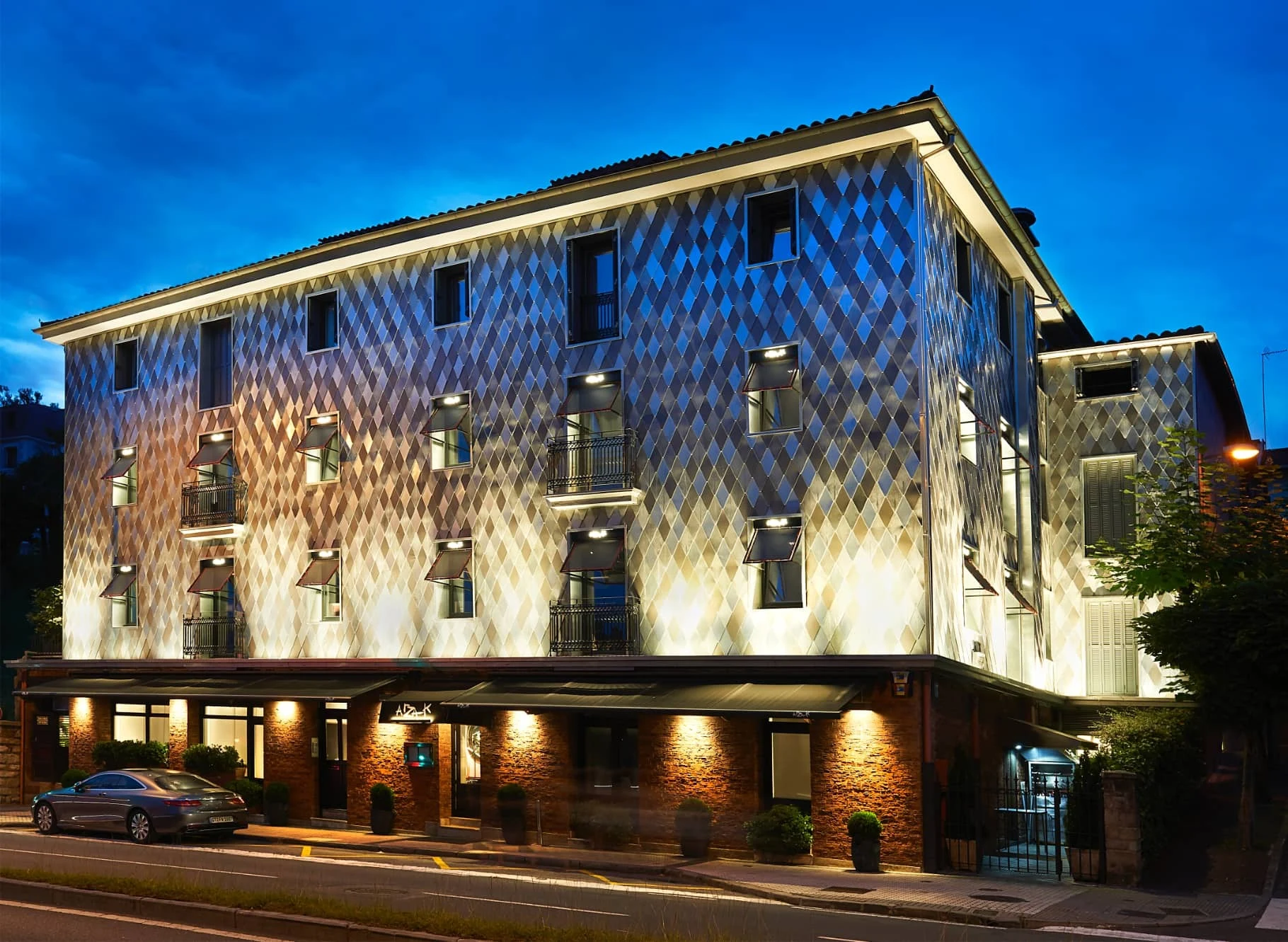
| Arzak | Michelin 3 Stars, World's 50 Best | Contemporary Basque Fine Dining | San Sebastián |
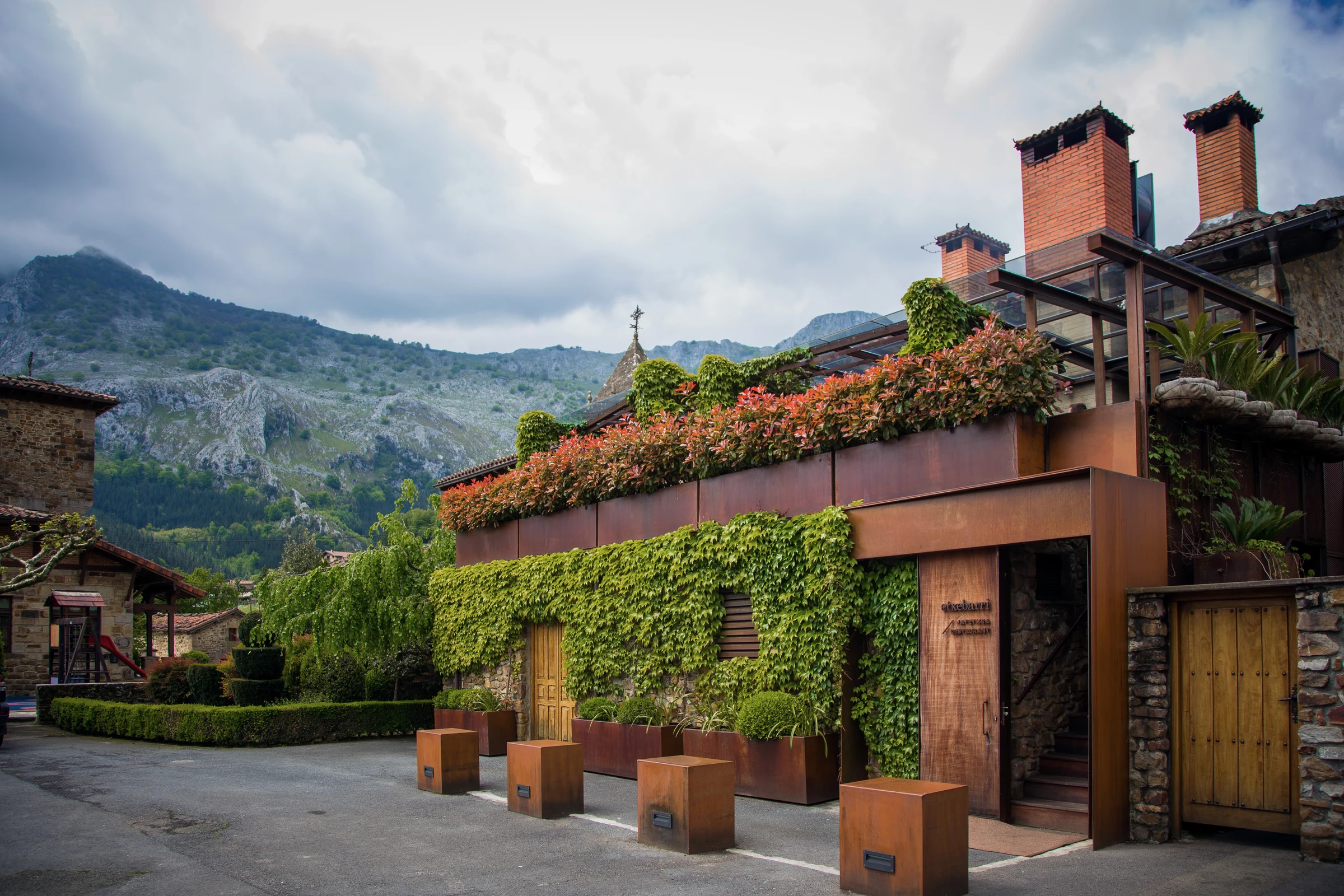
| Asador Etxebarri | Michelin 1 Star, World's 50 Best | Basque Wood-Fired Grill | Atxondo |
| Casa Marcial | Michelin 3 Stars | Modern Asturian Fine Dining | Arriondas |
| El Celler de Can Roca | Michelin 3 Stars, World's 50 Best | Creative Catalan Fine Dining | Girona |
| Ikoyi | Michelin 2 Stars, World's 50 Best | Modern West African Fine Dining | London |
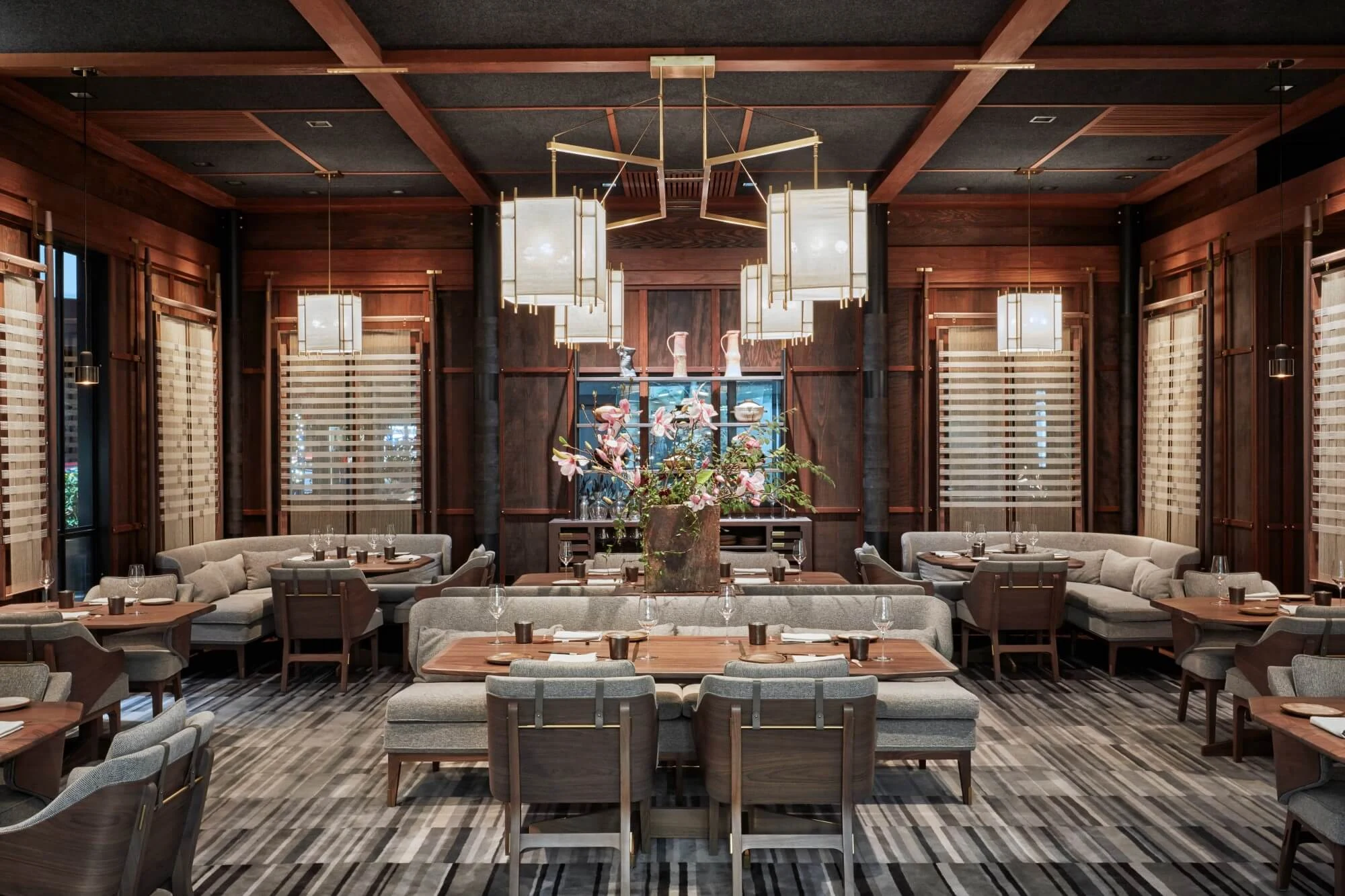
| Single Thread Farm | Michelin 3 Stars, World's 50 Best | Japanese-influenced Californian Kaiseki | Healdsburg |
In residence
Similar places
Contemporary Basque Fine Dining
Arzak
San Sebastián, Spain
★★★ · 50 Best
Basque Wood-Fired Grill
Asador Etxebarri
Atxondo, Spain
★ · 50 Best
Modern Asturian Fine Dining
Casa Marcial
Arriondas, Spain
★★★
Creative Catalan Fine Dining
El Celler de Can Roca
Girona, Spain
★★★ · 50 Best
Modern West African Fine Dining
Ikoyi
London, United Kingdom
★★ · 50 Best
Japanese-influenced Californian Kaiseki
Single Thread Farm
Healdsburg, United States
★★★ · 50 Best