Sushi Kumogaku
In Residence
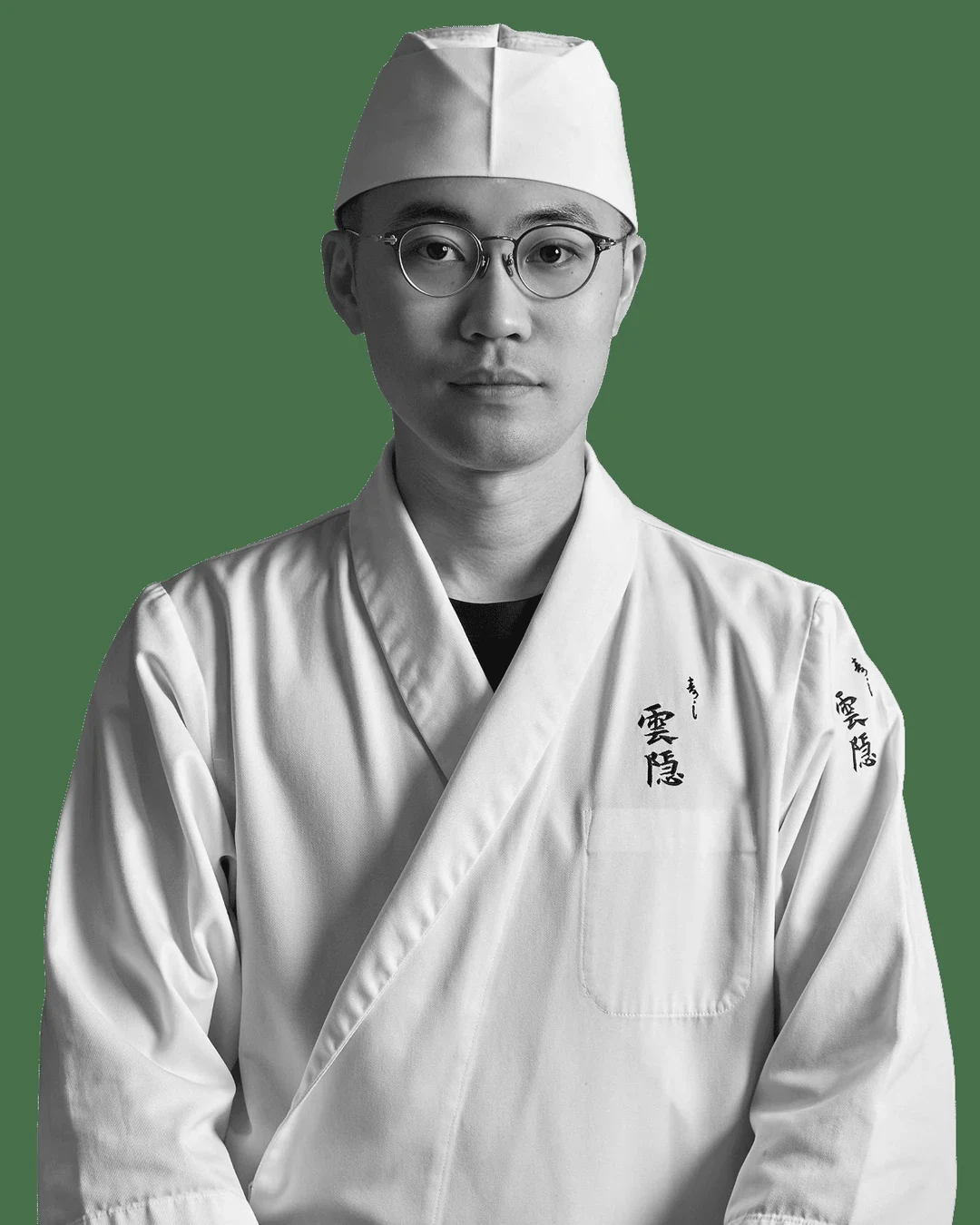
Chan Wing-Kin
Chef
- 01CuisineModern Edo-mae Omakase
- 02CityHong Kong, Hong Kong
- SCMP 100 Top Tables Restaurants · 2026
- Opinionated About Dining Top Restaurants in Asia Recommended · 2026
- Opinionated About Dining Top Restaurants in Asia Ranked #386 · 2025
- Opinionated About Dining Top Restaurants in Asia Ranked #388 · 2024
Central's Upper-Floor Counter Scene
Sushi Kumogaku is a Modern Edo-mae omakase counter in Central, Hong Kong, with a Google rating of 4.3 and an estimated price of about US$150 per person. Hong Kong's sushi market has never been tidier to read. At the leading end, a handful of Japanese-operated counters with direct Tokyo lineage command the kind of pricing and booking windows that place them in the same conversation as Sushi Shikon and Sushi Saito. Below that, a second tier has grown steadily: smaller, often locally-led counters that operate with genuine technical discipline but price and present themselves differently. Sushi Kumogaku sits in that second tier, and its trajectory over the past two years suggests the gap between the tiers is narrowing in ways that matter to anyone paying attention to where Hong Kong sushi is actually heading.
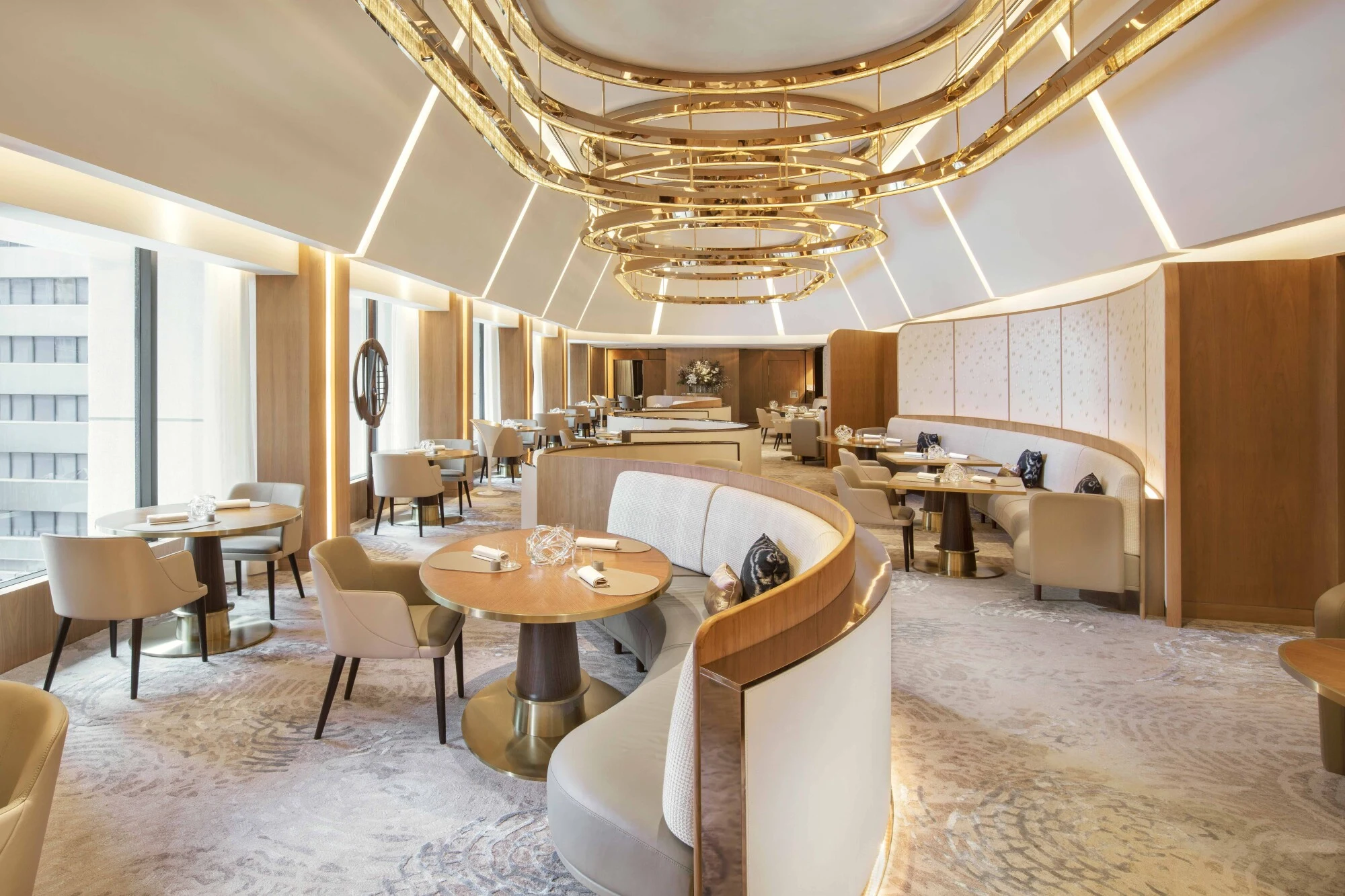
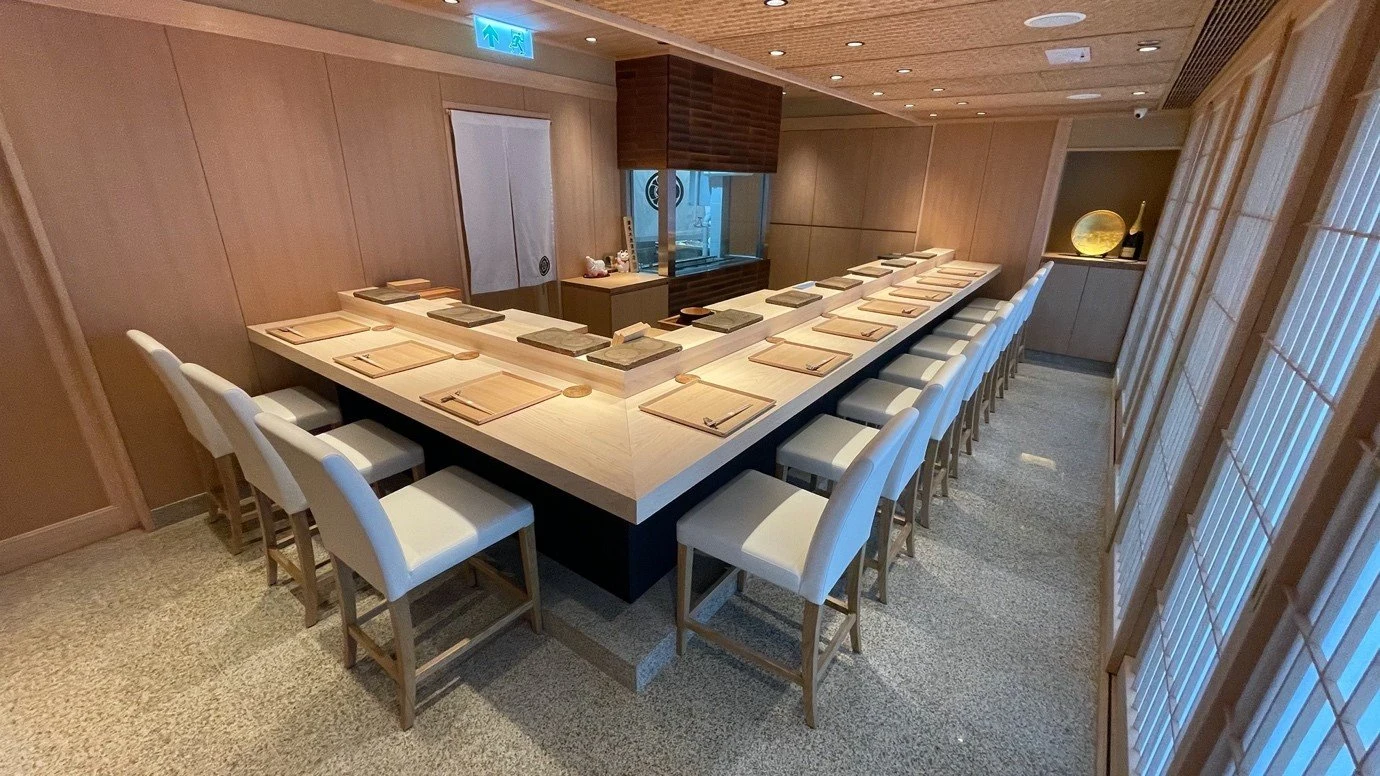
The address is useful context. H Code on Pottinger Street places the restaurant in Lower Central, a short walk from the financial district's core but far enough from the IFC and Four Seasons corridor that the clientele skews toward regulars and the informed rather than hotel guests working from a concierge list. The eighth floor setting means arrival involves a lift ride rather than a street-level entrance, a format common to serious omakase counters across Tokyo and increasingly replicated in Hong Kong as rents push premium dining off ground floors. What you encounter is a contained, focused environment where the meal is the architecture.
How the Counter Has Shifted
The editorial angle worth holding here is evolution. Sushi Kumogaku appeared on Opinionated About Dining's ranked list of Asia's leading restaurants in 2024, placed at number 388. By 2025, it had moved to number 386. That is a modest numerical shift, but on a list where competition within the Asia sushi category is dense and movement often reflects sustained quality rather than a single exceptional performance, the upward direction is a signal. The OAD methodology is weighted toward repeat visits by a broad network of experienced diners, which means a rise, however incremental, reflects accumulating consensus rather than a one-time impression.
In the broader arc of Hong Kong sushi, this kind of trajectory is representative of a category-wide maturation. A decade ago, the city's serious sushi options were almost entirely Japanese-owned and Japanese-staffed, with local talent functioning in supporting roles. That has shifted. Counters led by Hong Kong-born chefs with deep Japanese training now occupy a recognisable tier, and Sushi Kumogaku, with Chef Chan Wing-Kin at the counter, is part of that shift. The question is no longer whether a locally-led counter can operate at a credible level; several clearly can. The question is which of them are building the kind of consistent reputation that produces year-on-year recognition.
Placing Kumogaku in Its comparable set
Within Hong Kong's sushi circuit, the relevant comparison set includes Sushi Wadatsumi, Sushi Fujimoto, and Sushi Gin, each operating in the mid-to-upper band of the local counter market. What distinguishes this group from the city's hotel-attached Japanese dining rooms is a structural one: these are counters where the omakase format governs the entire experience, sourcing decisions are chef-led, and the room size keeps service ratios tight. The trade-off is that flexibility is limited and booking windows require planning. The return is a meal calibrated by a single hand rather than managed by committee.
Regionally, the comparison extends to counters in Singapore and Tokyo that operate in a similar tier. Shoukouwa and Hamamoto in Singapore occupy a comparable position in their local market, while Tokyo references like Harutaka, Sushi Kanesaka, and Edomae Sushi Hanabusa define the technical standard that informs serious counters across the region. Hong Kong diners who also eat at Sukiyabashi Jiro Roppongiten or Sushi Harasho in Osaka bring those reference points to a meal at Kumogaku, and the counter appears to hold up against that kind of informed scrutiny, as the OAD ranking implies.
Planning Your Visit
The table below positions Kumogaku against its nearest peers on the practical dimensions that matter for pre-trip planning.
| Venue | Format | OAD Asia Rank (2025) | Google Rating | Location |
|---|---|---|---|---|
| Sushi Kumogaku | Omakase counter | #386 | 4.3 (41 reviews) | Central (Pottinger St, 8/F) |
| Sushi Wadatsumi | Omakase counter | Ranked | , | Central |
| Sushi Fujimoto | Omakase counter | Ranked | , | Central |
| Sushi Gin | Omakase counter | Ranked | , | Central |
| Sushi Shikon | Omakase counter | Ranked | , | Central |
Kumogaku's Google score of 4.3 across 51 reviews is a thin sample by casual dining standards, but at this format and price tier, review volume is always lower.
Booking is essential. For visits timed around fish quality and sourcing, the cooler months from October through March align with the peak season for many of the premium Japanese species that define serious omakase in this region, including selections from the broader Pacific supply that Tokyo-trained chefs tend to prioritise. Sushi Sho in New York City offers a useful point of comparison for how small-counter omakase formats operate in non-Japanese cities with similar sourcing constraints.
What to Eat at Sushi Kumogaku
OAD recognition in the top 400 restaurants across Asia, sustained across two consecutive years, points toward a counter where the omakase sequence is the product. At this format, the eating decision is effectively made for you: the chef determines the progression, and the value of that arrangement is that sourcing and sequence are integrated rather than assembled from a printed menu. Chef Chan Wing-Kin's position at the counter signals a locally-trained hand operating within the Edomae framework, which in practice means rice temperature, vinegar balance, and neta ageing are the technical variables being judged by those who know the category. Diners arriving from Tokyo reference counters like Harutaka should adjust expectations for local sourcing realities while noting that the discipline being applied is drawn from the same tradition. The rice and the handling of fatty fish cuts are the logical points of focus for a first visit.
Questions
Frequently asked
Who works at Sushi Kumogaku?
Made By profiles Chan Wing-Kin (Chef) at Sushi Kumogaku.
How expensive is Sushi Kumogaku?
Sushi Kumogaku is listed at a price level of $$$$.
Where is Sushi Kumogaku and what does it serve?
Sushi Kumogaku is in Central, Hong Kong, serving Modern Edo-mae Omakase.
The field
How it compares
| Place | Cuisine | Notes | Awards |
|---|---|---|---|
| Sushi Kumogaku | Modern Edo-mae Omakase | Central, $$$$ | · |
| 8 1/2 Otto e Mezzo Bombana (Hong Kong) | 3 Michelin-Star Italian Fine Dining | Hong Kong | Michelin 3 Stars, World's 50 Best |
| Amber | Contemporary French Fine Dining | Hong Kong | Michelin 3 Stars, World's 50 Best |
| Caprice | Contemporary French Fine Dining | Hong Kong | Michelin 3 Stars, World's 50 Best |
| The Chairman | Traditional Cantonese | Hong Kong | Michelin 1 Star, World's 50 Best |
| Vea | Modern Chinese-French Fusion | Hong Kong | Michelin 1 Star, World's 50 Best |
| WING Restaurant | Modern Chinese Fine Dining | Hong Kong | World's 50 Best |
In residence
Similar places
3 Michelin-Star Italian Fine Dining
8 1/2 Otto e Mezzo Bombana (Hong Kong)
Hong Kong, Hong Kong
★★★ · 50 Best
Contemporary French Fine Dining
Amber
Hong Kong, Hong Kong
★★★ · 50 Best
Contemporary French Fine Dining
Caprice
Hong Kong, Hong Kong
★★★ · 50 Best
Traditional Cantonese
The Chairman
Hong Kong, Hong Kong
★ · 50 Best
Modern Chinese-French Fusion
Vea
Hong Kong, Hong Kong
★ · 50 Best
Modern Chinese Fine Dining
WING Restaurant
Hong Kong, Hong Kong
50 Best