The Dabney

In Residence
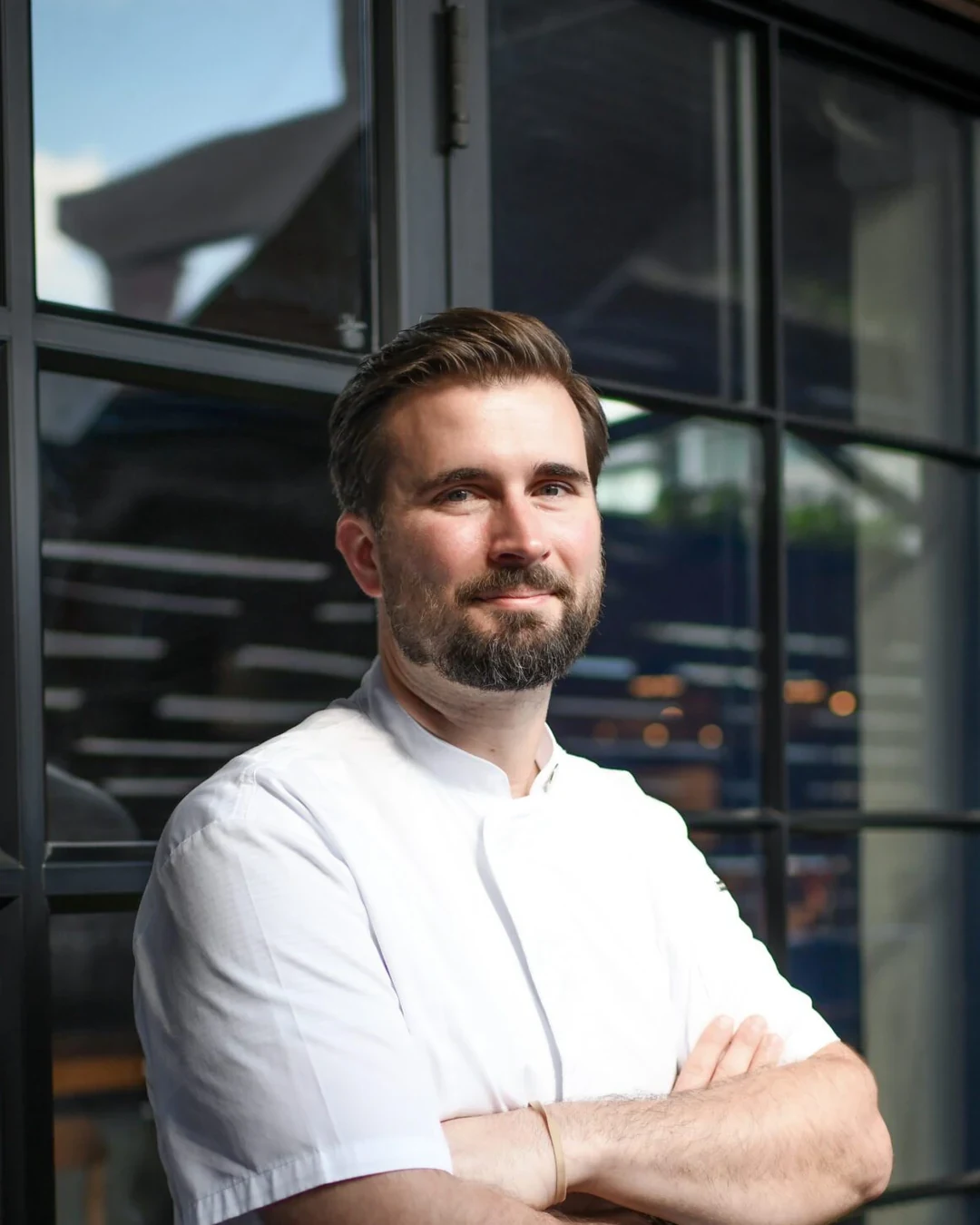
Daniel Todd
Bar Director
- 01CuisineWood-Fired Mid-Atlantic Fine Dining
- 02CityWashington DC, United States
- 03RecognitionOne Michelin Star
From the people index
Recommended by
4 trusted voices point here.


- 1 Michelin Star · Michelin Guide
- James Beard Winner · James Beard Foundation
- Washingtonian 100 Very Best Restaurants #15 · 2026
- James Beard Award Semi Finalist · 2025
- Michelin 1 Star · 2025
- We're Smart World 3 Radishes · 2025
- Opinionated About Dining Top Restaurants in North America Ranked #598 · 2024
- Michelin 1 Star · 2024
- Opinionated About Dining Gourmet Casual Dining in North America Ranked #199 · 2023
- James Beard Award Best Chefs · 2018
Blagden Alley and the Neighbourhood That Made It
Shaw's dining identity didn't arrive fully formed. For years the neighbourhood ran on carryout counters and corner bars before a wave of chef-driven openings repositioned it as one of Washington's most active dining corridors. That shift has a geography to it: Blagden Alley, a narrow brick passage off 9th Street NW, became the physical address of the change. The Dabney sits at 122 Blagden Alley, and its presence in that specific location matters. Alley restaurants in D.C. as in other cities, tend to attract a particular kind of regulars: people who know where they're going, who return rather than browse, and who measure loyalty in seasons rather than visits.
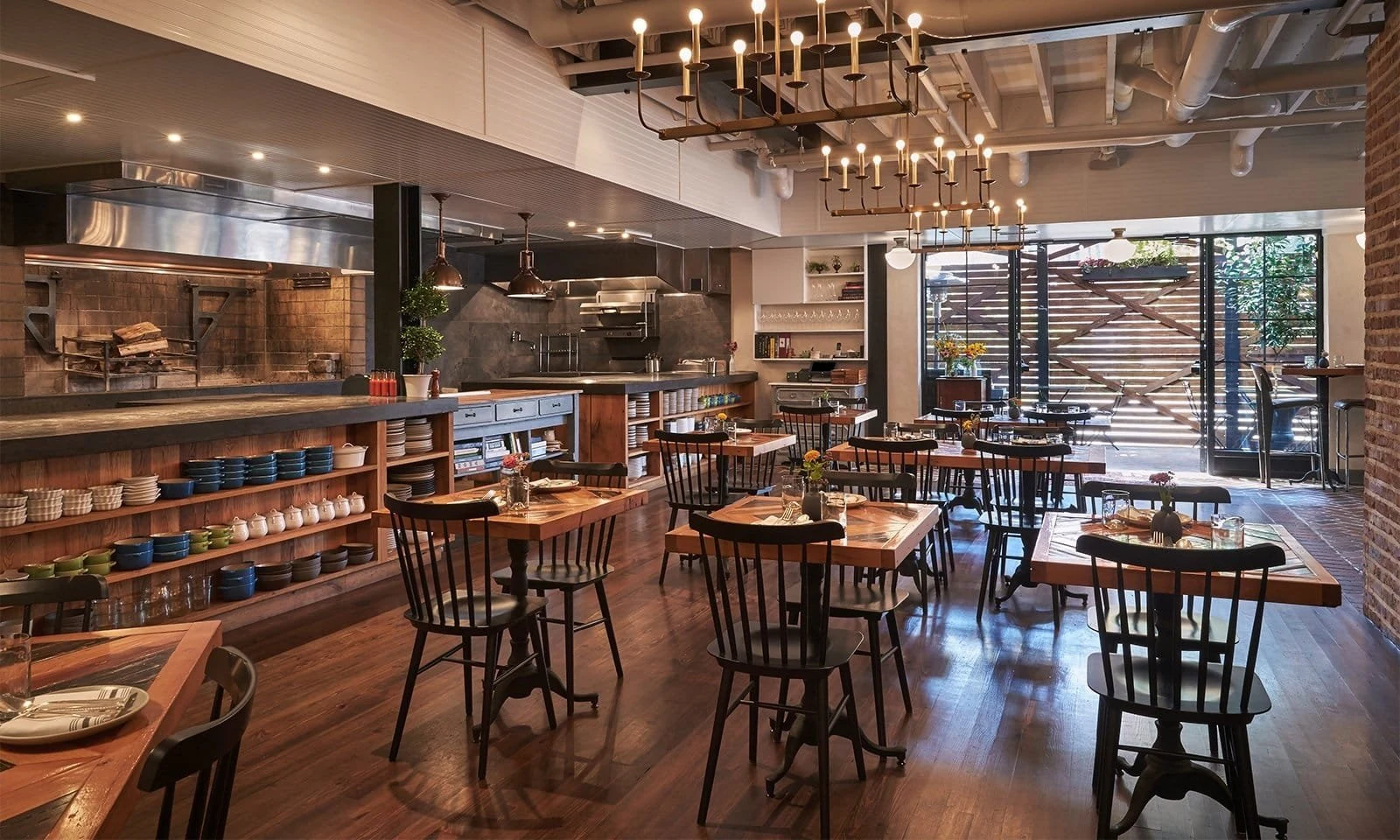
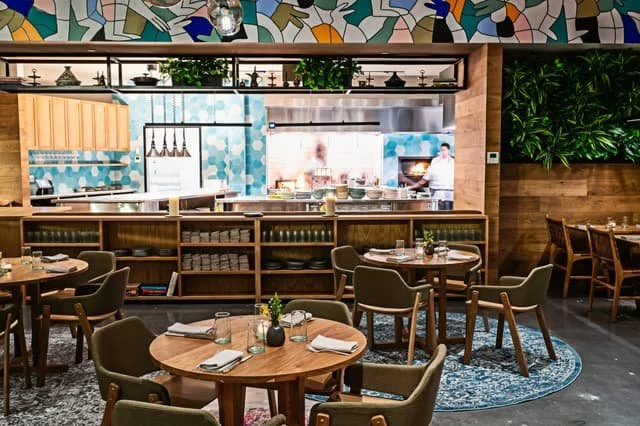
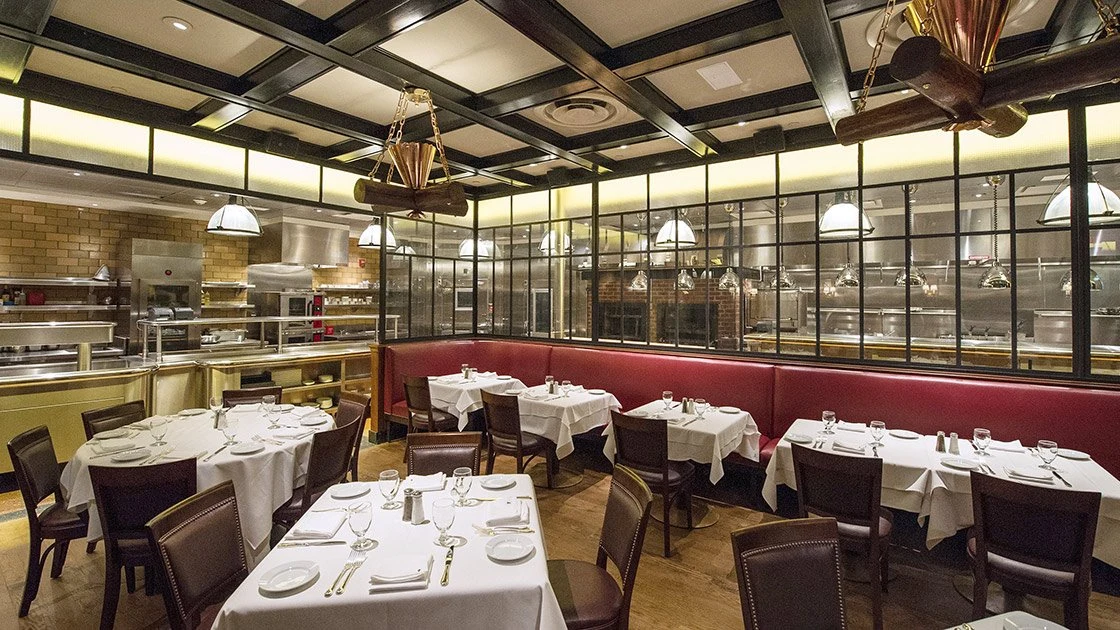
That return-visit culture is visible in how the room works. Exposed brick, light walls, and dark wood give the space a contemporary farmhouse register that doesn't try to be anything it isn't. The open kitchen, centred on a wood-fired hearth, is the architectural decision that defines the experience. Wood fire cooking at a restaurant of this tier signals a commitment to technique that dates back centuries but demands real discipline in a modern kitchen context. The hearth isn't decorative. It organises the entire menu logic.
The Sunday letter
Find new places through the people who run them.
Our Sunday email brings you the chefs, winemakers and hoteliers behind our newest stories. See a sample before you subscribe.
See a sample of the Sunday emailOne email a week. Unsubscribe from any issue.
Where Mid-Atlantic Cooking Stands Right Now
American regional cuisine has gone through a complicated reckoning over the past two decades. The farm-to-table framing that once felt radical has become so widespread as to be almost meaningless as a differentiator. What's replaced it in serious kitchens is something more specific: a genuine geography of sourcing, where the identity of the region shapes not just the ingredients but the cooking vocabulary. Mid-Atlantic cuisine is a particularly interesting case because the region itself spans multiple climates, coastlines, and agricultural traditions. Chesapeake Bay seafood, Appalachian produce, Eastern Shore farming, and the growing wine and spirits culture of Virginia all feed into what the region's kitchens can legitimately claim as their own.
Among Washington's Michelin-recognised addresses, The Dabney occupies a position distinct from the city's more globally inflected programs. Jônt and minibar by José Andrés work in contemporary and molecular idioms that are fundamentally international in their reference points. Albi draws on Middle Eastern tradition. Causa is Peruvian at its core. The Dabney's commitment is specifically to this region, which places it in a smaller comparable set that includes places like Single Thread Farm in Healdsburg and, to a degree, Lazy Bear in San Francisco: restaurants where the sourcing geography is both the constraint and the creative engine.
That regional focus carries a Southern accent in Langhorne's hands. Not heavy-handed, but present in the preference for smoke, char, and fermentation alongside the produce-forward plating that defines contemporary American fine dining. Oyster Oyster takes a different path through the same local-sourcing territory, working a vegetarian-focused program that has found its own recognition. The two restaurants together illustrate how seriously D.C.'s current dining generation is engaging with place-based cooking.
The Menu: Hearth Logic and Seasonal Range
The food at The Dabney arrives through two formats: a tasting menu and an à la carte selection. The tasting menu functions as the fuller expression of the kitchen's intentions, the sequence where the wood-fire cooking technique and the regional sourcing can develop their argument over multiple courses. The Michelin star reflects the kitchen's standing. The dual OAD placements are telling. They suggest a restaurant that competes credibly both in the formal tasting-menu tier and in the more accessible register that brings regulars back on ordinary evenings.
The menu's architecture leans into fruits, vegetables, spices, and fresh herbs at a level that distinguishes it from kitchens where produce plays a supporting role to protein. Ingredients sourced from Mid-Atlantic farmers, fishermen, and regional suppliers anchor every dish. Hearth-roasted vegetables over farro with whipped ricotta and herbs from a rooftop garden is the kind of dish that communicates the program clearly: local, technique-led, and assembled with enough detail that each element earns its place. The herbs from the rooftop are not a marketing detail. They're a logistical commitment that signals how closely the kitchen tracks its own sourcing chain.
Where protein appears, the approach is similarly deliberate. American wagyu grilled over coals, accompanied by eggplant prepared in multiple ways, is the kind of main dish that doesn't need amplification. The coal cooking is integral, not incidental. Observers of the menu have noted, however, that the kitchen's use of sweetness, including honey and natural syrups, can read as heavier than the produce-forward framing might suggest.
The snack course deserves specific mention. Pie crust tarts with pickled blueberries, granola crumble, and cheese fondue, alongside Madeira-compressed melon, position the opening of the meal in a register that's playful without being frivolous. These are the dishes where regional identity shows up in compressed form, and they set the tone for what follows more effectively than a written menu description can.
The Competitive Frame: D.C.'s Michelin Tier
Washington holds its own in any serious comparison of American dining cities. The Michelin guide's D.C. presence has given local restaurants access to a credentialing system that matters to both the international traveller and the local regular. At the level The Dabney occupies, the peer comparison extends well beyond the city. Restaurants like Le Bernardin in New York City, Alinea in Chicago, and The French Laundry in Napa represent the upper register of American fine dining, while Atomix in New York City and Emeril's in New Orleans illustrate how differently cities have built their high-end dining identities. The Dabney's regional specificity is its strongest differentiator in that national company. It is not trying to compete with abstract cosmopolitan fine dining. It is making a case for a place.
6 across more than 1,200 reviews suggests the restaurant functions well across both the tasting-menu occasion and the more casual visit. That breadth of appeal, maintained without diluting the kitchen's standards, is harder to achieve than it looks.
Know Before You Go
- Address: 122 Blagden Alley NW, Washington, DC 20001
- Hours: Tuesday to Thursday 5:30 PM – 9:30 PM | Friday to Saturday 5:30 PM – 10:00 PM | Sunday and Monday closed
- Price: $$$$
- Awards: Michelin 1 Star (2024) | OAD Leading Restaurants in North America #598 (2024) | OAD Gourmet Casual Dining in North America #199 (2023) 6 (1,217 reviews)
- Chef: Jeremiah Langhorne
- Cuisine: Mid-Atlantic, American
- Planning note: The alley entrance requires knowing the address in advance; rideshare drop-off on 9th Street NW is one direct approach. Dinner service runs Tuesday through Saturday only.
Frequently Asked Questions
What do regulars order at The Dabney?
The tasting menu is where the kitchen's sourcing and hearth technique are most fully expressed, and it's the format that draws sustained critical attention. Among the dishes that appear consistently in documented coverage: the pie crust tart with pickled blueberries and cheese fondue as an opening snack, hearth-roasted vegetables over farro with whipped ricotta and rooftop herbs, and American wagyu over coals with eggplant prepared multiple ways. The produce-driven dishes, particularly those built around spices and fresh herbs, are where the kitchen's Mid-Atlantic identity is clearest. For those returning on a more casual basis, the à la carte selection provides access to the same sourcing and technique at a lower commitment level.
Questions
Frequently asked
What recognition does The Dabney hold?
The Dabney holds 1 Michelin star and a James Beard award.
Who works at The Dabney?
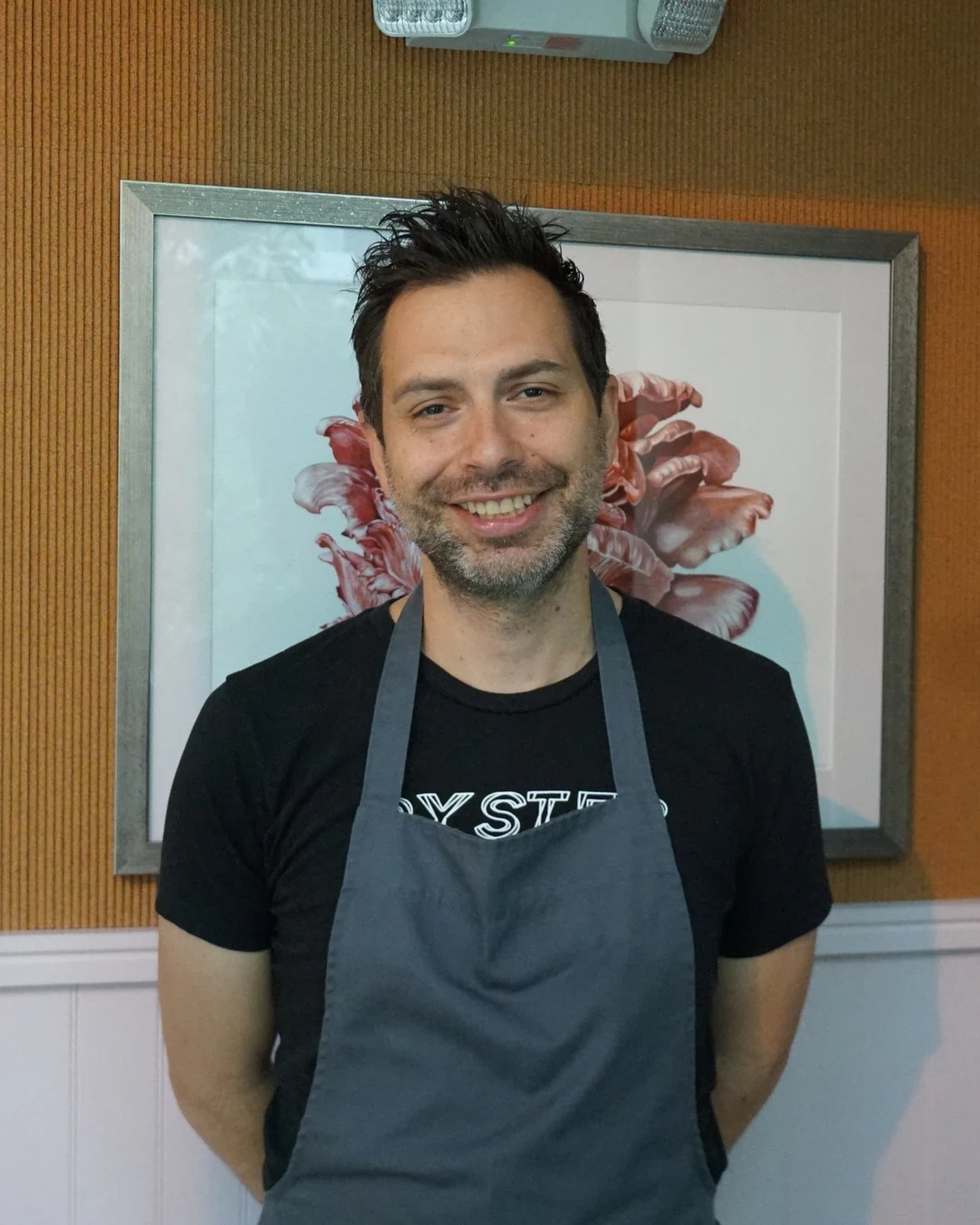
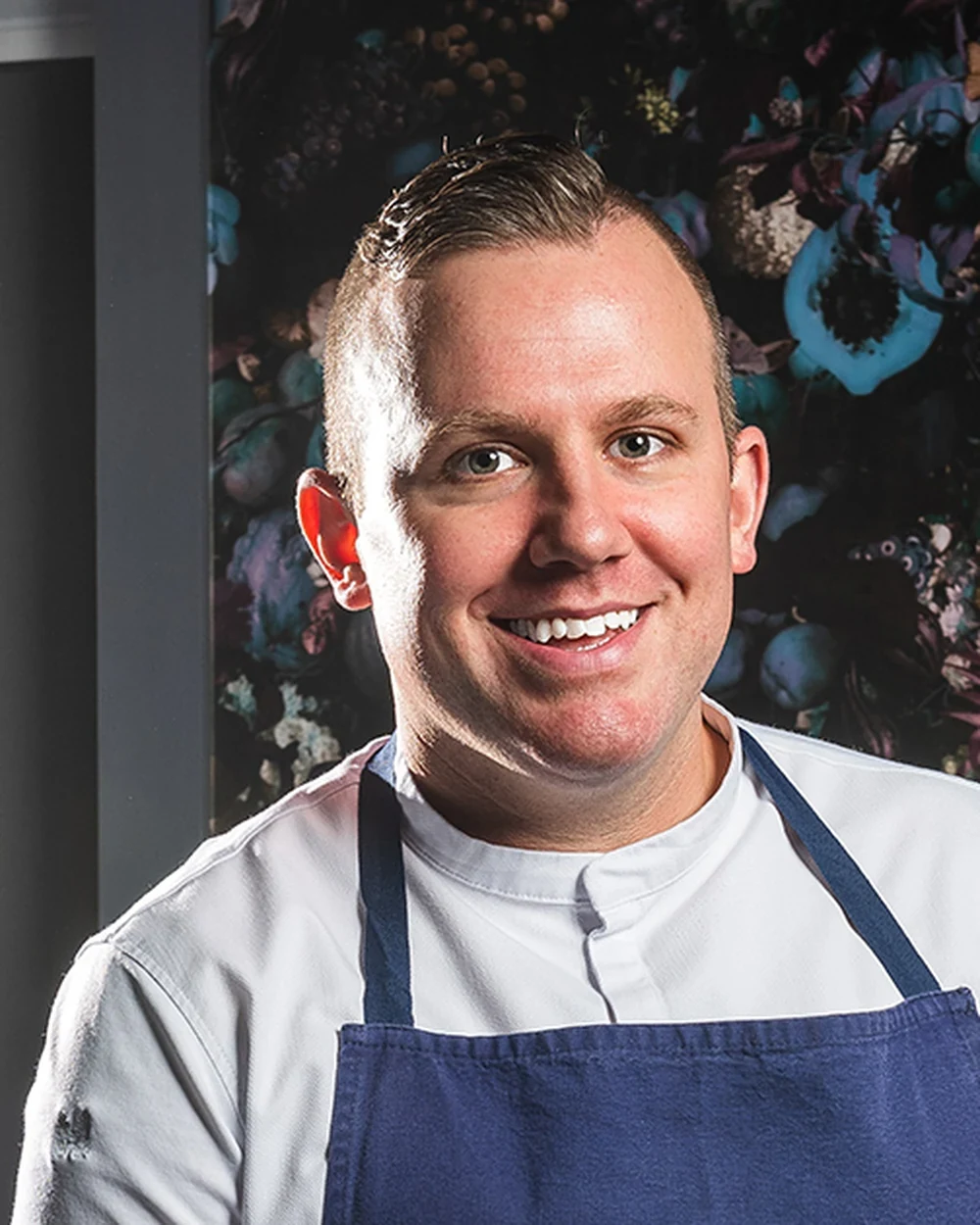
Made By profiles Daniel Todd (Bar Director) and Jeremiah Langhorne (Chef) at The Dabney.
How expensive is The Dabney?
The Dabney is listed at a price level of $$$$.
Where is The Dabney and what does it serve?
The Dabney is in Shaw, Washington DC, serving Wood-Fired Mid-Atlantic Fine Dining.
The field
How it compares
| Place | Awards | Cuisine | Notes |
|---|---|---|---|
| The Dabney | Michelin 1 Star, James Beard | Wood-Fired Mid-Atlantic Fine Dining | Shaw, $$$$ |
| Albi | Michelin 1 Star, World's 50 Best | Modern Levantine Fine Dining | Washington DC |
| Dōgon | World's 50 Best | Modern Afro-Caribbean | Washington DC |
| Jônt | Michelin 2 Stars | Modern Japanese Fine Dining | Washington DC |
| minibar | Michelin 2 Stars | Avant-Garde Molecular Gastronomy | Washington DC |
| Moon Rabbit | World's 50 Best | Creative Vietnamese-Cajun Fusion | Washington DC |
| Oyster Oyster | Michelin 1 Star | Modern Vegetable-Focused Tasting Menu | Washington DC |
Producers
Sourced from / Made with
In residence
Similar places
Modern Levantine Fine Dining
Albi
Washington DC, United States
★ · 50 Best
Modern Afro-Caribbean
Dōgon
Washington DC, United States
50 Best
Modern Japanese Fine Dining
Jônt
Washington DC, United States
★★
Avant-Garde Molecular Gastronomy
minibar
Washington DC, United States
★★
Creative Vietnamese-Cajun Fusion
Moon Rabbit
Washington DC, United States
50 Best
Modern Vegetable-Focused Tasting Menu
Oyster Oyster
Washington DC, United States
★
The Sunday letter
Get the next Made By story in your inbox.
We send one email every Sunday morning with the places and people we covered that week.
See a sample of the Sunday emailOne email a week. Unsubscribe from any issue.