The Camelback Corridor and the Architecture of the Comfortable Room
Phoenix's Camelback Road has a particular gravitational pull in the city's dining geography. Between Arcadia and the stretch approaching 24th Street, the corridor concentrates a tier of restaurants that aim for something more considered than a neighbourhood bar but stop short of the austere formality that marks destination dining in denser cities. Vincent Guerithault on Camelback has held this strip's standard for French Southwestern cooking for decades; newer arrivals have had to earn their place alongside that kind of tenure. The Gladly, at 2201 E Camelback Rd, Phoenix, is a New American restaurant in the city's mid-to-upper dining tier, with a price point around $50 per person.
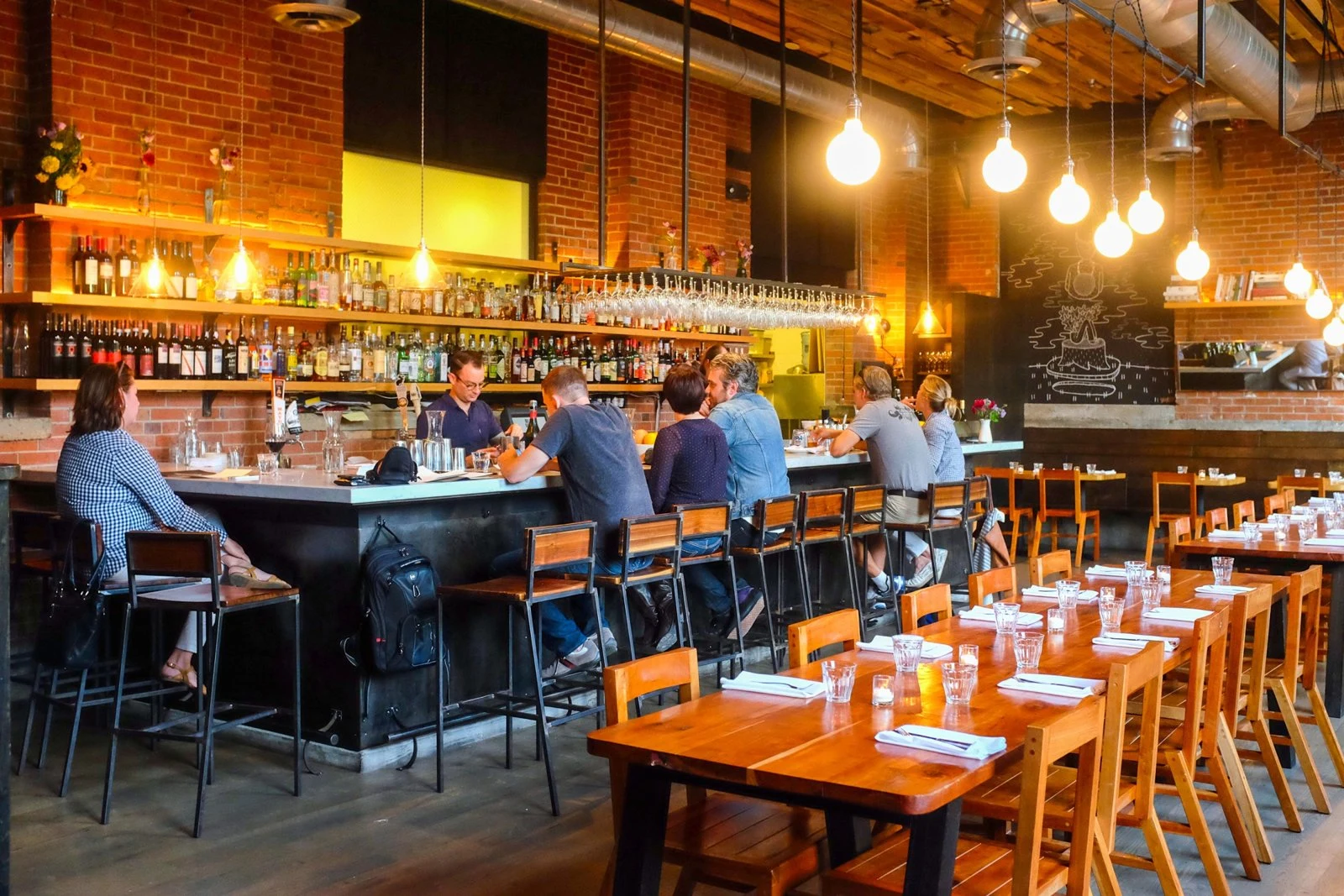
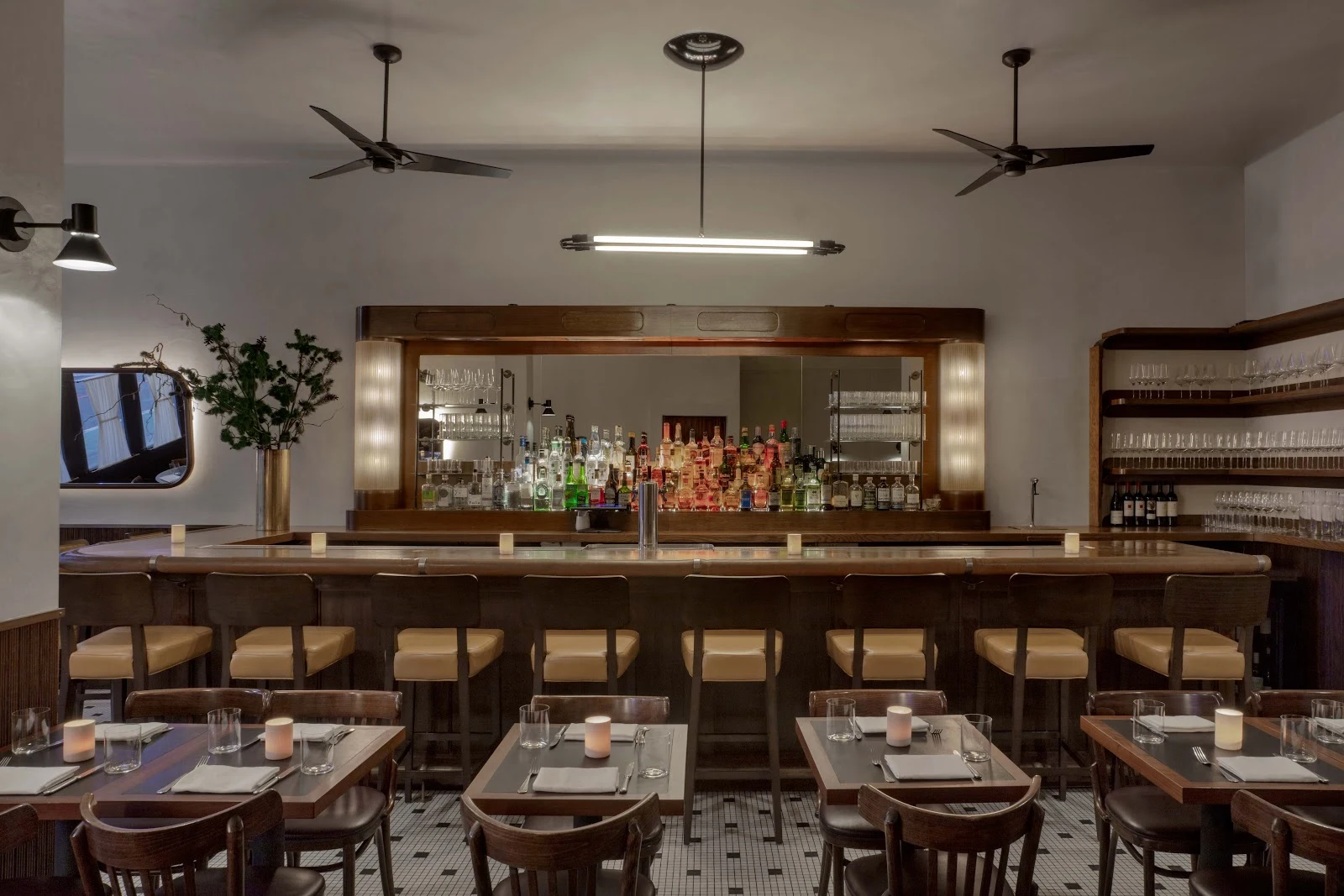
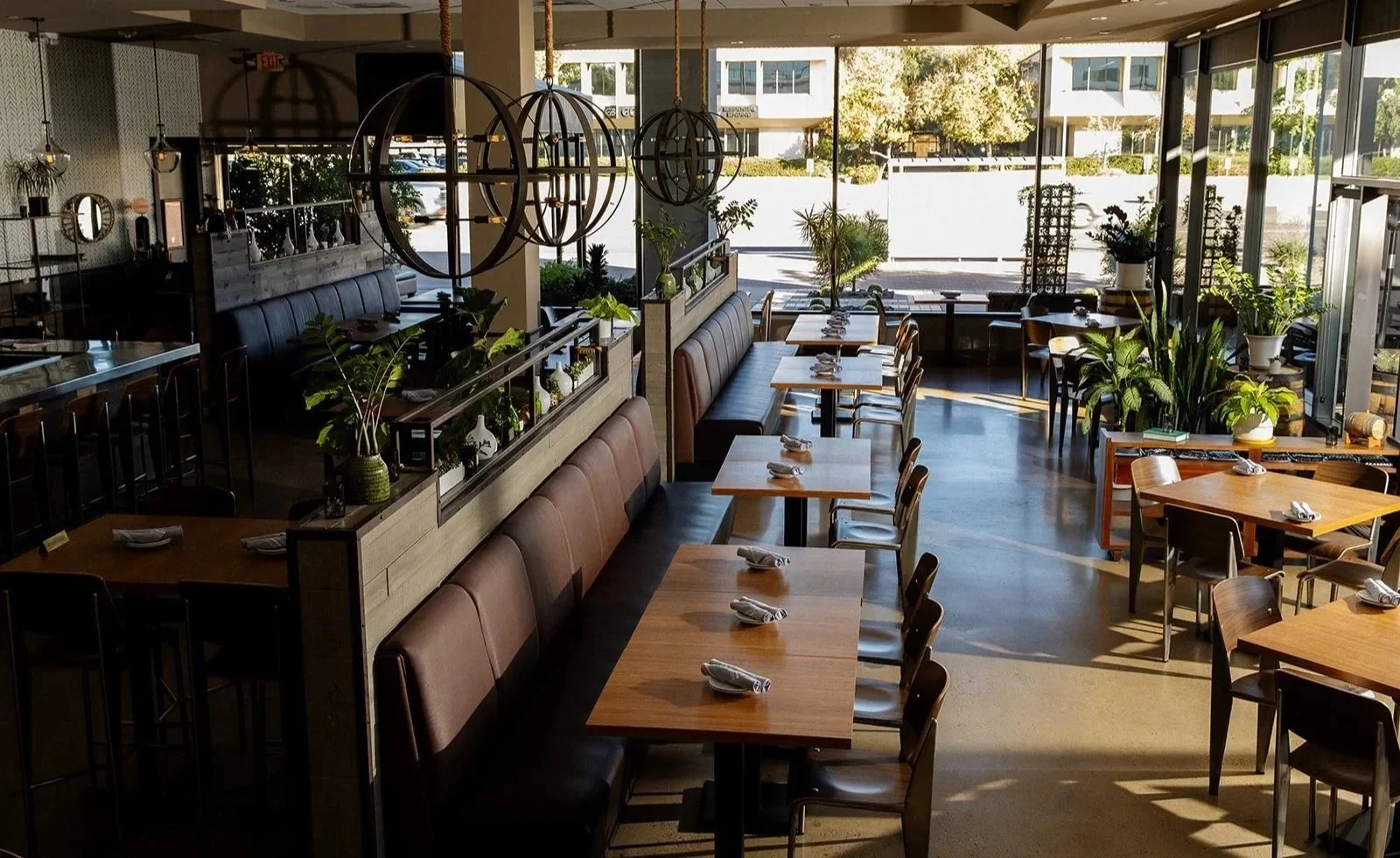
That spatial confidence is the first thing the design communicates. In a city where interiors often default to either sun-bleached Southwest pastiche or the generic dark-wood minimalism of a coast-imported hospitality concept, a room that commits to its own visual logic tends to register differently. The Gladly's interior has the proportions of a room that was thought through at the planning stage rather than fitted out after the fact, sightlines that work, acoustic management that allows conversation at a reasonable volume, and a relationship between bar and dining room that doesn't force a choice between the two modes of an evening. This is harder to achieve than it sounds, and in Phoenix's mid-to-upper dining tier, it remains less common than the market would suggest.
What the Room Signals About the Experience
In American restaurant design, the physical container increasingly functions as the first editorial statement a kitchen makes. At the tier where The Gladly operates on Camelback, guests are making a decision about how they want to spend two hours, not just what they want to eat. The room has to carry that weight. Venues that have solved this problem elsewhere, Lazy Bear in San Francisco, Single Thread Farm in Healdsburg, or at the further end of the ambition spectrum, Alinea in Chicago, each use their physical space as a direct extension of their culinary argument. The Gladly operates at a different price point and with a different proposition, but the underlying principle holds: a room that feels considered signals a kitchen and a front-of-house that are similarly considered.
Phoenix has been building this kind of mid-upper tier for the better part of a decade, and The Gladly represents one of its more durable entries. The address itself matters. Camelback's restaurant density means guests often have multiple options within a short distance, which raises the stakes for each individual room to justify its claim on the evening. The Gladly's longevity on the strip is, in itself, a data point: in a market where turnover at this tier runs high, staying power signals a repeat-visitor base that the room has earned rather than inherited.
Phoenix's Broader Dining Context
Understanding where The Gladly fits requires a working map of Phoenix's dining tier structure. At one end sits the city's most casual and culturally specific registers: Bacanora, which has built serious credibility in Sonoran cooking, and Lom Wong, which operates with similar integrity in Thai cooking. At the other end, the city's fine-dining aspirations trend toward nationally recognised programs. The Gladly sits in the practical middle: a room pitched at the guest who wants a proper evening out, with food and drink that meet a clear competence standard, without the reservation anxiety or tasting-menu commitment of the city's most ambitious tables.
It's also where design choices carry the most commercial weight. The guest at this price point is comparing the room against a broader set of alternatives than the guest at a two-hundred-dollar tasting menu, who has already committed. The Gladly has navigated that competitive pressure by maintaining a physical environment that justifies the repeat visit.
Across the wider American dining scene, the addresses that tend to hold their ground at this tier, not the headline-grabbing newcomers but the restaurants that matter to a city over time, are often those with the clearest sense of what kind of room they are. Le Bernardin in New York City, Providence in Los Angeles, and Addison in San Diego operate at different scales and price brackets but share a coherence between their physical container and their culinary proposition. The lesson scales down: at any tier, the most durable restaurants know what kind of place they are.
Phoenix visitors building an itinerary around the city's better tables would do well to anchor around the Camelback Corridor and branch outward. Pane Bianco handles the daytime register at a different but related level of care, and 5 & Diner covers the late-night and casual end without pretension.
Questions
Frequently asked
Who works at The Gladly?
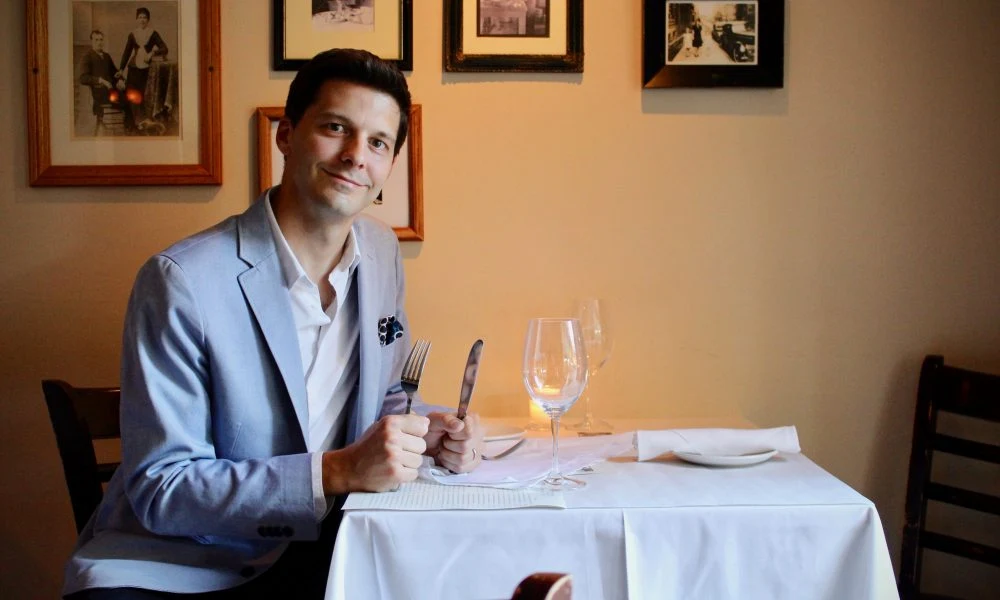
Made By profiles Andrew Fritz (Co-Owner / Operator) at The Gladly.
How expensive is The Gladly?
The Gladly is listed at a price level of $$$.
Where is The Gladly and what does it serve?
The Gladly is in Colony Biltmore Iv, Phoenix, serving New American.
The field
How it compares
| Place | Cuisine | Notes | Awards |
|---|---|---|---|
| The Gladly | New American | Colony Biltmore Iv, $$$ | · |
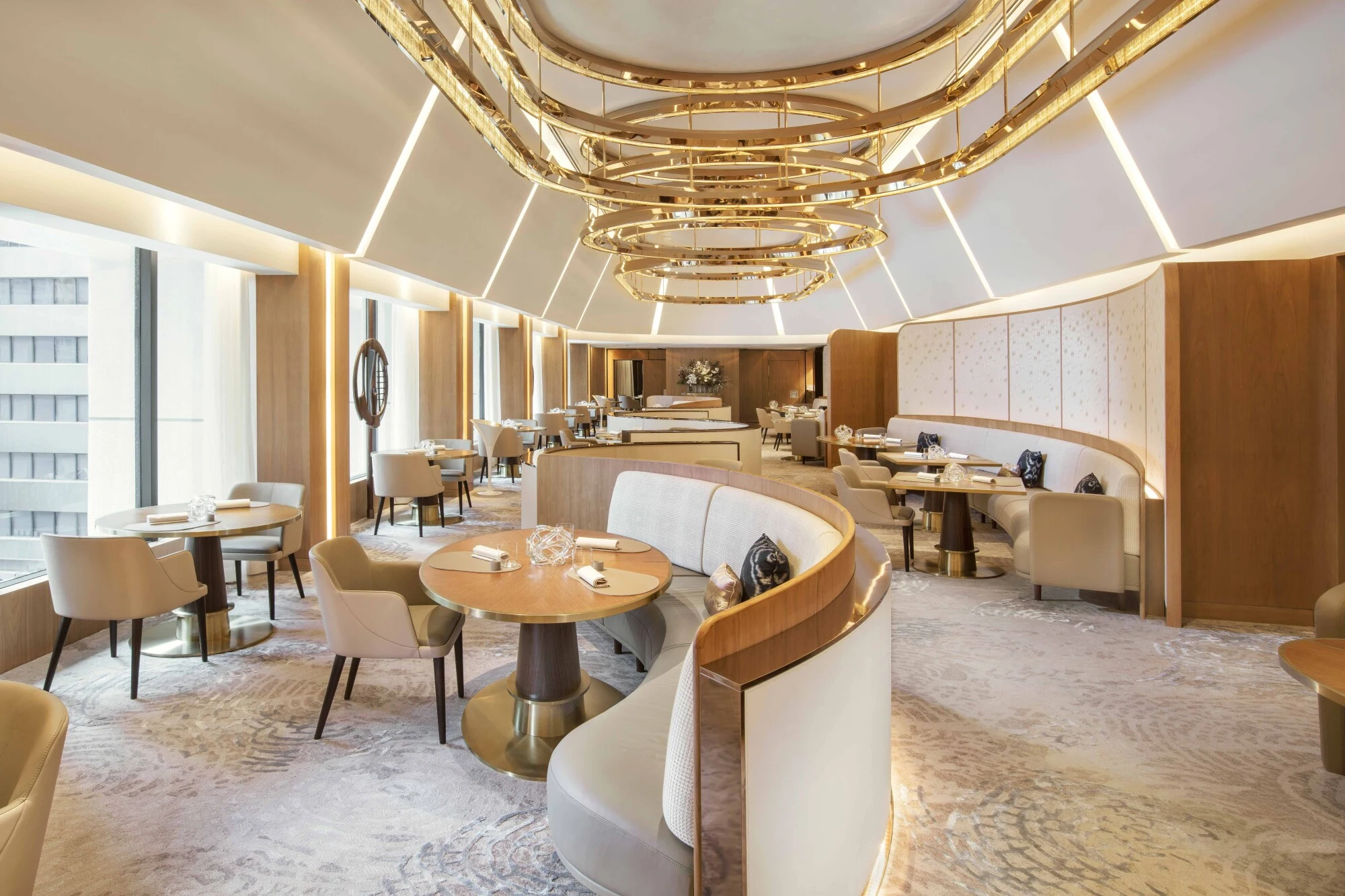
| Amber | Contemporary French Fine Dining | Hong Kong | Michelin 3 Stars, World's 50 Best |
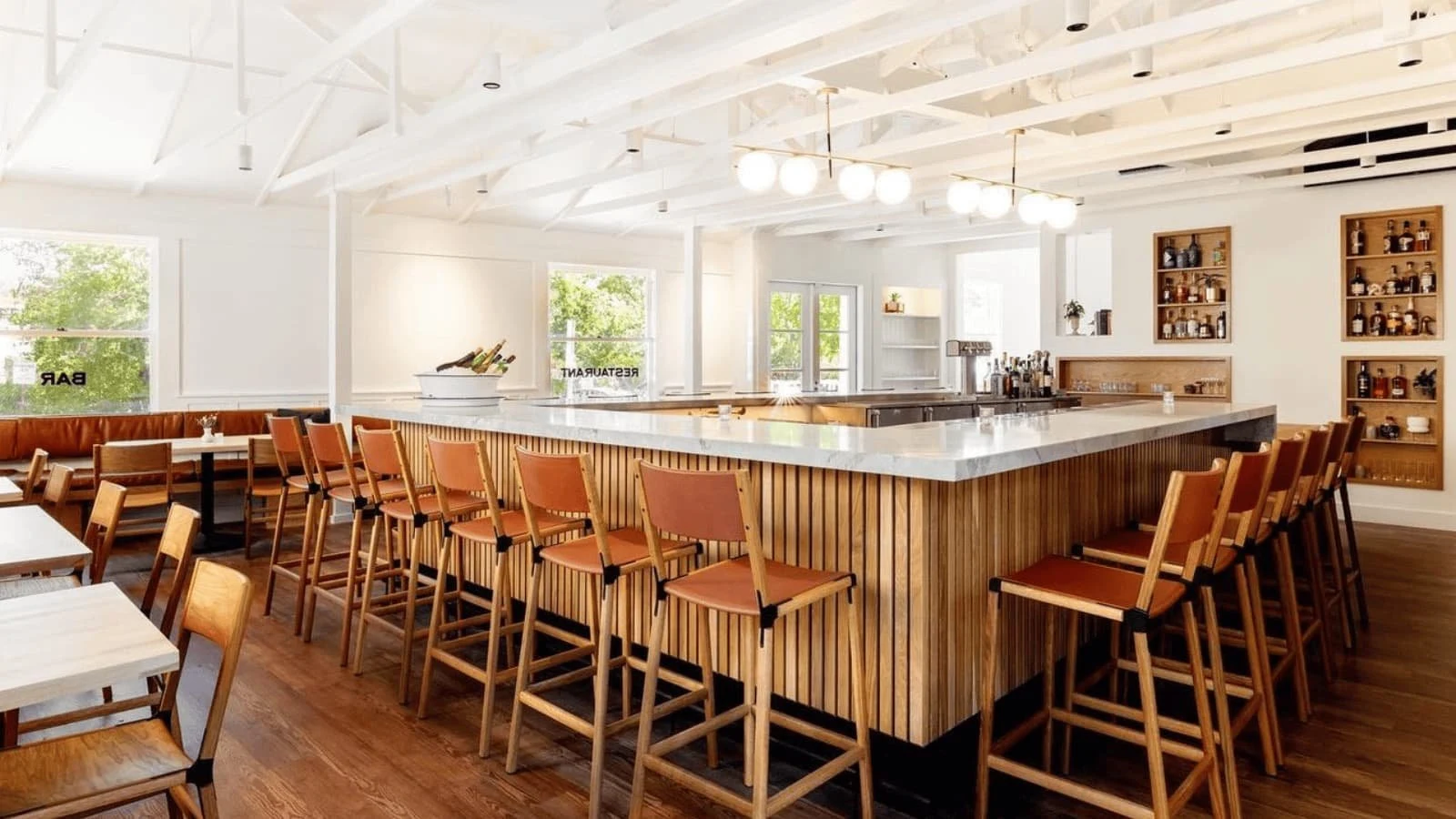
| Charlie's Napa Valley | New American | St. Helena | · |
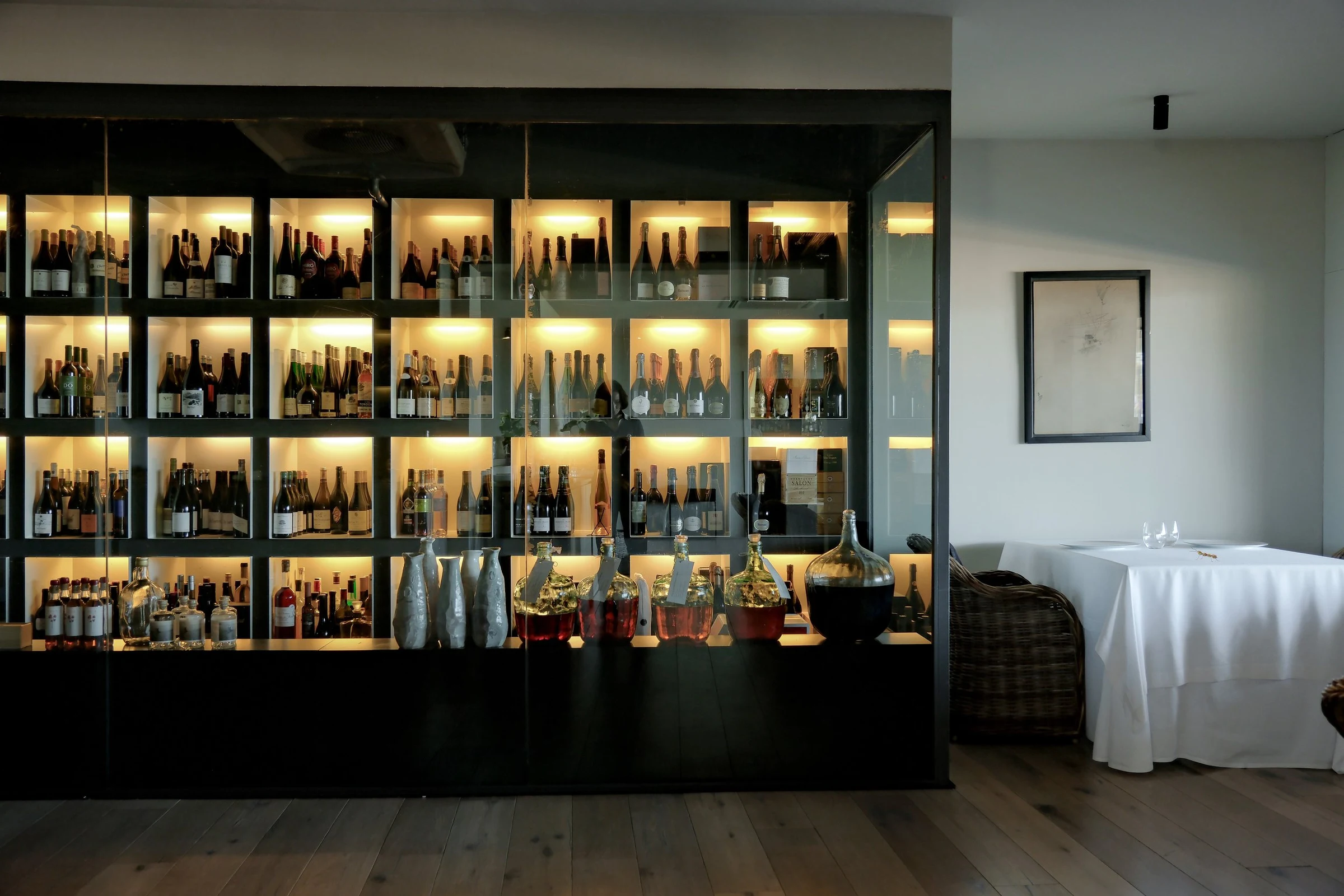
| Miramar | Modern Mediterranean Seafood | Llançà | Michelin 2 Stars |
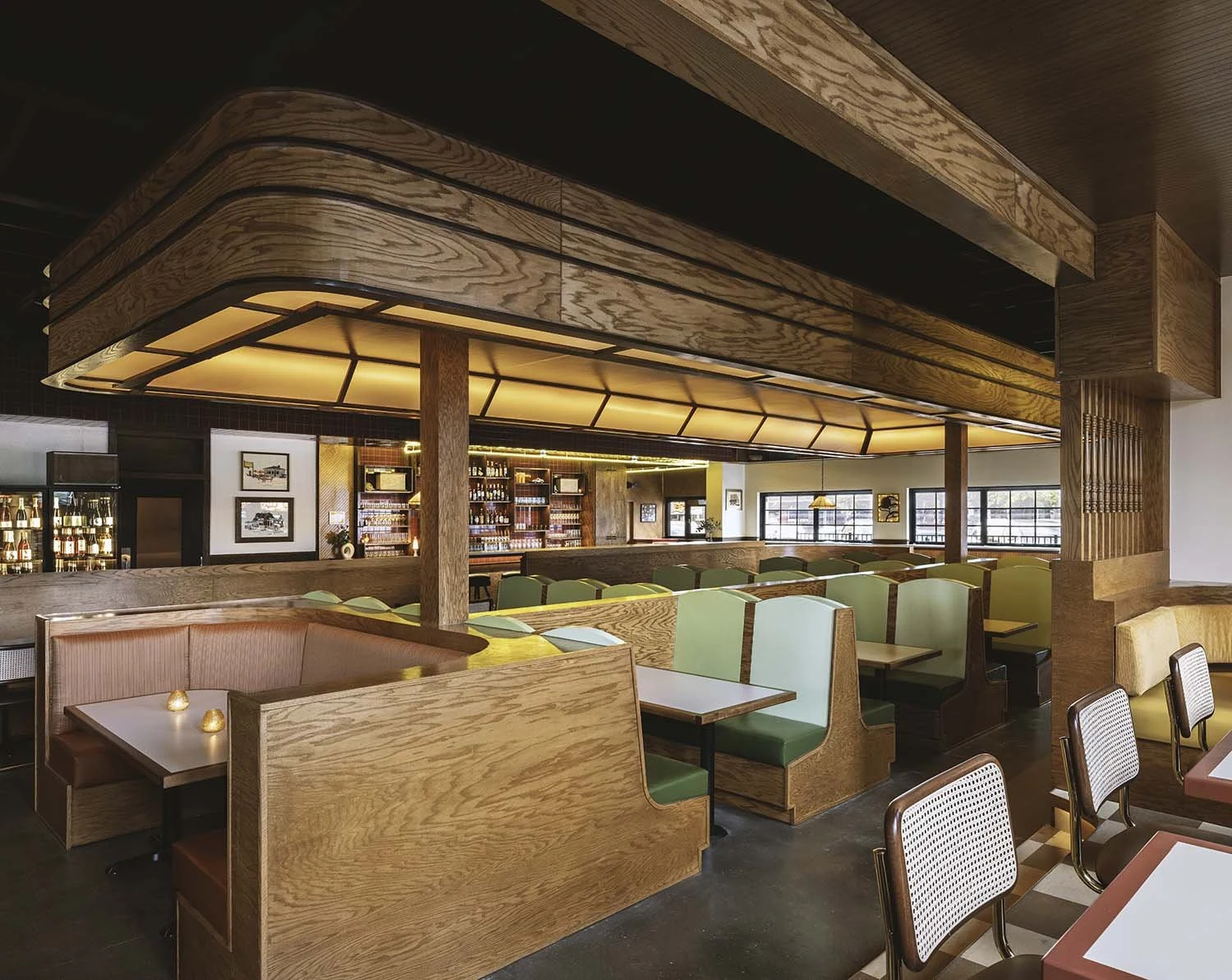
| nobie's | New American | Houston | · |
| Rolf & Daughters | New American | Nashville | · |
| The Noortwyck | New American | New York City | · |
In residence
Similar places
Contemporary French Fine Dining
Amber
Hong Kong, Hong Kong
★★★ · 50 Best
New American
Charlie's Napa Valley
St. Helena, United States
Modern Mediterranean Seafood
Miramar
Llançà, Spain
★★
New American
nobie's
Houston, United States
New American
Rolf & Daughters
Nashville, United States
New American
The Noortwyck
New York City, United States