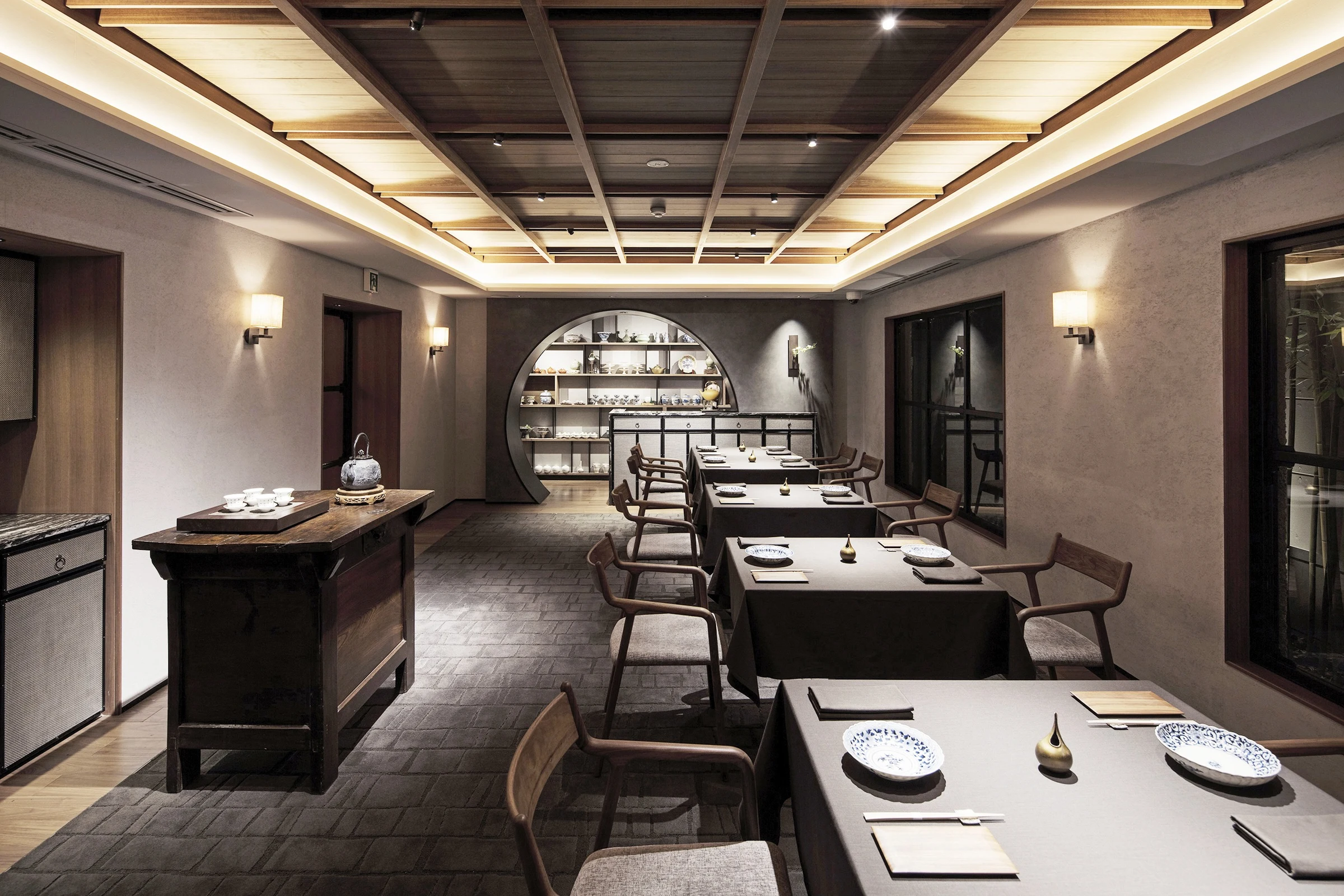
Twin Farms Restaurant
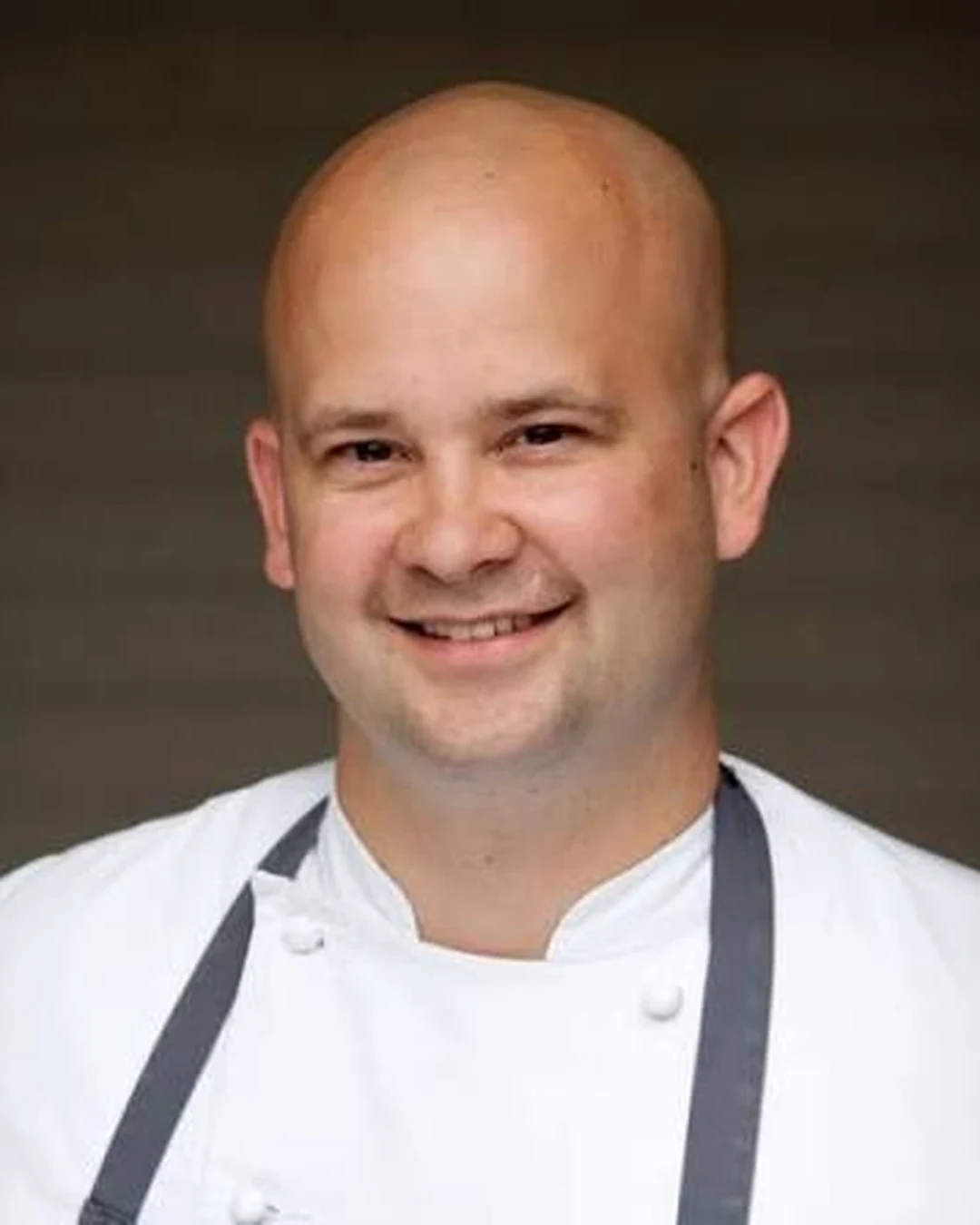
In Residence
Nathan Rich
Chef
- 01CuisineFarm-to-Table Fine Dining
- 02CityBarnard, United States
- Relais Chateaux Award · 2026
- Relais Chateaux Award · 2025
- World's Best Wine Lists Awards WBWL 3-Star · 2025
Where the Meal Begins Outside
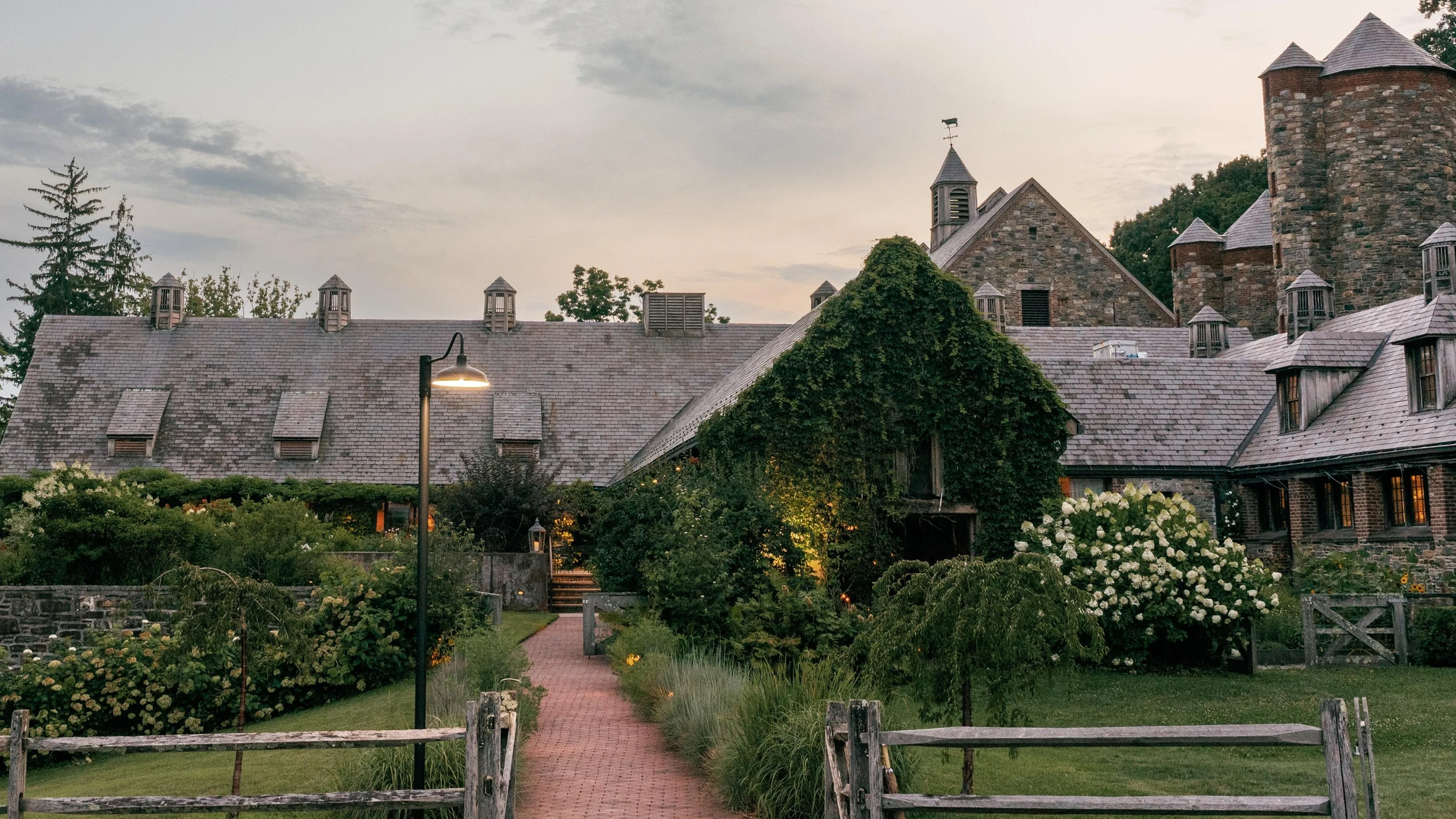
The approach to Twin Farms sets expectations that the kitchen is then asked to meet. Forest gives way to wildflower meadows, private cottages sit at intervals across the estate, and by the time a guest reaches the dining room, the boundary between the property's working landscape and what will arrive on the plate has already blurred. This is not incidental to the experience, it is the premise of it. American farmhouse cooking, at its most disciplined, treats provenance as the first course. At Twin Farms, that logic operates at the property level: the estate, the sourcing relationships, and the seasonal calendar function as a single system, with the restaurant as the point where that system becomes visible.
Vermont has long supplied the structural conditions for this kind of kitchen. The state's short growing season creates compression, flavors concentrate, harvests are finite, and any menu that takes seasonal sourcing seriously must rotate hard and rotate fast. That pressure produces a cooking style defined less by technique than by timing, and it rewards kitchens that have strong relationships with the land around them. Twin Farms, located at 160 Bank St, Burlington, VT 05401, United States, operates within that tradition.
The Farmhouse Tradition and Where Twin Farms Sits Within It
Farm-to-table as a category has stratified considerably since the phrase entered common use in the 1990s. At the entry tier, it functions largely as marketing language, a menu note about a local farm that may or may not define what actually arrives on the plate. At the serious tier, farm-to-table implies a sourcing infrastructure: direct relationships with growers, kitchen calendars built around harvest windows rather than fixed menus, and a willingness to let supply dictate direction. The upper tier includes properties like Blue Hill at Stone Barns in Tarrytown and The Barn at Blackberry Farm in Walland, both of which operate estate-integrated dining programs where the land is not backdrop but infrastructure.
Twin Farms belongs to this cohort. The all-inclusive format reinforces the point: when guests are on property for multiple nights, the kitchen serves not as a single-visit destination but as a sustained expression of place. That changes the calculus of what the cooking needs to do. A tasting menu at a standalone urban restaurant must deliver complete impact in one sitting. A dining program embedded in a residential estate experience can afford to work across days, varying register and emphasis as guests move through the property's rhythms. Restaurant at Winvian Farm in Morris operates under a comparable model in Connecticut, offering a useful regional reference point for what estate-integrated American farmhouse cooking looks like when executed at full commitment.
Chef Nathan Rich leads the Twin Farms kitchen. Within the American farmhouse tradition, the relevant credential is not culinary school lineage but sourcing depth and seasonal command, and the kitchen's positioning within an all-inclusive estate property suggests both are taken seriously here. Comparable commitments at properties across the country, from Single Thread Farm in Healdsburg to The Inn at Little Washington, confirm that this tier of estate dining competes on sourcing discipline and seasonal specificity as much as on classical technique.
American Farmhouse Cooking Against a Wider Field
It is worth placing Twin Farms against a broader national field to understand what it represents. Progressive American kitchens at the top of the market, from Lazy Bear in San Francisco to Alinea in Chicago, compete on technical ambition and conceptual architecture. Seafood-focused rooms like Le Bernardin in New York City and Providence in Los Angeles operate within a different register entirely. The farmhouse tradition Twin Farms represents is neither of these things. It is less interested in spectacle than in fidelity, to a specific piece of land, to seasonal supply, and to a guest experience where the meal is one component of a larger residential encounter with place.
That positioning makes direct comparison to urban destination restaurants somewhat beside the point. The French Laundry in Napa and Addison in San Diego each draw guests who have traveled specifically for the meal. Twin Farms draws guests who have traveled for the estate, with the restaurant as a central pillar of that stay. The ambition is different, and the metric for success is accordingly different: not the single extraordinary dinner but the sustained coherence of food, landscape, and accommodation across multiple days.
The Estate as Context
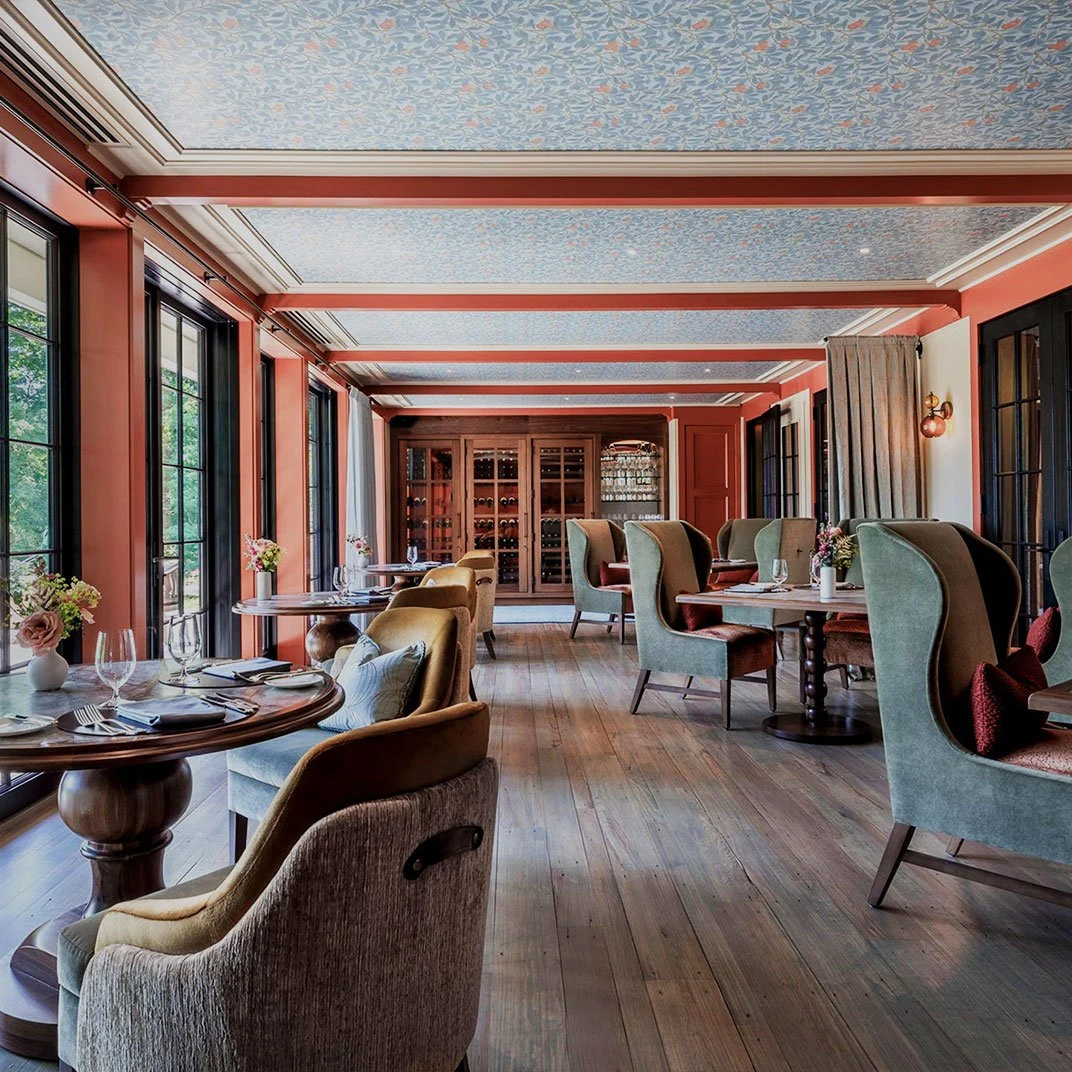
The Twin Farms property offers forest trails and wildflower meadows alongside the private cottage accommodations, and these details are relevant to understanding the restaurant's role. In estate dining at this level, the meal draws meaning from what has preceded it, a morning walk through the property, an afternoon on the grounds, an awareness of the season that the kitchen is working within. The dining room does not need to manufacture atmosphere because the estate has already created it.
Twin Farms holds a 4.3 Google rating across 3,253 reviews, a volume that signals consistent delivery rather than selective excellence. Among new-world estate dining programs, that kind of sustained review performance across a large sample is a more reliable indicator than any single season's press cycle. Emeril's in New Orleans and Albi in Washington, D.C. both demonstrate that American kitchens with regional roots and consistent execution build durable reputations across time, and Twin Farms appears to be on a similar trajectory within its category.
Planning Your Visit
Twin Farms operates as an all-inclusive country estate in Barnard, Vermont, meaning dining is integrated into the overall property stay rather than booked independently. The nearest commercial airport is Burlington International, approximately 129 kilometers from the property; Manchester Airport is around 159 kilometers away. White River Junction is the closest train station, roughly 30 kilometers out, making it a practical option for guests arriving from Boston or New York by rail. GPS coordinates 43.7248, -72.5893 serve as the reliable navigation reference for the rural approach. Reservations are essential.
Questions
Frequently asked
Who works at Twin Farms Restaurant?
Made By profiles Nathan Rich (Chef) at Twin Farms Restaurant.
How expensive is Twin Farms Restaurant?
Twin Farms Restaurant is listed at a price level of $$$$.
Where is Twin Farms Restaurant and what does it serve?
Twin Farms Restaurant is in Barnard, Barnard, serving Farm-to-Table Fine Dining.
The field
How it compares
| Place | Cuisine | Notes | Awards |
|---|---|---|---|
| Twin Farms Restaurant | Farm-to-Table Fine Dining | Barnard, $$$$ | · |
| Blue Hill at Stone Barns | Farm-to-Table Fine Dining | Tarrytown | Michelin 2 Stars, World's 50 Best |
| Kitchen Table | Modern British Fine Dining | London | Michelin 2 Stars |
| Le Taillevent | Classic and Modern French Fine Dining | Paris | Michelin 2 Stars, World's 50 Best |
| Martin Berasategui | Modern Basque Fine Dining | Lasarte - Oria | Michelin 3 Stars, World's 50 Best |
| Sazenka | Modern Chinese Fine Dining | Tokyo | Michelin 3 Stars, World's 50 Best |
| Sühring | Modern German Fine Dining | Bangkok | Michelin 3 Stars, World's 50 Best |
In residence
Similar places
Farm-to-Table Fine Dining
Blue Hill at Stone Barns
Tarrytown, United States
★★ · 50 Best
Modern British Fine Dining
Kitchen Table
London, United Kingdom
★★
Classic and Modern French Fine Dining
Le Taillevent
Paris, France
★★ · 50 Best
Modern Basque Fine Dining
Martin Berasategui
Lasarte - Oria, Spain
★★★ · 50 Best
Modern Chinese Fine Dining
Sazenka
Tokyo, Japan
★★★ · 50 Best
Modern German Fine Dining
Sühring
Bangkok, Thailand
★★★ · 50 Best