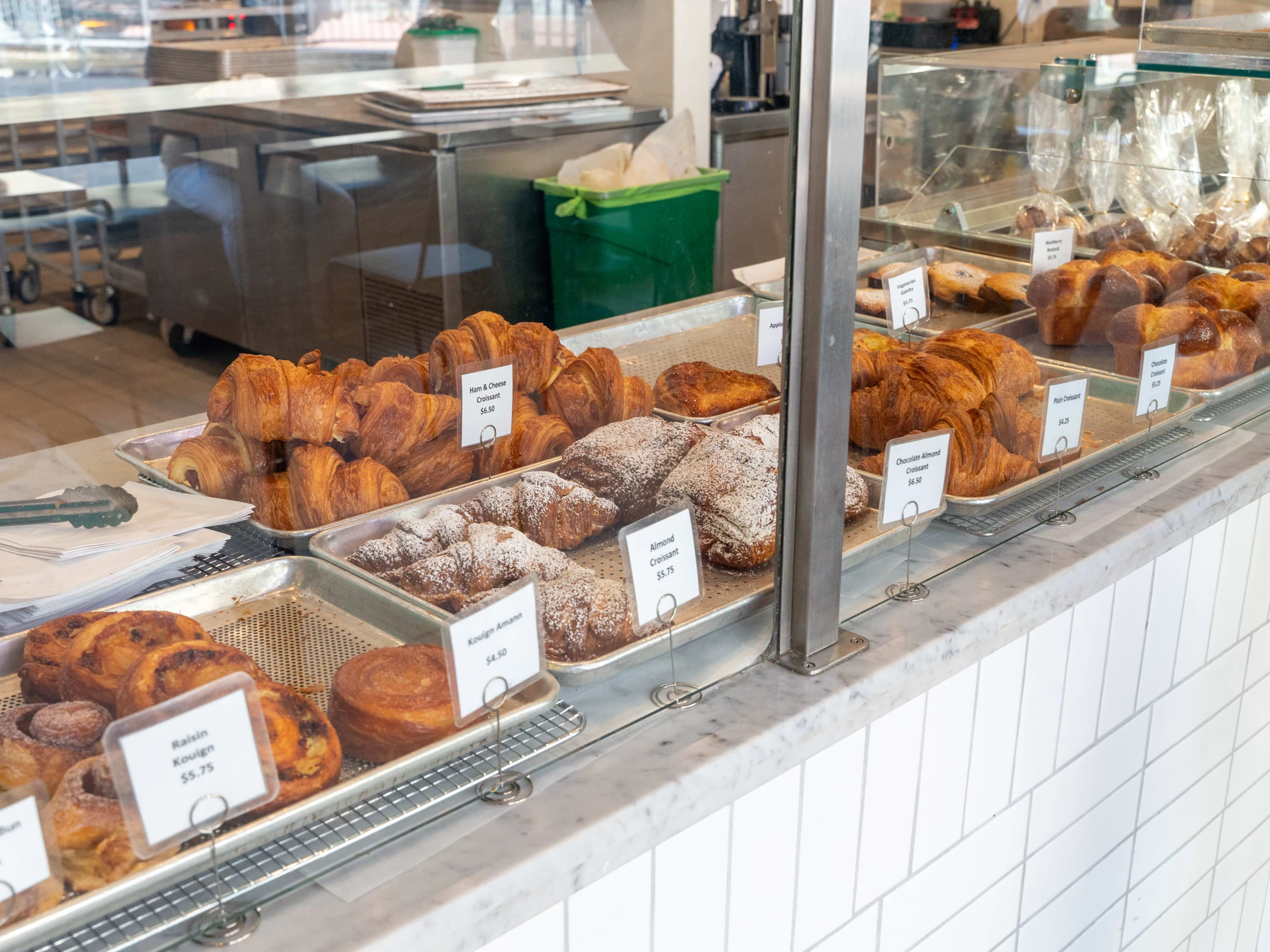
French Pastry Discipline Meets Miami's Low-Waste Moment
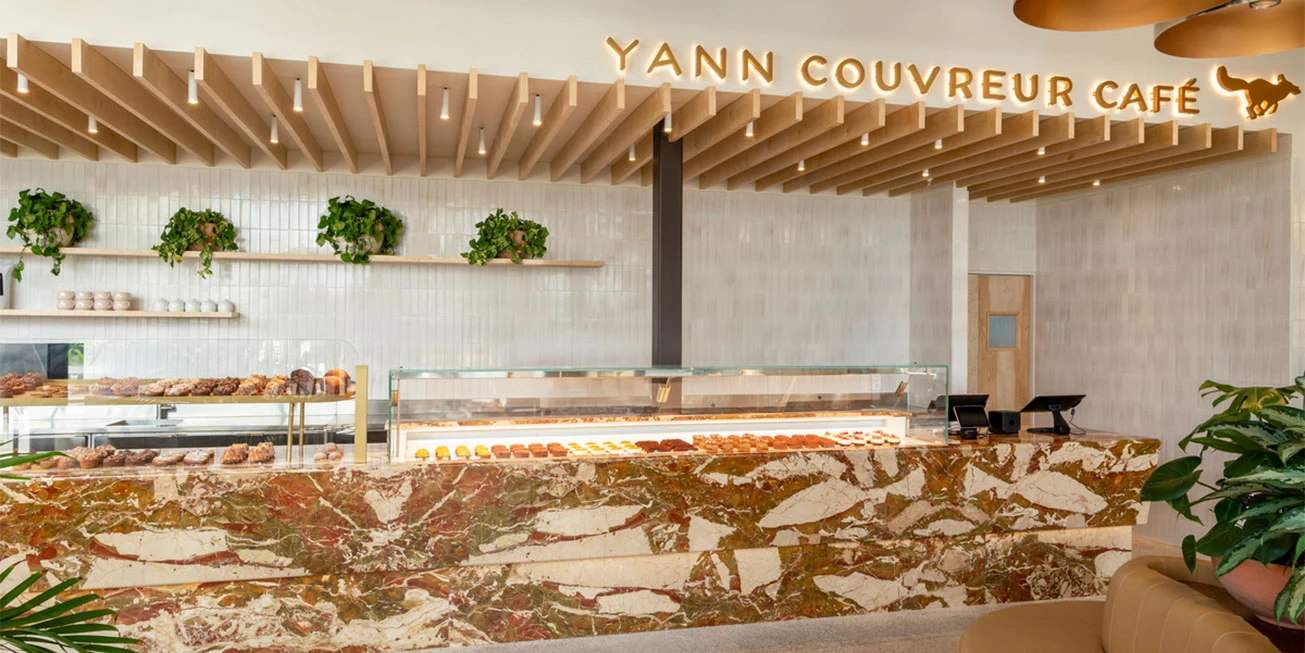
On NW 2nd Avenue, where Wynwood's gallery walls give way to a denser block of independent food businesses, the physical proposition of Yann Couvreur Café reads quietly against its surroundings. There is no loud signage competing with the murals, no street-facing theatre of a wood-fired kitchen. What the address signals instead is something more restrained: a European café format translated into one of Miami's most creatively saturated neighbourhoods, where the conversation about what food should cost, where it should come from, and how much of it should be wasted has been gaining real traction.
That conversation is worth framing before zooming into the café itself. Across Miami's serious dining tier, from Ariete in Coconut Grove to Boia De in Little Haiti, chefs have increasingly built sourcing and waste reduction into their public identity rather than treating them as back-of-house logistics. The city's proximity to Caribbean agricultural supply chains and its Latin American culinary diaspora have made ingredient provenance a genuine point of differentiation. Yann Couvreur Café enters that context carrying the credentials of its Paris originator, a pastry chef whose Parisian locations built a following partly on the premise that French patisserie technique and conscious ingredient sourcing are not in conflict.
The Wynwood Address and What It Says About the Café's comparable set
Positioning a French café concept at 2243 NW 2nd Ave places it firmly in Wynwood rather than in the Design District or Brickell, a choice that carries editorial weight. Wynwood's food scene has matured well past its early reputation as an art-walk pit-stop circuit. The neighbourhood now sustains serious independent operations, and the foot traffic it generates skews toward visitors who are both design-literate and food-curious. That demographic maps well onto the audience for a European café with a considered approach to sourcing, where the product on the plate is the primary communication rather than the spectacle of the room.
It is closer to the quieter, technique-led spaces that have established themselves in Miami without requiring a headline price point to signal seriousness. In that bracket, the sustainability and sourcing story is often the differentiating argument. Restaurants like ITAMAE, which built its identity around Peruvian-Japanese technique and careful product sourcing, demonstrate that Miami's dining public will follow a precise culinary argument without the scaffolding of a celebrity-chef media cycle.
Sustainability as Method, Not Messaging
French patisserie, when practised seriously, is inherently a low-waste discipline. The classical brigade system that produced Paris's great pastry counters was built on the principle that every trim, every off-cut, every imperfect shell or broken tuile had a second application. Brioche offcuts become croutons or bread pudding bases. Fruit purées that don't pass the visual standard for a tart filling become coulis or ice cream bases. This is not modern sustainability ideology grafted onto an old tradition; it is how the tradition was designed to function before waste became a marketing category.
That technical inheritance is what gives European café concepts genuine credibility when they position themselves around low-waste operations. The framework exists. The skill base exists. The question for any outpost of a Parisian pastry brand operating in Miami is whether the sourcing logic holds across a different agricultural supply chain. Florida's subtropical growing conditions produce fruits and sugar crops that align well with a pastry kitchen's raw material needs, and the state's growing network of small-scale producers has made it progressively easier for Miami restaurants to reduce their dependence on long-haul supply lines for certain ingredient categories.
Across the American fine dining tier, this move toward farm-proximity has produced some of the country's notable kitchens. Blue Hill at Stone Barns in Tarrytown and Single Thread Farm in Healdsburg built their entire editorial identity around supply chain transparency. Providence in Los Angeles and Addison in San Diego have each made sourcing specificity a visible part of their public record. At the café format level, the stakes are different, the price point is lower, and the expectation of rigour is calibrated accordingly, but the underlying logic of ingredient accountability runs in the same direction.
Where This Sits in Miami's Broader Dining Picture
Miami's restaurant market has segmented sharply over the past several years. At the upper end, the city now hosts formats that compare credibly with serious American dining rooms: Alinea-adjacent tasting experiences, ambitious tasting menus, and internationally trained kitchens operating at price points above $150 per head. At the accessible middle, the café and casual restaurant sector has expanded to accommodate a more ingredient-literate, experience-aware customer who is not necessarily dining for occasion but who still expects a clear point of view from the kitchen.
Yann Couvreur Café occupies that middle register. French café culture, when transported accurately rather than diluted for export, delivers a specific proposition: technique-heavy production, a concise menu built around what is being made well today, and a physical environment calibrated for lingering rather than turning tables. That format has proven durable across culturally distant cities, from Tokyo's Parisian-inflected bakery culture to the wave of French café concepts that have taken root in New York and Los Angeles over the past decade.
Questions
Frequently asked
Who works at Yann Couvreur Café?
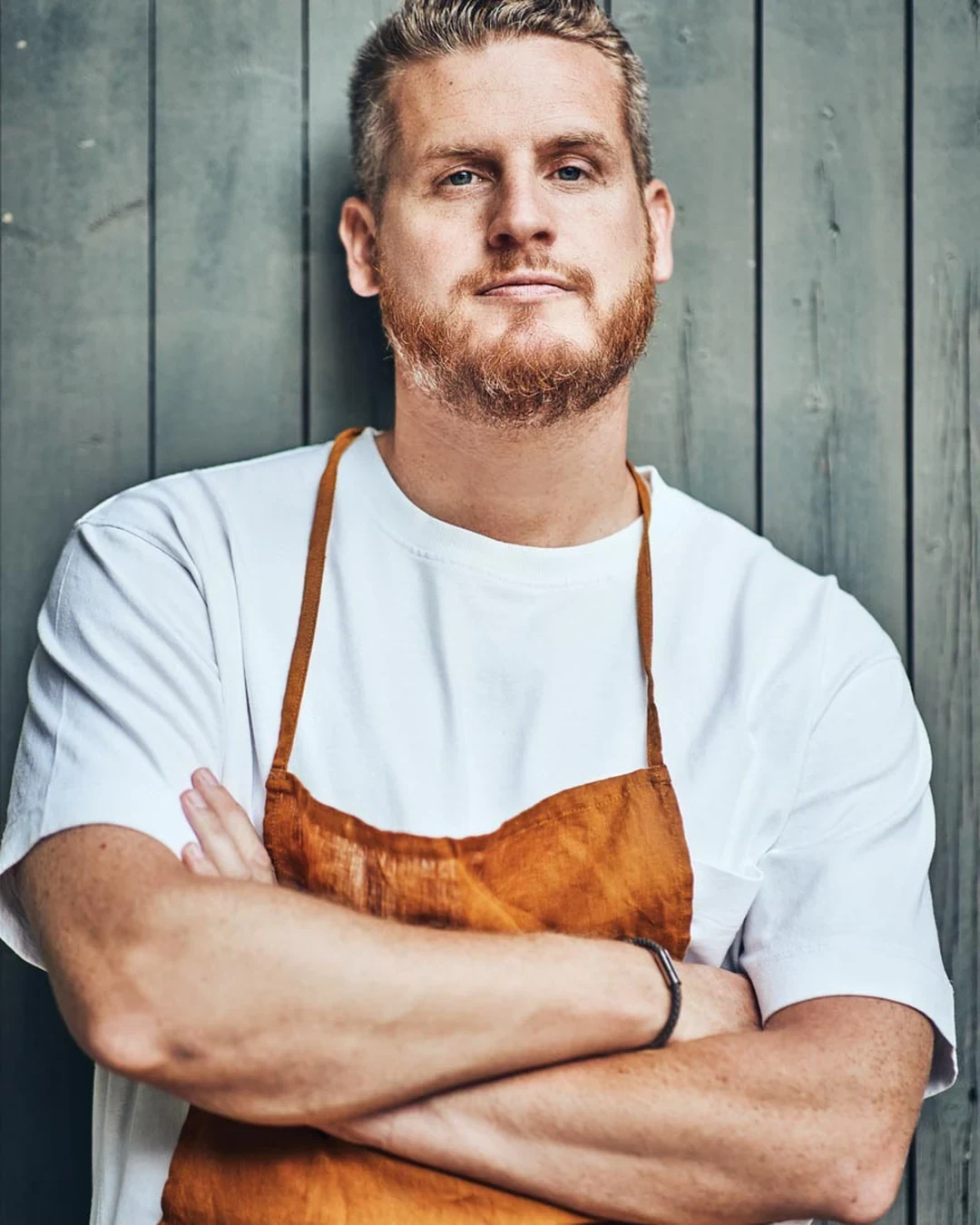
Made By profiles Yann Couvreur (Chef) at Yann Couvreur Café.
How expensive is Yann Couvreur Café?
Yann Couvreur Café is listed at a price level of $$.
The field
How it compares
| Place | Notes | Cuisine |
|---|---|---|
| Yann Couvreur Café | Midtown, $$ | · |
| Arsicault Bakery | San Francisco | other |
| Claridge’s Bakery | London | british |
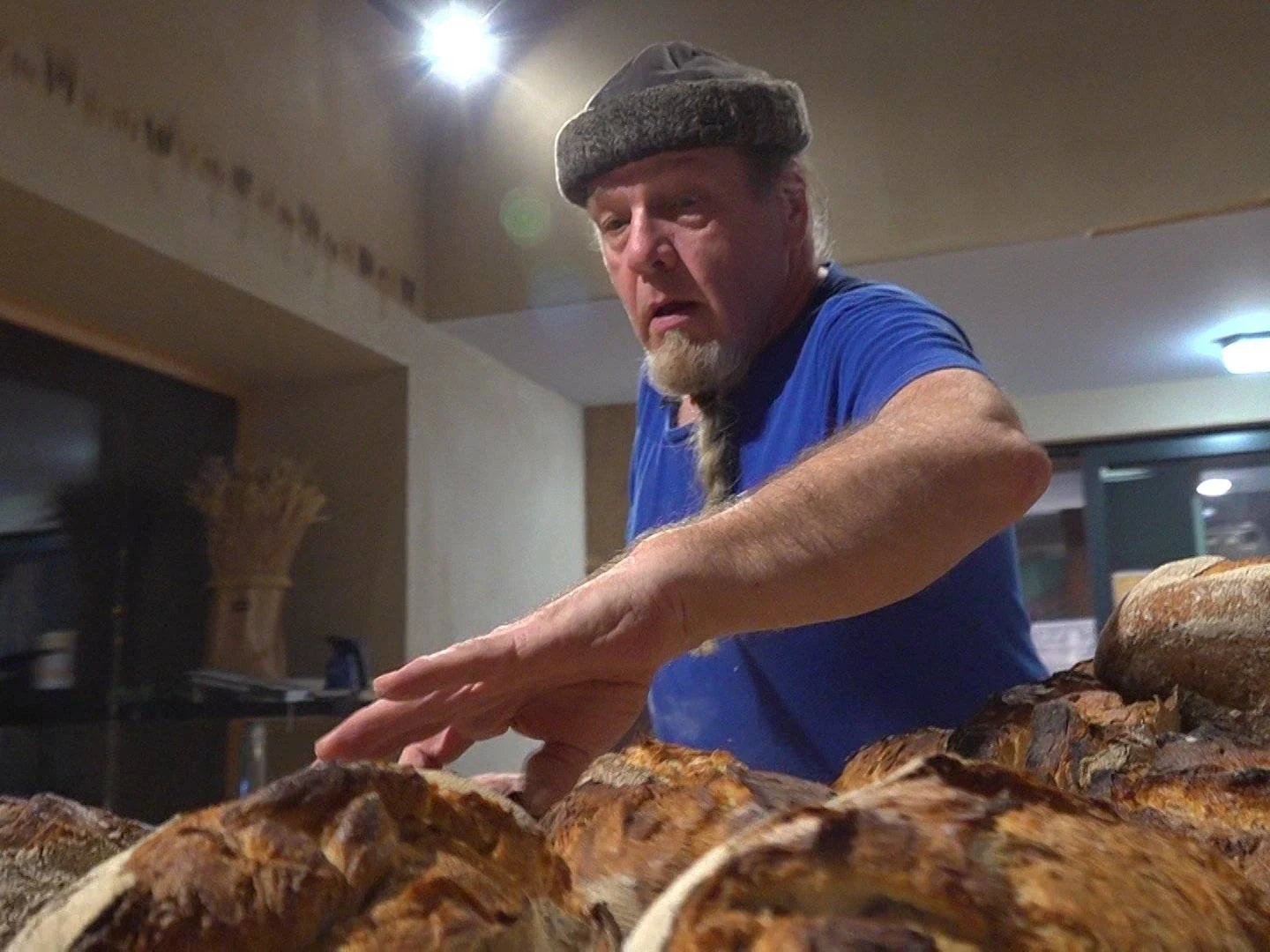
| Eigenbrötler Backwerke | Wauwil | · |
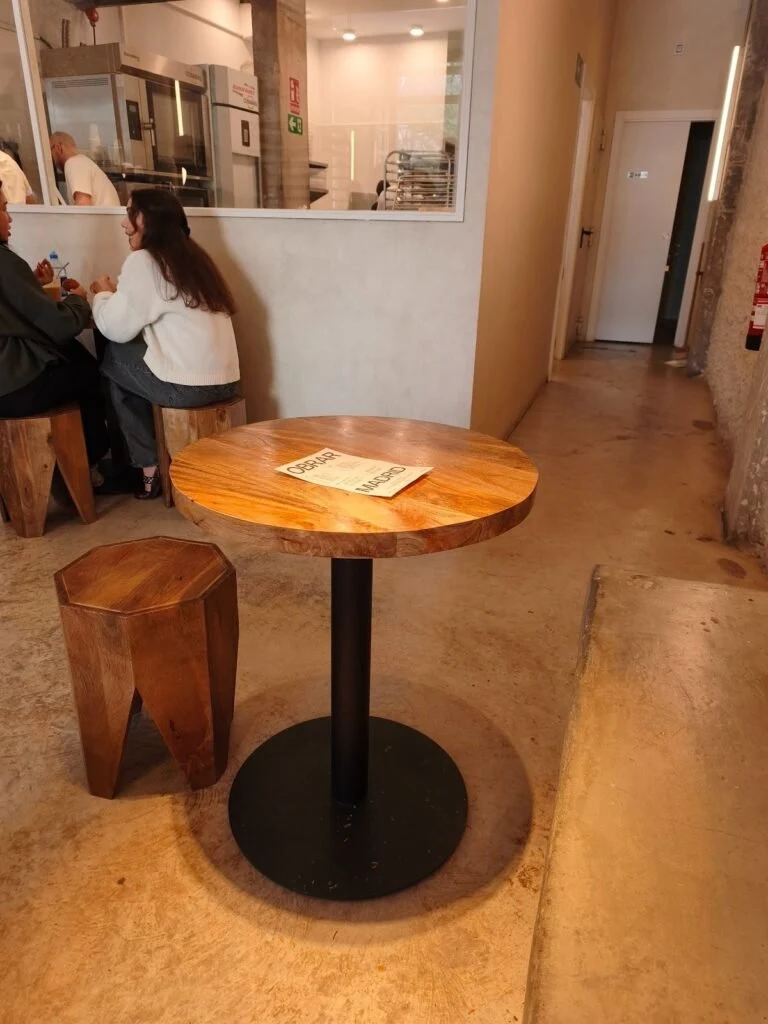
| Obrar Madrid | Madrid | · |
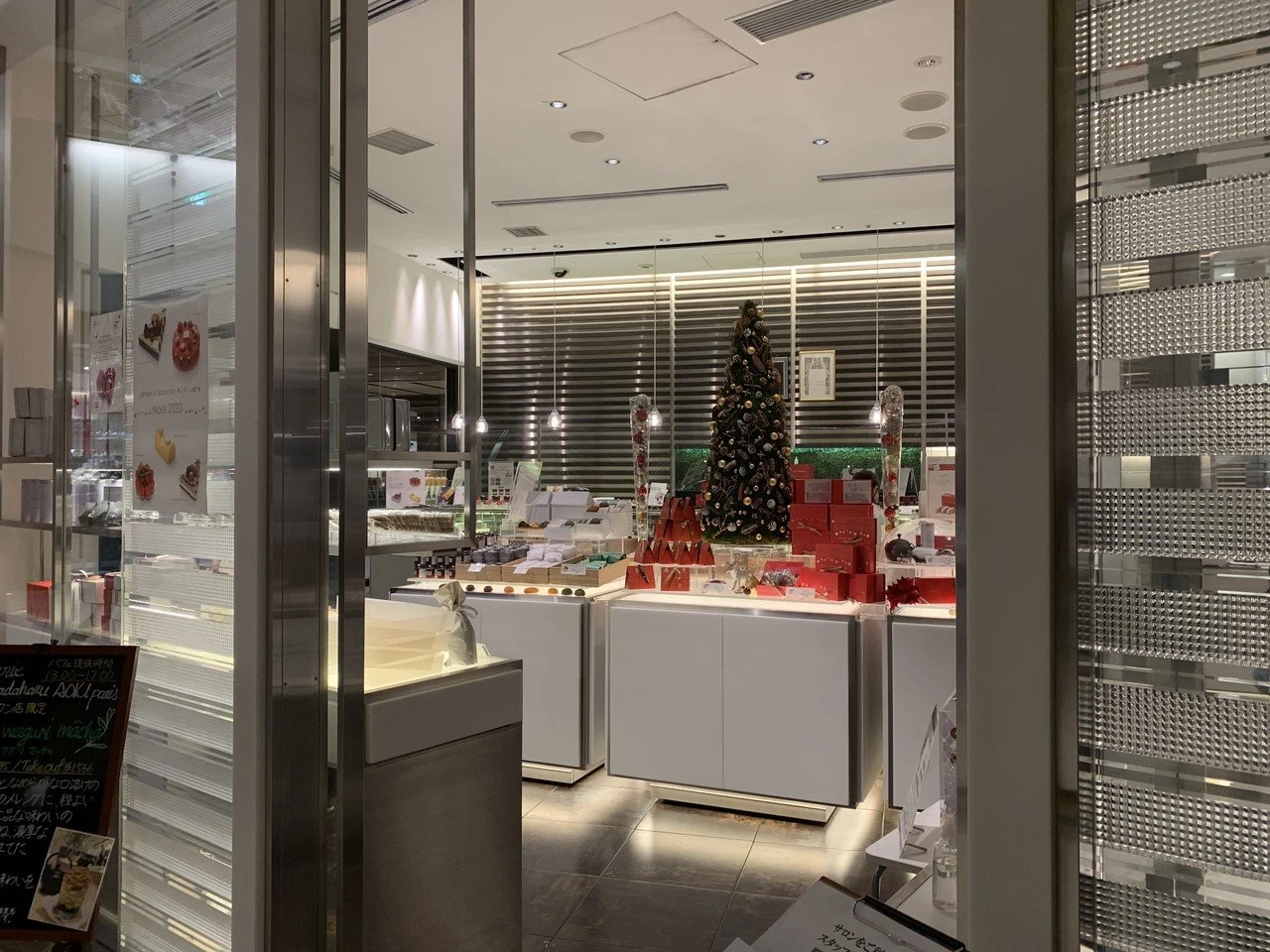
| Pâtisserie Sadaharu AOKI | Tokyo | fusion |
| Pollen Bakery | Manchester | british |