Yumcha
In Residence
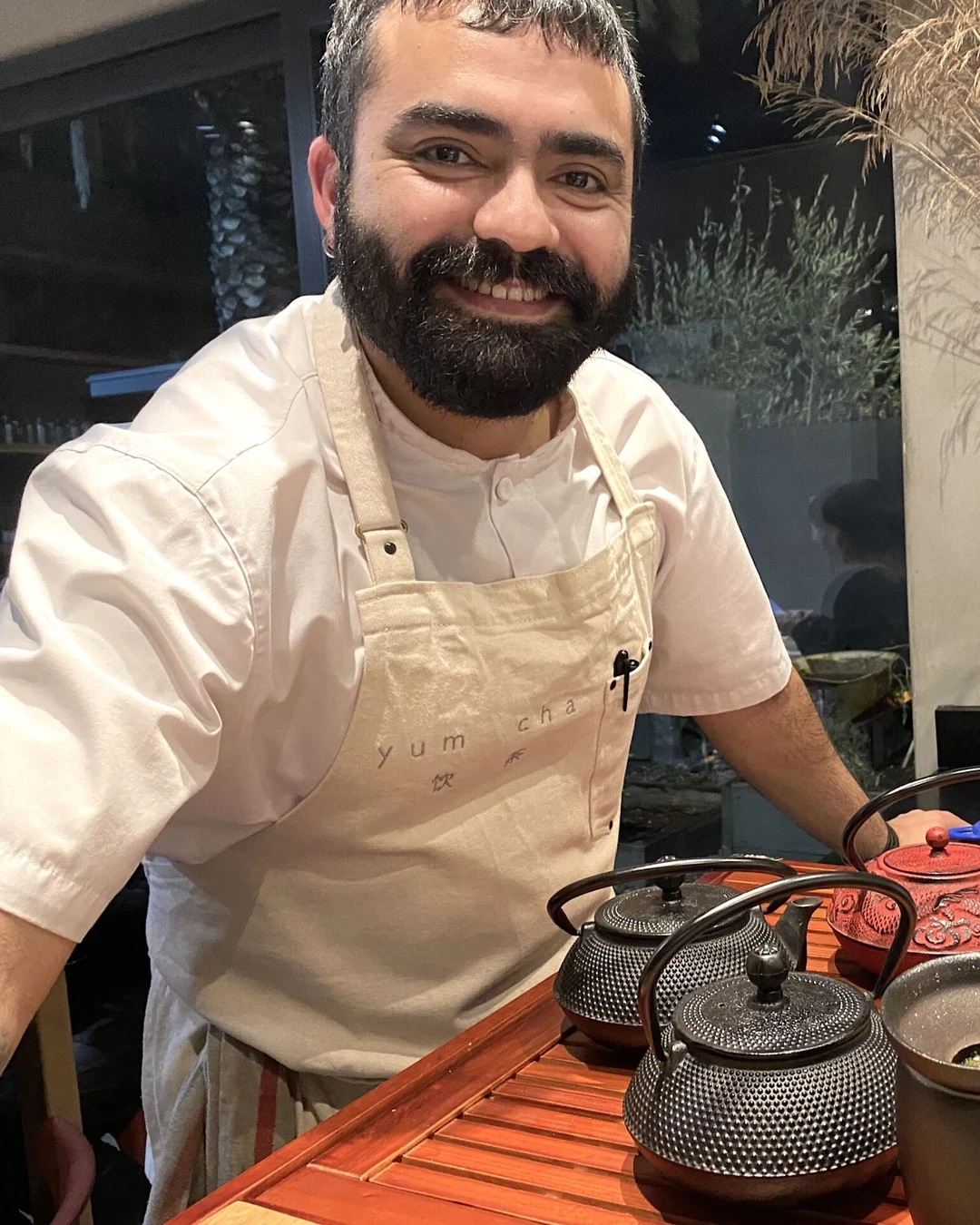
Nicolás Tapia
Chef
- 01CuisineChinese-Chilean Fusion Tasting Menu
- 02CitySantiago, Chile
- 03RecognitionWorld's 50 Best — No. 28
- World's 50 Best · #28 · World's 50 Best Restaurants
- World's 50 Best Latin America's Best Restaurants #28 · 2025
- The Best Chef One Knife · 2025
Tea, Technique, and the Pacific Coast: Santiago's Most Singular Pairing Format
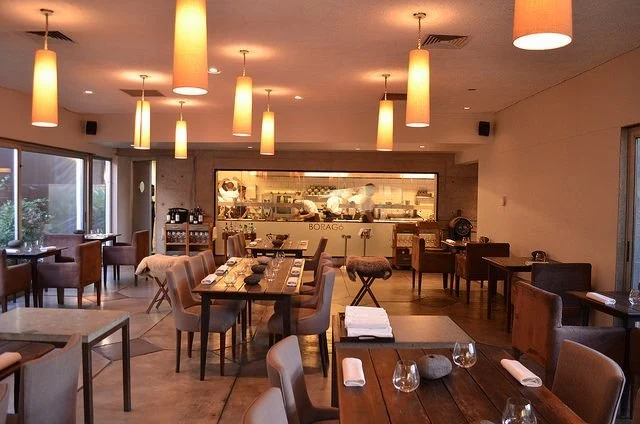
Santiago's tasting-menu scene has been pulling in two directions for the better part of a decade. One current runs through the native-ingredient revivalism associated with restaurants like Boragó (Modern Chilean), where the Andean pantry and fermentation traditions form the conceptual spine. The other runs toward European-inflected fine dining, evident in the French-Chilean register of Ambrosia (French-Chilean). Yumcha, at La Herradura 2722 in Providencia, occupies a third position that neither current fully explains: a pescatarian tasting structure whose intellectual framework is Chinese, whose raw material is Chilean, and whose beverage pairing is built entirely around tea.
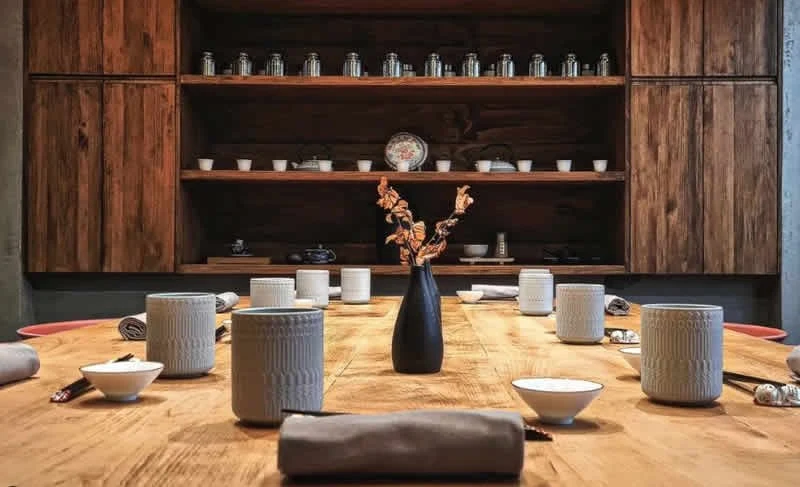
That last detail is the one that repositions everything else. Across the ten courses, each dish arrives alongside a specifically selected tea rather than a wine. The practice draws from the Chinese tradition of gongfu cha, in which the choice of leaf, water temperature, and steeping time are treated with the same seriousness that a European sommelier brings to a cellar. Applied to seafood from Chilean waters, the format creates a pairing logic that wine menus in this city rarely reach: the tannins, florals, and mineral registers of different teas intersect with the iodine and salinity of Pacific produce in ways that are genuinely structurally different from conventional wine pairings. For comparison, the wine-forward approach at Bocanáriz (Wine Bar) demonstrates how well Chilean viticulture can work with food; Yumcha simply argues that tea can work differently, not worse.
Global Technique Meeting Chilean Waters
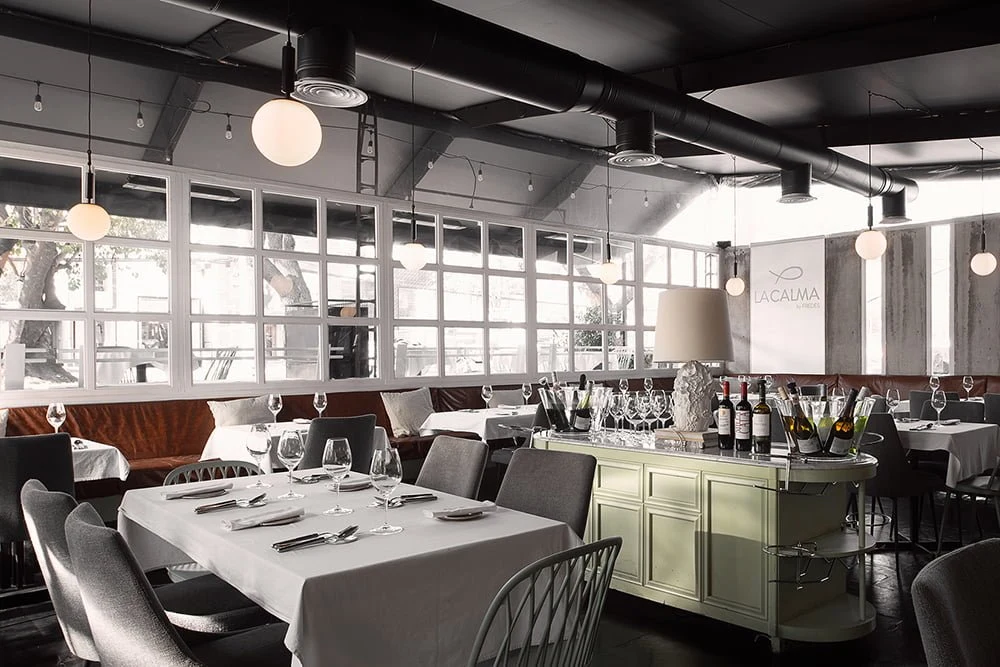
The editorial angle that makes Yumcha worth reading carefully is the intersection of imported culinary method and Chilean coastal ingredients. This is a conversation happening in several registers across the city: La Calma by Fredes (Seafood) approaches Chilean marine produce through a different kind of technical precision, while Demencia represents yet another axis of contemporary Santiago cooking. What distinguishes Yumcha is the specificity of the imported framework. Chinese gastronomy has its own developed vocabulary for seafood: steaming techniques that preserve texture without masking the primary flavor of the fish, the use of ginger and aromatics calibrated to amplify rather than overwhelm, and a general restraint in fat that keeps the palate clean across a long sequence of courses. Applied to Chilean corvina, reineta, or the cold-water shellfish of the southern coast, these techniques read as genuinely complementary rather than incongruous.
Chef Nicolás Tapia is the figure who assembles this framework at Yumcha. The decision to structure the menu as pescatarian carries both practical and philosophical weight: Chilean coastal fishing culture and the diversity of Pacific species provide a raw material base rich enough to sustain a full tasting sequence without meat, while the constraint also aligns naturally with the lighter flavor register that tea pairing rewards. The ten-course format is long enough to develop a genuine narrative across the meal but structured around a single dietary logic, which gives the kitchen a cleaner design problem than an omnivore menu would.
What Ten Courses and Ten Teas Actually Means
The pairing-per-course model creates a particular kind of attentiveness in the dining room. Unlike wine pairing, where a single bottle might accompany two or three dishes, the tea format at Yumcha means the beverage changes as frequently as the plate. This has an effect on pacing: the arrival of a new tea signals a transition, and the diner is invited to register the shift in flavor environment before the next course begins. In practice, this is closer to the experience at high-discipline omakase counters in the kaiseki tradition than to Western tasting-menu conventions. For context on how that kind of focused progression works at its most refined, the format at Atomix in New York City or the seafood concentration at Le Bernardin in New York City offer useful reference points from other culinary traditions building long sequences around a single ingredient type.
Within Santiago's immediate neighborhood context, Allería in Providencia represents the kind of address that shares a residential, non-touristy setting with Yumcha. Providencia has become a reliable destination for serious restaurants operating outside the higher-profile clusters of Vitacura and Las Condes; the neighborhood's mix of local regulars and food-focused visitors creates a room dynamic that suits intimate formats. For Japanese-inflected precision in a nearby neighborhood, Naoki in Vitacura provides a useful comparison in terms of how Santiago's Asian-influenced fine dining tier has developed.
The Wider Context: Tasting Menus Across Chile
Yumcha's format connects to a broader conversation about how tasting-menu culture functions in Chile beyond the capital. Properties like Awasi Atacama in San Pedro de Atacama and Awasi Patagonia in Torres del Paine demonstrate how the country's geographic extremity generates distinct ingredient registers at different latitudes, while CasaMolle in El Molle and Clos Apalta Residence in Valle de Apalta anchor fine dining within specific agricultural landscapes. What runs through all of these is a relationship between place-specific produce and a structuring technique: the technique gives shape to the ingredient, and the ingredient gives the technique meaning. Yumcha applies the same logic, except that the structuring tradition is Chinese rather than European, and the beverage that mediates the experience is tea rather than wine.
For readers planning a Santiago dining itinerary that covers the range of the city's current tasting-menu culture, our full Santiago restaurants guide maps the field. For accommodation context in the neighborhoods closest to Providencia, the full Santiago hotels guide covers the relevant options. Those whose Santiago visit extends to bars and wine should also consult the full Santiago bars guide, the full Santiago wineries guide, and the full Santiago experiences guide for a complete picture.
Planning Your Visit
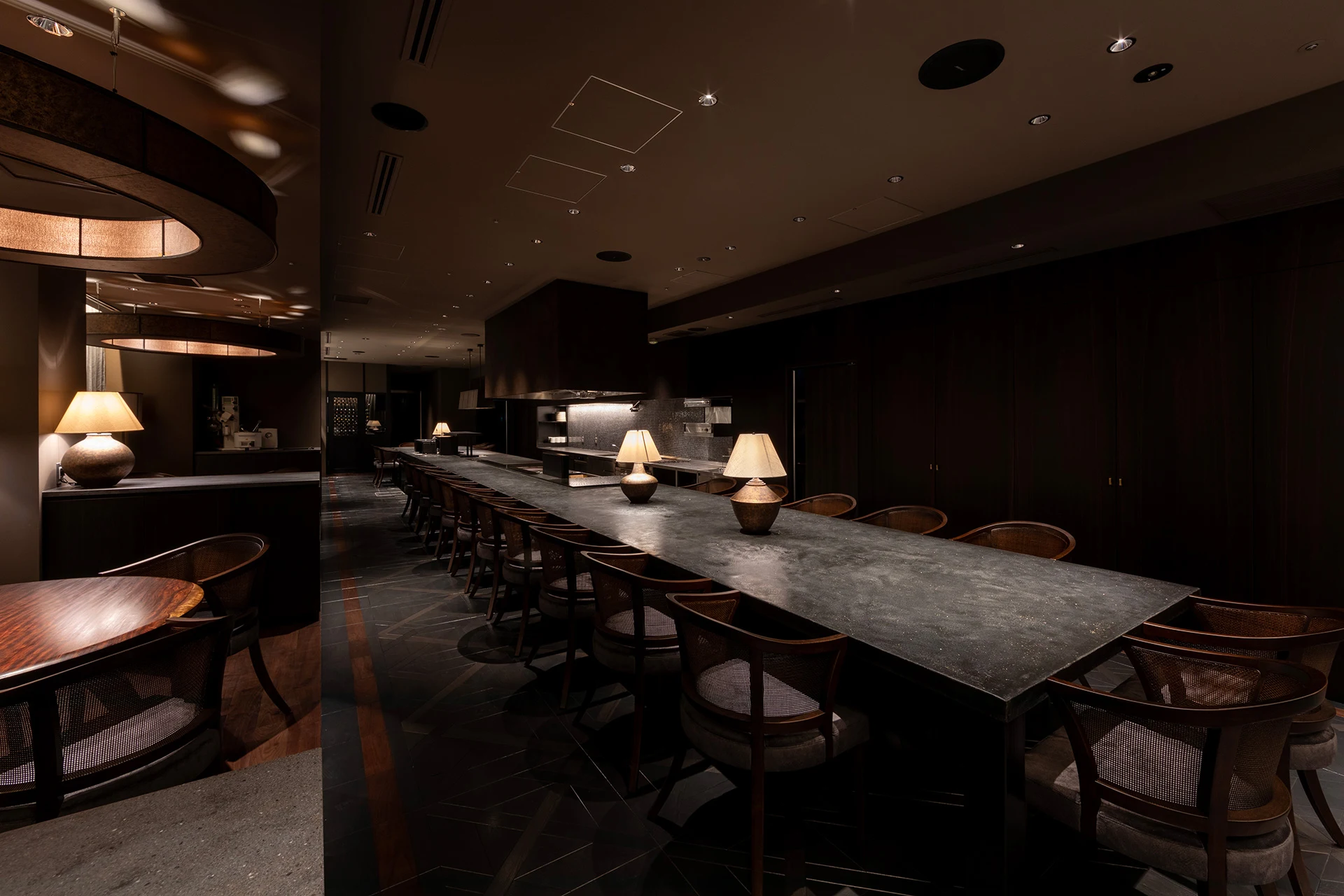
Yumcha is located at La Herradura 2722 in Providencia, a residential neighborhood in metropolitan Santiago with reliable access by metro and taxi. The ten-course format and intimate room design place this in the specialist tasting-menu tier, where demand from both local diners and visitors is consistent. Reservations are essential. Guests with fish or shellfish allergies should mention this when booking.
Questions
Frequently asked
What recognition does Yumcha hold?
Yumcha holds a place on the World's 50 Best list at number 28.
Who works at Yumcha?
Made By profiles Nicolás Tapia (Chef) at Yumcha.
How expensive is Yumcha?
Yumcha is listed at a price level of $$$.
Where is Yumcha and what does it serve?
Yumcha is in Providencia, Santiago, serving Chinese-Chilean Fusion Tasting Menu.
The field
How it compares
| Place | Awards | Cuisine | Notes |
|---|---|---|---|
| Yumcha | World's 50 Best #28 | Chinese-Chilean Fusion Tasting Menu | Providencia, $$$ |
| Boragó | World's 50 Best | Hyper-Local Chilean Tasting Menu | Santiago |
| Burnt Ends | Michelin 1 Star, World's 50 Best | Modern Australian Barbecue | Singapore |
| Florilège | Michelin 2 Stars, World's 50 Best | Modern French-Japanese Plant-Based Fine Dining | Tokyo |
| La Calma by Fredes | World's 50 Best | Fresh Chilean Seafood | Santiago |
| Smyth | Michelin 3 Stars, World's 50 Best | Modern American Tasting Menu | Chicago |
| Zén | Michelin 3 Stars, World's 50 Best | Neo-Nordic with Japanese Influences | Singapore |
In residence
Similar places
Hyper-Local Chilean Tasting Menu
Boragó
Santiago, Chile
50 Best
Modern Australian Barbecue
Burnt Ends
Singapore, Singapore
★ · 50 Best
Modern French-Japanese Plant-Based Fine Dining
Florilège
Tokyo, Japan
★★ · 50 Best
Fresh Chilean Seafood
La Calma by Fredes
Santiago, Chile
50 Best
Modern American Tasting Menu
Smyth
Chicago, United States
★★★ · 50 Best
Neo-Nordic with Japanese Influences
Zén
Singapore, Singapore
★★★ · 50 Best