From the people index
Recommended by
One trusted voice points here.
- World's 50 Best Best Bars #16 · 2025
- Tatler Listed in Best Bars Asia-Pacific · 2025
- Top 500 Bars Best Bars #25 · 2025
- World's 50 Best Asia's Best Bars #2 · 2025
- World's 50 Best Asia's Best Bars #2 · 2024
- World's 50 Best Best Bars #9 · 2024
- Tatler Best Innovation · 2024
- Tatler Best Asia: Best Innovation · 2024
- World's 50 Best Best Bars #18 · 2023
- World's 50 Best Asia's Best Bars #5 · 2023
- World's 50 Best Asia's Best Bars #48 · 2022
Empty Space, Full Intention: Inside Seoul's Most Awarded Bar
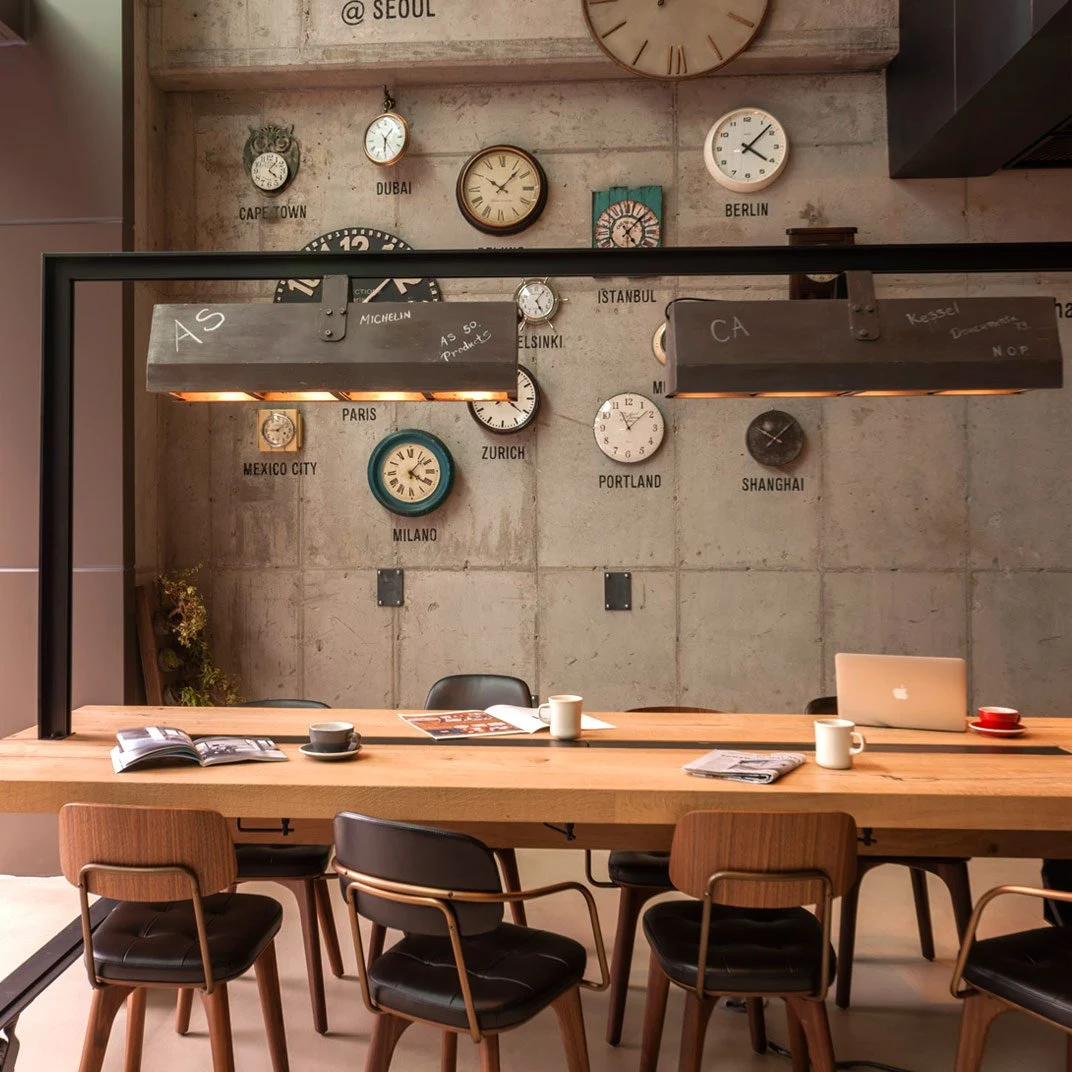
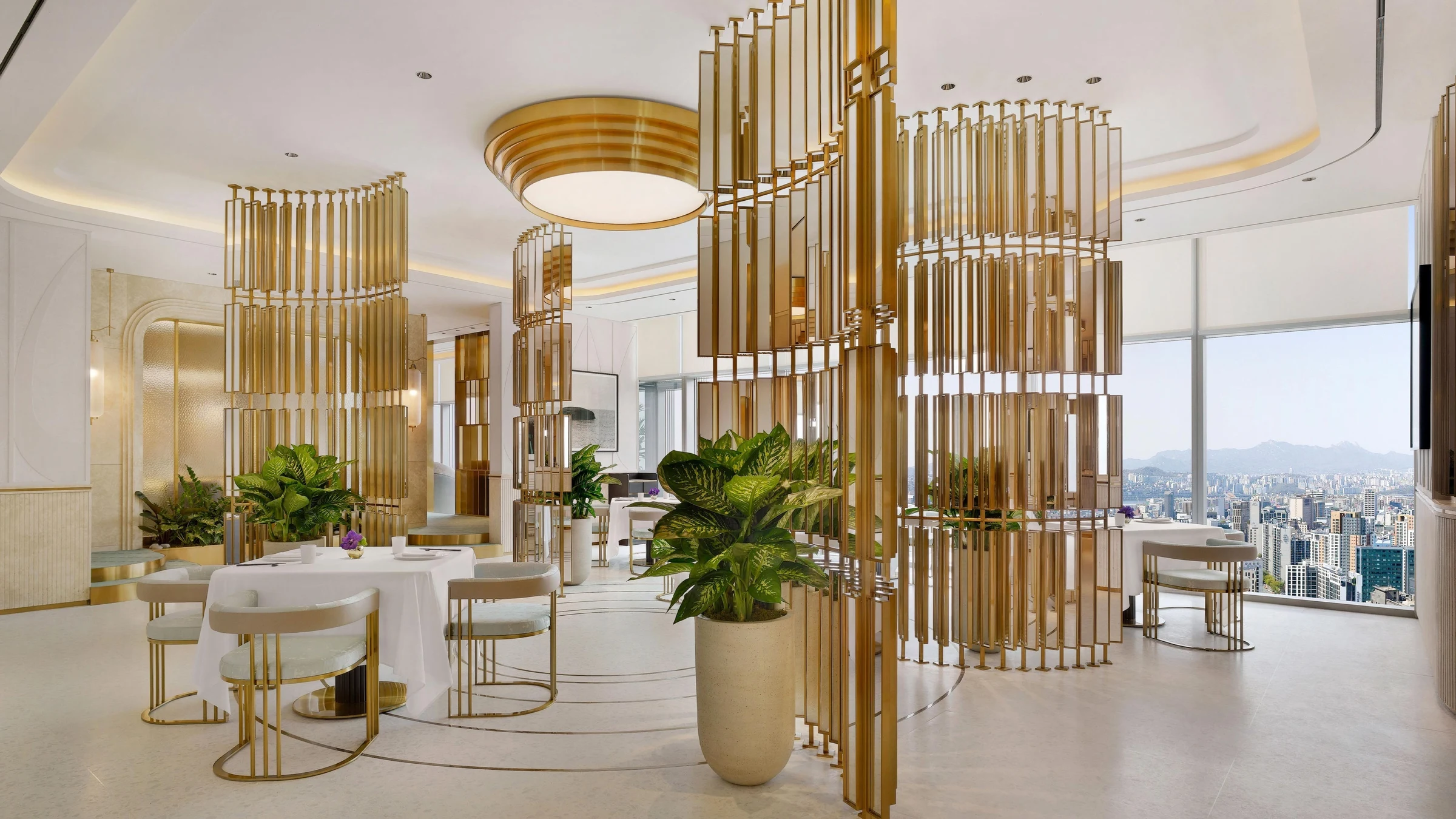
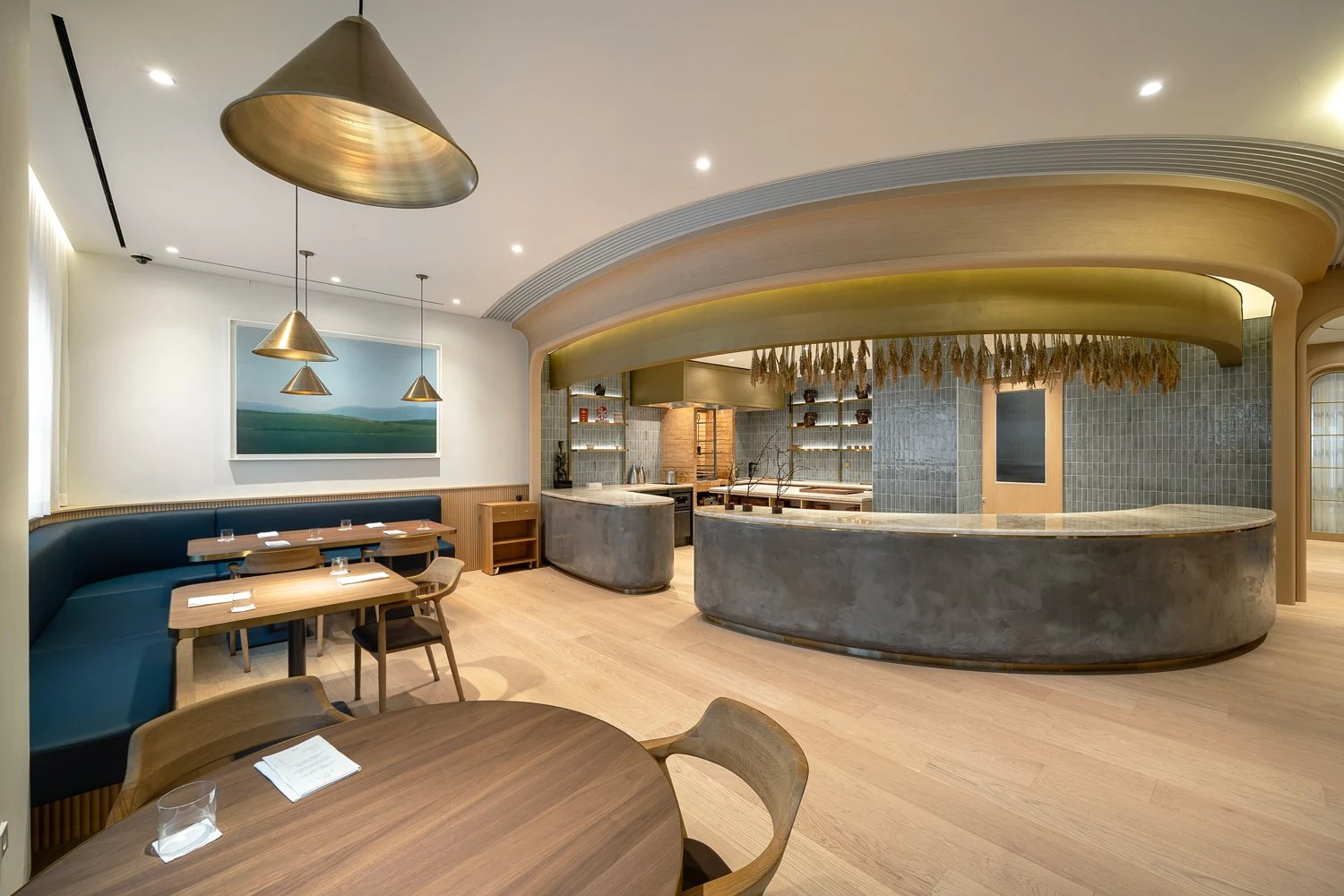
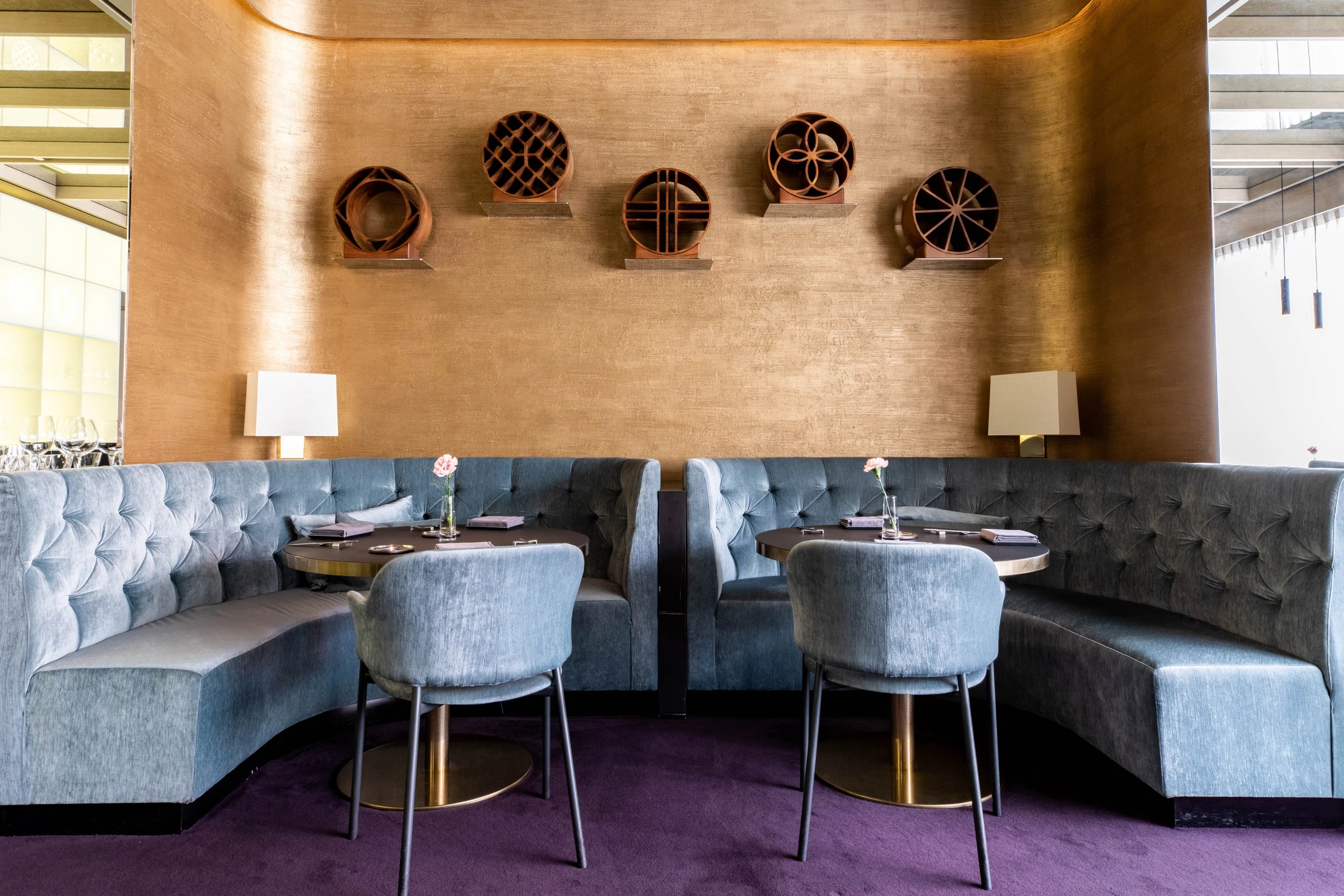
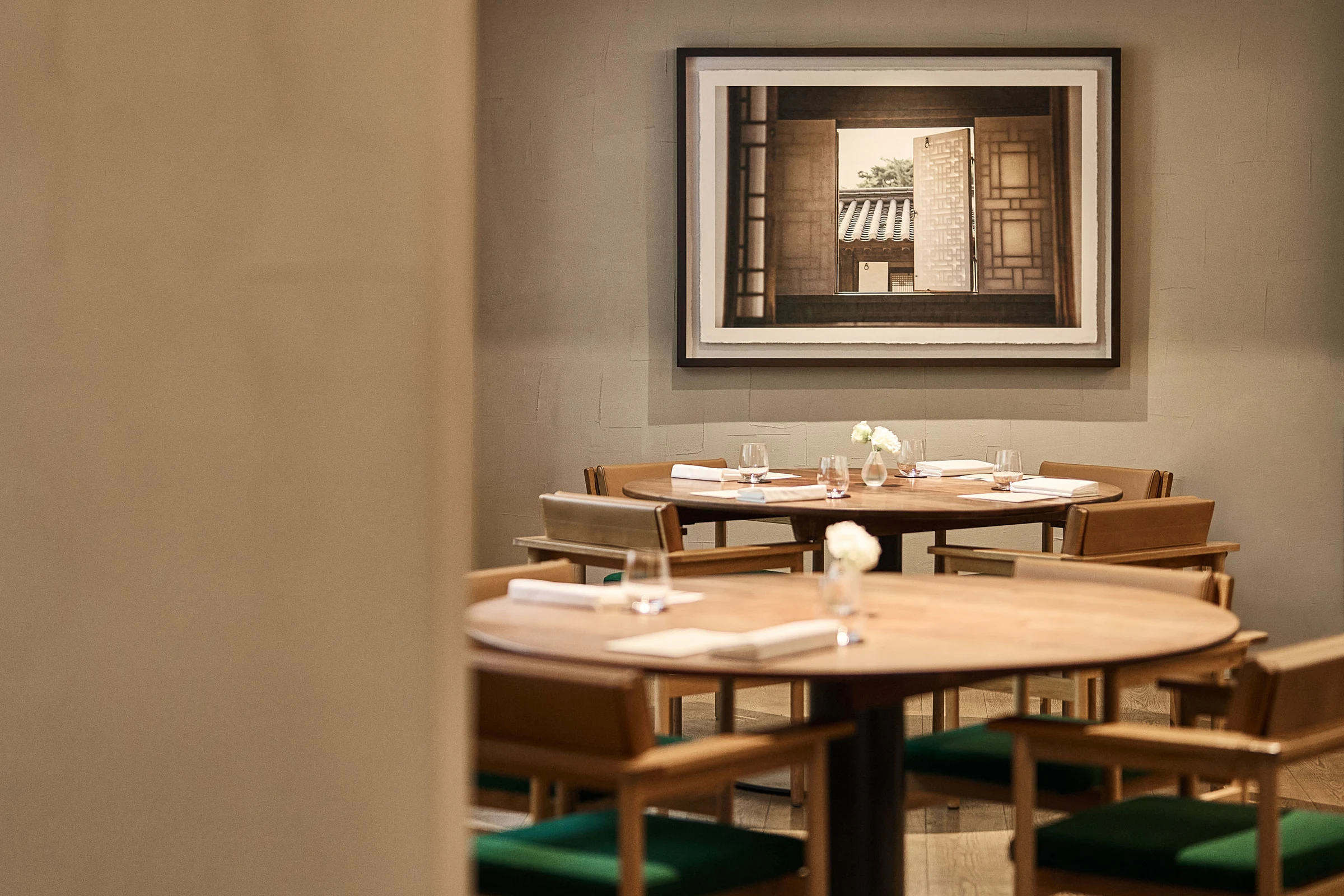
Zest is a bar in Seoul's Gangnam District, ranked #2 in World's 50 Best Bars 2024, with cocktails priced at about $35 per person. Walk into the ground-floor space at 26 Dosan-daero 55-gil in Gangnam and the first thing you notice is what isn't there: no wall of bottles arranged for display, no theatrical prop, no visual noise. The room is composed around absence, which is precisely the point. The Korean aesthetic principle sometimes translated as 'beauty in emptiness' shapes every decision about how this bar looks and feels, from the minimalist surfaces to the deliberate restraint of garnish on the drinks themselves. In a neighbourhood known for polished interiors designed to be photographed, Zest's refusal to perform is its most distinctive design choice.
Dosan-daero in Gangnam has become one of Seoul's most concentrated corridors for serious cocktail bars, drawing a clientele that moves between fashion, food, and late-night culture with equal fluency. Within that scene, there is now a clear split between bars that dress the part and bars that have built reputations on programme discipline. Zest belongs firmly to the second group, with a credential stack that few competitors in Asia can match: ranked #2 in Asia's 50 Best Bars in both 2024 and 2025, #9 globally in 2024, and a recipient of the Tatler Leading Innovation award in 2024. Its 2025 Top 500 Bars ranking placed it at #25 worldwide. That rise reflects a programme that has deepened and sharpened over time.
The Logic Behind the Restraint
Seoul's bar scene has moved through several distinct phases in the last decade. The early wave of craft cocktail culture here borrowed heavily from Western template bars: Prohibition references, theatrical serves, spirit-led menus modelled on London and New York. A second wave brought Japanese influence: precision technique, seasonal Japanese botanicals, quietly serious service. What Zest represents is something closer to a third position, one that asks where Korean identity actually lives in a glass and answers that question through agriculture, fermentation, and provenance rather than through cultural signalling.
The programme sources vegetables and herbs through contract farming arrangements with Korean producers, harvests honey from beehives the bar maintains on-site in Seoul, and integrates spirits from Korean micro-distilleries and craft breweries alongside carefully selected international bottles. This is not local sourcing as a marketing layer, it shapes what the menu can contain and, more importantly, how ingredients are used. The bar's approach to waste demonstrates this most clearly. The Hallabong citrus, a hybrid mandarin cultivated primarily on Jeju Island, is used in its entirety: juice pressed for the Jeju Garibaldi, peels infused into house gin, and residual pulp converted into a cordial or fermented for use in the bar's Pulp Sauerkraut cocktail. Every part of the ingredient earns its place. This kind of whole-ingredient thinking requires more prep infrastructure and more planning than a conventional bar programme, and it produces a menu that cannot simply be replicated elsewhere.
Co-Founder Recognition and Programme Depth
Co-founder Dohyung 'Demie' Kim received the Altos Bartenders' Bartender Award at Asia's 50 Best Bars 2024, a peer-voted honour within the professional community that carries different weight from list placements or judging panels. Recognition from peers inside the industry tends to reflect a sustained quality of craft and generosity of professional contribution rather than a single high-profile moment. Kim leads Zest's programme alongside partners who share the bar's core commitments to minimal waste and sourced provenance. For context on how Seoul's bar community sits within the broader regional scene, bars such as Charles H, Alice Cheongdam, Bar Cham, and Bar D. Still occupy different positions across the city's range of formats and approaches. Zest operates in its own tier, defined less by format than by the depth of its sourcing infrastructure.
How the Physical Space Frames the Drinks
The absence of a back-bar display is not just aesthetic, it is a structural statement about what the bar wants you to pay attention to. When there is nothing to look at behind the bartender, the preparation becomes the spectacle. Technique, precision, and the quality of house-made elements carry the visual and intellectual weight that, in other bars, is carried by bottle selection or production design. Garnish appears only when it belongs to the drink's construction; decoration for its own sake is considered excess. The result is a service environment where attention stays on process and ingredient rather than on presentation theatre.
This approach places Zest alongside technically disciplined bars in other Asian cities. The minimalist interior works in part because it is consistent with what the drinks themselves communicate: nothing is there that doesn't need to be. For readers exploring Korea's wider bar scene, notable operations can also be found at Muyongdam in Jeju Si, Anjuga in Ansan Si, Climat in Busan, Regency Club in Incheon, and Seuwichi in Heungdeok, which together reflect the geographic spread of South Korea's bar programme development beyond Seoul.
For international context, Zest's zero-waste approach sits alongside other ingredient-led bars in different cities.
Guest Response
Guest response is strong, and the bar's values read clearly to first-time visitors.
Know Before You Go
| Address | 26 Dosan-daero 55-gil, Gangnam-gu, Seoul, South Korea (하늘빌딩 1층) |
|---|---|
| Hours | Monday to Friday: 18:30 until 02:00. Saturday and Sunday: 15:00 until 02:00. |
| Awards | World's 50 Best Bars #9 globally (2024); Asia's 50 Best Bars #2 (2024 & 2025); Top 500 Bars #25 (2025); Tatler Leading Innovation 2024; Altos Bartenders' Bartender Award 2024 |
| Google Rating | 4.8 / 5.0 (361 reviews) |
| @zest.seoul | |
| Neighbourhood | Gangnam District, Dosan-daero corridor |
Questions
Frequently asked
Who works at Zest?
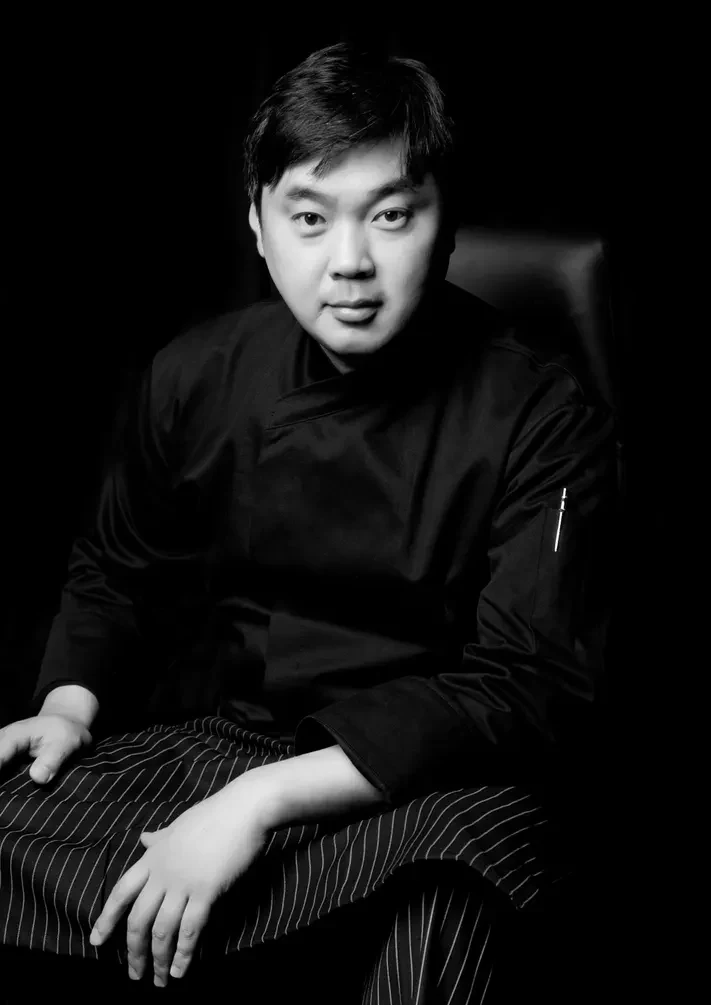
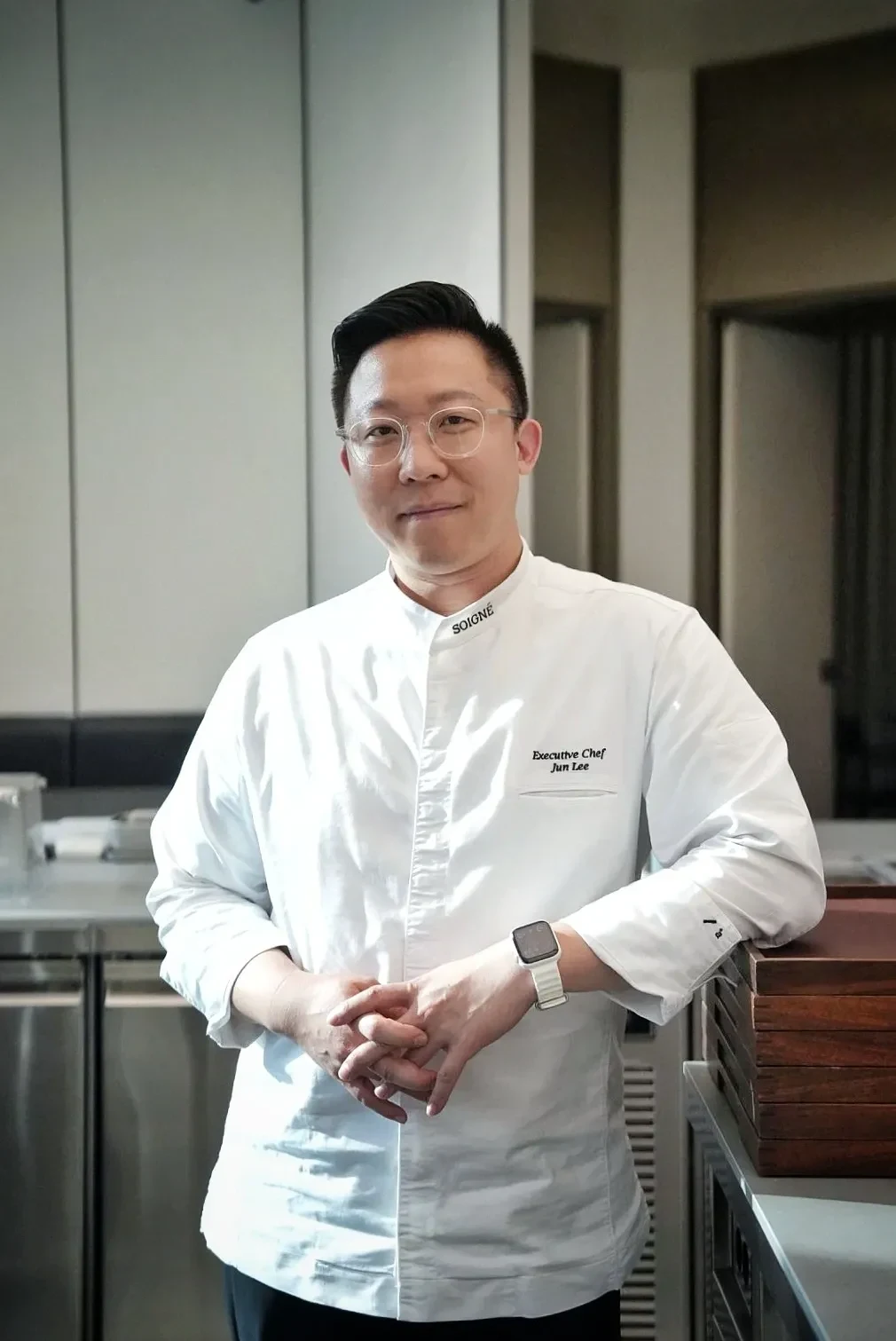
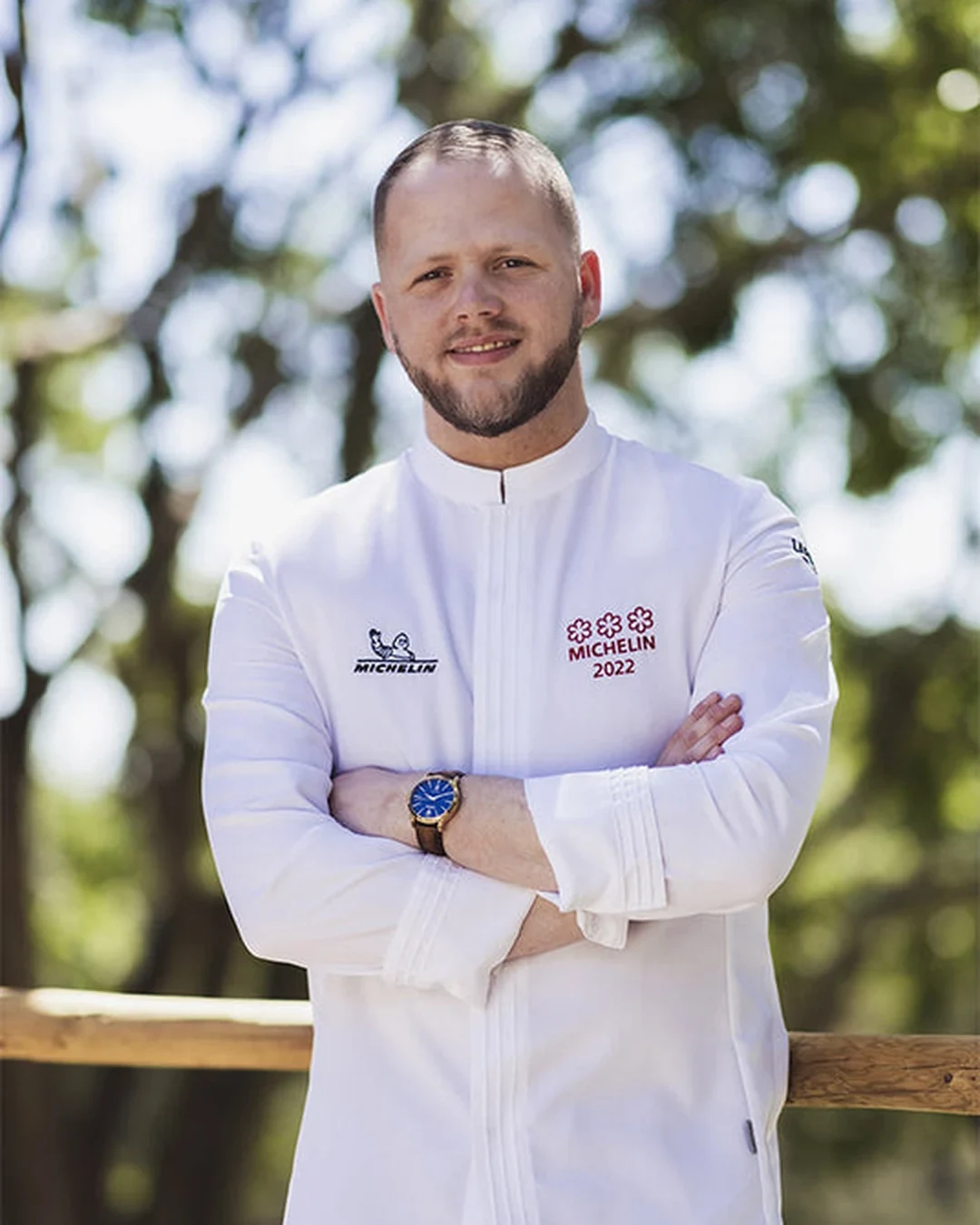
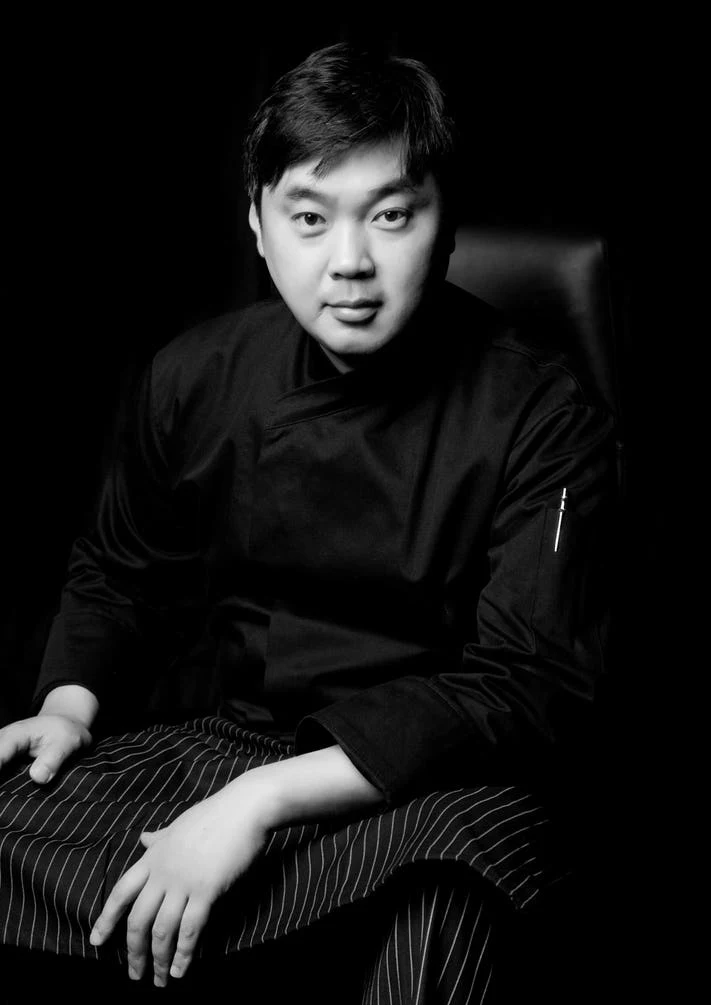
Made By profiles Mike Jae-Wook Kim (Head Chef, Zest), Kyung-Gu Lim (Executive Pastry Chef, Conrad Seoul) and Marco Seung-Chan Lee (Executive Chef, Conrad Seoul) at Zest.
How expensive is Zest?
Zest is listed at a price level of $$$$.
Where is Zest and what does it serve?
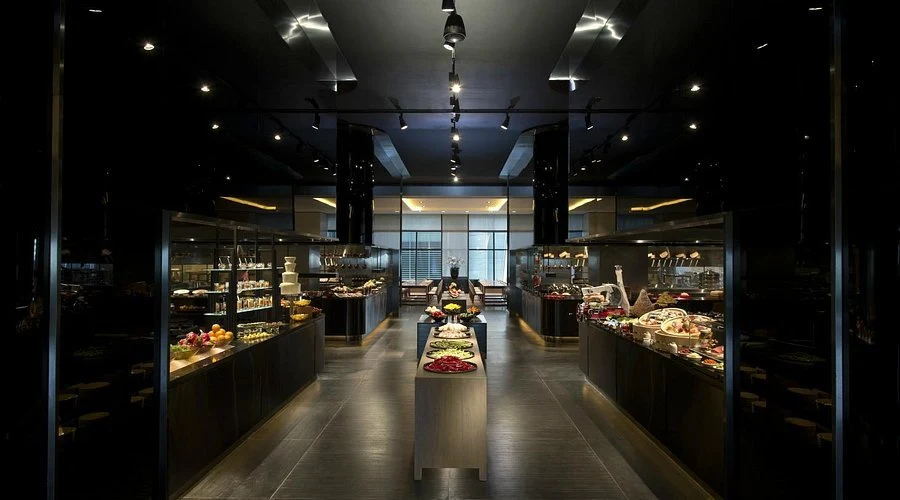
Zest is in 상수동, Seoul, serving Luxury International Buffet.
The field
How it compares
| Place | Cuisine | Notes | Awards |
|---|---|---|---|
| Zest | Luxury International Buffet | 상수동, $$$$ | · |
| alla prima | Modern Fusion Fine Dining | Seoul | Michelin 2 Stars, World's 50 Best |
| Eatanic Garden | Modern Korean Contemporary | Seoul | Michelin 1 Star, World's 50 Best |
| Evett | Modern Innovative Korean | Seoul | Michelin 2 Stars |
| Jungsik | Modern Korean Fine Dining | Seoul | Michelin 2 Stars, World's 50 Best |
| Mingles | Modern Korean Fine Dining | Seoul | Michelin 3 Stars, World's 50 Best |
| Onjium | Modern Korean Royal Court Cuisine | Seoul | Michelin 1 Star, World's 50 Best |
In residence
Similar places
Modern Fusion Fine Dining
alla prima
Seoul, South Korea
★★ · 50 Best
Modern Korean Contemporary
Eatanic Garden
Seoul, South Korea
★ · 50 Best
Modern Innovative Korean
Evett
Seoul, South Korea
★★
Modern Korean Fine Dining
Jungsik
Seoul, South Korea
★★ · 50 Best
Modern Korean Fine Dining
Mingles
Seoul, South Korea
★★★ · 50 Best
Modern Korean Royal Court Cuisine
Onjium
Seoul, South Korea
★ · 50 Best