i. Biography
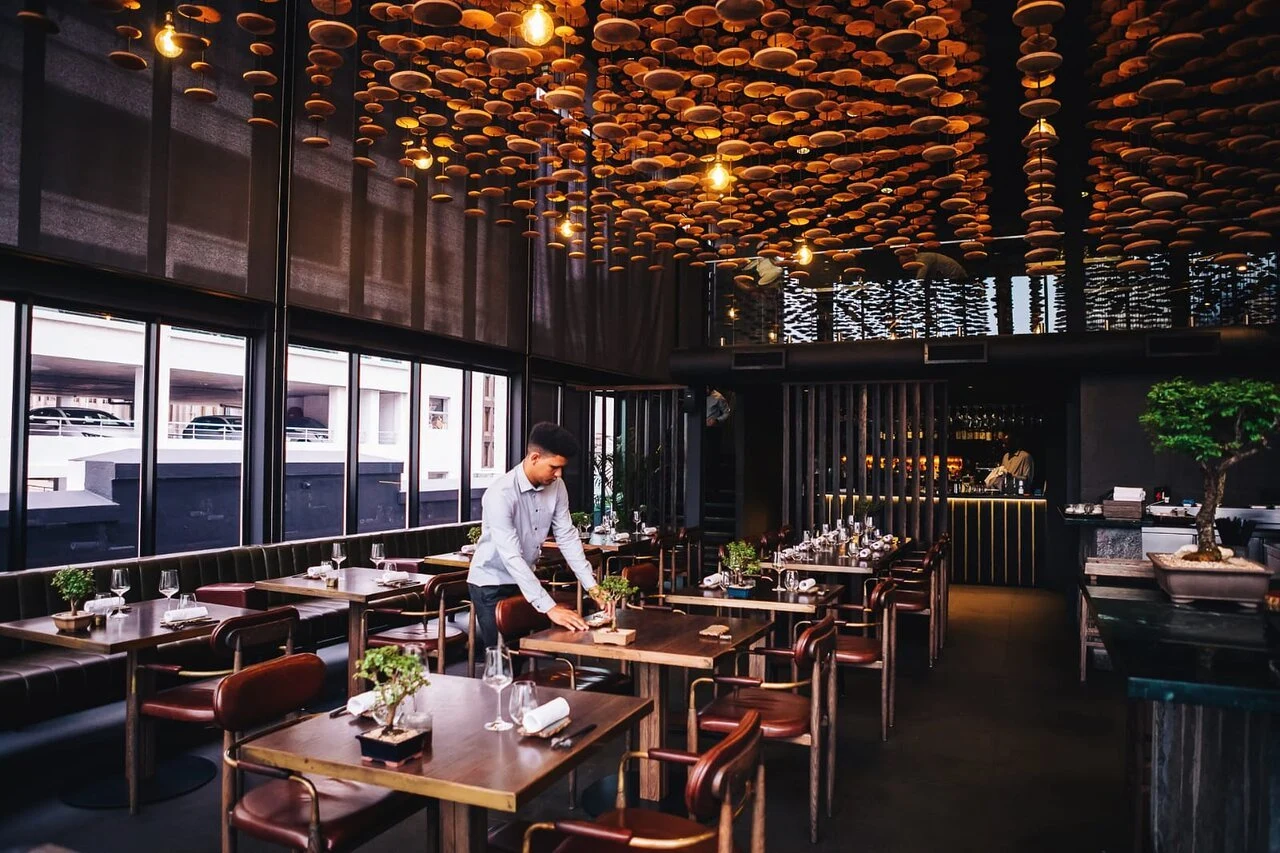
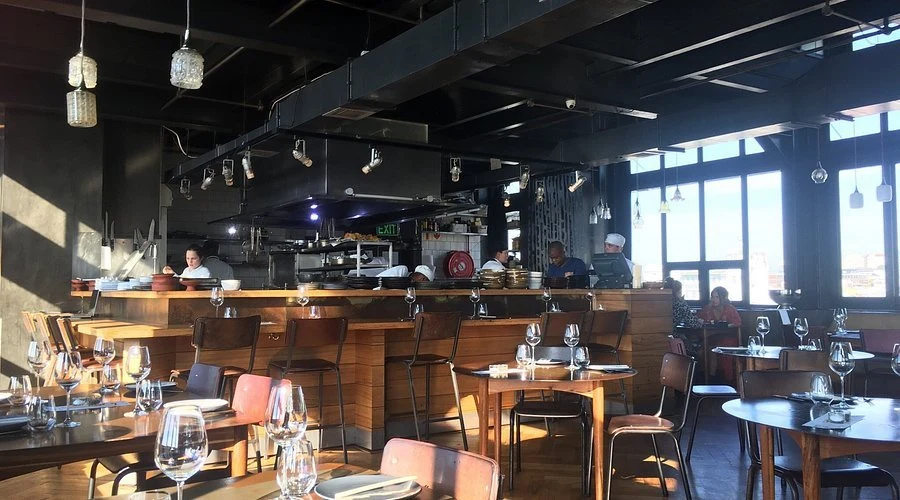
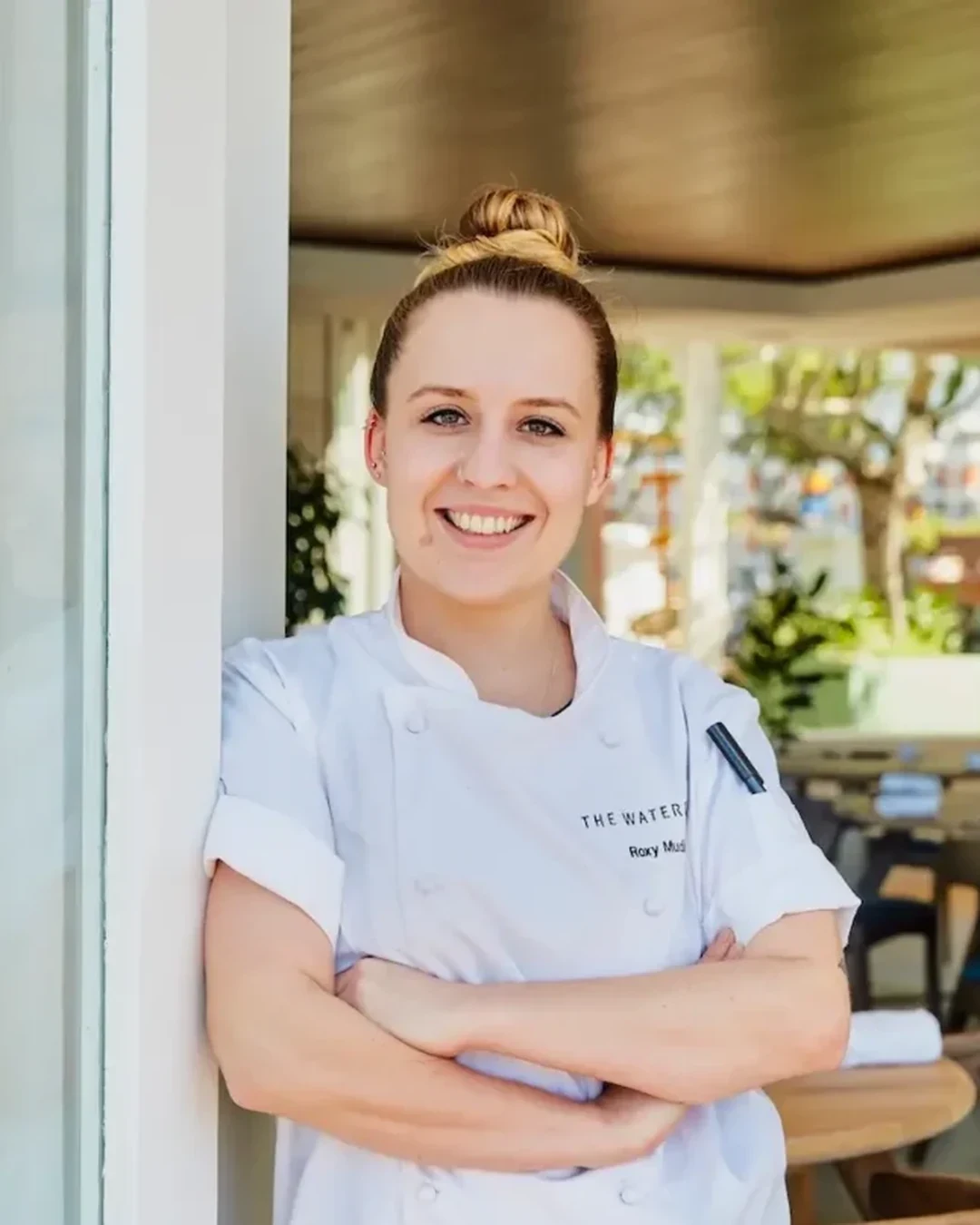
Silwood is the first named point in Roxie Mudie’s formation, the place from which the discipline of her cooking can be traced before it arrives at The Waterside in Cape Town, South Africa, where she leads the kitchen. The connection reads less like a rupture than a continuation: training, precision, locality, and a widening conversation with culinary traditions beyond South Africa, carried into a dining room defined by contemporary fine dining with South African influences.
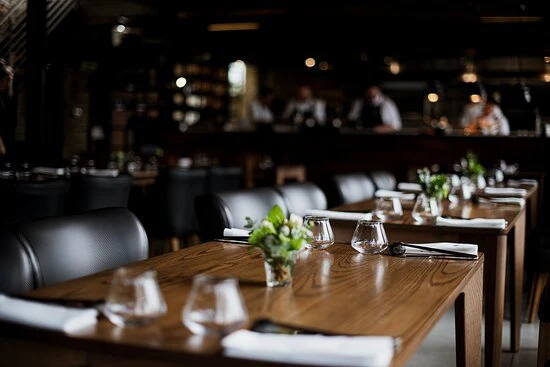
The Training Silwood grounds Mudie’s story in formal culinary education rather than mythology. That matters for the way her work is understood at the stove: not as instinct alone, but as a trained command of structure, timing, proportion, and presentation. At the Cape Town venue, that training shows in cooking described as technically precise, South African-inflected, carefully presented, and unfussy. The phrase is useful because it keeps the emphasis where the food appears to place it: on control without stiffness, on a South African point of view without theatrical explanation, and on plates that are composed without feeling burdened by their own design.
The Lineage The clearest lineage runs from Silwood into a kitchen that works with local South African produce and techniques drawn from broader culinary traditions. Rather than treating influence as a single inherited house, Mudie’s work holds several lines together: formal schooling, local ingredients, and a wider set of methods that give the food reach without loosening its Cape Town identity. That is the connective thread in her role leading the kitchen at The Waterside. Her position is not described through spectacle; it is described through the food itself, especially the way contemporary fine dining with South African influences becomes a practical language of produce, technique, restraint, and polish.
The Table On the 5-course dinner option, Waterside’s signature prawn toast and bonbon chest give the menu two concrete markers of the kitchen’s style. They also show how a signature can carry memory: a guest may recall not only a flavor, but the order, scale, and presentation of the meal around it. Seasonality comes into view through the winter special menu, described as beautifully plated cuisine starring seasonal ingredients. In that phrasing, the visual and the agricultural sit together: plating is part of the experience, but the ingredients remain the central actors. The result is a table that links South African produce, broader culinary technique, and a contemporary fine-dining frame without asking any one element to overwhelm the others. Mudie’s cooking, as described at the restaurant, favors precision, local inflection, careful presentation, and an unfussy finish — a set of choices that makes the lineage visible in the meal rather than in ornament around it.
FAQ What tradition or house shaped Roxie Mudie? Silwood shaped Roxie Mudie’s formal training, and her kitchen draws on local South African produce with techniques from broader culinary traditions. Who has Roxie Mudie mentored? A specific mentee is not identified. Who did Roxie Mudie train under? Her training is tied to Silwood; an individual teacher is not identified.