- Falstaff Winery - Listed · 2026
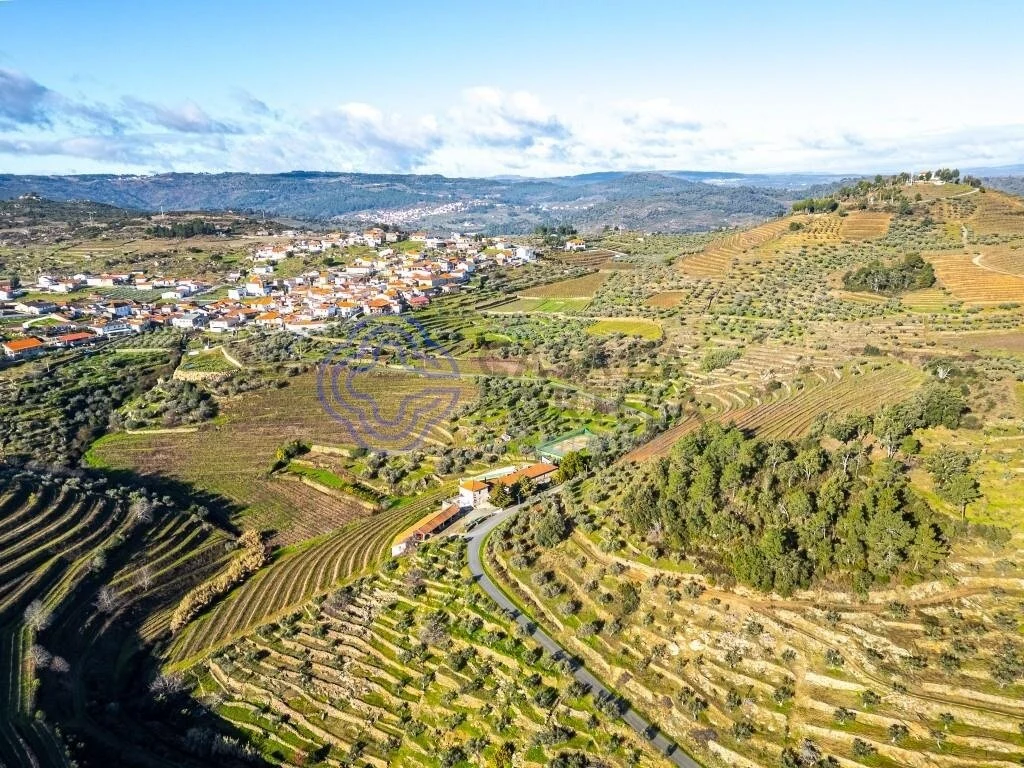
Approaching wine in Poutena means leaving behind grand-cellar choreography and focusing instead on a quieter, more local setting. Adega do Vadio fits that register: a small, family-run winery atmosphere shaped by traditional Bairrada winemaking and authentic local character. The appeal is rustic, quiet and classic rather than showy, the kind of place that is best understood through mood and scale rather than through a catalogue of visitor features. In this context, restraint is part of the identity. The venue reads as local first, with its value resting in the impression of place, tradition and modesty.
Because the public profile is limited, the safest way to read Adega do Vadio is as a modest Poutena wine stop rather than as a venue defined by claims about founders, vineyard size, grape lists, tasting formats or awards. Its confirmed identity rests on family-run scale, traditional Bairrada focus and a hidden-gem feel. That narrower framing is important: it keeps expectations realistic and avoids turning a quiet winery reference into something more elaborate than the available information supports. For visitors, the interest lies less in spectacle and more in the possibility of encountering Bairrada wine culture in a simple, grounded setting.
Bairrada character in a small winery setting
The strongest grounded argument for Adega do Vadio is not a long list of amenities or technical details. It is the atmosphere: small, quiet, rustic and tied to local Bairrada winemaking traditions. For travelers who prefer understated places with a clear sense of origin, that is the main reason to keep it on a Poutena itinerary. The emphasis is on a classic regional feeling rather than on polished performance. In that sense, Adega do Vadio belongs to the category of places where the setting itself does much of the work: modest scale, local association and a traditional tone create the appeal.
The venue is best presented as a traditional local winery experience rather than a hospitality complex. Specifics such as grape varieties, production methods, vineyard area, formal tasting arrangements or food service should be confirmed directly before planning around them. That caution is not a drawback so much as a useful way to approach the stop. Instead of assuming a structured program, visitors should think of Adega do Vadio as a small-scale Bairrada reference and allow the practical details to be clarified at the source. This keeps the focus on what is known: family-run character, rustic atmosphere and a local wine identity.
A village-tempo wine stop in Poutena
Adega do Vadio’s profile points to a family-run winery atmosphere with authentic local character. That makes it feel better suited to visitors looking for a calm, classic Bairrada context than to those seeking a large-scale or highly produced visitor experience. The phrase “village-tempo” is useful here because it suggests a slower rhythm and a more personal scale, without implying any specific format or service. It is the opposite of a destination built around grand gestures. The point is quietness, and that quietness is central to the way the venue should be read.
The price level is listed as $$, placing it in a moderate bracket. This supports the overall impression of a venue that is approachable rather than luxurious, though it should not be stretched into assumptions about exact costs, inclusions or tasting structures. As with the rest of the profile, the price signal is best taken as a broad guide. Anyone planning a visit should still confirm directly if budget, availability or arrangements matter to the day.
Travelers building a fuller Poutena stay can compare it with other dining in the area in a general way, but Adega do Vadio’s own draw remains its quiet, rustic winery character. It is not mainly described through food, entertainment or a broad hospitality offering. Its place in an itinerary is more specific: a calm wine-focused stop that adds local Bairrada texture to the surrounding visit. For those who value smaller venues, that may be exactly the point.
How to read this stop within Portuguese wine
Adega do Vadio is most useful as a Poutena reference point for traditional Bairrada winemaking on a small, family-run scale. It should not be framed through awards, rankings, named founders, exact production data or a detailed drinks program. That restraint matters, particularly in Portuguese wine travel, where the temptation is often to define every stop by credentials, lists and formal claims. Here, the more accurate reading is simpler and more local. Adega do Vadio should be understood as part of the quieter side of wine tourism, where regional identity and setting provide the main context.
Its appeal is narrower and more grounded: a quiet hidden-gem atmosphere, classic local character and a focus on traditional Bairrada wine culture. For visitors, the practical takeaway is simple: treat it as a modest, locally rooted winery in Poutena and confirm any operational details directly before making plans. That approach protects the experience from overexpectation while still recognizing why the stop may be worthwhile. Adega do Vadio is best valued for what is already clear in its profile: small scale, family-run atmosphere, rustic calm and a traditional Bairrada sensibility.
Questions
Frequently asked
Who works at Adega do Vadio?
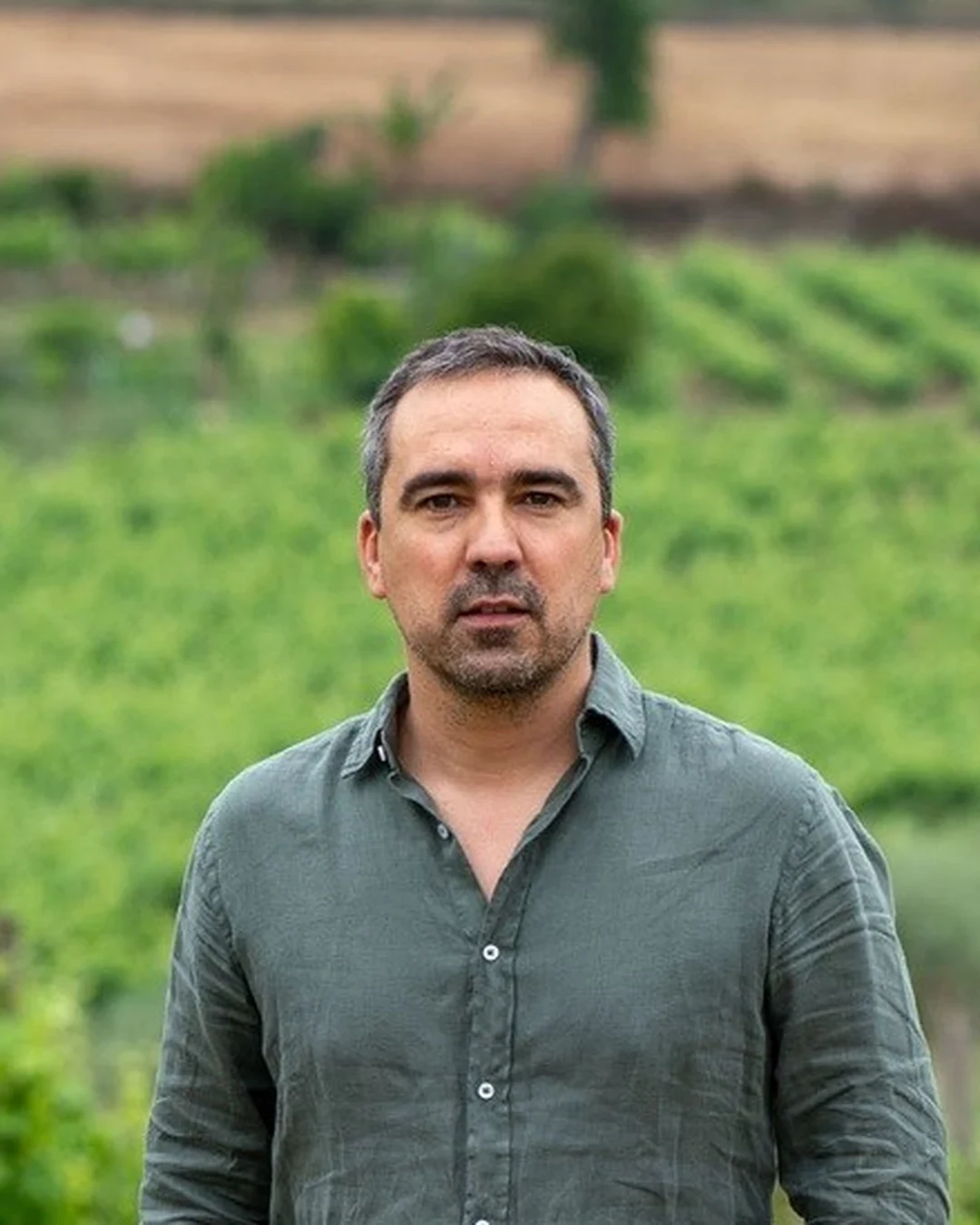
Made By profiles Luís Patrão (Winemaker) at Adega do Vadio.
How expensive is Adega do Vadio?
Adega do Vadio is listed at a price level of $$.
The field
How it compares
| Place | Notes | Awards |
|---|---|---|
| Adega do Vadio | Poutena, $$ | · |
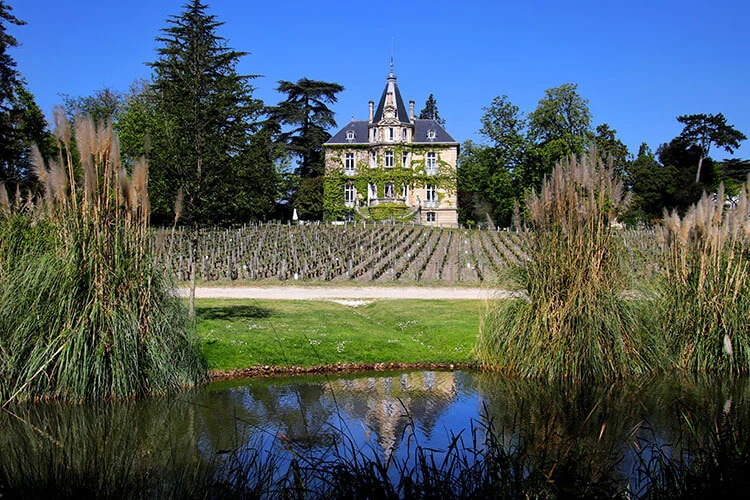
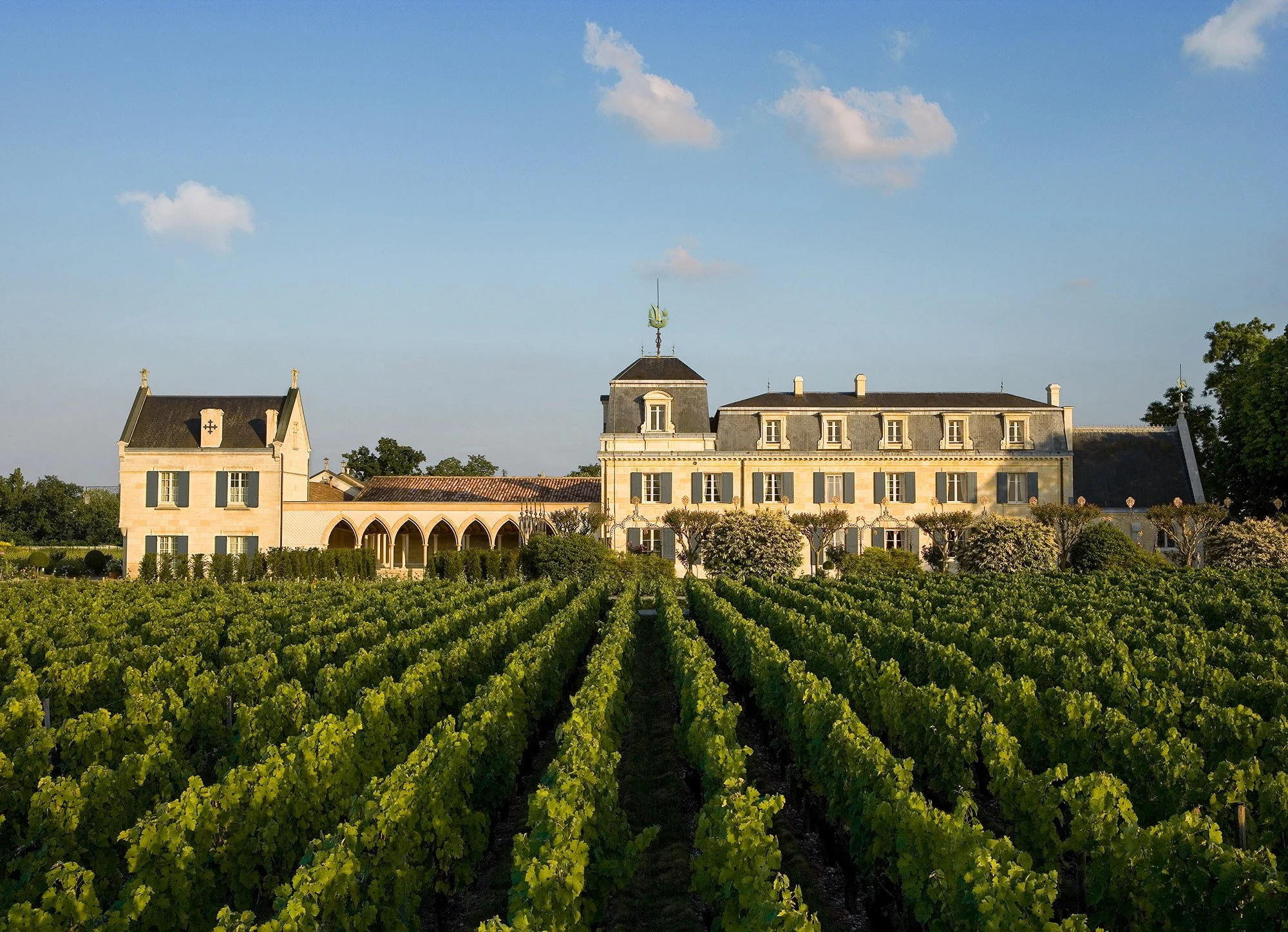
| Château La Conseillante | Pomerol | · |
| Château Les Carmes Haut-Brion | Bordeaux | · |
| Domaine Clarence Dillon | Pessac | · |
| Hundred Acre | Napa | · |
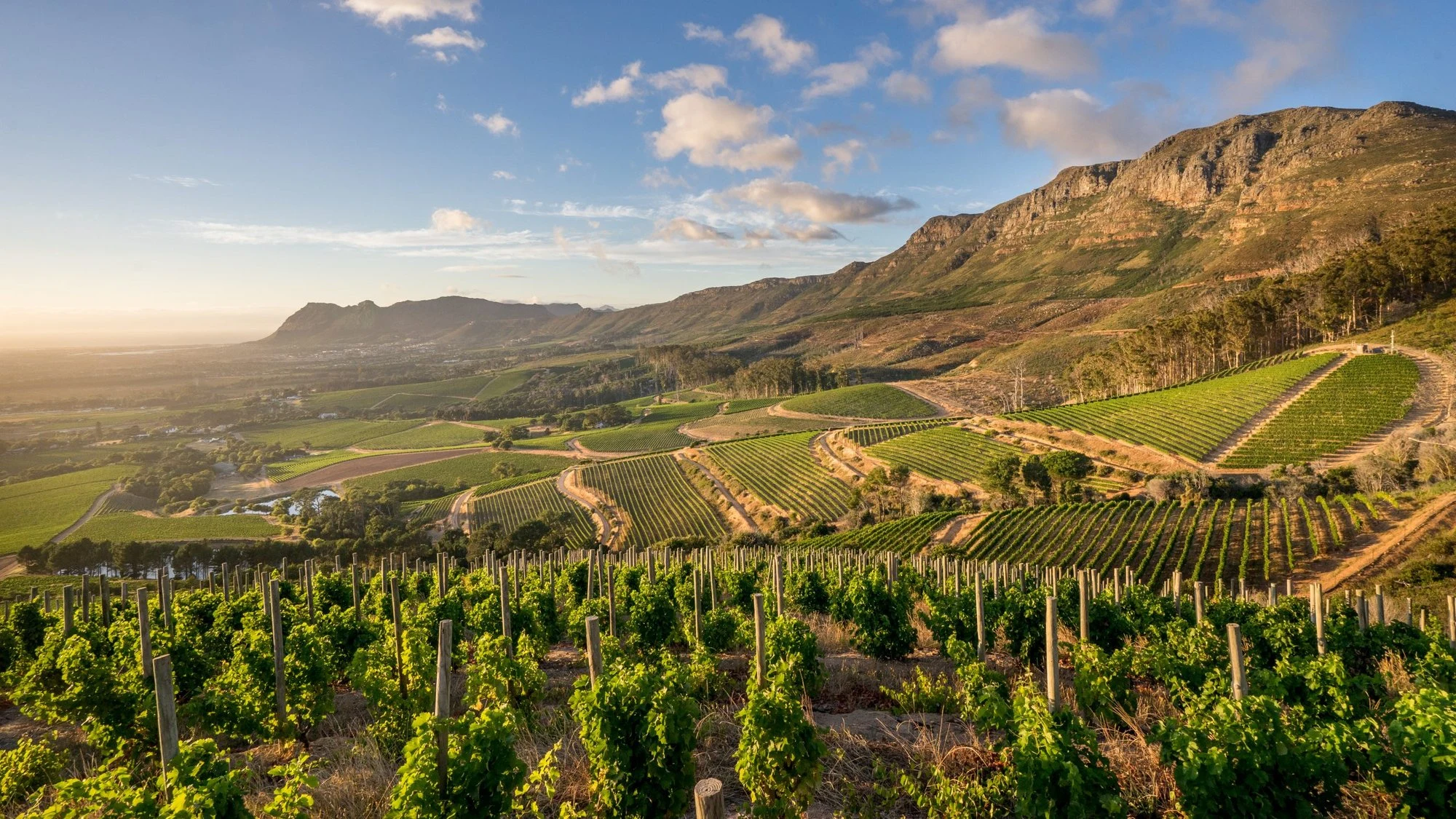
| Klein Constantia | Cape Town | World's 50 Best |
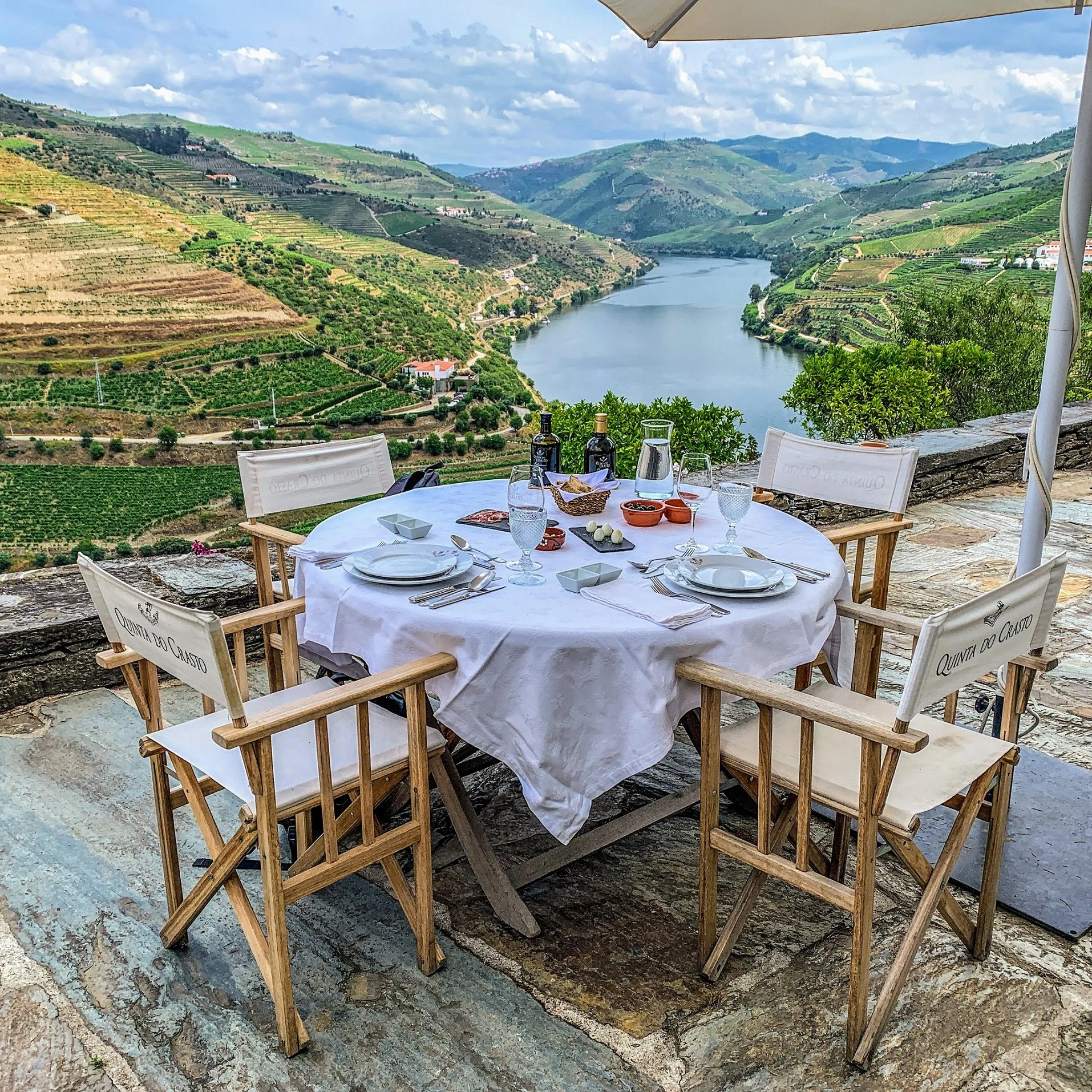
| Quinta do Crasto | Sabrosa | World's 50 Best |