Amilinda

In Residence
Gregory León
Chef
- 01CuisineSpanish & Portuguese Inspired
- 02CityMilwaukee, United States
- 03RecognitionJames Beard Award
- James Beard Winner · James Beard Foundation
- James Beard Award Semi Finalist · 2025
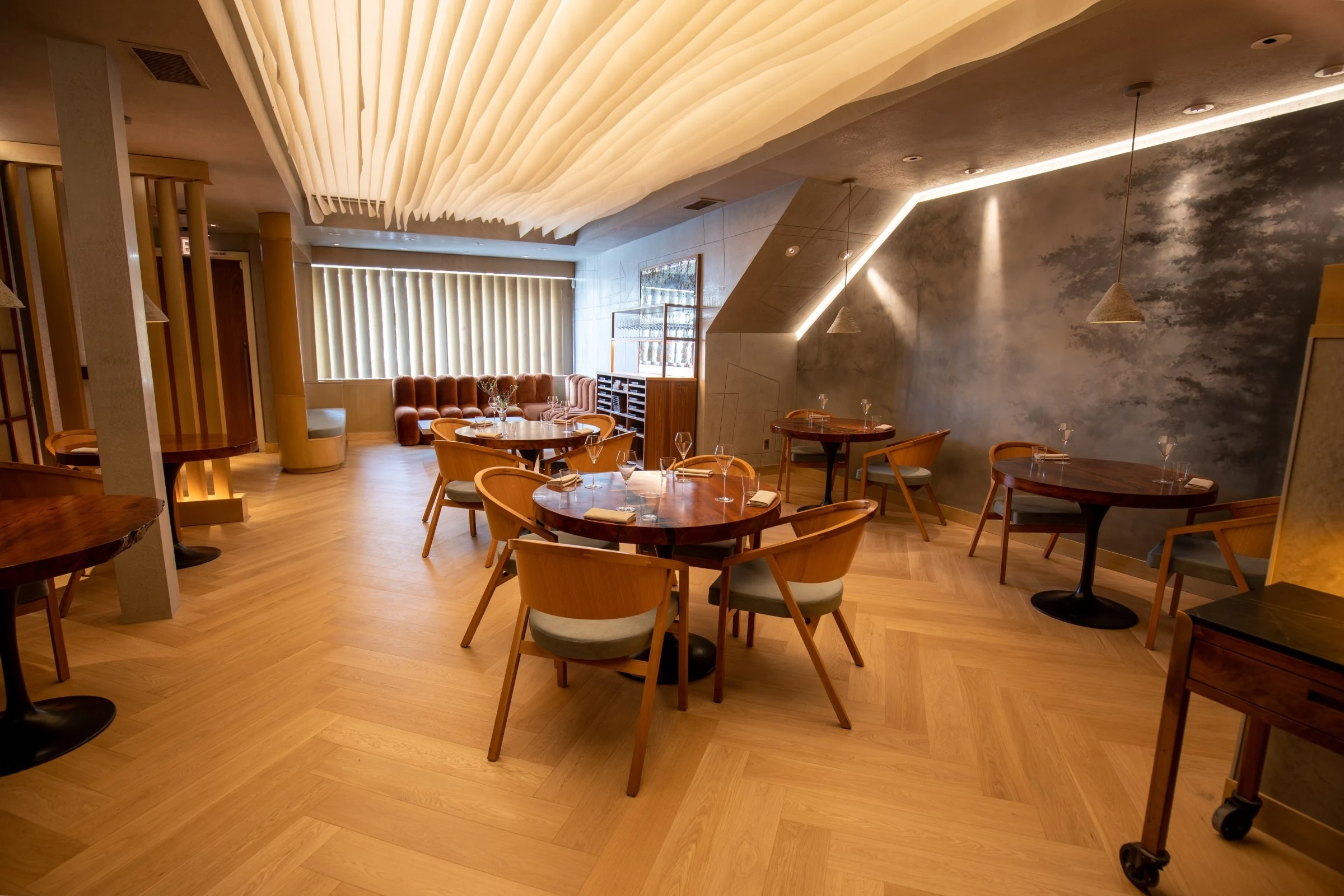
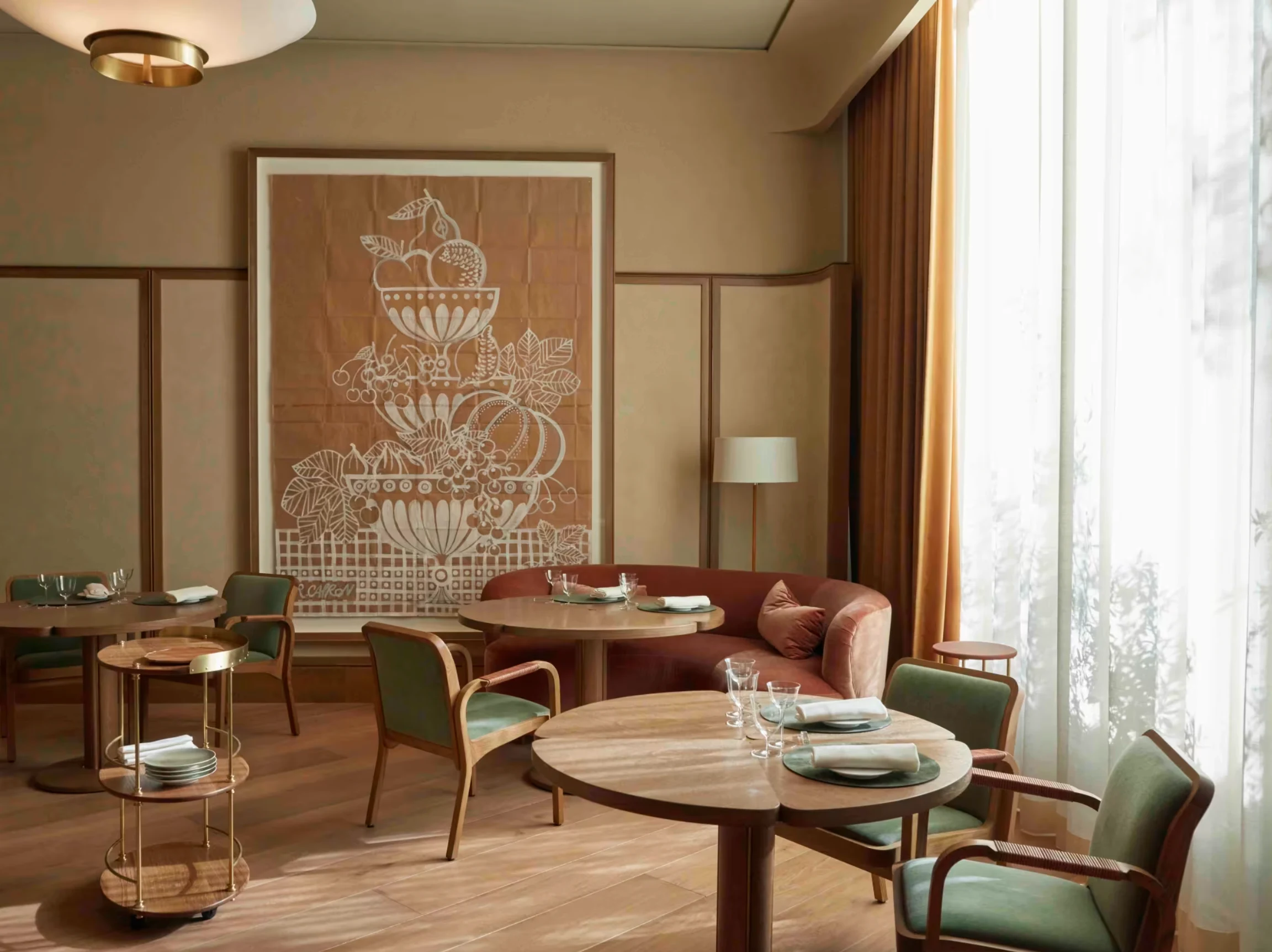
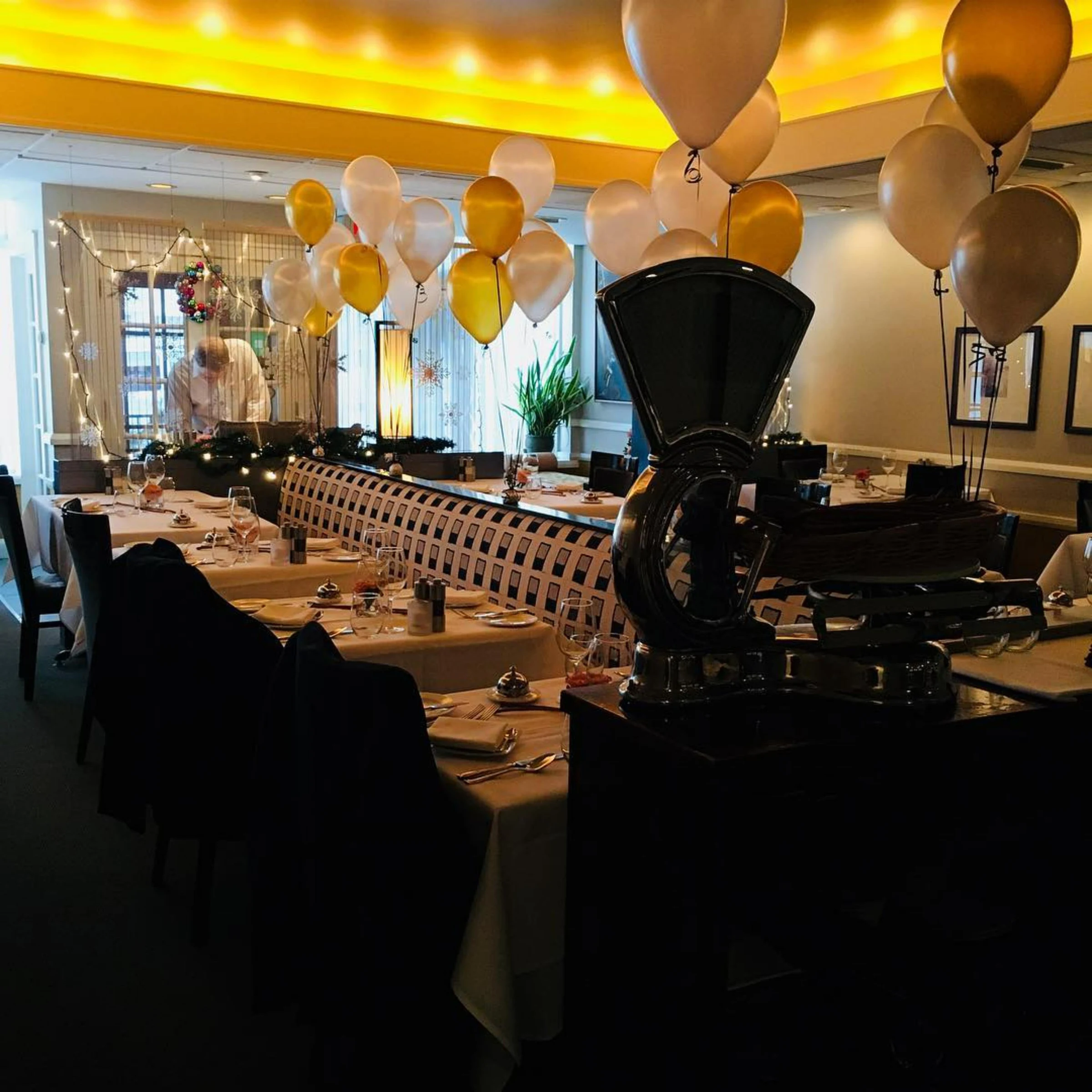
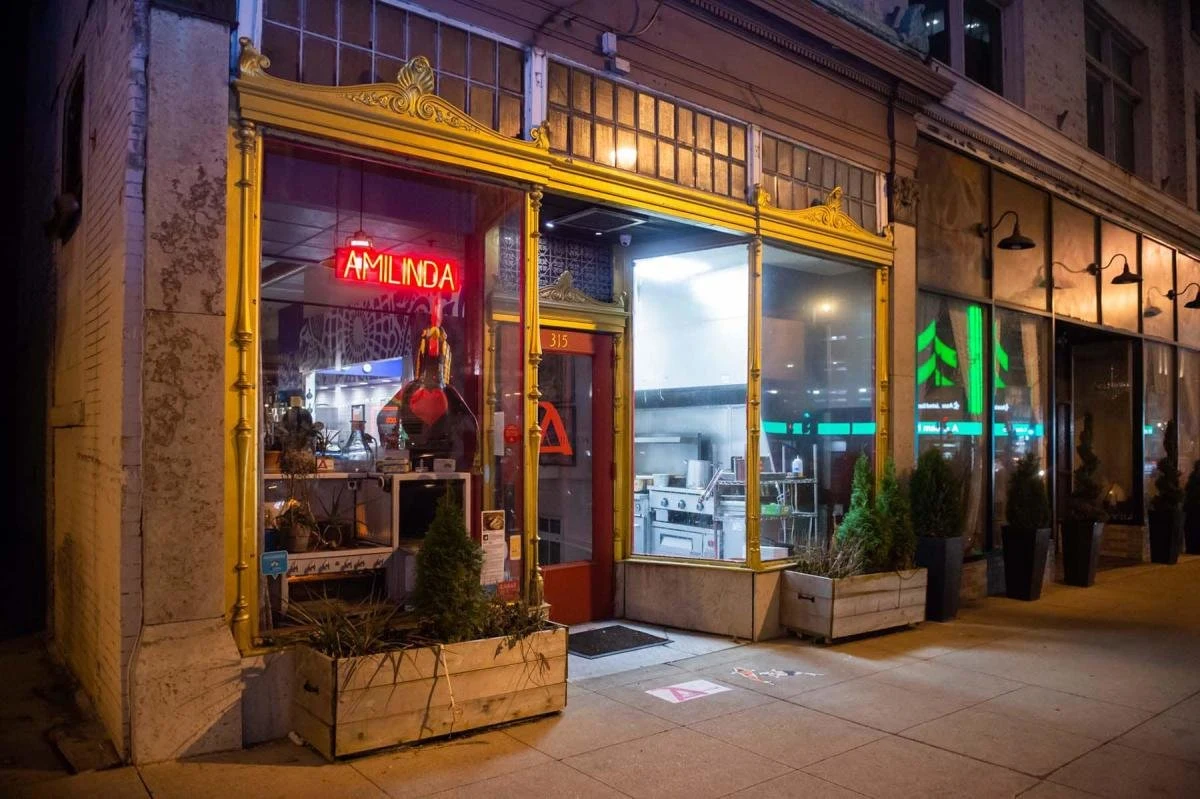
Amilinda is a restaurant in downtown Milwaukee serving Spanish and Portuguese inspired cuisine, with an average price around $60 per person. Downtown Milwaukee's East Wisconsin Avenue corridor carries the architectural confidence of a city that built its identity on industry and commerce. The street-level presence of 315 E Wisconsin Ave drops you into that civic fabric before any dish arrives: the kind of address that says restaurant of intent rather than restaurant of occasion. Amilinda occupies that position in Milwaukee's serious dining tier, a tier that has grown more legible over the past decade as the city's food scene separated into neighborhood casual on one end and destination-grade precision dining on the other.
Where Milwaukee's Destination Dining Sits Right Now
Milwaukee's upper dining bracket shares structural similarities with mid-sized American cities that have seen genuine culinary investment without the corresponding boom in reservation infrastructure that cities like Chicago or New York require. That means a handful of restaurants, Amilinda among them, operate with the ambition of places like Smyth in Chicago but within a local market that still rewards consistency over novelty. The comparison set is instructive: where Blue Hill at Stone Barns in Tarrytown or Single Thread Farm in Healdsburg have built farm-to-counter pipelines with significant land and capital behind them, Milwaukee restaurants working in this register tend to source laterally, through Midwest regional producers, Great Lakes fisheries, and Wisconsin dairy and grain networks.
That sourcing context matters because it shapes what precision dining actually tastes like in this part of the country. The Iberian culinary tradition that informs Amilinda's approach, particularly the Spanish and Portuguese emphasis on restraint in technique and respect for primary ingredient quality, translates well to the Upper Midwest pantry. Cured pork, aged cheese, hearty legumes, root vegetables, fresh-water fish: the regional larder and the Iberian pantry overlap more than they diverge, which gives the kitchen's ingredient sourcing philosophy coherence rather than novelty.
The Sourcing Logic Behind the Menu
Restaurants that frame themselves around Iberian technique in American cities often face a sourcing credibility question: how much of the pantry is genuinely local, and how much is imported product dressed in a regional identity? The most compelling version of this approach, seen also at places like Providence in Los Angeles with its Pacific seafood sourcing or Addison in San Diego with its California agriculture program, is when the kitchen builds a supply chain specific enough to name producers and seasonal enough to reflect actual harvest cycles rather than static menu templates.
In Wisconsin, that means leaning into what the state actually produces at a high level: dairy from small-scale creameries that have no national distribution, pork from farms operating outside commodity systems, and seasonal vegetables from growers who supply a narrow list of serious kitchens. The Great Lakes add a freshwater dimension rarely present in Iberian-influenced American cooking, and the region's cheese tradition, one of the most developed in the country, gives any kitchen working in this space a resource that most coastal restaurants can only approximate with imported product.
For a comparative frame, the sourcing discipline at Amilinda sits in the same philosophical space as Atelier Moessmer Norbert Niederkofler in Brunico, where Alpine regionalism drives every supply decision, or the farm-direct model that has made The Inn at Little Washington in Washington one of the most closely watched kitchen-to-farm programs in the American mid-Atlantic. The scale is different, but the underlying logic, that the origin of an ingredient is inseparable from its preparation, is the same.
In the Context of Milwaukee's Broader Scene
Milwaukee's serious restaurant tier is smaller than its civic size would suggest, which concentrates attention on the restaurants that operate at this level. Bacchus, a Bartolotta Restaurant and Bartolotta's Lake Park Bistro hold the French-influenced fine dining position in the market, while The Diplomat and Birch occupy the progressive American space. Amilinda sits apart from both groups: its Iberian reference point gives it a distinct identity in a city where that culinary tradition has shallow local roots, which makes the sourcing specificity more important, not less. When the pantry is local but the technique is imported, the connection between ingredient and method has to do the explanatory work that geography alone cannot.
The comparison extends to price tier and occasion type. In a market where Botanas Restaurant represents the casual neighborhood end of the dining spectrum, Amilinda operates at the planned-evening end, in the company of restaurants nationally that reward advance reservation, deliberate menu reading, and willingness to follow a kitchen's seasonal logic rather than ordering from a fixed menu. That puts it closer in spirit to Lazy Bear in San Francisco or Atomix in New York City than to casual mid-price dining, even if the price point and geography differ significantly.
Planning Your Visit
Amilinda is located at 315 E Wisconsin Avenue in downtown Milwaukee, accessible from most of the city's central neighborhoods without significant transit difficulty. For a destination-tier restaurant operating in this format, the standard planning logic applies: book as far ahead as the reservation system allows, treat the menu as a document to be read rather than a list to be customized, and plan the evening around the kitchen's pace rather than an external schedule.
Those seeking national comparison points for what this tier of Midwestern precision dining can produce should look at how ingredient sourcing programs have defined similar restaurants elsewhere: Le Bernardin in New York City on seafood sourcing discipline, Emeril's in New Orleans on regional pantry integration, and The French Laundry in Napa on how sourcing philosophy becomes menu philosophy. Amilinda operates at a different scale than any of those, but the underlying commitment to knowing where the food comes from before deciding what to do with it belongs to the same lineage.
Questions
Frequently asked
What recognition does Amilinda hold?
Amilinda holds a James Beard award.
Who works at Amilinda?
Made By profiles Gregory León (Chef) at Amilinda.
How expensive is Amilinda?
Amilinda is listed at a price level of $$$.
Where is Amilinda and what does it serve?
Amilinda is in Juneau Town, Milwaukee, serving Spanish & Portuguese Inspired.
The field
How it compares
| Place | Awards | Cuisine | Notes |
|---|---|---|---|
| Amilinda | James Beard | Spanish & Portuguese Inspired | Juneau Town, $$$ |
| Atelier Crenn | Michelin 3 Stars, World's 50 Best | Contemporary French Fine Dining | San Francisco |
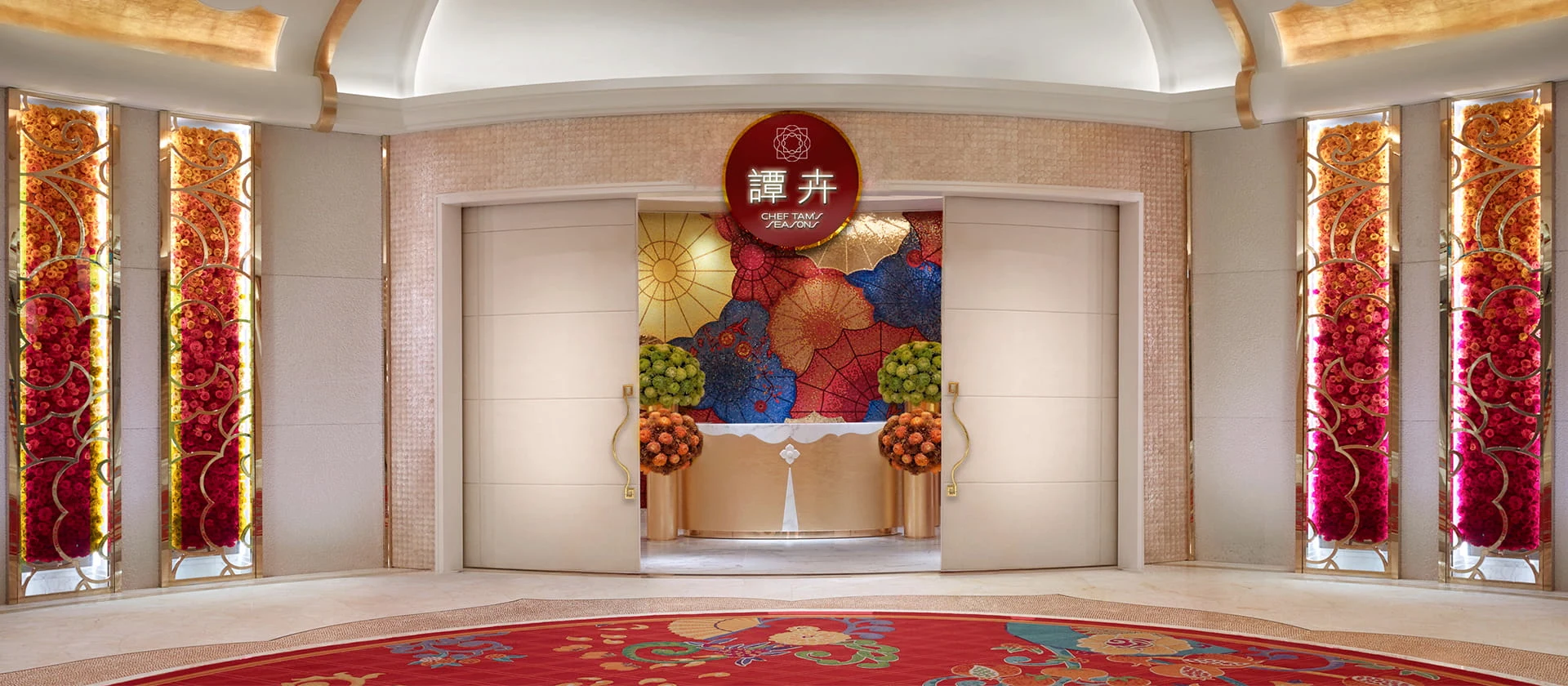
| Chef Tam's Seasons | Michelin 2 Stars, World's 50 Best | Modern Cantonese Fine Dining | Macau |
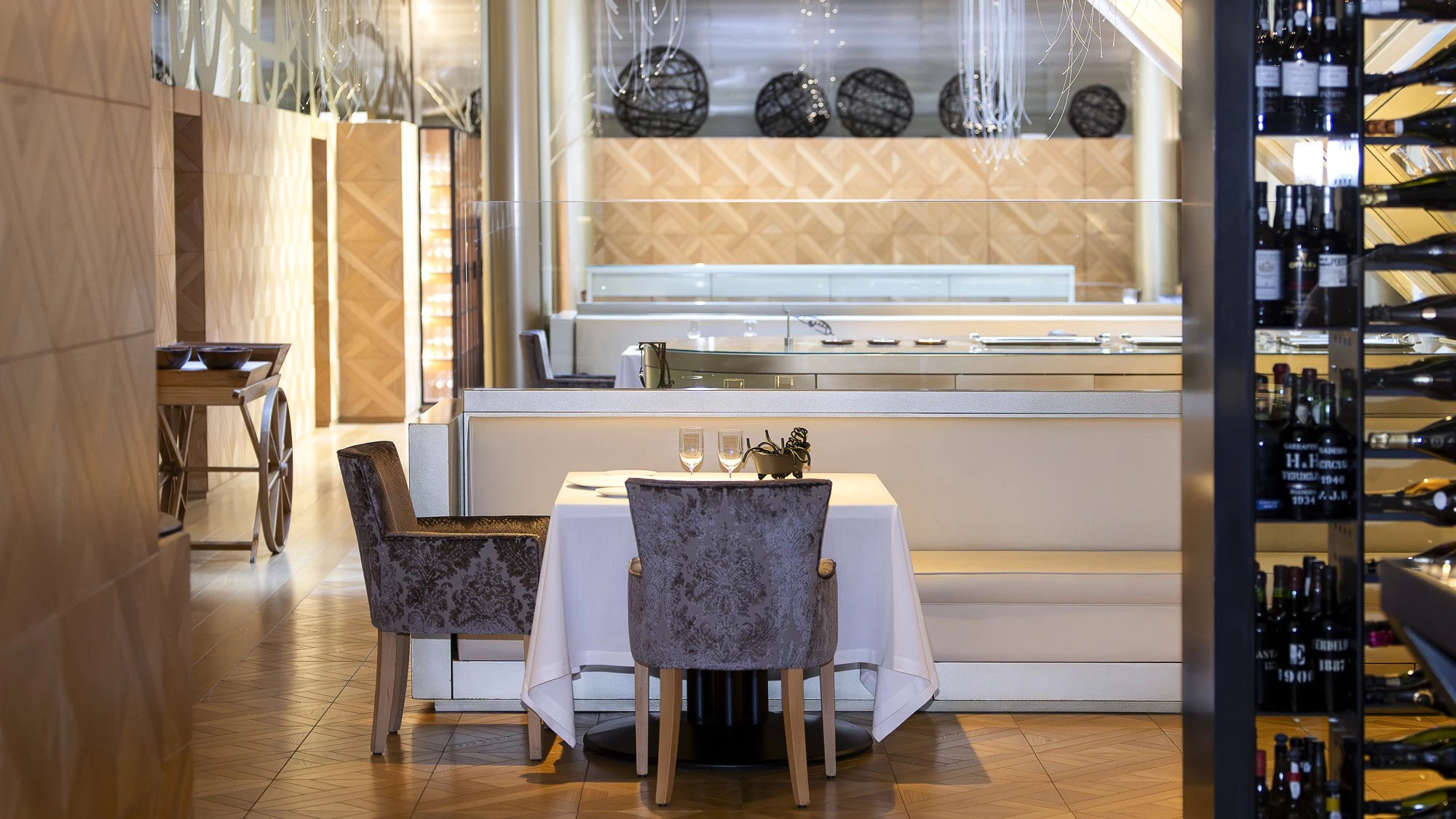
| Lasarte | Michelin 3 Stars | Modern Basque-Mediterranean Fine Dining | Barcelona |
| Providence | Michelin 3 Stars, World's 50 Best | Modern Seafood Fine Dining | Los Angeles |
| Quince | Michelin 3 Stars, World's 50 Best | Modern French Fine Dining | San Francisco |
| Sanford | · | Contemporary American Fine Dining | Milwaukee |
In residence
Similar places
Contemporary French Fine Dining
Atelier Crenn
San Francisco, United States
★★★ · 50 Best
Modern Cantonese Fine Dining
Chef Tam's Seasons
Macau, Macau
★★ · 50 Best
Modern Basque-Mediterranean Fine Dining
Lasarte
Barcelona, Spain
★★★
Modern Seafood Fine Dining
Providence
Los Angeles, United States
★★★ · 50 Best
Modern French Fine Dining
Quince
San Francisco, United States
★★★ · 50 Best
Contemporary American Fine Dining
Sanford
Milwaukee, United States