- Falstaff Winery - 3 Stars · 2026
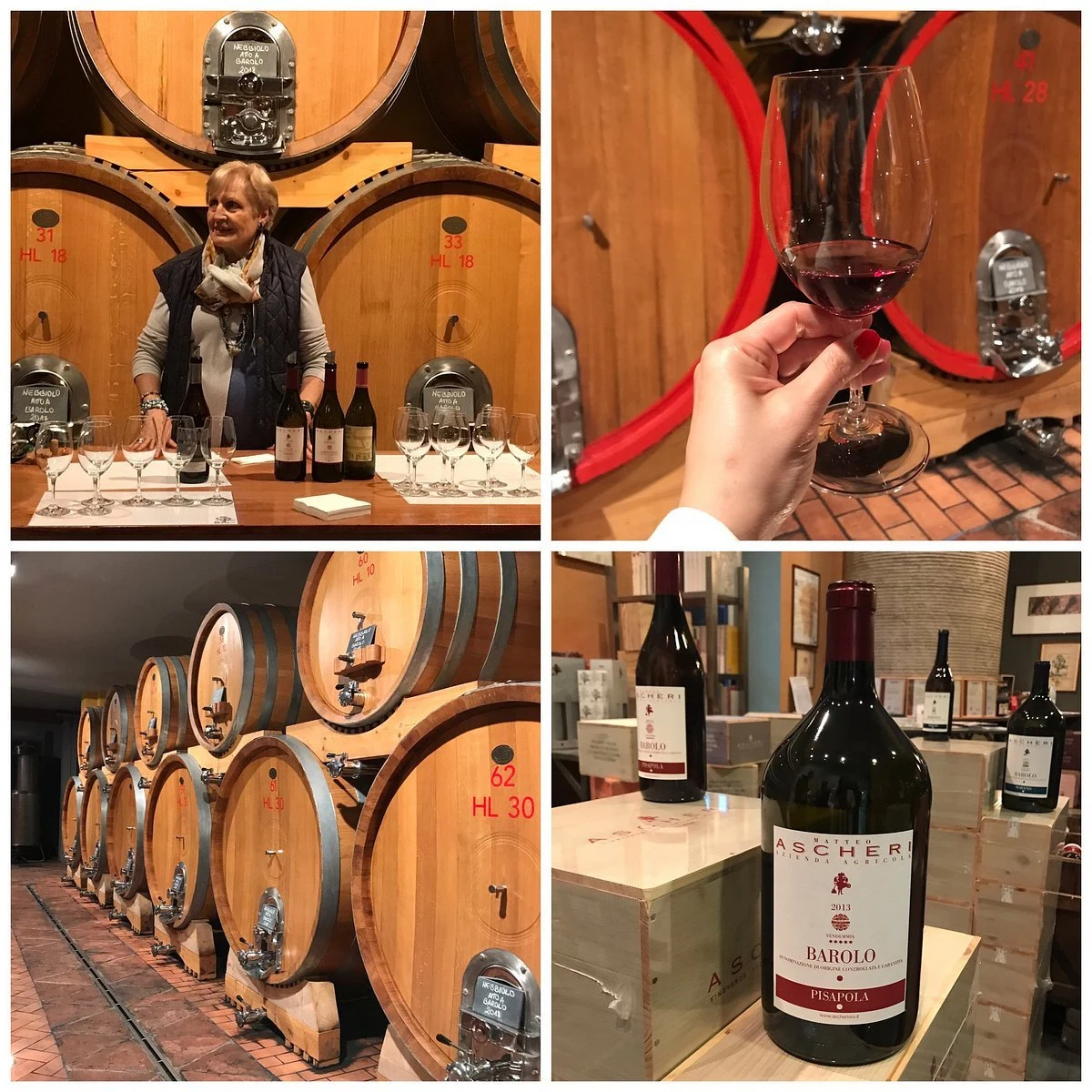
In Bra, Cantine Ascheri Giacomo offers a cellar experience rooted in the Langhe rather than a flashy presentation. The appeal is the setting: a historic family cellar in town, with guided walks through traditional Barolo-aging rooms and production areas. It is the kind of visit where the place itself carries much of the interest, because the rooms, the working context and the quiet rhythm of the cellar frame the wine before anything is poured or explained.
The visit is best understood as quiet and educational. Rather than presenting the cellar through spectacle or technology, the experience is framed around vineyard expression, the atmosphere of older production spaces and the slower language of Barolo aging. That restraint is important: the cellar does not ask to be experienced as a staged attraction, but as a working, historically grounded environment where the essential subjects are place, time and the character of the wine.
Barolo seen through Bra, not the vineyard postcard
Cantine Ascheri Giacomo gives visitors a Bra-based way to think about the Langhe. The experience is not built around panoramic vineyard views; it is built around cellar rooms, production context and the relationship between place, aging and wine. For travelers who arrive with a mental image of the Langhe as rolling hills and vineyard landscapes, this shifts the focus indoors and into town, where Barolo is considered through the spaces in which it is aged and explained.
That town setting is part of the interest. For guests planning wine time in Bra, the cellar offers a more grounded, practical counterpoint to the countryside image often associated with the Langhe. It places the visit within the everyday fabric of the town rather than treating wine as something that only belongs to scenic overlooks and vineyard roads. The result is less postcard-like, but often more useful for understanding how wine culture sits inside a real local setting.
The most useful way to approach the visit is as an introduction to how Barolo-aging spaces shape the conversation around the wine. The emphasis is educational rather than theatrical, with the cellar itself doing much of the work. Moving through these rooms gives structure to the visit: it creates a direct sense of why aging matters, why atmosphere matters and why a cellar can be more than a backdrop. The point is not to overwhelm visitors, but to give them a calm framework for thinking about the wine.
Traditional technique, measured modern choices
The character of Cantine Ascheri Giacomo is traditional in tone: guided movement through Barolo-aging rooms and production areas, with attention placed on vineyard expression rather than on flashy technology. That traditional tone does not need to be overstated. It comes through in the way the experience prioritizes the cellar, the production setting and the idea that wine should be understood through its origins and its time in the aging room.
That makes the experience especially suitable for visitors who want context. The cellar does not need to be read through technical claims or invented production detail; its confirmed strength is the calm, classic atmosphere of a historic Langhe family cellar in Bra. Visitors looking for a louder or more entertainment-driven format may find the approach understated, but for those who value explanation, continuity and a sense of place, the restraint is exactly the point.
The price level is listed as $$, placing it in a moderate bracket for planning purposes. For visitors building a wider itinerary, other dining, wine and hospitality options in Bra can be considered separately. Within that planning, Cantine Ascheri Giacomo works well as the cellar component of the day: a place to slow down, step into the production context and give shape to the Barolo conversation before or after exploring the town in other ways.
A cellar visit for drinkers who want context
The core experience is a guided cellar walk through traditional Barolo-aging rooms and production areas. The tone is quiet, classic and educational, with the visit focused on understanding the cellar and its vineyard-led point of view. This makes it approachable for visitors who may not want a highly technical session, while still giving enough substance for those who care about how wine is formed by place, cellar practice and time.
Cantine Ascheri Giacomo is therefore well suited to guests who prefer context over performance. It is a strong fit for travelers who want a measured Langhe cellar experience within Bra. The visit’s value lies in its balance: it is not trying to replace the wider range of the Langhe, but to offer a town-based perspective on it, using the cellar as the lens through which Barolo becomes easier to understand.
For broader planning, keep Cantine Ascheri Giacomo as the reference point for this Bra cellar visit, and compare other local options generically by atmosphere, price level and how much wine education you want from the day. If your priority is a calm encounter with a historic family cellar, traditional aging spaces and a clear sense of vineyard expression, this is the kind of stop that gives the itinerary depth without adding unnecessary noise.
Questions
Frequently asked
Who works at Cantine Ascheri Giacomo?
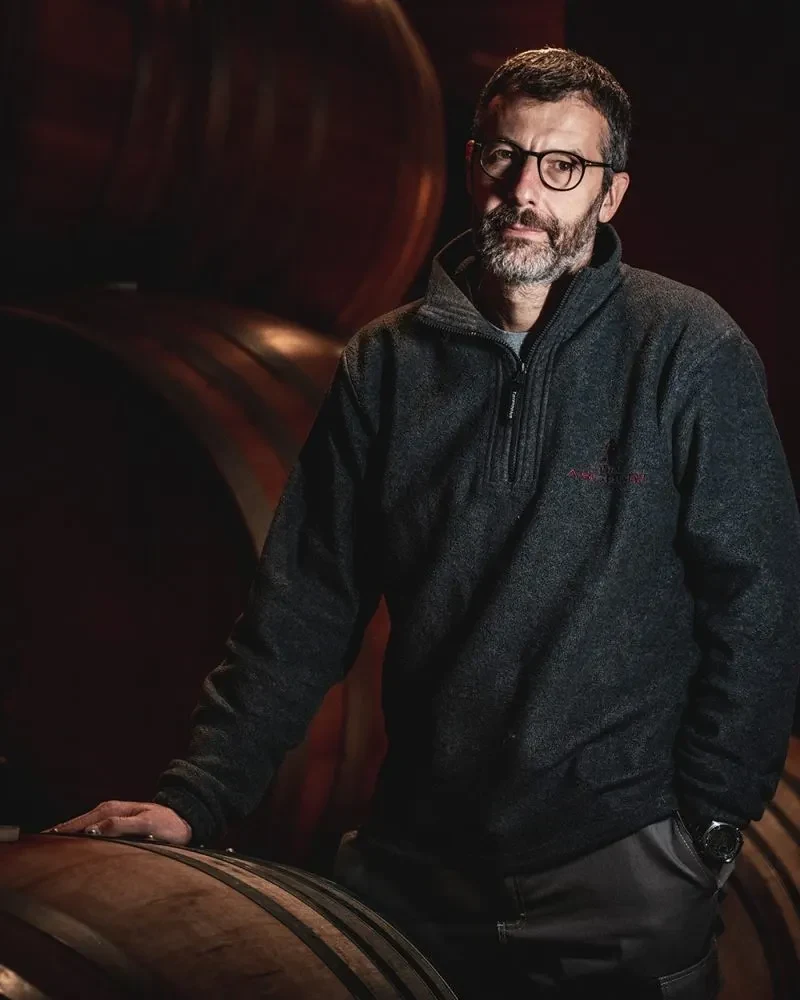
Made By profiles Giuliano Bedino (Winemaker) and Matteo Ascheri (Winemaker) at Cantine Ascheri Giacomo.
How expensive is Cantine Ascheri Giacomo?
Cantine Ascheri Giacomo is listed at a price level of $$.
The field
How it compares
| Place | Notes | Awards |
|---|---|---|
| Cantine Ascheri Giacomo | Bra, $$ | · |
| Château Lafleur | Pomerol | · |
| Château Palmer | Margaux | · |
| Château Pichon-Longueville-Comtesse-de-Lalande | Pauillac | · |
| Masseto | Castagneto Carducci | · |
| Mission Hill Family Estate | West Kelowna | World's 50 Best |
| Quinta do Noval | Pinhão | World's 50 Best |