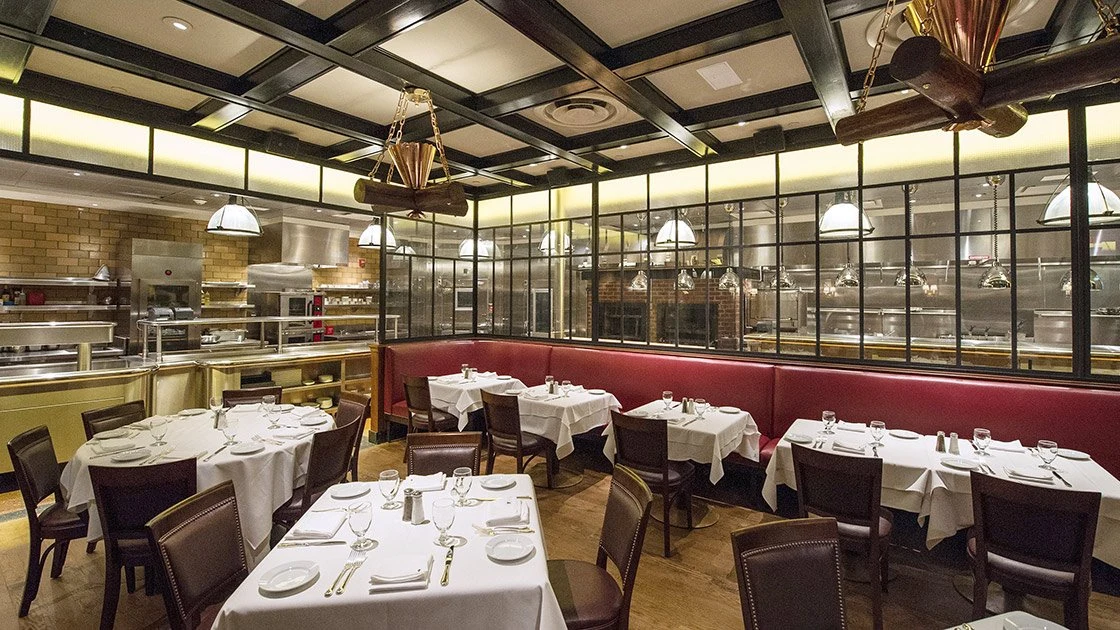
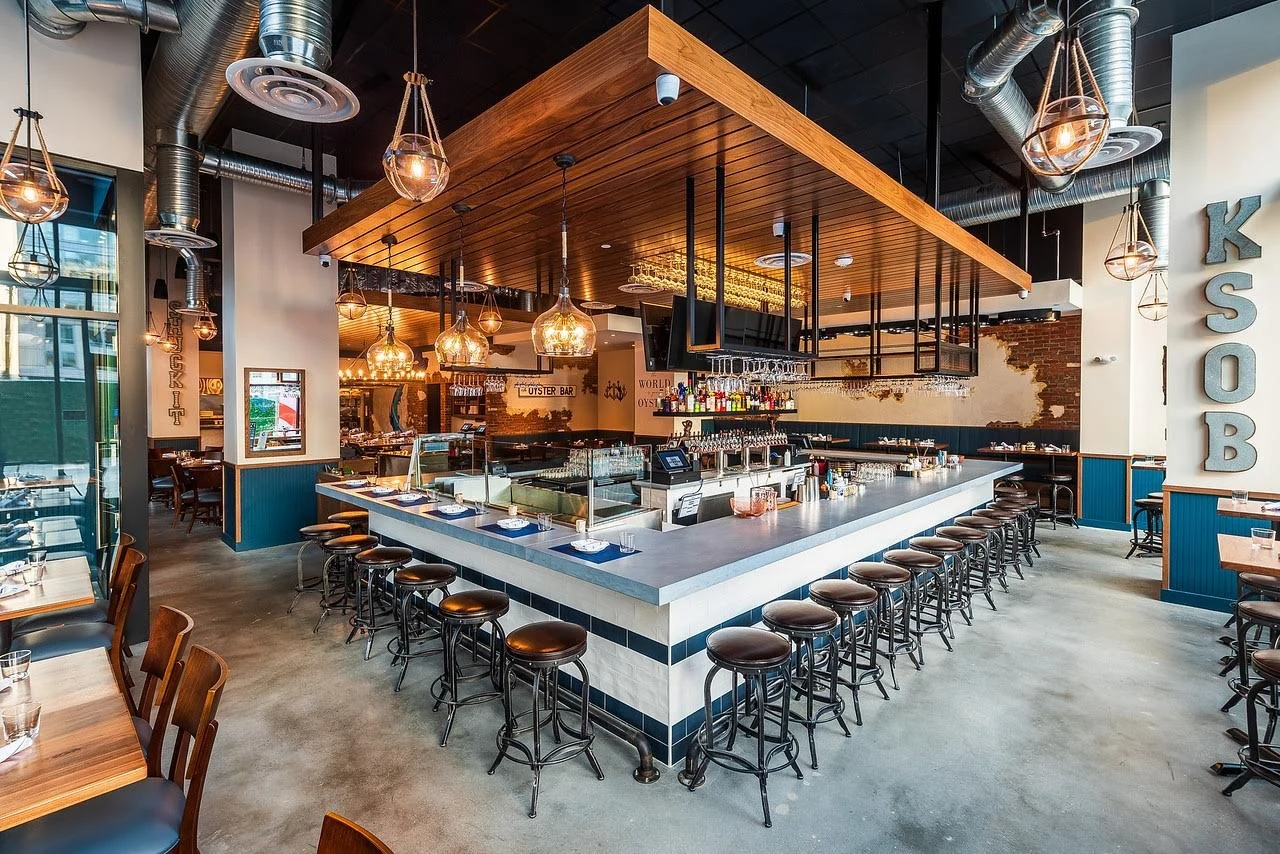
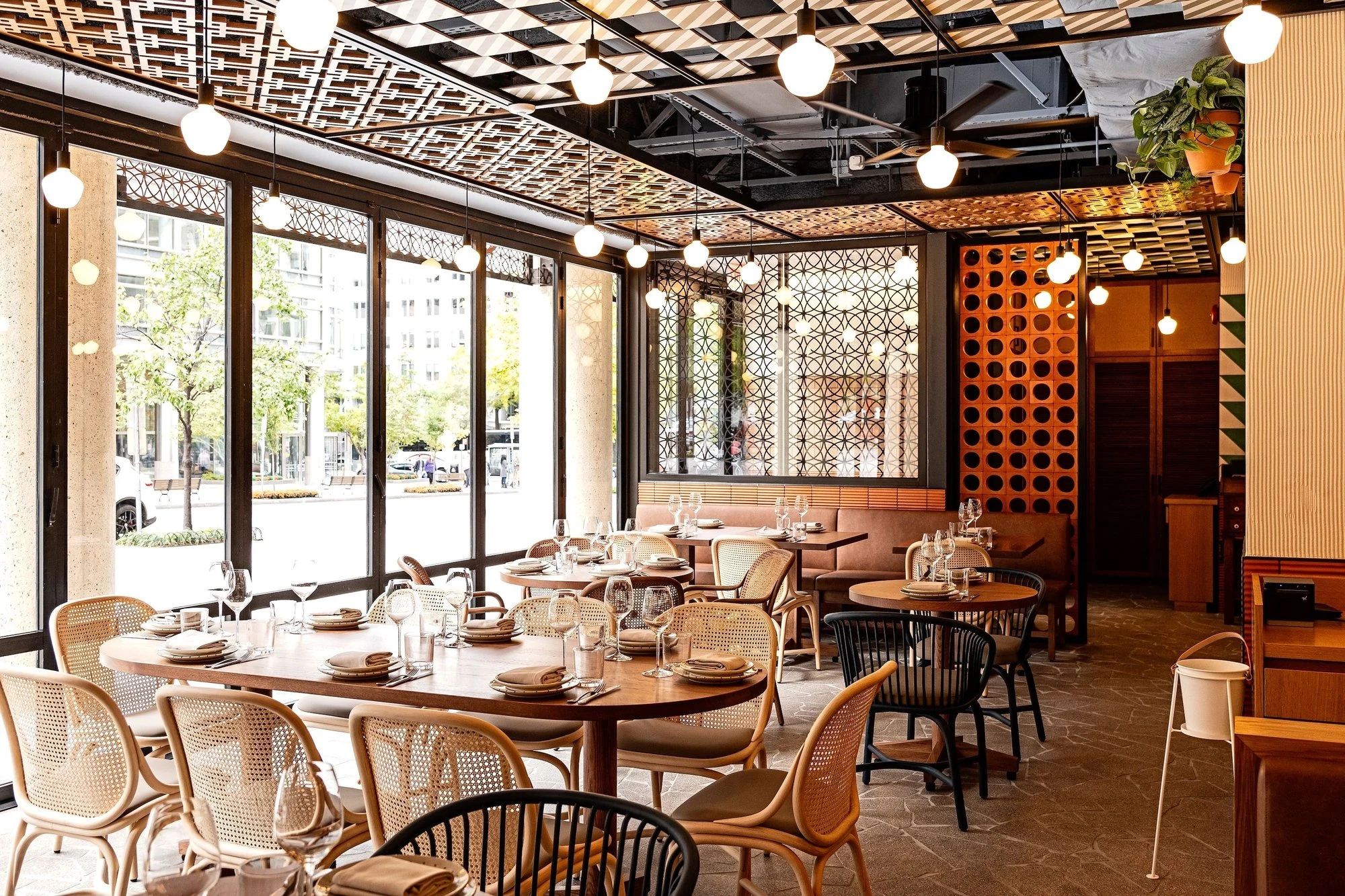
Casa Teresa
In Residence
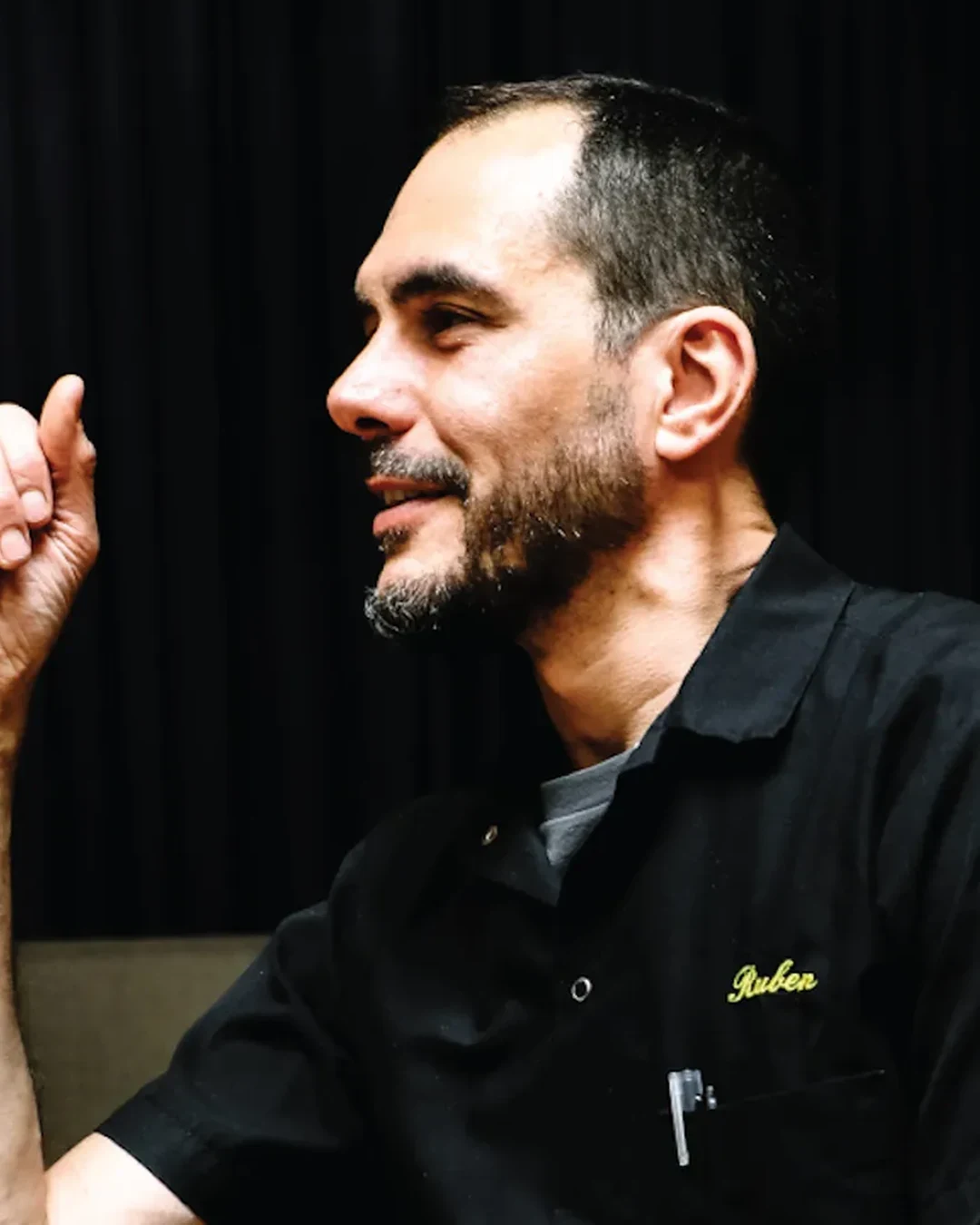
Ruben Garcia
Chef
- 01CuisineOpen-fire Spanish Tapas
- 02CityWashington DC, United States
- 03RecognitionJames Beard Award
- James Beard Winner · James Beard Foundation
- Washingtonian 100 Very Best Restaurants #22 · 2026
- James Beard Award Semi Finalist · 2025
Downtown D.C. and the Question of Conscious Dining
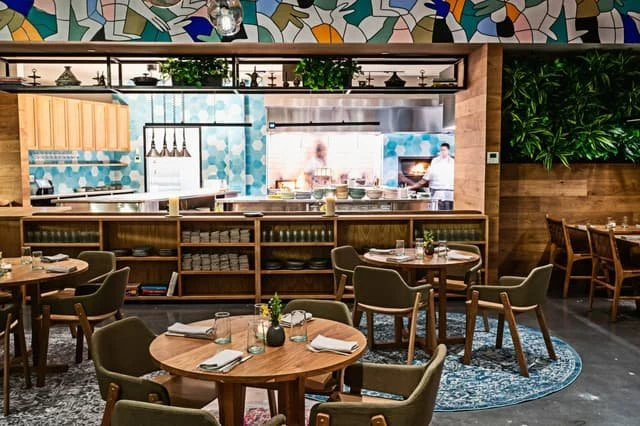
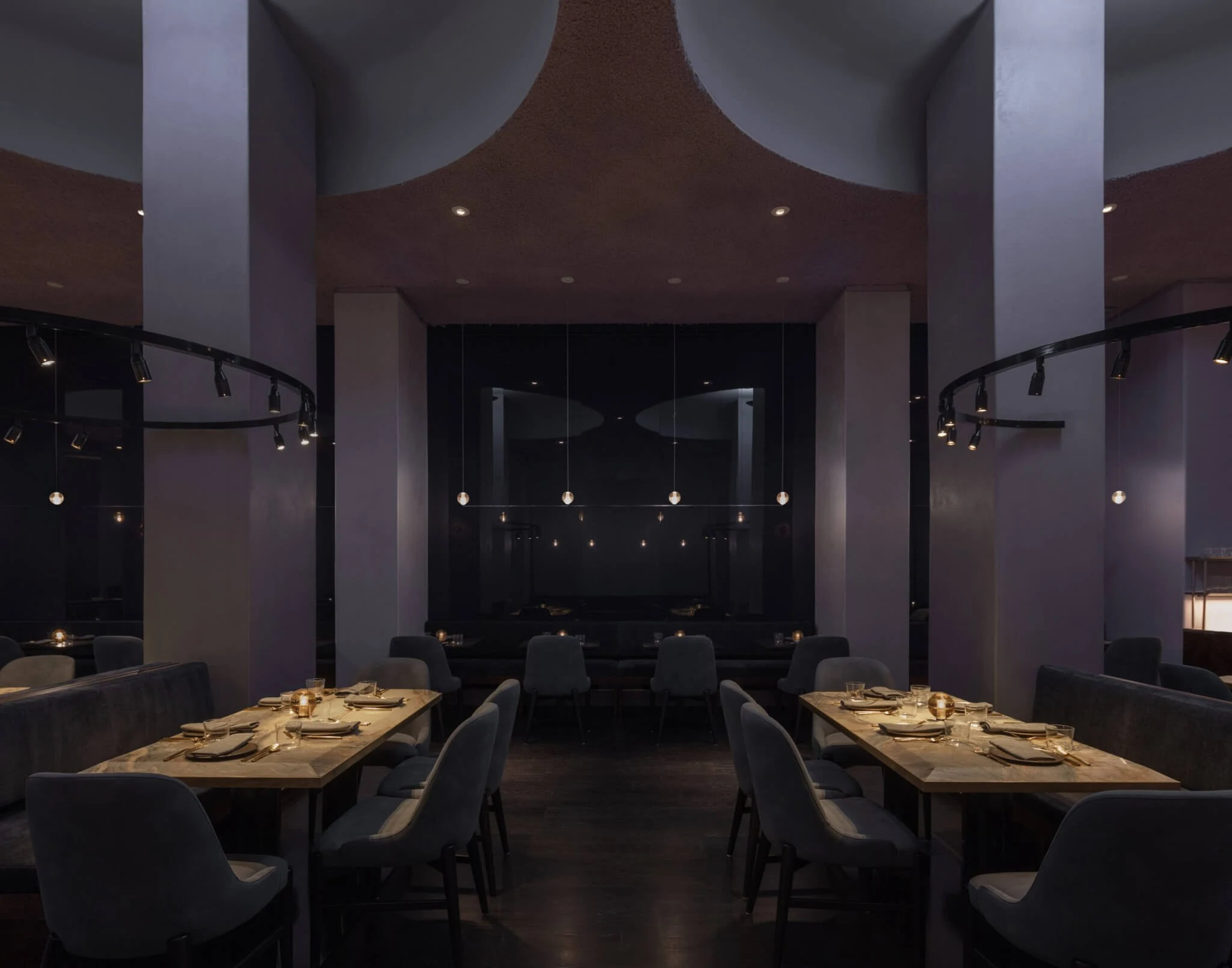
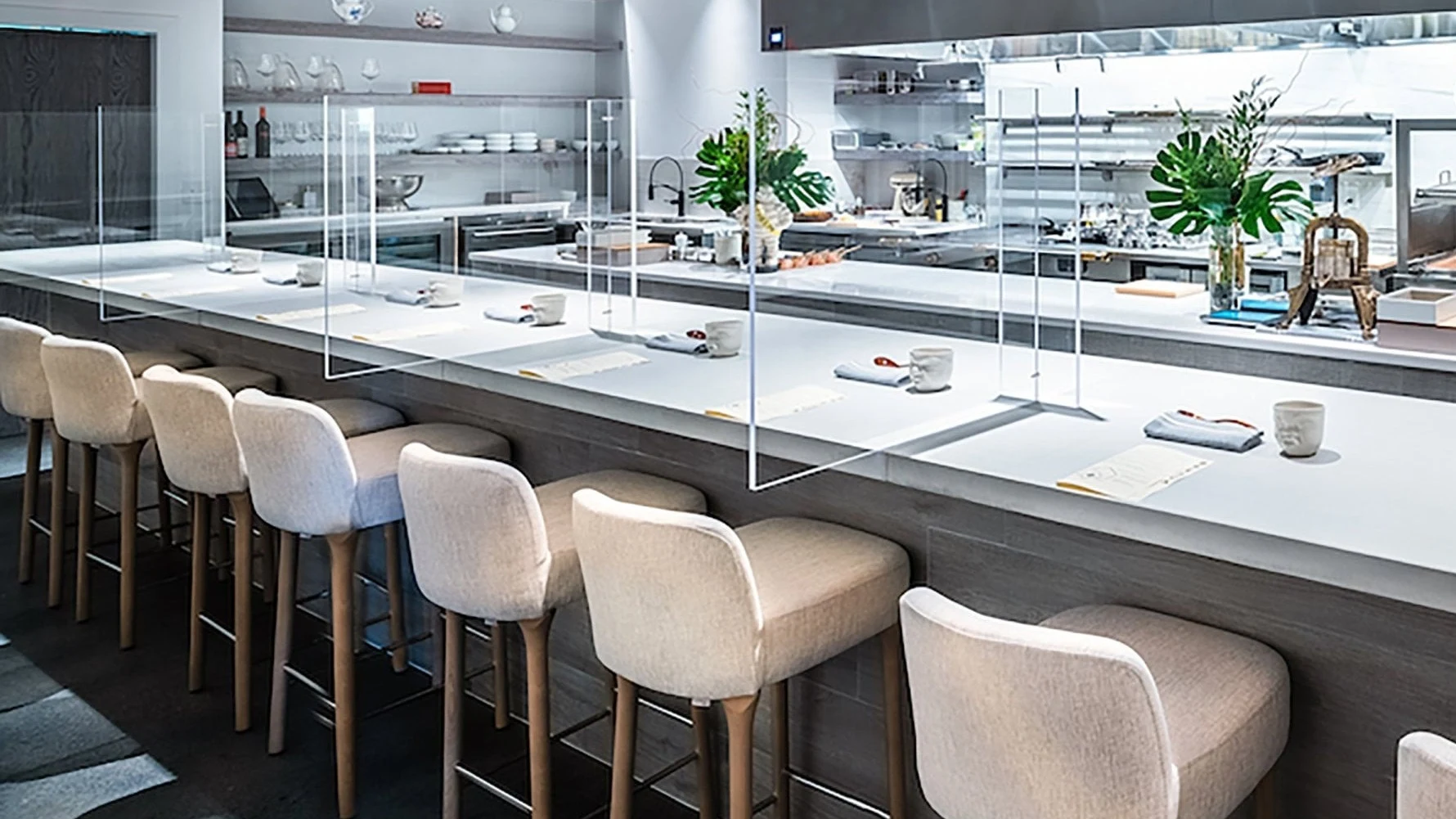
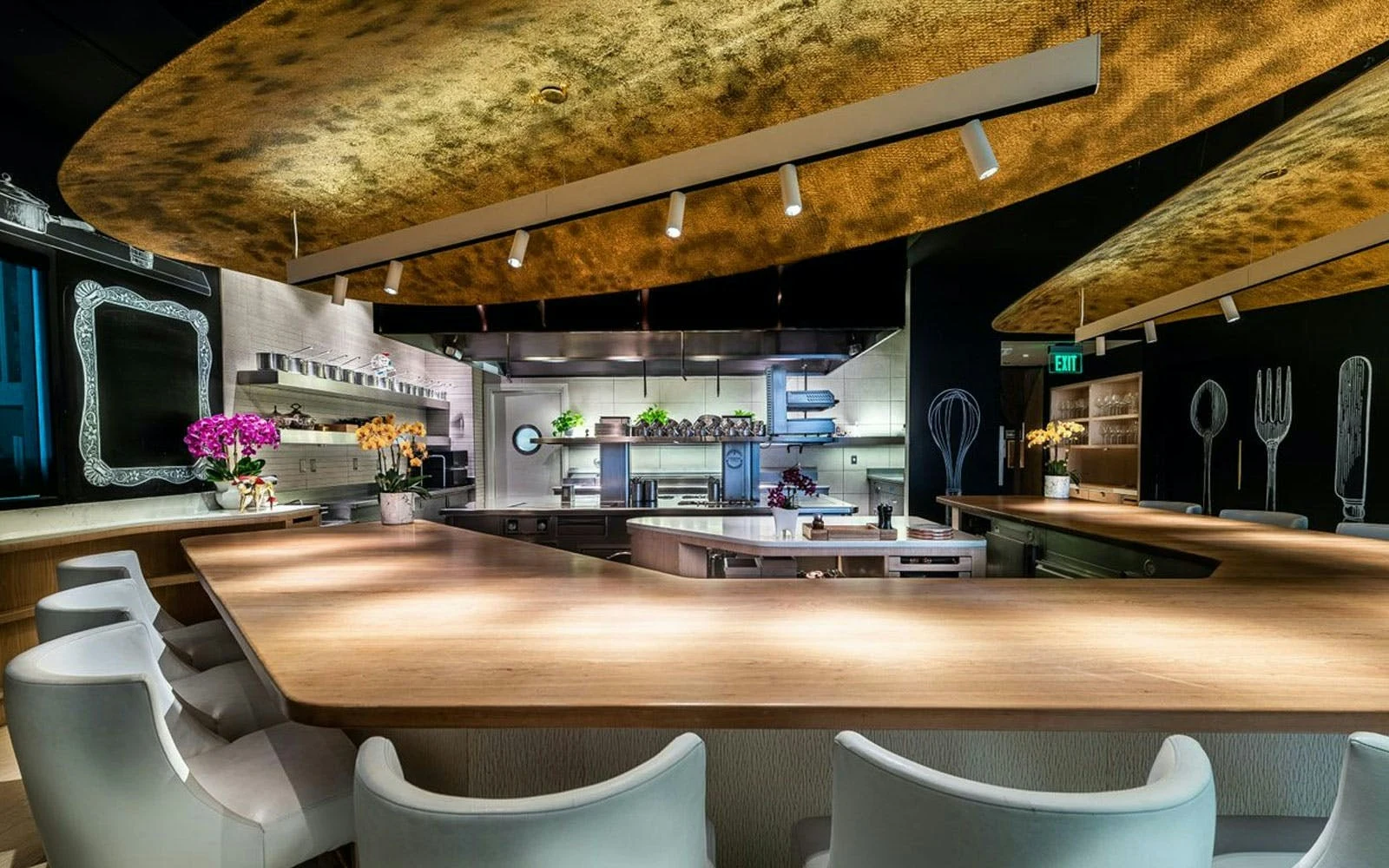
Casa Teresa is a restaurant in Washington, D.C., at 919 19th St NW. The city that once deferred to New York or San Francisco for culinary direction now generates its own critical conversation, particularly around sustainability-led dining, ingredient sourcing, and the ethics of how restaurants operate behind the kitchen door. That conversation is especially visible in the city's mid- to upper-tier dining rooms.
Casa Teresa sits at 919 19th St NW, a downtown address that places it in one of D.C.'s most professionally dense corridors, a neighbourhood more commonly associated with lobbying offices and power lunches than with the kind of farm-focused, waste-conscious dining that has reshaped expectations at comparable addresses. That tension between location and culinary ambition is, in many cities, exactly where the most interesting restaurants operate. The dining room's broader context matters here: the 19th Street stretch runs between Farragut Square and Dupont Circle, two of the city's more walkable and transit-connected nodes, and the surrounding blocks draw a clientele that reads menus critically.
Sustainability as Editorial Standard, Not Marketing Signal
Across American fine and upper-casual dining, the sustainability story has bifurcated sharply. On one side sit restaurants that treat ethical sourcing as a branding layer, a few bullet points on the menu about local farms and seasonal rotation. On the other sit operations where procurement philosophy shapes the entire format, from portion size and protein selection to waste processing and supplier relationships. The difference tends to show up not in the language used to describe the food, but in the specificity of that language: named farms, documented supply chains, menus that change not because the chef wants variety but because the harvest dictated it.
D.C. has produced a handful of operations in that second, more demanding category. Oyster Oyster, working within a New American and vegetarian framework at the $$$ price tier, has built critical recognition around exactly this kind of supply-chain transparency. It represents the city's clearest current example of sustainability as structural discipline rather than aesthetic gesture. Where Casa Teresa sits on that spectrum is worth understanding before booking, since the address and setting suggest a restaurant oriented toward the professional lunch and dinner trade rather than the destination-dining circuit that drives Oyster Oyster's following.
The broader comparable set in D.C.'s upper dining tiers reinforces how diverse the sustainability conversation has become. Albi, operating at the $$$$ tier with a Middle Eastern framework, approaches ingredient sourcing through a regional and cultural lens. Causa, also at $$$$, brings Peruvian supply-chain thinking to a city still developing its fluency with South American fine dining. Both demonstrate that ethical sourcing is not the exclusive property of any one cuisine type or price point.
The D.C. Address as Context
The 19th Street NW location carries its own implicit brief. Restaurants at this address serve a lunch crowd shaped by proximity to the K Street corridor and a dinner crowd drawn by the neighbourhood's density of hotels and walkable residential streets. That dual-audience dynamic tends to produce menus calibrated for accessibility at lunch and more considered dining at dinner, a format that can either dilute or sharpen a sustainability-led identity depending on how kitchen procurement is structured across service periods.
Nationally, the restaurants that have most successfully embedded sustainability into a high-volume, centrally located format include Blue Hill at Stone Barns in Tarrytown, which operates a farm-to-table model at a scale and price point that most downtown urban restaurants cannot replicate, and Single Thread Farm in Healdsburg, where the growing operation is integrated directly into the restaurant's ownership structure. Neither model translates directly to a downtown D.C. address, but both set a reference point for what it looks like when environmental consciousness is built into operations rather than appended to marketing copy.
Closer in format and context, Smyth in Chicago and Lazy Bear in San Francisco represent the urban end of this spectrum: kitchens operating inside city constraints that nonetheless maintain documented sourcing standards and seasonal menu discipline. Providence in Los Angeles and Addison in San Diego extend the conversation to the West Coast, where seafood sustainability and California agricultural access provide a different but equally demanding supply-chain backdrop.
Within the D.C. region specifically, The Inn at Little Washington remains the regional benchmark for seasonal, sourcing-led dining at the highest price tier, operating from a rural Virginia base that gives it supply-chain advantages unavailable to downtown urban kitchens. The contrast with a 19th Street NW operation is structural, not qualitative: urban procurement requires different logistics, and the restaurants that manage it well tend to be more selective about protein sourcing and more aggressive about reducing waste across service.
What Casa Teresa Fits Into
D.C.'s mid-city dining circuit covers a wide range of formats, from the technically ambitious counter at minibar to the contemporary French precision of Jônt. Casa Teresa operates at an address that suggests a more grounded, neighbourhood-anchored position within that spectrum. Casa Teresa serves Open-fire Spanish Tapas at a $$$ price tier.
For readers approaching the D.C. dining scene with sustainability as a primary filter, the city's current shortlist is short but credible.
Internationally, the sustainability conversation in fine dining has produced some of its clearest statements outside the U.S.: Atelier Moessmer Norbert Niederkofler in Brunico operates on an Alpine sourcing philosophy that has become a reference point for European sustainability-led tasting menus. The comparison is not about proximity but about what rigorous environmental commitment looks like when it shapes every procurement decision rather than just the menu language.
Know Before You Go
Address: 919 19th St NW, Washington, DC 20006
Neighbourhood: Downtown D.C., between Farragut Square and Dupont Circle
Price Range: $$$
Booking: Reservations recommended
Hours: Mon: 11:30 AM to 9:30 PM; Tue: 11:30 AM to 9:30 PM; Wed: 11:30 AM to 9:30 PM; Thu: 10:30 AM to 9:30 PM; Fri: 11:30 AM to 10 PM; Sat: 11:30 AM to 10 PM; Sun: Closed
Getting There: Farragut West and Farragut North Metro stations are the closest transit access points; street parking is limited in this corridor
Questions
Frequently asked
What recognition does Casa Teresa hold?
Casa Teresa holds a James Beard award.
Who works at Casa Teresa?
Made By profiles Ruben Garcia (Chef) and Daniel Lorente (Chef) at Casa Teresa.
How expensive is Casa Teresa?
Casa Teresa is listed at a price level of $$$.
Where is Casa Teresa and what does it serve?
Casa Teresa is in Golden Triangle, Washington DC, serving Open-fire Spanish Tapas.
The field
How it compares
| Place | Awards | Cuisine | Notes |
|---|---|---|---|
| Casa Teresa | James Beard | Open-fire Spanish Tapas | Golden Triangle, $$$ |
| Albi | Michelin 1 Star, World's 50 Best | Modern Levantine Fine Dining | Washington DC |
| Dōgon | World's 50 Best | Modern Afro-Caribbean | Washington DC |
| Jônt | Michelin 2 Stars | Modern Japanese Fine Dining | Washington DC |
| minibar | Michelin 2 Stars | Avant-Garde Molecular Gastronomy | Washington DC |
| Moon Rabbit | World's 50 Best | Creative Vietnamese-Cajun Fusion | Washington DC |
| Oyster Oyster | Michelin 1 Star | Modern Vegetable-Focused Tasting Menu | Washington DC |
In residence

Similar places
Modern Levantine Fine Dining
Albi
Washington DC, United States
★ · 50 Best
Modern Afro-Caribbean
Dōgon
Washington DC, United States
50 Best
Modern Japanese Fine Dining
Jônt
Washington DC, United States
★★
Avant-Garde Molecular Gastronomy
minibar
Washington DC, United States
★★
Creative Vietnamese-Cajun Fusion
Moon Rabbit
Washington DC, United States
50 Best
Modern Vegetable-Focused Tasting Menu
Oyster Oyster
Washington DC, United States
★