- Opinionated About Dining Casual in Japan Ranked #61 · 2025
- Opinionated About Dining Casual in Japan Ranked #45 · 2024
- Opinionated About Dining Casual in Japan Ranked #49 · 2023
Where Tokyo's Café Culture Meets the European Baking Tradition
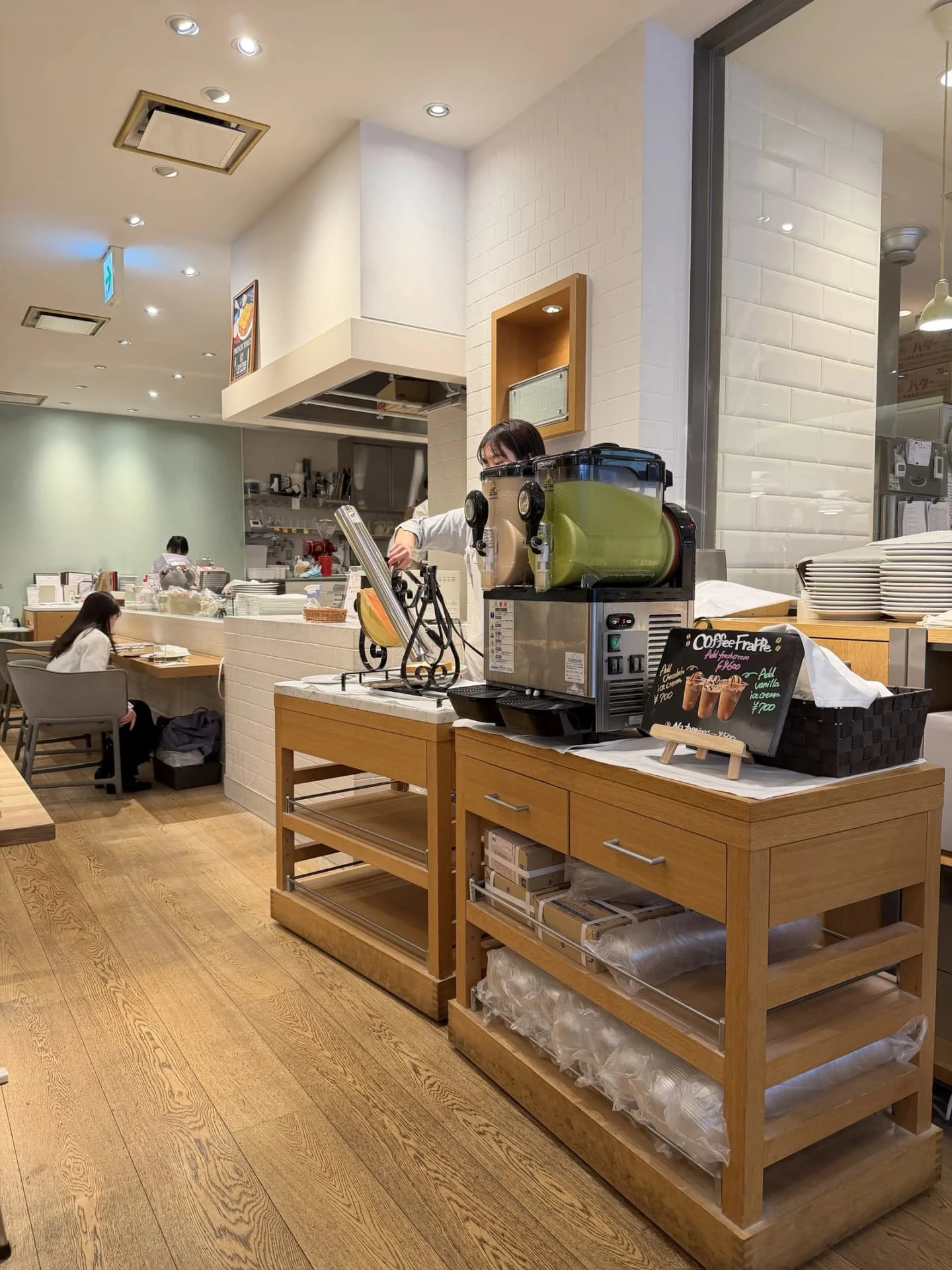
Centre Bakery is a Japanese Shokupan Bakery Café in Tokyo's Bunkyo City, with a Google rating of 3.1 and a casual price tier of about $12 per person. The second floor of LaQua, the commercial complex anchored to the Korakuen leisure district in Bunkyo, is not the first address that comes to mind when tracing Tokyo's most critically discussed food addresses. Most of those conversations happen in Ginza, Minami-Aoyama, or Nishi-Azabu. Yet the Opinionated About Dining Casual Japan list, one of the few critical rankings that tracks the country's informal eating rather than its tasting-counter hierarchy, has placed Centre Bakery on its roster three consecutive years: #49 in 2023, #45 in 2024, and #61 in 2025. Sustained presence across three annual cycles matters more, editorially, than any single placement. It signals a bakery that has built a repeatable standard rather than capitalising on opening momentum.
The Craft Bakery's Position in Tokyo's Informal Food Culture
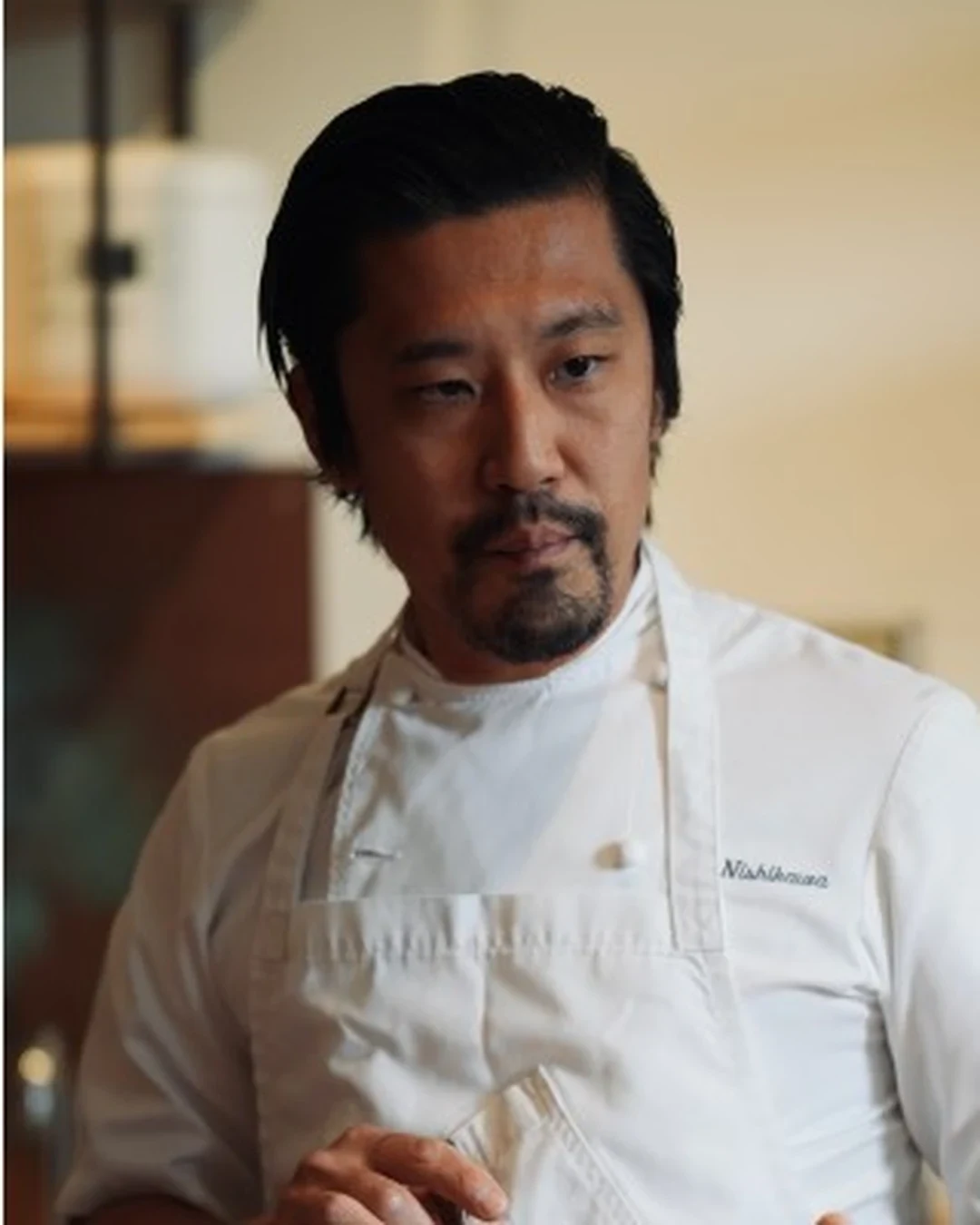
Tokyo's serious bakery scene has expanded sharply over the past decade, driven by a generation of Japanese bakers who trained in France, Germany, and Scandinavia before returning with technique and, crucially, with a different relationship to sourcing. The pattern is consistent across the city's most critically recognised examples: imported method applied to domestic ingredients, producing a register that is neither strictly Japanese nor straightforwardly European. Bricolage Bread & Co. in Roppongi operates on a comparable model and sits in a similar critical conversation. Centre Bakery, under chef Takahiro Nishikawa, belongs to this cohort, a small tier of Tokyo bakeries where OAD and equivalent critical bodies track performance the same way they track formal restaurants.
That critical attention has broader context worth noting. The same OAD framework that ranks Centre Bakery also tracks restaurants such as Harutaka, L'Effervescence, and RyuGin at the city's formal end. The fact that a bakery-café earns comparably sustained attention from the same critical community reflects something real about how Tokyo's food culture distributes seriousness across formats: a well-executed loaf or morning pastry receives the same evaluative rigour as a Michelin three-star tasting menu. That is not common in most cities.
Local Ingredients, Imported Discipline
The editorial angle that makes Tokyo's craft bakery tier worth examining is the intersection of European baking technique and Japanese ingredient culture. Japan's flour milling industry has developed domestic wheat varieties with distinct gluten profiles, and Japan's dairy sector produces butter, cream, and cultured products that differ meaningfully from their French or Danish counterparts in fat content, fermentation character, and flavour. When a baker trained in continental European method works with these inputs, the results occupy a genuinely different register, not a replica of a Parisian boulangerie, but something calibrated to what Japanese ingredients actually do under heat, hydration, and fermentation.
This is the operating logic for a growing number of Tokyo's most critically discussed bakeries, and it is the lens through which Centre Bakery's OAD recognition is most usefully read. Rankings at this level are not awarded for approximating European originals. They reflect the specificity of what the kitchen does with local supply. Chef Nishikawa's presence in this space is consistent with a wider pattern of Japanese culinary practitioners using overseas training not to reproduce source cuisines but to apply structural discipline to domestic materials.
For context, the same dynamic appears in Tokyo's formal restaurant tier. Sézanne applies French technique with a local-product emphasis that distinguishes it from a Paris equivalent. The craft bakery version of that conversation is lower in price point and visibility, but it follows the same productive tension.
Bunkyo as a Bakery District
The Bunkyo location matters. Korakuen and Suidobashi draw residents from the surrounding neighbourhood rather than international visitors or expense-account diners, which means a venue earning sustained critical recognition here is doing so on local repeat custom rather than tourism traffic. That is a different proof of quality than a location in Ginza or Omotesando, where foot traffic and destination dining can inflate short-term performance metrics. A bakery in LaQua's second floor builds its audience from commuters, families, and Bunkyo residents, which makes three consecutive years of OAD placement a more demanding credential than it might initially appear.
For visitors extending food itineraries beyond Tokyo, the critical craft-food conversation runs through other Japanese cities as well. Gion Sasaki in Kyoto, HAJIME in Osaka, akordu in Nara, Goh in Fukuoka, 1000 in Yokohama, and 6 in Okinawa all contribute to the regional picture of how Japanese kitchens are processing international culinary influence. At the informal end of that spectrum, craft bakeries are doing much of the same intellectual work at a fraction of the entry cost.
Tokyo's café and bakery tier also compares interestingly with internationally recognised informal food programmes. New York's casual critical scene, tracked in part through venues like Le Bernardin and Atomix at the formal end, shares the pattern of Japanese-trained discipline entering Western formats. The craft bakery version of that exchange runs in both directions.
The Google Review Gap
Centre Bakery's Google rating, 3.1 from 238 reviews, sits well below the OAD ranking's implied quality level. This gap is familiar to anyone who tracks the divergence between professional critical assessment and general consumer scoring on informal venues. OAD Casual panels tend to weight technique, consistency, and ingredient specificity; Google aggregates convenience, pricing expectations, and service speed perceptions from a much broader and less specialised pool. For a bakery occupying a second-floor commercial space, ratings friction around accessibility and format expectations can drag an aggregate score without reflecting the technical standard. The two data points are measuring different things.
Know Before You Go
- Address: LaQua 2F, 1-1-1 Kasuga, Bunkyo-ku, Tokyo
- Hours: Monday, Wednesday–Sunday 9am–7pm. Closed Tuesday.
- Access: LaQua is directly connected to Korakuen Station (Tokyo Metro Marunouchi/Nanboku lines) and Suidobashi Station (JR Chuo-Sobu line).
- Booking: Walk-in bakery-café format; no reservation required.
- Awards: OAD Casual Japan #61 (2025), #45 (2024), #49 (2023)
- Chef: Takahiro Nishikawa
Questions
Frequently asked
Who works at Centre Bakery?
Made By profiles Takahiro Nishikawa (Chef) at Centre Bakery.
How expensive is Centre Bakery?
Centre Bakery is listed at a price level of $$.
The field
How it compares
| Place | Notes | Cuisine |
|---|---|---|
| Centre Bakery | Bunkyō, $$ | · |
| Patisserie Mayo | Tokyo | japanese |
| Pâtisserie Sadaharu AOKI | Tokyo | fusion |