Cosmo Pony

In Residence
Marsya Soemantri
Bar Director
- 01CuisineCreative Cocktails with Indonesian Twists
- 02CityJakarta, Indonesia
Fourth Floor, Thamrin: Where Jakarta's Hotel Dining Sets Its Terms
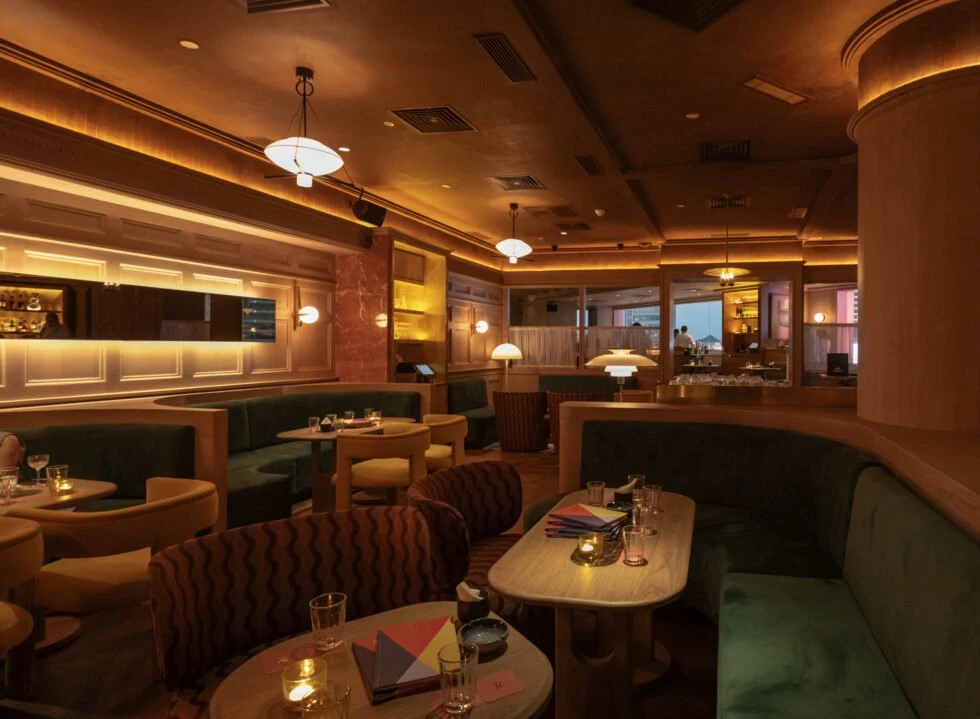
Jakarta's hotel restaurant scene has undergone a quiet but consequential shift over the past decade. Properties along Jl. M.H. Thamrin, the city's primary five-star corridor, have moved from treating their food and beverage floors as amenity checkboxes toward commissioning spaces that compete independently with the standalone restaurant circuit. Cosmo Pony is a restaurant serving creative cocktails with Indonesian twists on the fourth floor of the Grand Hyatt Jakarta in Jakarta, Indonesia. Cosmo Pony, positioned on the fourth floor of the Grand Hyatt Jakarta, sits inside that transition. The address alone, Kav. 28-30, Thamrin, signals a certain competitive gravity. This is a stretch of central Jakarta where the room rate, the business clientele, and the proximity to the Sudirman financial district create expectations that a hotel restaurant must either meet or explicitly sidestep.
The Grand Hyatt Jakarta property itself has long anchored the northern end of Thamrin's luxury hotel cluster, operating in the same orbit as properties that draw diplomatic traffic, regional corporate accounts, and the city's established international visitor base. A fourth-floor restaurant within that building inherits both the footfall advantage and the design pressure that comes with a high-visibility hotel platform. What Cosmo Pony does with that position, how it reads against the city's standalone dining circuit and against peer hotel restaurants, is the more interesting editorial question.
The Sunday email
Read about the people behind restaurants like Cosmo Pony in the Sunday email.
Every Sunday we send a lead story and up to four more about the chefs, winemakers, sommeliers and hoteliers behind the restaurants, bars, wineries and hotels we cover.
Recent stories

Free. One email a week, and you can unsubscribe from any issue.
The Physical Container: Reading the Space Against Jakarta's Design Moment
Jakarta's premium dining spaces have split into two broad design philosophies in recent years. One school pursues the maximalist tropical register: dark rattan, layered greenery, warm amber lighting borrowed from Bali's resort vocabulary. The other reaches for something cooler and more urbane, with cleaner lines, material restraint, and a deliberate distance from the resort-inflected aesthetic that dominated regional luxury through the 2010s. Hotel fourth floors in the Thamrin corridor tend to sit somewhere between these poles, shaped partly by the architecture of the building and partly by the brand identity of the flag flying above the lobby.
A fourth-floor position in a Grand Hyatt property typically offers a physical remove from street-level Jakarta, the noise, the density, the perpetual construction rhythm of a city that has not stopped building since the reform era. That elevation is not merely logistical. It shapes the room's relationship to natural light, to city views, and to the threshold experience a guest crosses when they step out of the lift. Spaces that use that remove well tend to create a perceptible atmospheric shift: the city is still present, visible through glass or implied by the skyline, but held at a managed distance. The spatial logic of the position is a consistent feature of how hotel restaurants at this address have historically framed their dining environments.
In the broader Jakarta context, the design conversation at this price tier increasingly involves how a space signals its relationship to Indonesian material culture. Venues like Kahyangan in Gondangdia have built their identity around a particular reading of Javanese architectural vocabulary. August in Jakarta operates at the more pared-back end of the design spectrum, where the room serves the food program rather than competing with it. Hotel restaurants along Thamrin face a different brief: they must hold multiple audiences simultaneously, business diners at lunch, hotel guests at breakfast and dinner, and destination visitors drawn by the food offering itself, which tends to push design toward legibility and comfort over conceptual specificity.
The Thamrin Hotel Dining Circuit: Where Cosmo Pony Fits
Jakarta's standalone restaurant circuit and its hotel dining tier have historically operated with limited overlap. The city's serious food community has tended to track places like Bistecca, Aged + Butchered Jakarta, and Abunawas Restaurant in Kemang as the more editorially relevant venues, while hotel restaurants retained their position through reliability, address convenience, and corporate account relationships rather than culinary distinction. That gap has been narrowing. Across Southeast Asia, properties in the Grand Hyatt tier have increasingly invested in food and beverage programming that makes a credible play for destination dining status, a pattern visible in comparable cities from Bangkok to Kuala Lumpur to Singapore.
The peer pressure in Jakarta's hotel dining tier comes from multiple directions. At the casual end, places like Bakerzin Central Park demonstrate that hotel-adjacent dining can build a loyal following on accessibility and format rather than culinary ambition. At the more serious end, the Indonesian fine dining conversation increasingly references regional anchors: Locavore NXT in Ubud has set a benchmark for what Indonesian-ingredient-forward cooking looks like when executed at a high technical level, while Bali properties including Sarong Bali in Canggu, Moksa, Rumari in Jimbaran, and Cuca Restaurant in Badung have each carved distinct identities within the island's crowded premium dining field. Jakarta hotel restaurants that want to earn comparable editorial attention need to make an argument beyond address and reliability.
Internationally, the question of what separates a hotel restaurant from a destination restaurant is one that properties at every tier are actively working through. Venues like Le Bernardin in New York City long ago settled the argument in favor of the food program. More recent formats like Lazy Bear in San Francisco show how format innovation can reframe the entire category. Jakarta's Thamrin corridor is engaged in a slower version of that same negotiation.
Questions
Frequently asked
Who works at Cosmo Pony?
Made By profiles Marsya Soemantri (Bar Manager) and Silvio Daniele (General Manager) at Cosmo Pony.
How expensive is Cosmo Pony?
Cosmo Pony is listed at a price level of $$$$.
Where is Cosmo Pony and what does it serve?
Cosmo Pony is in Gondangdia, Jakarta, serving Creative Cocktails with Indonesian Twists.
The field
How it compares
| Place | Cuisine | Notes | Awards |
|---|---|---|---|
| Cosmo Pony | Creative Cocktails with Indonesian Twists | Gondangdia, $$$$ | · |
| August | Modern Indonesian Fusion | Jakarta | 50 Best |
| Döllerer | Modern Alpine Cuisine | Golling an der Salzach | Michelin 2 Stars |
| Jade Dragon | Three Michelin-Star Cantonese Fine Dining | Macau | Michelin 3 Stars, 50 Best |
| Kitchen Table | Modern British Fine Dining | London | Michelin 2 Stars |
| PANTJA | Modern Asian Farm-to-Table with Open-Fire Cooking | Jakarta | · |
| Row on 5 | Modern British Fine Dining with Mediterranean & Asian Influences | London | Michelin 2 Stars |
Similar places
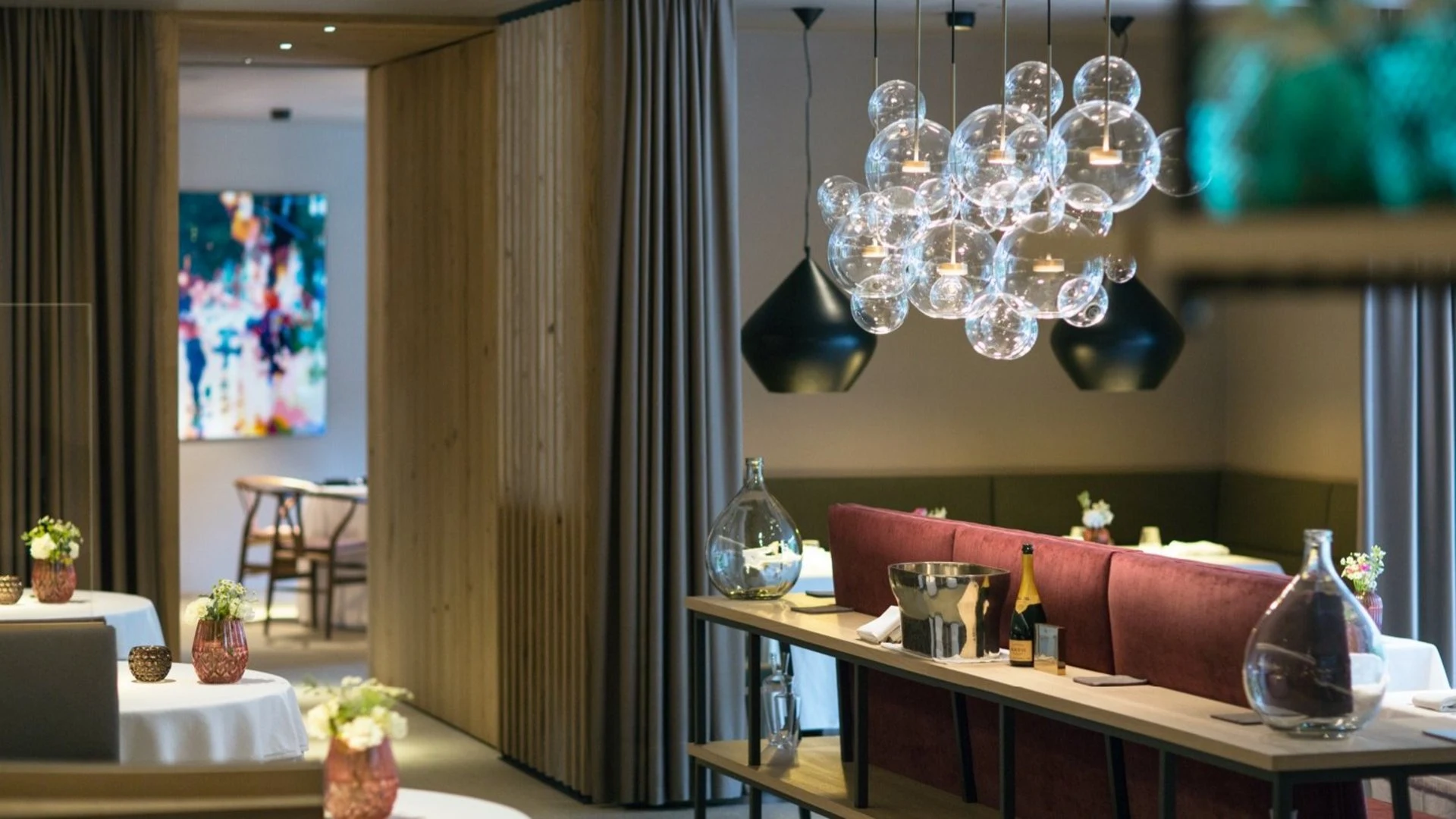
Modern Indonesian Fusion
August
Jakarta, Indonesia
50 Best
Modern Alpine Cuisine
Döllerer
Golling an der Salzach, Austria
★★
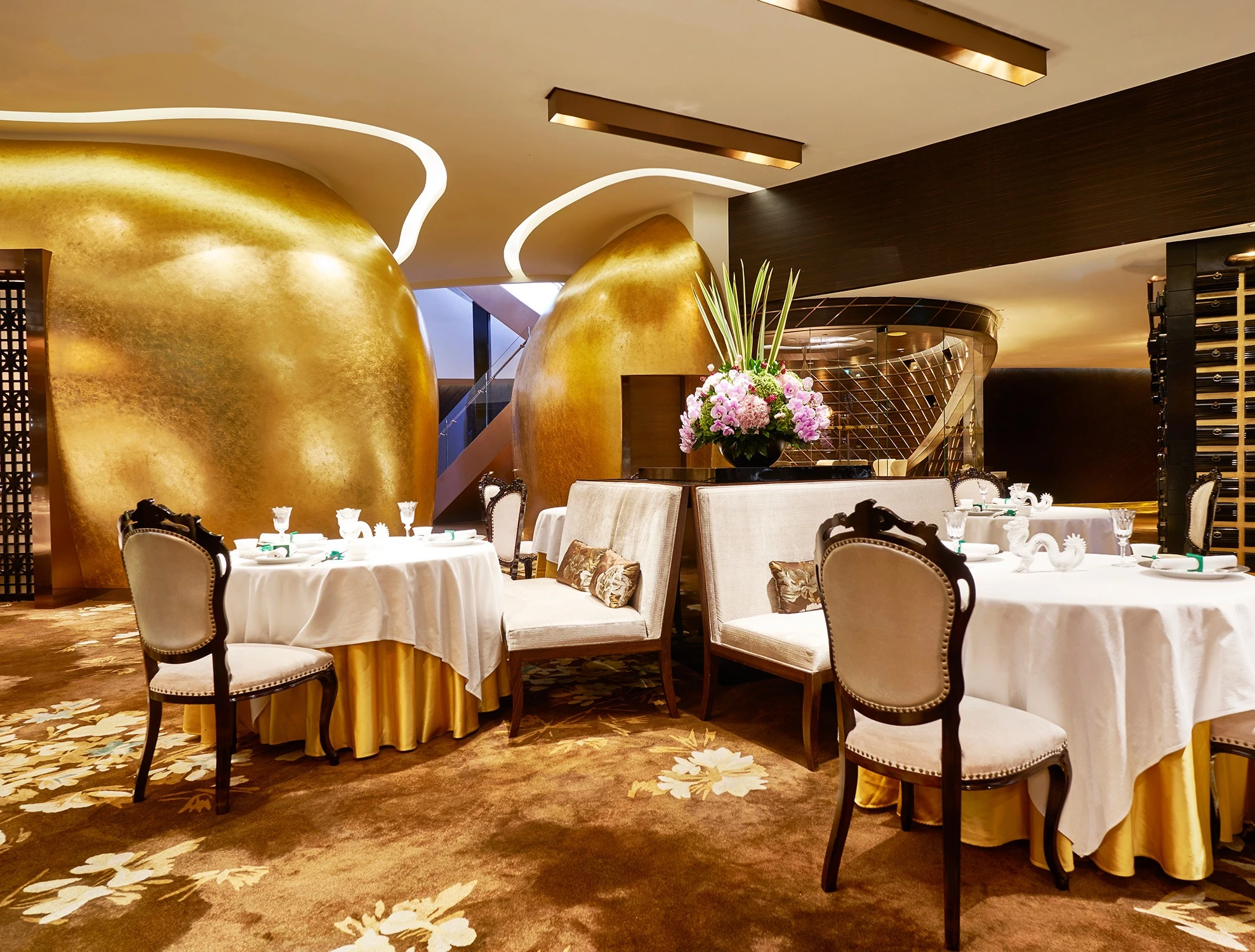
Three Michelin-Star Cantonese Fine Dining
Jade Dragon
Macau, Macau
★★★ · 50 Best
Modern British Fine Dining
Kitchen Table
London, United Kingdom
★★
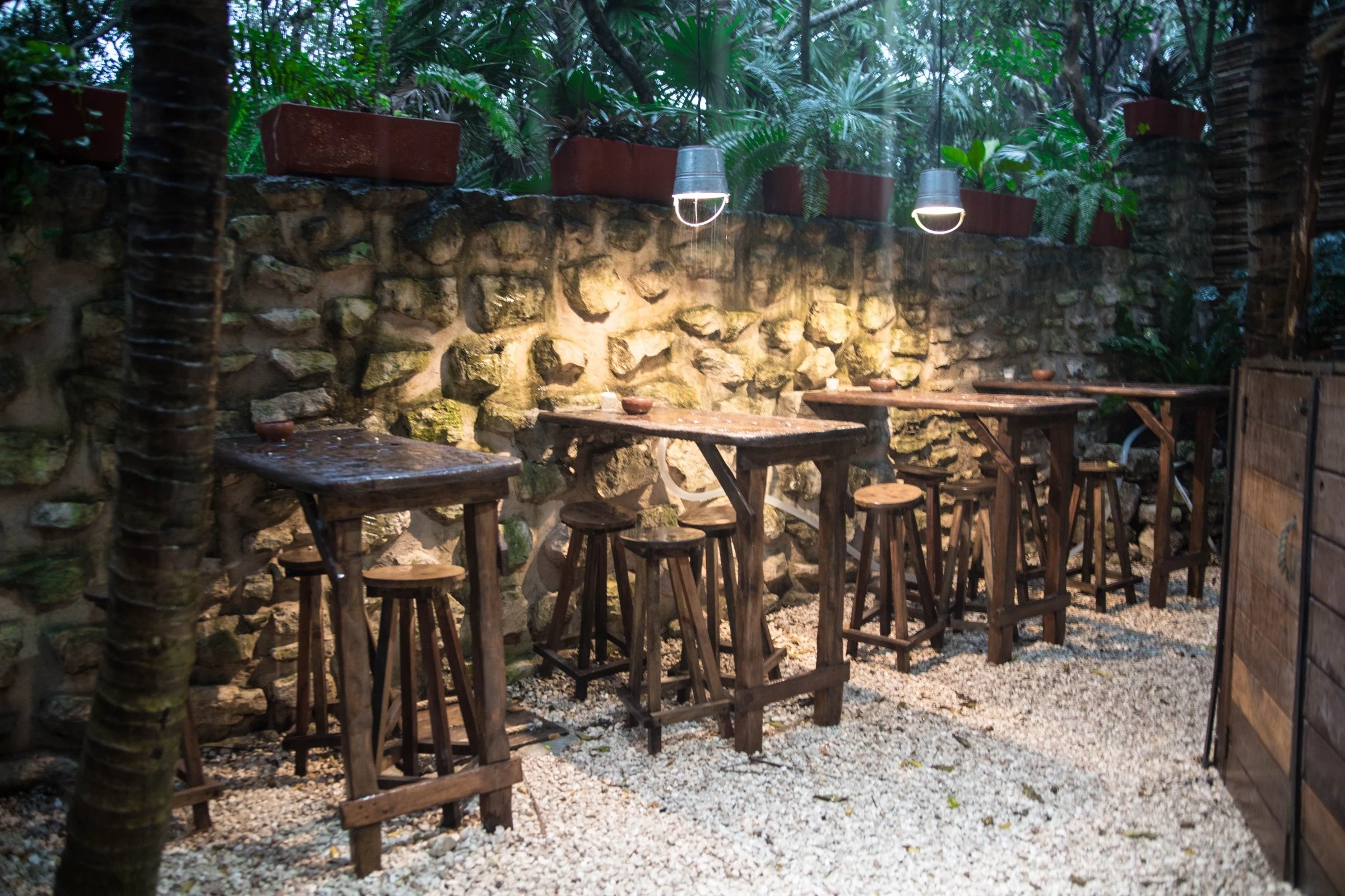
Modern Asian Farm-to-Table with Open-Fire Cooking
PANTJA
Jakarta, Indonesia
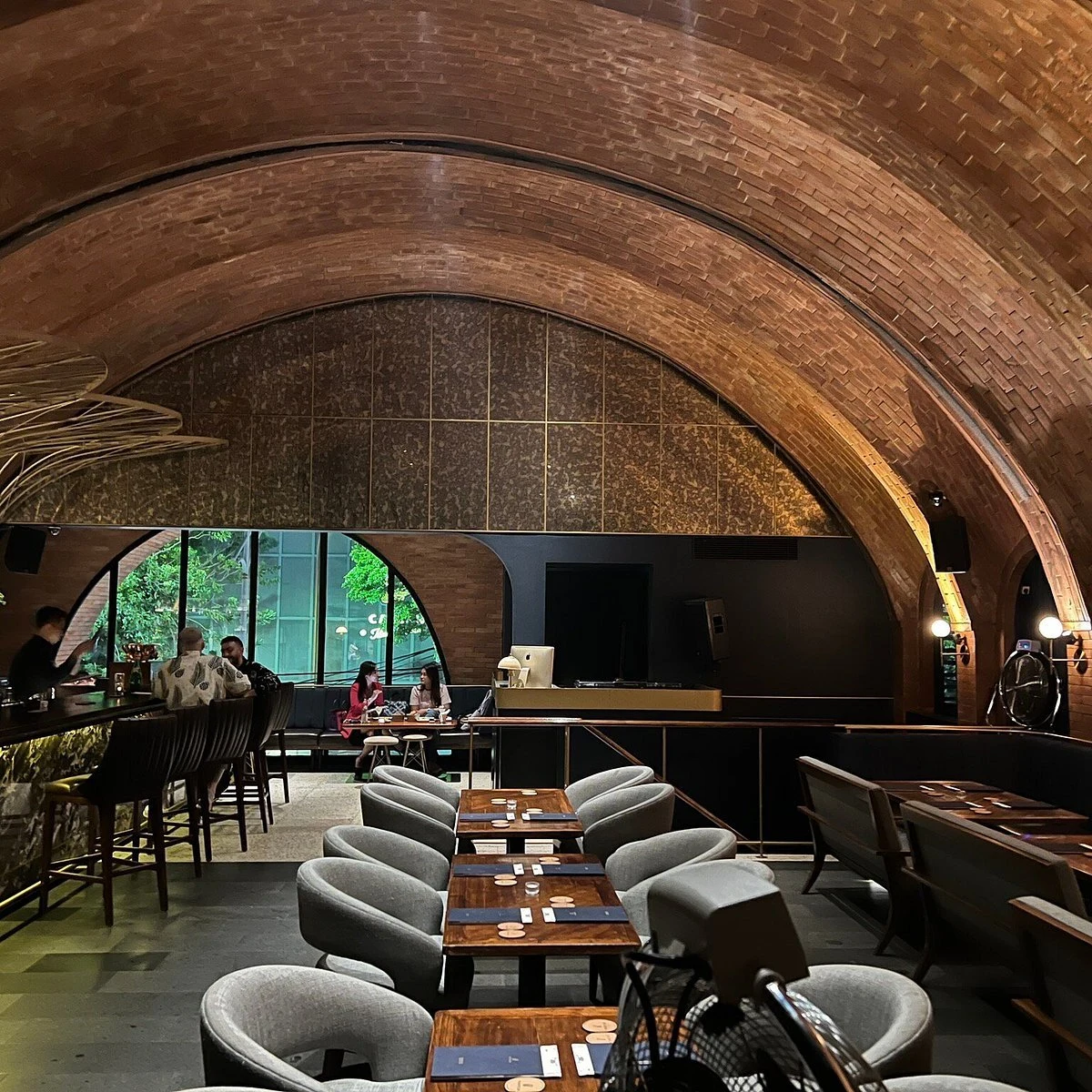
Modern British Fine Dining with Mediterranean & Asian Influences
Row on 5
London, United Kingdom
★★

The Sunday email
Read about the people behind restaurants like Cosmo Pony in the Sunday email.
Every Sunday we send a lead story and up to four more about the chefs, winemakers, sommeliers and hoteliers behind the restaurants, bars, wineries and hotels we cover.
Recent stories
Free. One email a week, and you can unsubscribe from any issue.