Domaine La Tour Boisée
- 01CityLaure Minervois, France
- Falstaff Winery - Listed · 2026
Domaine La Tour Boisée is a family-run historic wine estate in Laure Minervois. The appeal is grounded in a traditional cellar-door tasting room and a quiet rural setting shaped by old fortifications, vineyards, and olive trees. It is best understood as a rustic, classic, hidden-gem stop, the kind of place whose interest comes from its setting and continuity rather than from spectacle or a heavily packaged visitor concept.
Specific claims about production methods, grape varieties, visitor formats, opening rules, or individual cuvées should be confirmed directly with the domaine before planning around them. That caution is part of reading the estate correctly: the available picture supports a sense of place, family ownership, and a traditional tasting-room encounter, but it does not establish the finer operational details that can matter when building a day around a visit.
A historic estate setting in Laure Minervois
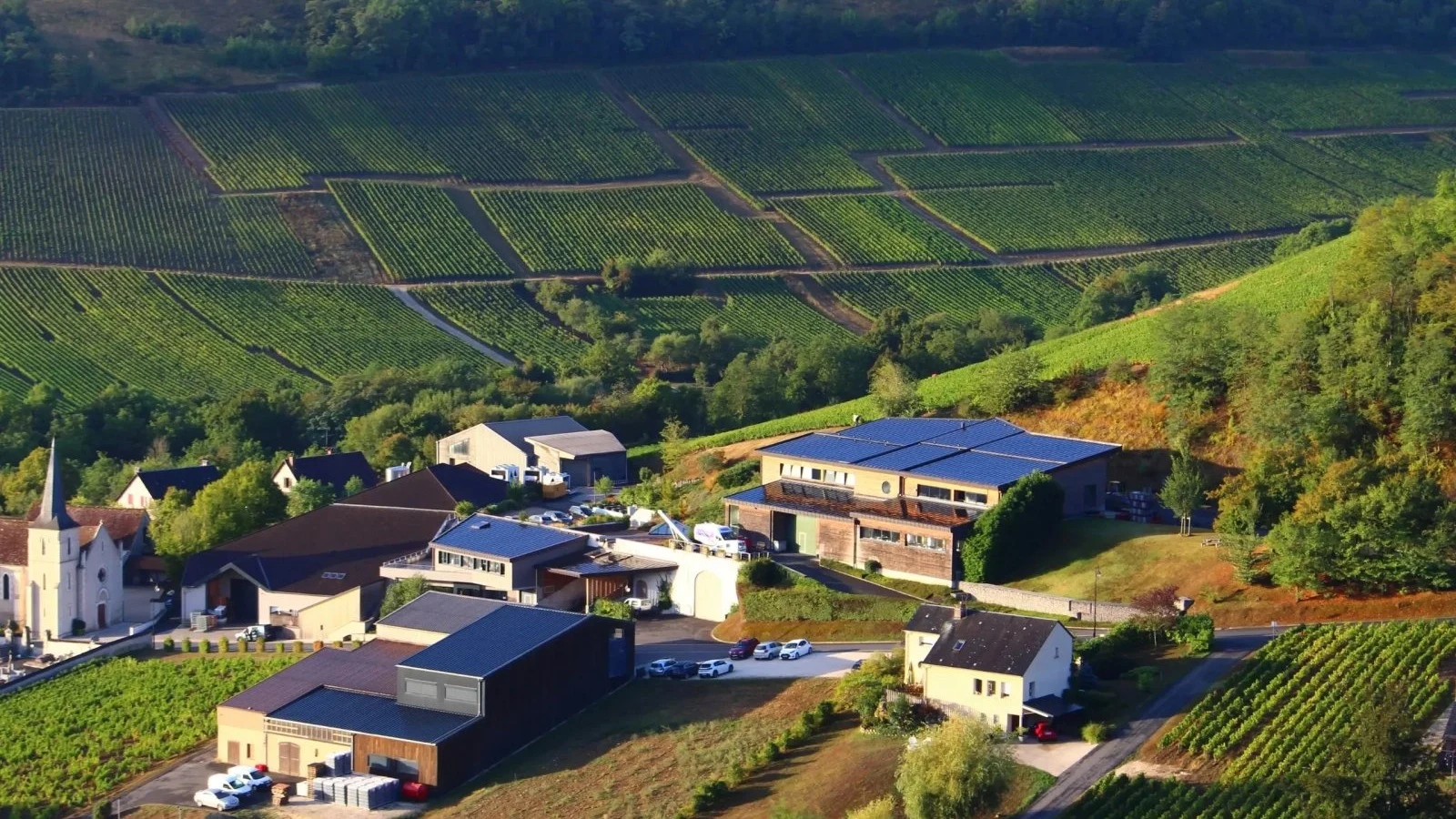
Domaine La Tour Boisée sits in a landscape associated here with vineyards, olive trees, and old fortifications. Those elements are central to the way the estate is best approached. Rather than presenting itself primarily as an urban tasting bar or a polished hospitality complex, it belongs to a quieter wine-country environment where the surrounding rural texture is part of the visit.
What can be said with confidence is that the estate’s setting gives the visit a sense of continuity: old fortifications, vines, olive trees, and a traditional cellar-door room frame the experience. For travellers, the draw is less about a documented technical programme and more about encountering a historic wine estate in its local context. The atmosphere suggested by the setting is understated and rooted, with the built and cultivated landscape working together to create the feeling of a place shaped over time.
The domaine’s family-run character is part of that identity. It suggests a visit closer to a traditional estate setting than to a large, design-led destination, but specific service arrangements should be checked directly before arrival. In practice, that means treating the family-run description as a clue to tone and scale, not as a guarantee of any particular visitor format. The value lies in the classic estate character: a rural address, a cellar-door room, and a setting where vineyards, olive trees, and old fortifications remain the defining points of reference.
A cellar-door visit with a quiet rural rhythm
The visitor picture is simple: Domaine La Tour Boisée has a traditional cellar-door tasting room in Laure Minervois. The mood is quiet, rustic, and classic, with the surrounding vineyards and olive trees contributing as much to the atmosphere as the built setting. It is the sort of stop that rewards travellers looking for a slower wine-country rhythm, where the setting itself helps explain the appeal before any more detailed questions about wine style or visitor logistics come into play.
That simplicity is important. Nothing in the available description points to a complicated hospitality proposition, and the estate should not be overread as anything more elaborate than what is stated. Its character is grounded in the traditional cellar-door idea: a direct encounter with a wine estate in its own rural surroundings. For visitors who like restrained, local-feeling places, that can be precisely the appeal.
Travellers should treat the estate as a wine-focused stop and confirm practical arrangements directly with the venue. This is especially sensible because details such as opening rules, tasting format, production specifics, and individual wines are not established here. A direct check keeps expectations aligned with the estate’s actual arrangements and preserves the easy, unforced quality that a quiet rural visit depends on.
How to place it within a Laure Minervois itinerary
Laure Minervois suits travellers who want a calm, rural wine-country stop rather than a crowded dining or nightlife circuit. Domaine La Tour Boisée fits that pace: a historic estate, a traditional cellar-door room, vineyards, olive trees, and a setting marked by old fortifications. Its role in an itinerary is therefore best kept clear and simple: a classic local wine-estate visit, not a venue that needs to be framed by elaborate claims or competitive comparisons.
For a simple itinerary, place Domaine La Tour Boisée alongside other unnamed dining, lodging, or wine-country stops in and around Laure Minervois. Specific comparisons with other named venues are not needed to understand its role: it is a quiet, family-run wine estate with a classic local character. The strongest way to use it is as part of a day built around the slower textures of the area, allowing the historic setting, the rural landscape, and the traditional cellar-door element to do the work.
In that sense, Domaine La Tour Boisée is most appealing to travellers who appreciate understatement. Its hidden-gem quality does not depend on grand promises; it comes from the combination already visible in the description: family-run identity, historic estate atmosphere, vineyards and olive trees, old fortifications, and a traditional tasting-room setting in Laure Minervois. Kept within those lines, it reads as a grounded, quietly memorable stop in wine country.
Questions
Frequently asked
How expensive is Domaine La Tour Boisée?
Domaine La Tour Boisée is listed at a price level of $$.
The field
How it compares
| Place | Notes | Awards |
|---|---|---|
| Domaine La Tour Boisée | Laure-Minervois, $$ | · |
| Castello Banfi | Montalcino | World's 50 Best |
| Champagne Salon | Le Mesnil-sur-Oger | · |
| Domaine Coche-Dury | Meursault | · |
| Domaine Hubert Lignier | Morey-Saint-Denis | · |
| Edmond Vatan | Vatan | · |
| Vega Sicilia | Valbuena de Duero | · |