Sergio Molino, winemaker at E. Molino in La Morra, works old-vine Nebbiolo from Bricco Rocca into small-lot Barolo.
Nebbiolo from Bricco Rocca sets the work in motion for Sergio Molino, winemaker at E. Molino in La Morra, where the family name has been tied to the Annunziata hamlet since 1951. Ernesto Molino planted the vineyard there with 3,000 vines on Rupestris du Lot rootstock, using a massal selection drawn from neighboring vineyards. The label later paused after Ernesto died in 1975, when the family sold grapes rather than bottling its own wine. Elio, Sergio’s brother, kept the estate in care through that period, holding the old vines in Bricco Rocca and Terrazze del Pelorosso until the family name returned to bottle. Sergio revived the Ernesto Molino label in 2008, working from the small property at Annunziata di La Morra with his sister Margherita. His training began under his older brother Pierluigi when Sergio was 18, a start that explains the cellar’s preference for control, measurement and patience rather than gesture for its own sake. The place remains narrow in scale: about 6,000 bottles a year from roughly 2.5 hectares of old vines within a 6-hectare organically farmed property. At this address, lineage is not a wall text. It is the vineyard, the family name, and the decision to bottle again.
The method changes with the wine, but the center of the program is Nebbiolo. For Langhe Nebbiolo DOC, Sergio uses stainless steel fermentation and a short maceration of 5 to 7 days, keeping the wine close to fruit and line. Barolo DOCG Bricco Rocca goes the long way: fermentation in open-top tonneau, about 30 days on the skins, and manual punch-downs to keep extraction even. The wine then rests in old barrique, 8 to 10-year-old wood, for 18 months. That choice keeps new oak out of the foreground and leaves the tannin, acidity and site to carry the shape. The Barolo Riserva del Fico comes from the higher, southern-facing part of Bricco Rocca, near the fig tree that gives the wine its name. Melia, the Barbera d’Alba DOC Superiore named for Sergio’s mother, brings Barbera into the same discipline, with fresh acidity and depth of color handled as material rather than decoration. The estate has farmed organically since 2013, across vineyards, gardens, meadows and fruit.
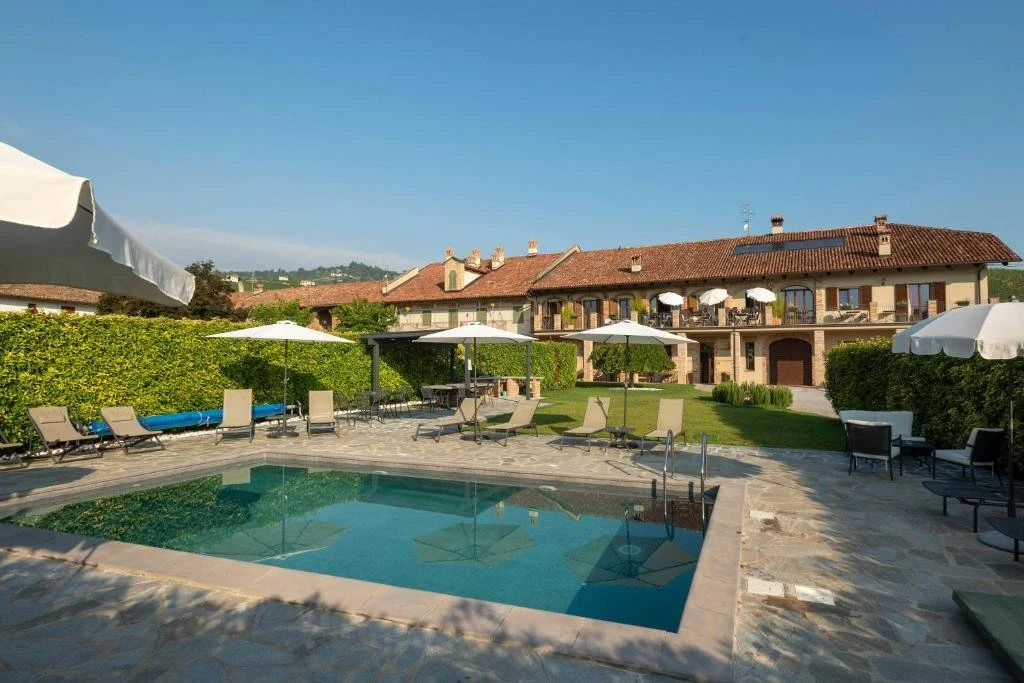
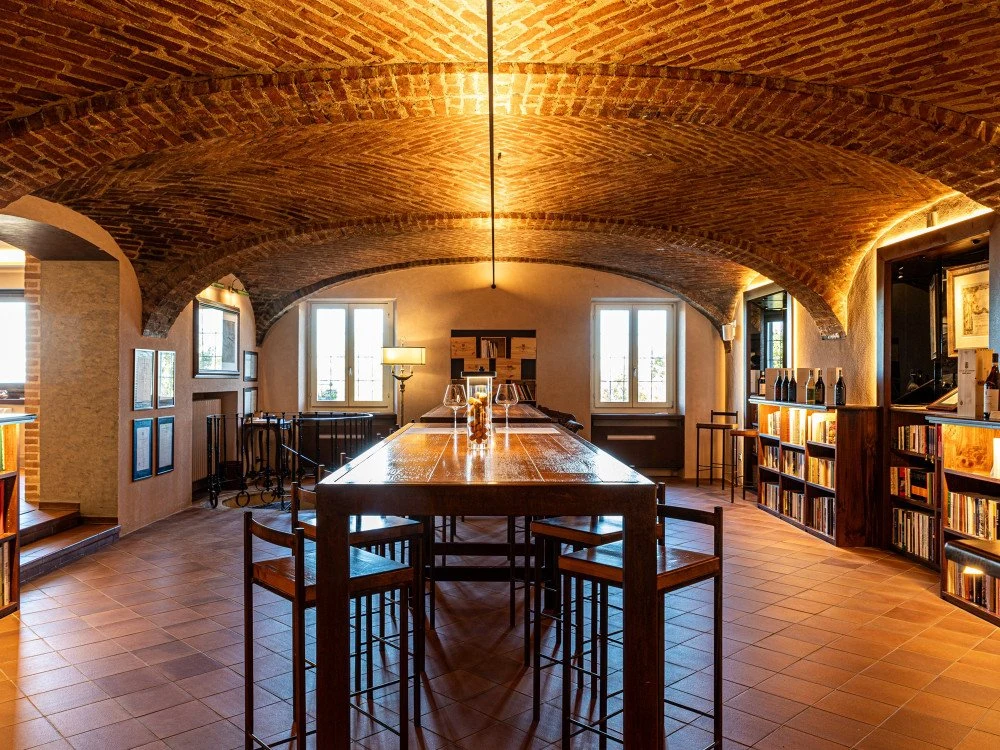
The cellar and vineyard sit in Annunziata, at the base of the slope that rises toward La Morra and close to the border with Castiglione Falletto. It is not a large-house landscape. The work belongs to a family property where the vineyards share ground with vegetable gardens, meadows and fruit, and where the old Nebbiolo rows still set the pace. Night air settles lower on the hill, bringing freshness into a site once seen less favorably for that position. In a warmer Piedmont, that lower slope has become part of the craft. The tasting room is quiet by nature, because the estate is quiet by scale. The attention stays on Bricco Rocca, on old wood, and on the hands moving through a cellar built around small lots.
E. Molino matters most as a return rather than an expansion. The family did not revive the label by turning it into a broad range or a larger cellar program; Sergio and Margherita kept the work close to Barolo, Langhe Nebbiolo and Barbera d’Alba. Ernesto planted the vineyard in 1951. The next bottle to read here is the one that carries Bricco Rocca from those 3,000 vines.
La Morra, Piedmont, Italien
Annunziata (La Morra)