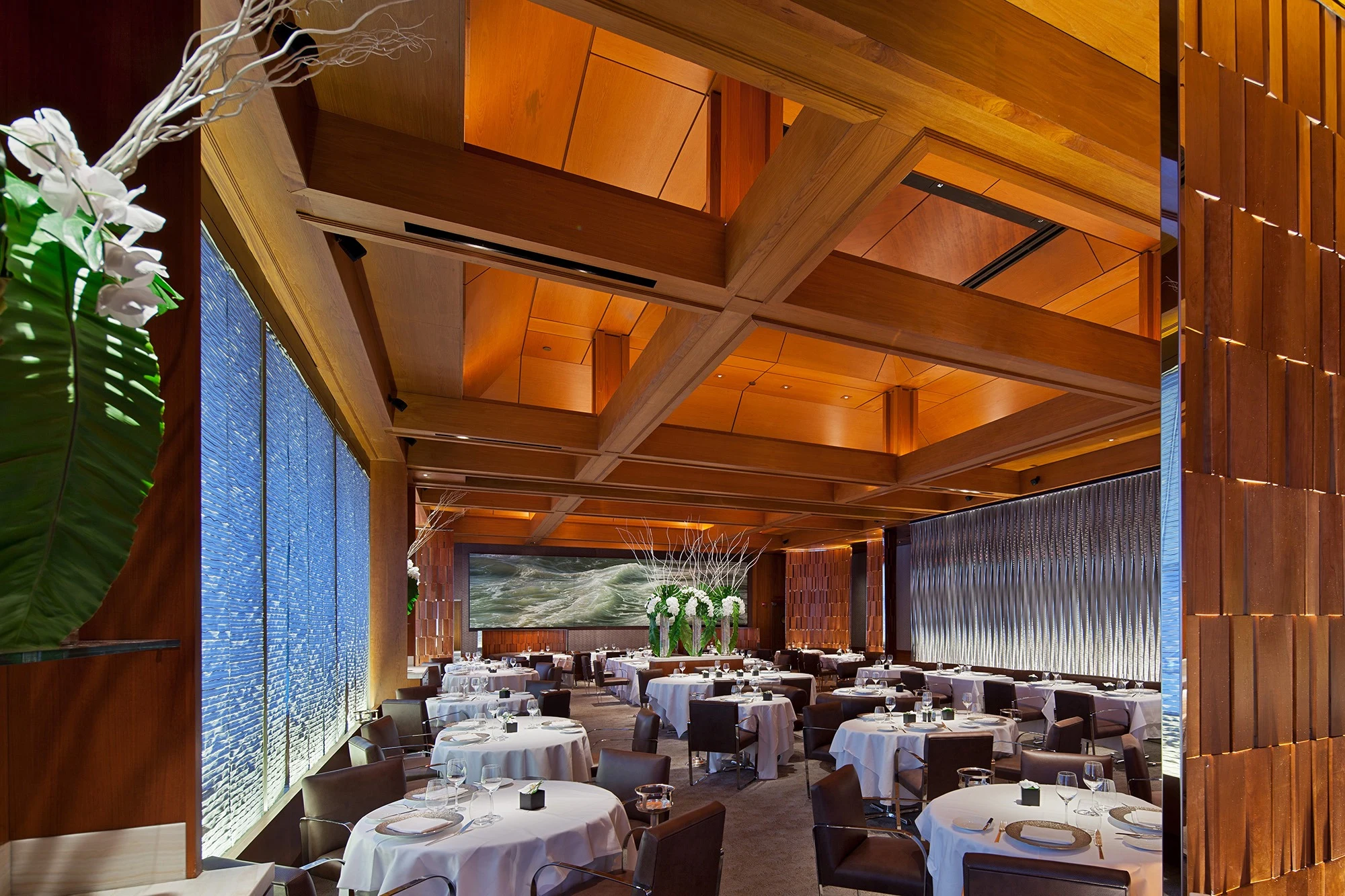
Kisa
- 01CuisineTraditional Korean Baekban
- 02CityNew York City, United States
- 03RecognitionJames Beard Award
From the people index
Recommended by
One trusted voice points here.
- James Beard Winner · James Beard Foundation
- New York Times Best Restaurants in New York City #79 · 2026
- James Beard Award Semi Finalist · 2025
- New York Times Best Restaurants in New York City · 2025
The Canteen Tradition Behind the Counter
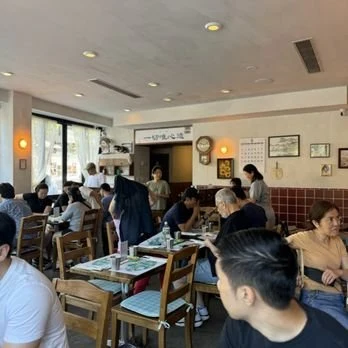
New York's Korean dining scene has split decisively between two registers. On one end sit tasting-menu operations like Jua and bōm, where the format is as considered as the food and a seat can take weeks to secure. On the other sits a quieter tradition: the working meal, built for speed, repetition, and nourishment rather than occasion. Kisa is a restaurant in New York City serving Traditional Korean Baekban, with a price tier around $32 per person. Kisa, at 205 Allen Street on the Lower East Side, occupies this second register deliberately. It is modelled on kisa sikdang, the canteen-style restaurants that dot South Korean cities as refuelling stops for taxi drivers between fares. The format is not nostalgic pastiche. It is a direct translation of function: one menu, one format, efficient service, real food.
That functional clarity is what separates Kisa from most of New York's Korean offerings. Jeju Noodle Bar built its reputation on a single focused dish; Meju works within a more exploratory fermentation-led framework. Kisa does something different again: it imports an entire dining sociology, the idea that a meal is something you need rather than something you arrange.
One Format, No Variations
The menu at Kisa is not abbreviated; it is complete in exactly the way the kisa sikdang tradition intends. There is one option: the baek ban. The platter arrives as rice, soup, and a spread of banchan, with a single protein choice from bulgogi, spicy pork, spicy squid, or vegetables. That is the full decision tree. Order, sit, eat.
This format sits in a distinct position relative to the Korean BBQ ritual that has become the dominant frame for Korean dining in New York. The tabletop grill format, with its theatre of meat selection, marinade conversations, wrapping choreography, and communal cook, is a legitimate and deeply pleasurable tradition. But it asks something of the diner: time, group participation, a certain appetite for production. The baek ban format asks almost nothing except hunger. It delivers the same core flavours, the char of bulgogi, the heat of gochujang-dressed pork, the cool crunch of banchan textures, without the apparatus. At Kisa, those flavours arrive in stainless steel bowls, already portioned, already composed. The communal element is spatial rather than procedural: you eat alongside strangers at a shared pace, in a room designed for throughput rather than lingering.
Banchan at a kisa sikdang is not decorative. Dishes like mung bean jelly salad and sausage and rice cake skewers function as counterpoints and palate pivots across the meal. The variety in small bowls provides what a tabletop grill provides through the wrapping ritual: multiple flavour combinations within a single sitting, built by the diner through sequencing rather than assembly.
Lower East Side Placement
Allen Street sits in the southern stretch of the Lower East Side, a block type that still carries traces of its mid-century immigrant commercial character even as the neighbourhood has been reshaped by bars, galleries, and the gradual northward creep of the financial district's residential overspill. A Korean canteen on this block is not an anomaly. The Lower East Side has long absorbed transplanted food cultures and given them enough density of foot traffic to survive on quality and word of mouth rather than destination dining status.
That neighbourhood context matters for how Kisa is experienced. This is not a restaurant that needs a tourism rationale. It functions in the rhythm of the block: a place for lunch, for a solo dinner before or after something else, for a quick meal that does not require a reservation psychology. The 4.5 rating across 646 Google reviews suggests a repeat-customer base rather than a first-visit spike, which is the signature of a neighbourhood anchor rather than a novelty draw.
Where This Fits in New York's Korean Scene
New York's Korean restaurant range now spans from casual street-food formats to two-Michelin-star operations, with Atomix at the top of the fine-dining tier and a growing mid-range of creative Korean cooking. Kisa does not compete within that progression. It operates on a separate axis entirely, one defined by authenticity to a specific Korean dining occasion rather than by ambition within the city's competitive restaurant hierarchy.
For comparative orientation: the Seoul end of this tradition is documented in places like Mingles and Kwonsooksoo, which represent the haute end of Korean dining culture. Kisa represents something closer to the foundation layer of that culture, the everyday meal format that exists alongside and beneath those refined expressions. In New York, where Korean fine dining has attracted substantial critical attention, that foundation layer is underrepresented. 8282 works a different casual register; Kisa's baek ban format remains genuinely specific.
For high-production American dining at the other end of the format spectrum, Alinea in Chicago, The French Laundry in Napa, Lazy Bear in San Francisco, Single Thread Farm in Healdsburg, Providence in Los Angeles, and Emeril's in New Orleans represent the other pole of American restaurant culture.
Planning Your Visit
Kisa is located at 205 Allen Street, New York, NY 10002, in the Lower East Side. The single-format menu removes any pre-visit research burden: arrive, choose your protein, eat. The 4.5 Google rating from 495 reviews suggests consistent execution across a substantial review base. No booking details are listed, which in a format built for fast turnover typically indicates walk-in service. Kisa is recommended for reservations and typically suits casual dining.
Questions
Frequently asked
What recognition does Kisa hold?
Kisa holds a James Beard award.
How expensive is Kisa?
Kisa is listed at a price level of $$.
Where is Kisa and what does it serve?
Kisa is in Lower East Side, New York City, serving Traditional Korean Baekban.
The field
How it compares
| Place | Awards | Cuisine | Notes |
|---|---|---|---|
| Kisa | James Beard | Traditional Korean Baekban | Lower East Side, $$ |
| Atomix | Michelin 2 Stars, World's 50 Best | Modern Korean Tasting Menu | New York City |
| Daniel | Michelin 1 Star, World's 50 Best | Modern French Fine Dining | New York City |
| Eleven Madison Park | Michelin 3 Stars, World's 50 Best | Contemporary Plant-Based Fine Dining | New York City |
| Jungsik New York | Michelin 3 Stars, World's 50 Best | Modern Korean Fine Dining | New York City |
| Kabawa | World's 50 Best | Modern Caribbean Prix Fixe | New York City |
| Le Bernardin | Michelin 3 Stars, World's 50 Best | French Seafood Fine Dining | New York City |
Similar places
Modern Korean Tasting Menu
Atomix
New York City, United States
★★ · 50 Best
Modern French Fine Dining
Daniel
New York City, United States
★ · 50 Best
Contemporary Plant-Based Fine Dining
Eleven Madison Park
New York City, United States
★★★ · 50 Best
Modern Korean Fine Dining
Jungsik New York
New York City, United States
★★★ · 50 Best
Modern Caribbean Prix Fixe
Kabawa
New York City, United States
50 Best
French Seafood Fine Dining
Le Bernardin
New York City, United States
★★★ · 50 Best